
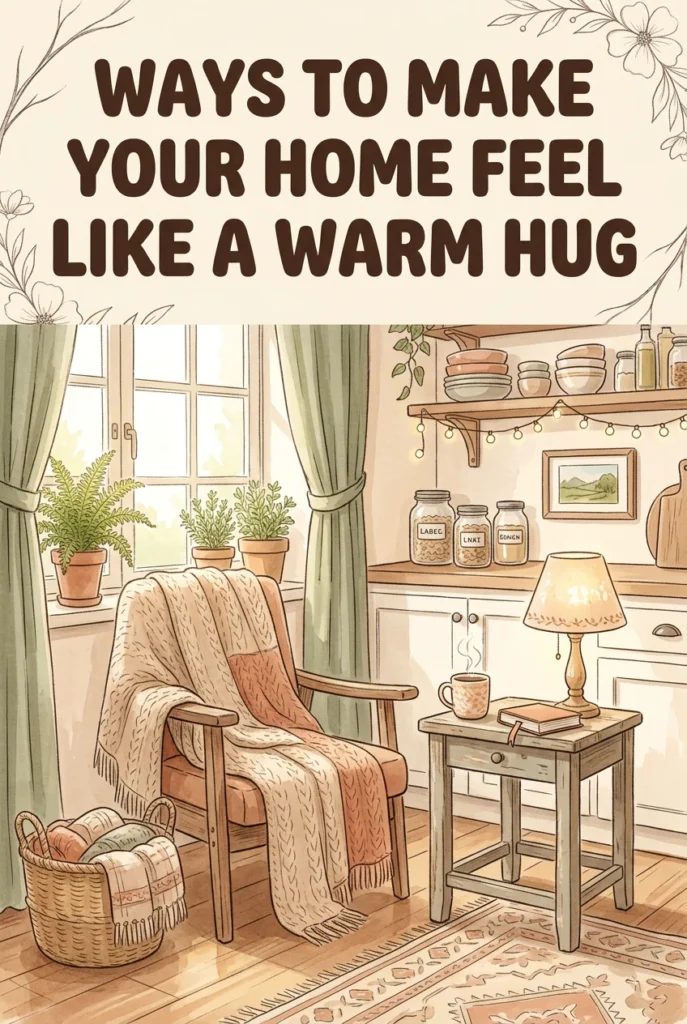
A calm, comforting home isn’t about perfect styling—it’s about creating a space that helps you exhale.
Most of us aren’t only looking for a clean house or attractive furniture. We’re looking for a feeling: the moment you walk through the door and your shoulders drop, your thoughts slow down, and you can finally breathe.
In a world that runs loud—notifications, opinions, schedules, expectations—home works best when it feels like the opposite of pressure. The most comforting homes don’t happen by accident. They’re built through small, repeatable choices that soften a space and steady the people living in it.
Below are ten practical ways to shape a home that feels like a warm hug—welcoming, grounding, and gently personal—without needing a major renovation.
1) Layer Soft Textures (Because Comfort Starts With Touch)
A home that feels comforting rarely feels flat. Texture adds warmth in a way color alone can’t. It invites you to sit down, put your feet up, and stay awhile.
What to add (even in a minimalist space)
- Natural-fibre throws draped over a chair or sofa
- Washed linen bedding that feels relaxed, not stiff
- Cotton cushion covers in soft, touchable weaves
- Area rugs that warm up hard floors underfoot
- Woven baskets that hold everyday items without looking messy
- Textured ceramics (vases, bowls, mugs) that add quiet character
Small shift, big payoff
Try adding just one “soft landing” in each frequently used room—something you can touch, lean on, or wrap around yourself. Tactile comfort is an easy way to make a space feel emotionally grounding.
2) Choose Warm Lighting Over Harsh Brightness
Lighting can make a tidy room feel clinical—or make a simple room feel safe. Overhead, cool-toned lighting often reads as harsh, especially in the evening. If you want a home that “glows,” aim for warm, layered light rather than a single bright source.
Ways to soften the light
- Swap to warmer bulbs where possible
- Use table lamps to create gentle pools of light
- Light corners and darker zones so the room feels balanced
- Add low lighting in bedrooms to support wind-down time
- Use fairy lights along shelves or in a glass jar for subtle warmth
- Choose plant-based candles for a flicker effect (keep it subtle, not overpowering)
Why it matters
Warm, low lighting signals rest. It helps your home feel less like a workplace and more like a place where your body is allowed to slow down.
3) Create One “Comfort Corner” You Can Retreat To
Every home benefits from a dedicated softness zone: a place that quietly says, “You can pause here.” It doesn’t need to be large. It just needs to be intentional.
Ideas for your comfort corner
- A reading chair with a throw and a cushion
- A window seat with a small lamp nearby
- A favorite spot on the sofa with a side table for tea
- A floor cushion nook with a basket for books
What to include
Keep it simple: a soft blanket, a reliable light source, and one or two items that make it feel like yours—books, a notebook, or a vase of dried florals. Over time, this corner becomes a symbol of rest, not just a piece of furniture.
4) Embrace Gentle, Comforting Color Palettes
Color carries emotion. “Warm hug” homes often lean toward tones that soothe rather than shout—muted, earthy, creamy, and calm. You don’t need to repaint your entire house to change the emotional temperature of a room.
Comfort-forward colors to consider
- Warm beige, cream, and ivory
- Dusty sage and other softened greens
- Soft terracotta and honeyed wood tones
- Muted blush, gentle peach, and warm neutrals
Easy ways to introduce warmth without renovating
- Replace stark white accessories with cream or sand tones
- Swap cushion covers to warmer undertones
- Add artwork that leans soft and earthy
- Try a woven wall hanging to soften hard lines
Keep it steady
When colors harmonize, the room feels less visually demanding. That calmness is part of what makes a space feel safe.
5) Keep Surfaces Clear—But Not Empty
Clutter can feel loud. But a completely bare home can feel cold or impersonal. The goal is “curated comfort”: breathing room with meaning.
A balanced approach to surfaces
- Clear what you don’t use or love
- Group items rather than scattering them
- Leave a few practical comforts visible and easy to reach
What to leave out on purpose
- A framed quote that genuinely calms you
- A small stack of notebooks or books you return to
- A bowl of fresh fruit on the counter or table
- A ceramic jar holding wooden spoons or everyday utensils
- A handmade item that adds personality without adding clutter
Simple rule
If an item makes life easier or makes you feel more at home, it can earn its place. If it creates visual noise, store it or let it go.
6) Let Nature In (It’s More Than Decoration)
Natural elements have a quiet way of regulating a space. Light, fresh air, plants, and seasonal touches make a home feel alive instead of static.
Small, realistic ways to bring nature indoors
- Place a potted plant near a window
- Add a simple jar of greenery to the table
- Pull linen curtains open to maximize natural light
- Keep a bowl of citrus or seasonal fruit where you’ll see it
- Open windows when possible to refresh the air
Why it works
Nature softens hard edges—both in architecture and in mood. Even one plant or one sunny corner can shift how a room feels.
7) Build Rhythms and Rituals That Make Home Feel Steady
A warm home isn’t created by design alone. It’s created by rhythm. Predictable, comforting routines turn a physical space into an emotional sanctuary.
Simple rituals that create a sense of refuge
- Evening tea in a favorite mug
- A Sunday reset routine to gently prepare for the week
- Soft music while you cook or tidy
- Morning journaling in the same chair
- Fresh sheets on a consistent day (for example, every Friday)
Make it easy to repeat
Choose rituals that fit your real life. The power comes from consistency, not complexity.
8) Infuse the Air With Subtle, Comforting Scents
Scent is closely tied to memory and emotion. A home that smells familiar and calming can feel instantly more welcoming. The key is restraint: a soft background scent, not an overpowering cloud.
Comforting scent options
- Cinnamon-and-orange simmer pots
- Lavender essential oil diffusers
- Vanilla-scented plant-based candles
- Fresh eucalyptus in the shower
A helpful standard
You should notice the scent when you enter the room, then quickly stop “hearing” it—like a quiet soundtrack rather than a loud announcement.
9) Make It Personal, Not Perfect
Perfection often reads as distance. Personality reads as warmth. Homes that feel like hugs look lived-in in the best way: they hold stories, preferences, and small reminders of what matters to the people inside them.
Personal touches that add warmth without chaos
- Photos that make you smile
- Travel souvenirs displayed simply (one shelf, one tray)
- Handmade items or inherited pieces
- Favorite books where you can actually reach them
- Artwork that feels meaningful, not just “matching”
Permission to be human
When you release the pressure to make your home look like a showroom, you create room for real comfort—messy moments included.
10) Prioritize Emotional Safety Above Aesthetics
This is the foundation. You can add warm lighting, soft blankets, curated shelves, and plants—but if the emotional atmosphere is tense, home won’t feel like a hug.
What emotional safety can look like at home
- Calm conversations, even during disagreement
- Respectful boundaries
- No shouting or chaos as the default
- Gentle tones and considerate communication
- A peaceful, steady energy that makes people feel welcome
Design supports comfort; energy sustains it
Protecting the emotional climate of your home is one of the most practical forms of care. The goal is not constant happiness—it’s a baseline of respect and calm that allows everyone to breathe.
Tips: A Quick “Warm Hug Home” Checklist
If you want results quickly, focus on changes you can feel immediately—light, softness, and simplicity.
- Pick one room and add one soft texture (throw, rug, cushion).
- Swap one light source from harsh overhead to a warm lamp.
- Clear one surface and keep only 2–4 meaningful items visible.
- Add one natural element (plant, fruit bowl, fresh greenery, open curtains).
- Create one ritual you’ll repeat (tea, music while cooking, a weekly reset).
- Choose one scent and keep it subtle and consistent.
Room-by-Room: Small Changes That Add Instant Warmth
| Space | One Simple Upgrade | Why It Helps |
|---|---|---|
| Entryway |