
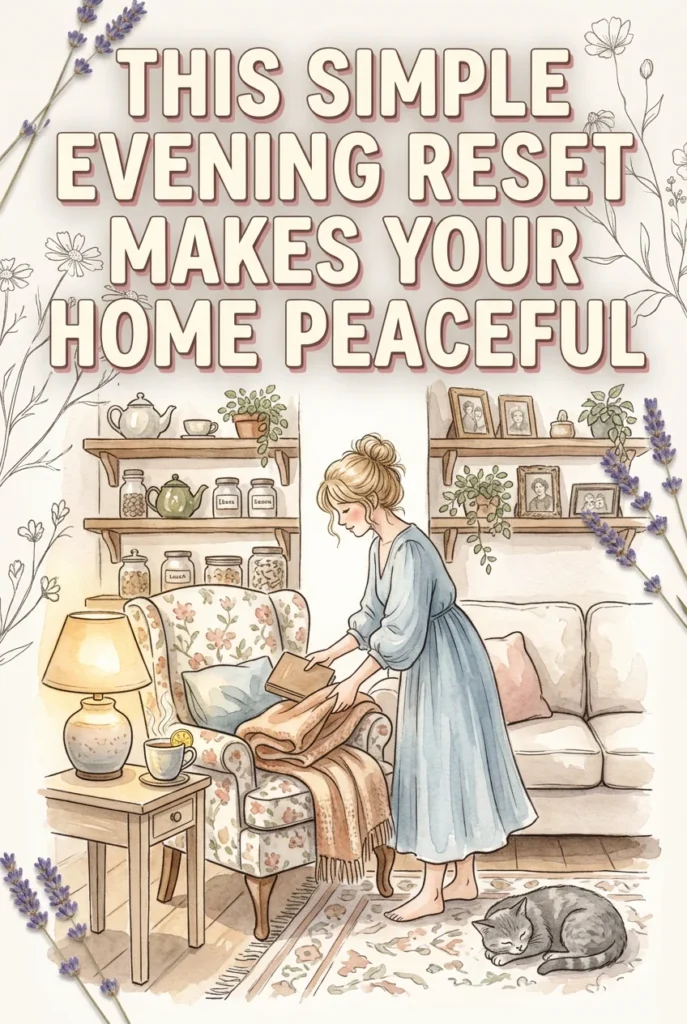
A practical, low-stress evening reset that helps your home feel calmer, cleaner, and easier to run—without chasing perfection.
Most homes don’t fall into chaos because of one big mess. They unravel from dozens of small, unfinished moments—shoes left by the door, dishes “for later,” backpacks dumped wherever they land.
The good news: the most powerful time to prevent that snowball effect is often the most ignored part of the day—your evening.
What you do in the final hours before bed quietly decides how your morning feels. A simple, intentional evening routine can reduce stress, cut down on frantic searches, and help you wake up to a home that already feels cared for.
Why evening routines matter for home management
Evenings create a natural “reset point.” They’re your chance to close out today’s mess before it becomes tomorrow’s problem. When you build a few consistent habits at night, you:
- Stop clutter from compounding (a little tidy beats a weekend cleanup marathon).
- Lower morning decision fatigue by preparing essentials ahead.
- Create a calmer atmosphere that supports better rest.
- Make your home feel welcoming—for you, not just for guests.
Think of this as less about “keeping up” and more about setting yourself up.
10 evening routine tips that will transform your home
1) Do a 10-minute tidy of the main spaces
Set a timer for 10 minutes and focus only on your highest-traffic areas: the living room, kitchen counters, and entryway. A short, focused reset is more sustainable than an ambitious late-night clean.
What to do in those 10 minutes
- Put shoes where they belong and clear the entry floor.
- Straighten cushions and fold throw blankets.
- Collect stray cups, mail, toys, and chargers and return them to their homes.
- Clear one visible surface (a coffee table or counter) for instant “lighter” vibes.
When the main spaces look orderly, the whole home feels calmer—even if the rest isn’t perfect.
2) Reset the kitchen completely
Few things affect the next day like the state of the kitchen. Waking up to a sink full of dishes and cluttered counters adds friction before you’ve even had breakfast.
Each evening, aim for a full kitchen reset: load the dishwasher, wash anything that can’t go in, wipe counters, sweep the floor, and empty the trash if it’s full or smells.
Small touches that make mornings smoother
- Put out fresh dish towels.
- Refill a water pitcher or set up the tea kettle so it’s ready.
- Clear the sink so you start the day with a clean landing spot.
This single habit can turn the kitchen from a stress zone into a space that supports you.
3) Prepare tomorrow’s essentials
Evening prep reduces the number of decisions you have to make in the morning—when time and patience are usually at their lowest.
Lay out tomorrow’s clothes, including the small things that tend to slow you down (socks, accessories, and anything you need to grab on the way out). If you have children at home, prep outfits, review homework, and pack school bags so they’re ready by the door.
Don’t forget the everyday carry items
- Keys, wallet, and headphones
- Chargers in a consistent, designated spot
- Work badge, library books, forms, or anything you must not forget
When essentials are staged, the morning feels calmer and more controlled.
4) Do a quick laundry boost
You don’t need a full laundry overhaul every evening to stay on top of it. What helps most is preventing laundry from turning into an overwhelming pile.
Choose one small action at night: start a load, fold a basket, or put away clean clothes that have been lingering on a chair. That nightly 10-minute investment saves you from long, exhausting laundry marathons later.
Keep it simple
- If energy is low, fold just the “must-have” items for tomorrow.
- If time is tight, set a load to wash so it’s ready to move along the next day.
- If clutter is the issue, put away the clothes that are already clean.
5) Wipe down bathroom surfaces (two minutes)
Bathrooms can look fresh one moment and grimy the next—especially with toothpaste splatters, water spots, and everyday clutter. A quick evening wipe keeps things from building up and makes the morning feel instantly cleaner.
Spend two minutes wiping sinks, counters, and mirrors. A simple spray bottle with water, vinegar, and a drop of essential oil works well for this kind of daily maintenance.
Why it works
Daily wipes prevent grime from hardening, which means less scrubbing later—and fewer unpleasant surprises first thing in the morning.
6) Prepare food and drinks ahead
Morning stress often comes from small bottlenecks: nothing ready for breakfast, no plan for lunch, and too many choices before coffee. Evening prep removes that friction.
Keep it minimal. Wash and chop fruit, portion oats, set out smoothie ingredients, or pack a simple lunch container. You can also set up the coffee maker or tea kettle so it’s ready to go.
Think “one step ahead,” not “meal prep all night”
- Put breakfast items where you can see them.
- Choose one healthy option and make it easy to grab.
- Set out the mug, spoon, or lunch bag so nothing is a scavenger hunt.
These small habits save time, reduce decisions, and make it easier to follow through on healthier choices.
7) Create (and reset) a family landing zone
A landing zone is a designated spot where everyone drops the essentials: shoes, bags, jackets, and the small items that otherwise roam the house. It doesn’t need to be fancy—just consistent.
Each evening, do a two-minute reset of that area: line up shoes, hang coats, and clear out anything that doesn’t belong there.
What this prevents
- The morning hunt for missing shoes
- Keys disappearing into couch cushions
- Backpacks blocking walkways or getting forgotten
This one routine keeps the entryway neat and makes departures far less chaotic.
8) Refresh bedrooms for real rest
Your bedroom doesn’t have to look like a hotel to feel restful. A few small resets help the space signal “sleep” instead of “unfinished business.”
In the evening, fluff pillows, fold throws, and dim the lighting. If the weather allows, open a window briefly for fresh air, then close curtains to create a cozy, calm feel.
Simple bedtime staging
- Place a glass of water and a book on the nightstand.
- Clear one surface (even just a small section) so the room feels less cluttered.
- If possible, keep devices charging outside the bedroom to support better rest.
When bedrooms feel inviting, it’s easier to wind down—and easier to wake up without feeling behind.
9) Review and reset your planner
Many people struggle to fall asleep because their mind is trying to remember everything. A five- to ten-minute planner review helps you “close the mental tabs.”
Look at tomorrow’s schedule: appointments, errands, and meals. Write down what needs to happen and what needs to be prepared. If you’ll need documents, forms, groceries, or items for the day, make a quick note now—then stage what you can.
What you gain
Less worry at bedtime, fewer forgotten tasks, and a clear plan when you start the day.
10) End with a calming ritual
An effective evening routine isn’t only about managing a home—it’s also about caring for the people who live in it, including you. Close the day with something that signals calm.
Light a candle, make herbal tea, journal, or read a few pages of a book. Lower the lights and play soft background music if that helps you unwind. These simple rituals cue your body and mind that the day is ending, which can make it easier to fall asleep and wake up refreshed.
A realistic way to put this into practice (without doing it all at once)
You don’t need to implement all ten tips perfectly from day one. Start with the habits that create the biggest impact in your home—often the kitchen reset and tomorrow’s essentials.
Here’s an example of how these steps can fit into a normal evening:
- 10 minutes: Quick tidy of the main spaces
- 10–15 minutes: Kitchen reset (dishes, counters, floor)
- 5 minutes: Set out clothes, bags, keys, and chargers
- 5–10 minutes: Laundry boost or bathroom wipe-down (alternate by day)
- 5 minutes: Planner review
- 10 minutes: Calming ritual to end the night
Adjust the timing based on your season of life. The goal is consistency, not intensity.
Tips for making your evening routine stick
- Anchor it to something you already do: start the 10-minute tidy right after dinner or after the kids’ bedtime routine.
- Use timers: short sprints keep tasks from expanding to fill the whole night.
- Lower the bar on hard days: do the “minimum effective reset” (kitchen counters + essentials for tomorrow).
- Give everything a home: routines work best when items have a consistent place to return to.
- Keep supplies where you use them: a bathroom spray and cloth in the bathroom makes the two-minute wipe realistic.
Closing thought: a fresh start is built the night before
An evening routine isn’t about keeping a perfect house. It’s about small, repeatable habits that keep your home running smoothly and your mind less cluttered.
When you tidy the main spaces, reset the kitchen, prep tomorrow’s essentials, and end the day with a calming ritual, you turn evenings from stressful to supportive. The payoff shows up quickly: easier mornings, a more inviting home, and the quiet relief of knowing things are in order.
Care for your home at night, and you give yourself the gift of waking up to a fresh start—every single day.