
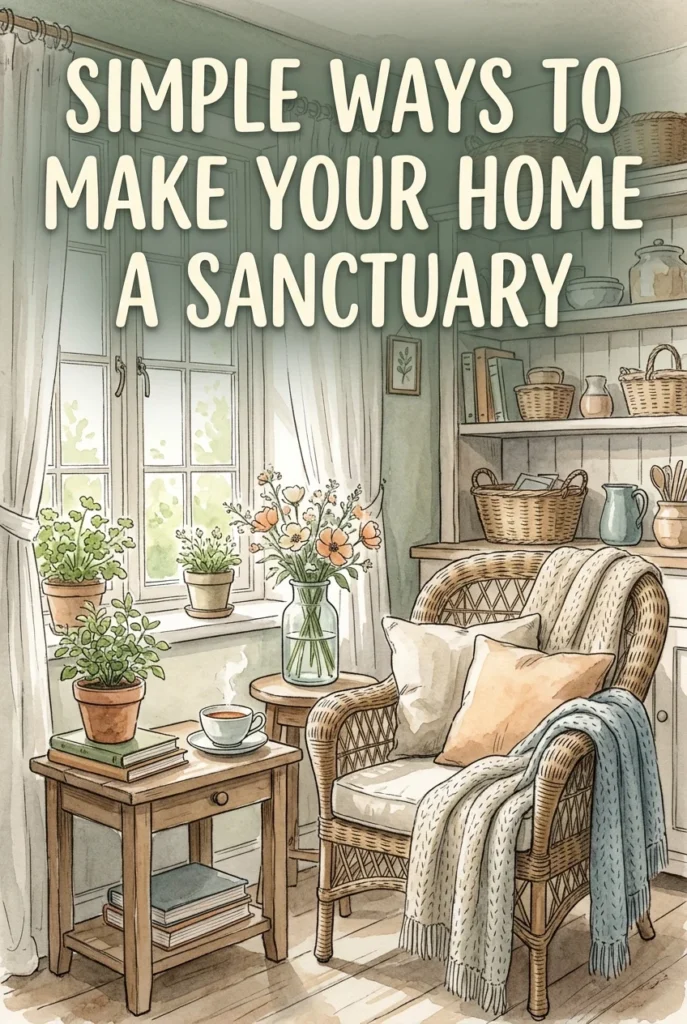
A healing home isn’t about impressing anyone—it’s about creating a space that helps you exhale.
You can have a home that looks “fine” and still feels tense, loud, or draining. Many people reach a point where they don’t just want a beautiful space; they want one that gently restores them after real life—work stress, family demands, health concerns, or simply the weight of busy days.
The good news is that a healing home doesn’t require a major budget, a new address, or a complete lifestyle overhaul. It’s built through small, intentional choices that support your nervous system, your routines, and your sense of safety. Layer by layer—through light, scent, texture, rhythm, and care—your home can become steadier, softer, and easier to live in.
Below are 21 simple, practical ways to create a home that heals. Use them as a menu, not a mandate. Choose a few to start, repeat what works, and let your space evolve with you.
Start With the Environment: Light, Air, and Atmosphere
1) Let Natural Light Lead
Open curtains and lift blinds each morning, even if it’s overcast. Daylight makes a room feel awake and breathable, and it naturally shifts the mood of a space.
Try this
Angle a mirror to bounce light deeper into the room, especially in darker corners or hallways. Keep windowsills clear so light has room to land.
2) Choose Warm Lighting After Sunset
When the day winds down, harsh overhead lighting can keep the body in “alert” mode. Swap it for warm-toned bulbs, table lamps, sconces, or candles (including flameless options if you prefer).
Try this
Create one “evening lighting” setting: two lamps on, overhead lights off. Let the golden glow become a cue for rest.
3) Open the Windows Often
Fresh air changes the feel of a room quickly. Even a short burst of ventilation can make the home feel lighter and more renewed.
Try this
Open two windows on opposite sides of your home for a brief cross-breeze. Ten minutes is often enough to reset the space.
4) Reduce Noise Pollution
Constant background noise can keep the nervous system on edge. If a television is on “just because,” consider turning it off and choosing quiet, gentle music, or simple silence.
Try this
Notice which sounds actually support you (a playlist, a podcast you’re truly listening to) versus what simply fills space. Choose with intention.
Reduce Visual Stress: Order That Creates Emotional Space
5) Clear Surfaces for Mental Clarity
Clutter competes for attention. It pulls the eye, adds friction to routines, and can make rest feel harder. Start with one surface: a kitchen counter, a bedside table, or the bathroom sink.
Try this
Remove what doesn’t belong, wipe the surface fully clean, and return only what feels calm and purposeful. Visual space often creates emotional space.
6) Create a Daily Reset Ritual
A healing home is supported by small rhythms. Spend ten minutes each evening returning the house to “tomorrow-ready.” This keeps overwhelm from building and helps you wake up to a softer start.
Try this
Fold blankets, wash cups, fluff cushions, wipe the table, and do a quick floor check. Keep it light—ten minutes, not perfection.
7) Simplify Your Entryway
Your entrance sets the tone. When the first thing you see is piles, loose bags, or scattered shoes, your body reads “unfinished.” A simple setup can make coming home feel calmer.
Try this
A small bench, a mirror, a basket for essentials, and a clear landing spot for keys are enough. Aim for “welcoming,” not elaborate.
8) Practice Weekly Decluttering
Healing homes are allowed to change. Set a gentle weekly rhythm: one drawer, one shelf, one cupboard. Release what no longer serves you so your home reflects who you are now—not a previous season of life.
Try this
Choose small categories (one mug shelf, one skincare basket) so the task stays doable and non-dramatic.
9) Maintain Cleanliness Without Obsession
Cleanliness supports comfort, but perfection can create pressure. A healing home feels cared for, not sterile. Focus on basics that make daily life easier: fresh sheets, wiped floors, tidy bathrooms, and a reset kitchen.
Try this
Decide what “clean enough” means for your household, then stop there. Care is the goal, not constant polishing.
Comfort Through Touch: Texture, Warmth, and Physical Ease
10) Layer Soft Textiles
Texture invites the body to settle. Linen curtains, cotton bedding, knit throws, woven rugs—these details make a room feel physically comfortable, which often translates to emotional comfort too.
Try this
Add one soft element per room: a throw on the sofa, a rug by the bed, or a cushion where you sit most.
11) Design a Quiet Corner
A healing home benefits from at least one intentional “pause point.” It doesn’t need to be a whole room. It can be one chair that signals: this is where I breathe.
Try this
Choose a chair, add a cushion and throw, place a lamp nearby, and keep a small surface for tea, a book, or a journal. Protect this corner from becoming a dumping ground.
12) Allow Space for Rest
Perhaps the most important step: let your home witness your stillness. Not every moment at home needs to be productive. Rest is not laziness—it is restoration.
Try this
Leave small pockets of unplanned time. Sit quietly. Watch the light move across the wall. Take a nap without apologising to yourself.
Support the Senses: Plants, Scent, Colour, and Meaning
13) Add Living Plants
Plants soften edges and bring subtle movement into still spaces. A small herb pot in the kitchen, a trailing vine on a shelf, or a leafy plant in a corner can shift the mood of a room.
Try this
Start small with one easy plant and place it where you’ll notice it daily. Caring for something living can add grounding rhythm to the week.
14) Use Natural Scents
Scent has a direct way of shaping memory and mood. Choose gentle, clean aromas rather than overpowering artificial fragrances.
Try this
Simmer citrus slices with cloves, diffuse essential oils such as lavender or bergamot, or tuck dried herbs into breathable sachets. Keep it subtle—your home should feel fresh, not loud.
15) Use Colour Intentionally
Colour influences how a room feels. Soft neutrals, warm creams, muted greens, dusty blues, and gentle blush tones can create a calmer backdrop for daily life.
Try this
You don’t need to repaint. Introduce soothing colour through cushions, bedding, simple artwork, table linens, or even a single throw blanket.
16) Incorporate Meaningful Objects
Healing spaces feel personal, not performative. Surround yourself with objects that carry positive memory—handwritten notes, favourite books, simple art, handmade pieces.
Try this
Choose a small shelf or tabletop and curate it deliberately. Fewer items, more meaning.
Make Daily Life Easier: Routines That Calm the Home
17) Keep Bedrooms Tech-Light
A bedroom works best when it signals rest, not stimulation. Removing unnecessary screens can help your evenings feel quieter and your nights more restorative.
Try this
Charge devices away from the bed when possible. Swap late-night scrolling for reading or journaling, even for a short window.
18) Establish Gentle Morning Routines
When mornings feel rushed, the whole home can carry that sharp energy. A small, slower start—when possible—creates a calmer baseline for the day.
Try this
Make tea, stretch near a window, or sit for a moment before checking notifications. Even a few minutes of intention can change how the home feels.
19) Keep the Kitchen Clean and Nourishing
A tidy kitchen supports healthier rhythms because it reduces friction around meals. When the kitchen feels calm, nourishment feels easier and less stressful.
Try this
Wipe counters nightly, keep fresh fruit visible in a bowl, and organise shelves so cooking feels inviting rather than chaotic.
20) Create Seasonal Shifts
Small seasonal changes keep a home from feeling stagnant and help you stay connected to natural cycles. This can be simple, subtle, and low-cost.
Try this
Rotate lighter fabrics during warm months and thicker textures when it’s cooler. Swap a cushion cover, change a throw, or adjust table linens to match the season.
Protect the Feeling of Safety: Emotional Energy at Home
21) Protect Emotional Energy
Decor matters far less than emotional safety. Pay attention to how conversations happen inside your walls. Aim for gentleness. Repair tension respectfully. A healing home is one where people can breathe without bracing.
Try this
When conflict arises, focus on tone and timing. Lower voices, take pauses, and choose to return to discussions when everyone is steadier.
Tips: A Simple “Healing Home” Starter Plan
- Pick three changes for this week: one for light, one for order, one for comfort.
- Start with one surface: clear and wipe a single counter, table, or bedside area.
- Create an evening cue: warm lamp lighting + a 10-minute reset ritual.
- Choose one calming sensory detail: a plant, a subtle scent, or a soft textile.
- Protect one small boundary: keep the bedroom tech-light or preserve a quiet corner.
- Keep it repeatable: the most healing routines are the ones you can maintain on ordinary days.
Closing: A Sanctuary Built One Choice at a Time
A home that heals isn’t built overnight. It’s shaped through repeated small decisions: warm lighting over brightness, order over visual noise, softness over sharpness, intention over impulse. You don’t need a different house to experience healing. You need different rhythms inside the one you already have.
When your space supports your breathing, your routines, your peace, and your growth, it becomes more than a house. It becomes a sanctuary—quietly, steadily, day by day. And that sanctuary can be one of the most practical forms of self-care you ever create.