
Jade Plant Toxicity
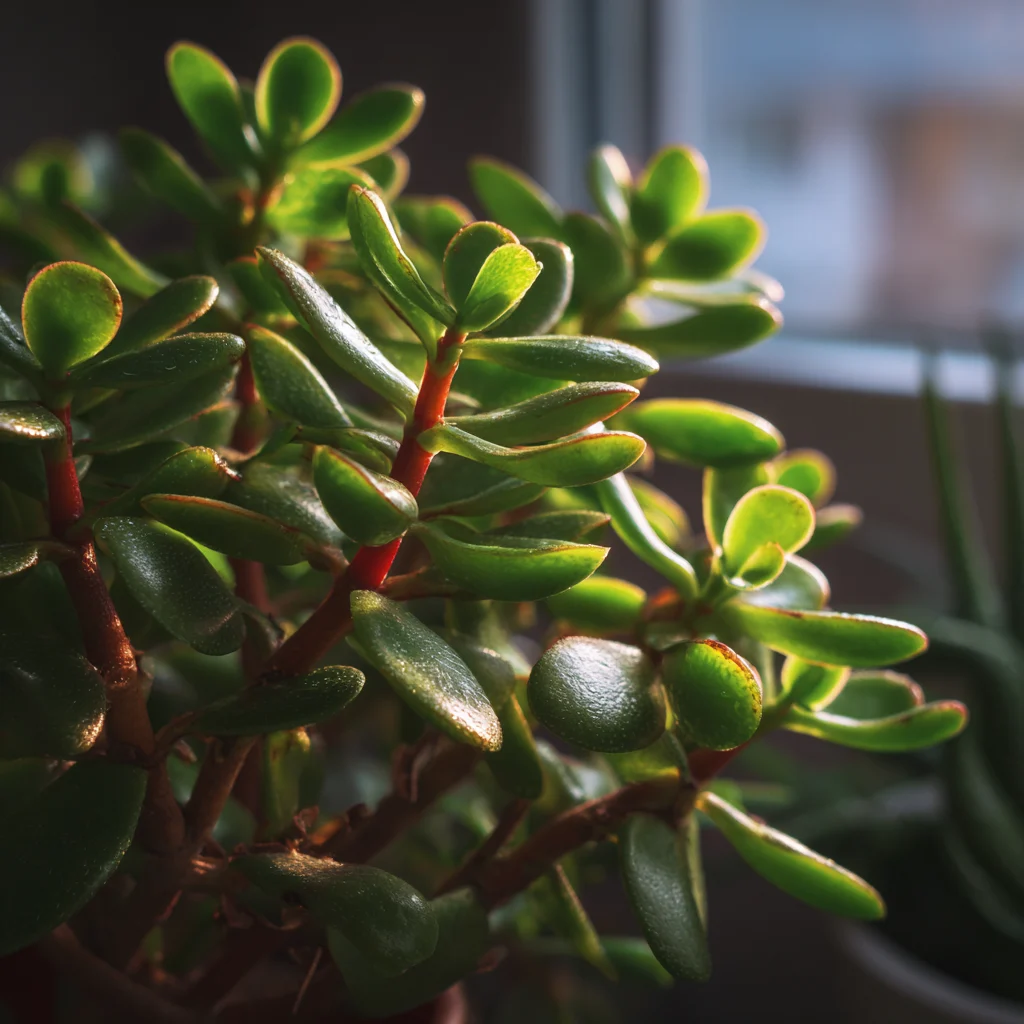
Jade plants (Crassula ovata) are popular houseplants known for their thick, glossy leaves and tree-like appearance. While these succulents are prized for their beauty and ease of care, they pose a potential health risk to pets and, to a lesser extent, humans. Jade plant toxicity is an important consideration for any plant owner, especially those with curious pets or small children. After working with these plants for over a decade, I’ve learned that understanding their toxic properties is essential for responsible plant ownership.
Are Jade Plants Toxic?
All varieties of jade plants contain compounds that are toxic when ingested. This includes the common jade plant (Crassula ovata) and all other members of the Crassula genus, which comprises approximately 1,500 species. Whether they’re marketed as jade plants, baby jade, dwarf rubber plants, or friendship trees, they all contain the same potentially harmful substances.
The exact toxic compounds in jade plants haven’t been fully identified by science, but their effects are well-documented. For humans, jade plants are considered mildly toxic, typically causing minor irritation if ingested. For pets, however, the toxicity can be significantly more serious.
Toxicity to Pets
Jade plants pose a more significant risk to household pets than to humans. Dogs, cats, horses, rabbits, and birds can all experience adverse reactions if they chew or ingest parts of a jade plant.
The severity of the reaction depends on the amount consumed and the size and species of the animal. Smaller pets may experience more severe symptoms from ingesting the same amount as a larger animal.
Symptoms of Jade Plant Toxicity in Pets
- Vomiting (in animals that can vomit)
- Loss of appetite
- Lethargy or depression
- Uncoordinated movements
- Slow heart rate
- In severe cases: seizures and difficulty breathing
Cats and dogs typically show vomiting as the first sign of jade plant ingestion. Animals that cannot vomit, such as rabbits and most birds, may instead stop eating and drinking, which can be easy to miss initially.
Toxicity to Humans
For humans, jade plants are considered only mildly toxic. Direct ingestion may cause minor gastrointestinal discomfort, including nausea or diarrhea, but serious poisoning is rare. The sap released when cutting or pruning jade plants can cause skin irritation in some individuals, resulting in redness or itching.
Children are at higher risk due to their smaller size and tendency to explore by putting things in their mouths. While severe reactions are uncommon, it’s best to keep jade plants out of reach of young children.
What to Do If Poisoning Occurs
If you suspect your pet has ingested jade plant, prompt action is important. Monitor them closely for symptoms and contact your veterinarian if you notice any concerning changes in behavior or health.
Steps to Take for Pets
- If you catch them in the act, remove any plant material from their mouth if possible
- Contact your veterinarian or an emergency vet clinic
- You can also call the Animal Poison Control Center at (888) 426-4435 for guidance
- Monitor for symptoms including vomiting, lethargy, or uncoordinated movement
- If symptoms appear, seek veterinary care immediately
Steps to Take for Humans
- For skin contact: Wash the affected area thoroughly with soap and water
- For ingestion: Rinse the mouth and drink water to dilute any swallowed material
- For significant ingestion or if symptoms develop, contact a poison control center or seek medical attention
In most cases, mild exposure will resolve without treatment, but it’s always better to err on the side of caution, especially with children or pets.
Safely Handling Jade Plants
While jade plants aren’t highly dangerous to handle, taking some precautions can prevent skin irritation and accidental ingestion.
- Wear gloves when pruning, propagating, or repotting jade plants to avoid skin contact with the sap
- Wash hands thoroughly after handling the plant, even if you wore gloves
- Clean any tools used to cut jade plants to prevent transferring the sap to other surfaces
- Keep the plants away from areas where pets or children play
For routine care like watering or dusting leaves, gloves aren’t typically necessary unless you have particularly sensitive skin.
Keeping Jade Plants Away from Pets
If you love jade plants but have pets, you don’t necessarily have to choose between them. With careful planning, you can safely keep jade plants in your home.
- Place jade plants on high shelves or in hanging baskets well out of reach of pets
- Consider keeping jade plants in rooms that pets don’t have access to
- Use plant stands that are stable and tall enough to keep plants away from curious animals
- For outdoor jade plants, ensure they’re in areas where pets can’t reach them
- Consider using a grow light for plants placed in high locations to ensure they receive adequate light
Remember that cats are particularly adept climbers, so even high shelves may not be completely safe. Monitor your pet’s behavior around plants and adjust accordingly.
Pet-Safe Alternatives to Jade Plants
If you’re concerned about jade plant toxicity or have particularly curious pets, consider these non-toxic alternatives that offer similar aesthetic appeal:
Succulents and Cacti
- Haworthia varieties – similar compact growth with interesting patterns
- Holiday cacti (Schlumbergera) – trailing succulents with beautiful seasonal blooms
- Echeveria species – form rosettes with similar thick leaves
Other Pet-Safe Houseplants
- Ponytail Palm (Beaucarnea recurvata) – tree-like appearance similar to mature jade plants
- Money Tree (Pachira aquatica) – not to be confused with jade plants sometimes called “money plants”
- American Rubber Plant (Peperomia obtusifolia) – shiny rounded leaves similar to jade
- Spider Plant (Chlorophytum comosum) – easy-care plant that’s completely non-toxic
- Boston Fern (Nephrolepis exaltata) – adds lush greenery without toxicity concerns
These alternatives provide similar visual interest and are generally as easy to care for as jade plants, without the worry of toxicity.
Conclusion
Jade plant toxicity is a genuine concern, particularly for pet owners. While these popular succulents aren’t usually life-threatening, they can cause significant discomfort and potentially serious symptoms, especially in cats, dogs, and other pets. Understanding the risks and taking appropriate precautions allows you to enjoy these beautiful plants safely.
If you’re unsure about whether to keep jade plants in your home, consider consulting with your veterinarian about your specific pets and their behaviors. For homes with particularly curious animals or young children, one of the many non-toxic alternatives might provide peace of mind while still satisfying your desire for attractive, easy-care houseplants.