
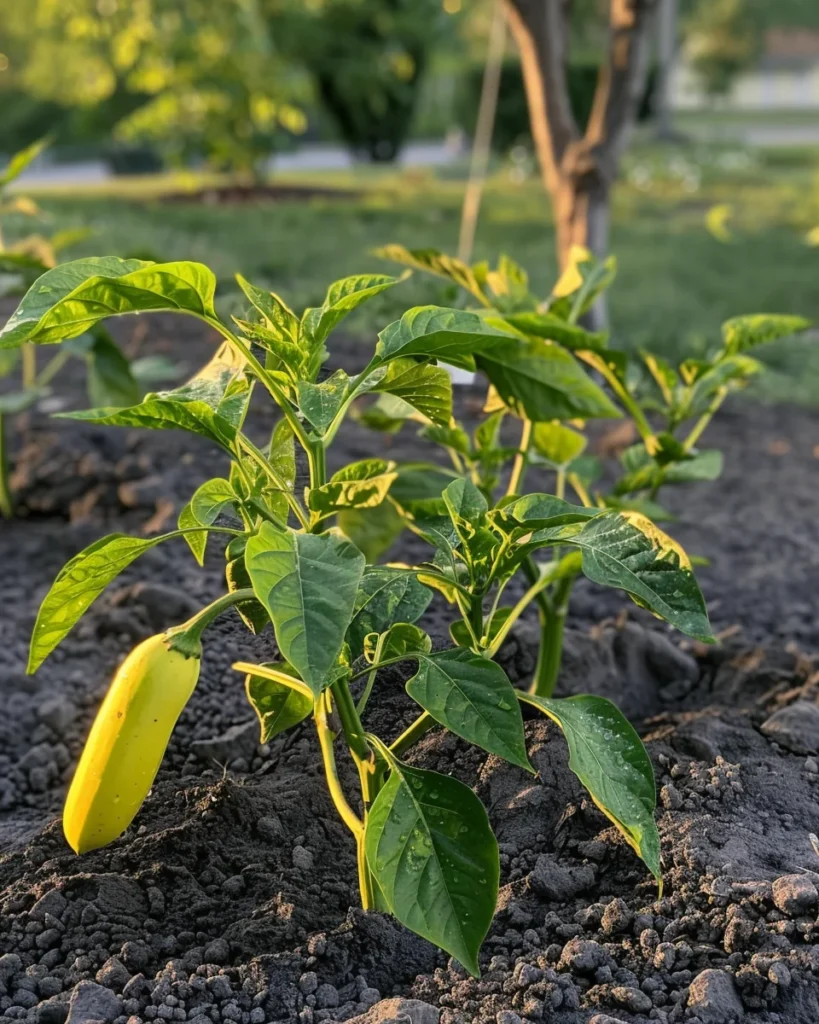
How to Grow Peppers Using Bananas: The Secret Trick for Bigger Harvests
Intro for Using Bananas with Peppers
Peppers are beloved garden vegetables that thrive with proper care and nutrition. What many gardeners don’t realize is that ordinary bananas can dramatically improve pepper plant health and productivity. This natural technique leverages the potassium, phosphorus, and magnesium in bananas to boost pepper growth, flowering, and fruit development. The banana method works for all pepper varieties, from sweet bells to fiery habaneros, and can be implemented in gardens across most temperate regions. This simple, organic approach reduces the need for commercial fertilizers while recycling kitchen waste, making it both economical and environmentally friendly for novice and experienced gardeners alike.
When to plant peppers with bananas
Peppers are warm-season crops that should be planted after all danger of frost has passed. In general temperate regions, soil temperatures should consistently reach at least 18°C (65°F) before planting peppers outdoors. The banana planting method can be implemented at initial planting time or when transplanting seedlings into the garden. For best results, peppers need a long growing season of 70-90 days of warm weather. If you’re in cooler regions (US Zones 3-6 or UK), start seeds indoors 8-10 weeks before your last frost date. In warmer areas (US Zones 7-10 or Mediterranean climates), you can start earlier and enjoy a longer growing season.
Best time to plant peppers with bananas
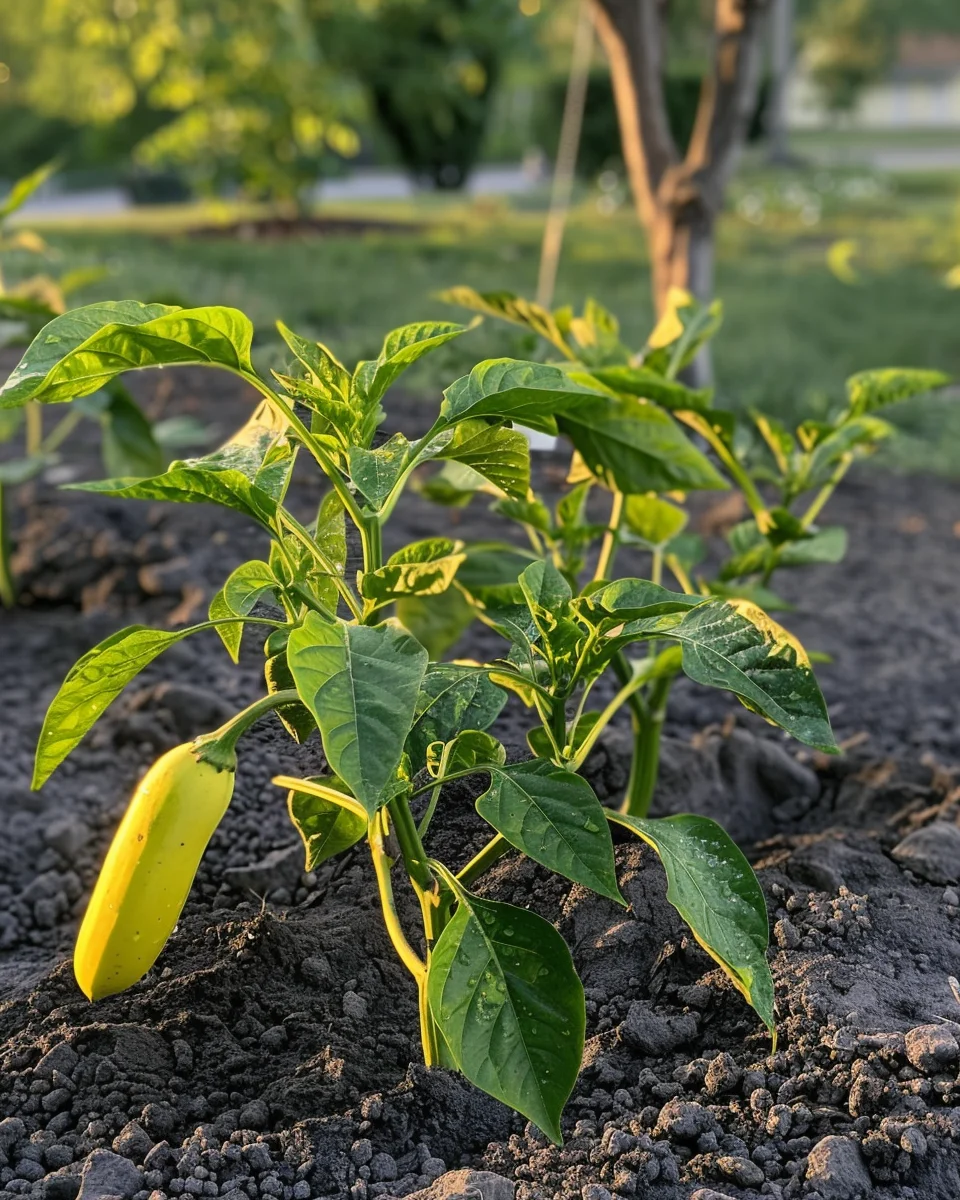
For cool temperate regions, transplant pepper seedlings with banana amendments in late May to early June when nighttime temperatures stay consistently above 13°C (55°F). In warm temperate regions, mid-April to early May is ideal. For hot climates, February to March planting allows peppers to produce before the intense summer heat arrives. Direct sowing is generally not recommended for peppers except in the warmest climates with long growing seasons. Instead, start seeds indoors and transplant when seedlings have 6-8 true leaves, incorporating the banana method during the transplanting process for maximum benefit.
Best pepper varieties to grow with the banana method
- California Wonder – A classic sweet bell pepper that responds exceptionally well to potassium-rich banana amendments.
- Jalapeño – This popular medium-heat pepper produces more abundant fruits when grown with bananas.
- Hungarian Wax – An early-maturing variety that benefits from the phosphorus in bananas for better flowering.
- Habanero – These hot peppers develop more intense flavor when given the extra nutrients from bananas.
- Sweet Banana – Ironically, these long yellow peppers thrive with actual banana amendments, producing larger yields.
- Poblano – These mild chili peppers develop thicker walls and better flavor with the banana method.
- Mini Bell Mix – Compact varieties perfect for containers, with banana amendments helping to maximize production in limited space.
How to plant peppers with bananas
Materials needed:
- Pepper seedlings or plants
- Ripe or overripe bananas (1 per 2-3 plants)
- Garden shovel and trowel
- Compost or well-rotted manure
- Water
- Mulch (straw, leaves, or wood chips)
Step-by-step planting:
- Select a sunny location with well-draining soil for your pepper plants.
- Prepare the soil by digging in compost or aged manure to a depth of 30 cm (12 inches).
- Dig planting holes approximately 45-60 cm (18-24 inches) apart and twice as wide as the root ball.
- Place a whole ripe or overripe banana (with peel) at the bottom of each hole, or place one banana for every 2-3 plants if using a row system.
- Cover the banana with 5 cm (2 inches) of soil to prevent direct contact with the plant roots.
- Gently remove pepper seedlings from their containers and place them in the holes above the banana layer.
- Backfill with soil, firming gently around the plants without compacting too much.
- Water thoroughly to eliminate air pockets and help the roots establish contact with the soil.
- Apply a 5-7 cm (2-3 inch) layer of mulch around plants, keeping it away from the stems.
- Place plant markers to identify varieties, especially if growing multiple types.
How to grow peppers with bananas
Peppers with banana amendments need full sun, at least 6-8 hours daily for optimal growth. Water deeply but infrequently, allowing the top inch of soil to dry between waterings. Typically, this means watering 2-3 times per week during hot weather and less during cooler periods. The decomposing bananas provide initial nutrients, but supplement with a balanced organic fertilizer (like 5-5-5) once flowering begins. Apply a side dressing of compost monthly. For container growing, use at least a 5-gallon (19-liter) pot per plant with drainage holes, placing a banana piece in the bottom third of the container. Stake taller varieties or those with heavy fruit loads using bamboo stakes or tomato cages to prevent stem breakage. The banana amendment works particularly well in containers where nutrients can quickly become depleted.
Caring for banana-boosted peppers
Monitor soil moisture consistently, as peppers prefer even moisture levels. Watch for aphids, which can be controlled with a strong spray of water or insecticidal soap. For fungal diseases like powdery mildew, ensure good air circulation and avoid overhead watering. Blossom end rot can occur despite banana amendments if calcium is lacking or watering is inconsistent; maintain even soil moisture and consider a calcium spray if needed. Harvest sweet peppers when they reach full size and desired color (green to red, yellow, or orange). Hot peppers can be harvested at any stage, with heat intensifying as they mature. Store fresh peppers in the refrigerator for 1-2 weeks, or freeze, dry, or pickle for longer preservation.
Understanding bolting in peppers
Unlike leafy greens, peppers don’t technically bolt, but they can experience stress-related flowering and fruiting issues. Extreme heat (above 35°C/95°F) can cause flower drop and halt fruit production. The banana method helps mitigate this stress by providing potassium, which improves heat tolerance. If plants experience temperature stress, provide afternoon shade and increase watering frequency. Early-season stress can result in smaller plants with reduced yields. If this occurs, apply a foliar spray of seaweed extract to help plants recover. The banana amendment helps prevent these issues by improving overall plant resilience and stress tolerance throughout the growing season.
Why does pepper fruit turn bitter?
- Inconsistent watering – Maintain even soil moisture with regular deep watering.
- Heat stress – Provide afternoon shade during extreme heat waves above 35°C (95°F).
- Nutrient imbalance – The banana method helps, but supplement with balanced fertilizer if needed.
- Harvesting too late – Some peppers develop bitterness if left on the plant too long after maturity.
- Pest damage – Insect feeding can trigger bitter compounds; inspect regularly and treat promptly.
Companion planting for banana-amended peppers
Good companions for peppers include basil, which repels flies and mosquitoes while improving flavor; onions and garlic, which deter many pepper pests; marigolds, which repel nematodes and attract beneficial insects; carrots, which use space efficiently when planted alongside peppers; and nasturtiums, which act as trap crops for aphids. Avoid planting peppers near fennel, which inhibits growth of many plants, or brassicas like cabbage and broccoli, which compete for similar nutrients. The banana amendment works synergistically with these companion plants, creating a balanced growing environment that maximizes the benefits of each plant in the garden ecosystem.
Seasonal calendar
- January-February: Order seeds and start indoors in warm regions.
- March-April: Start seeds indoors in cooler regions; transplant in warm regions with banana amendment.
- May: Harden off seedlings; prepare garden beds with compost.
- June: Transplant seedlings in cooler regions using the banana method; apply mulch.
- July-August: Monitor for pests; water consistently; begin harvesting early varieties.
- September-October: Main harvest period; save seeds from open-pollinated varieties.
- November: Final harvests before frost in temperate regions; prepare plants for overwintering in warm climates.
- December: Plan next year’s pepper garden and order seeds.
Problems & solutions
| Problem | Quick Fix |
|---|---|
| Yellowing leaves | Check for overwatering; ensure proper drainage; add compost tea for nitrogen boost. |
| Flowers dropping | Likely heat stress or poor pollination; mist flowers in morning; provide afternoon shade. |
| Stunted growth | Add another banana piece as side dressing; work it into soil 15 cm (6 inches) from stem. |
| Curling leaves | Check undersides for aphids; spray with insecticidal soap or neem oil solution. |
| Small fruits | Ensure adequate potassium; side dress with compost and water consistently. |
| Black spots on leaves | Bacterial leaf spot; remove affected leaves; avoid overhead watering; apply copper fungicide if organic. |
| Slow ripening | Patience needed; reduce nitrogen fertilizer; increase potassium with banana tea spray. |
Common questions about growing peppers with bananas
Can I use banana peels instead of whole bananas?
Yes, banana peels work well too. Use 2-3 peels per plant, chopped into smaller pieces to speed decomposition.
How deep should I bury the banana?
Bury bananas about 10-15 cm (4-6 inches) below where the roots will sit, with a layer of soil between the banana and roots.
Will the banana attract pests?
When properly buried, bananas decompose without attracting pests. The potassium they release actually helps plants resist certain pests and diseases.
Can I use green bananas?
Ripe or overripe bananas work best as they decompose more quickly. Green bananas take longer to break down and release nutrients.
How often should I add bananas to my pepper plants?
The initial planting banana provides nutrients for 4-6 weeks. For continued benefits, make banana tea by soaking peels in water for 48 hours and use as a monthly liquid fertilizer.
Does this method work for container-grown peppers?
Absolutely! Place a banana in the bottom third of containers at least 5 gallons (19 liters) in size. Container plants may need additional feeding as nutrients leach out with watering.
Can I use this method with other plants?
Yes, the banana method works well with tomatoes, eggplants, and other fruiting plants that benefit from potassium-rich amendments.