
Why Your Plants Keep Dying And How To Fix It: Common Causes, Prevention Tips & Rescue Strategies
Intro for Why Your Plants Keep Dying And How To Fix It
Plant mortality is a frustrating yet common challenge that affects gardeners of all experience levels. Whether you’re tending to houseplants, vegetable gardens, or ornamental landscapes, unexplained plant deaths can leave you feeling defeated and confused. Understanding the fundamental reasons plants fail to thrive is the first step toward creating a flourishing garden. Most plant deaths stem from a handful of common issues related to watering practices, light conditions, soil quality, and pest management. The good news is that with proper diagnosis and simple adjustments to your gardening routine, you can dramatically increase your success rate and enjoy healthier, more resilient plants.
When to plant Why Your Plants Keep Dying And How To Fix It
Timing is critical for plant success. In temperate regions, spring and fall typically offer ideal planting windows when soil temperatures range between 10-21°C (50-70°F). These moderate conditions reduce transplant shock and give plants time to establish before temperature extremes. For most perennials and woody plants, planting at least 6-8 weeks before the first frost in fall or last frost in spring provides crucial establishment time. In warmer regions (US Zones 8-10), winter planting can be advantageous, while in colder areas (Zones 3-5), late spring to early summer planting prevents cold damage to new plantings.
Best time to plant Why Your Plants Keep Dying And How To Fix It
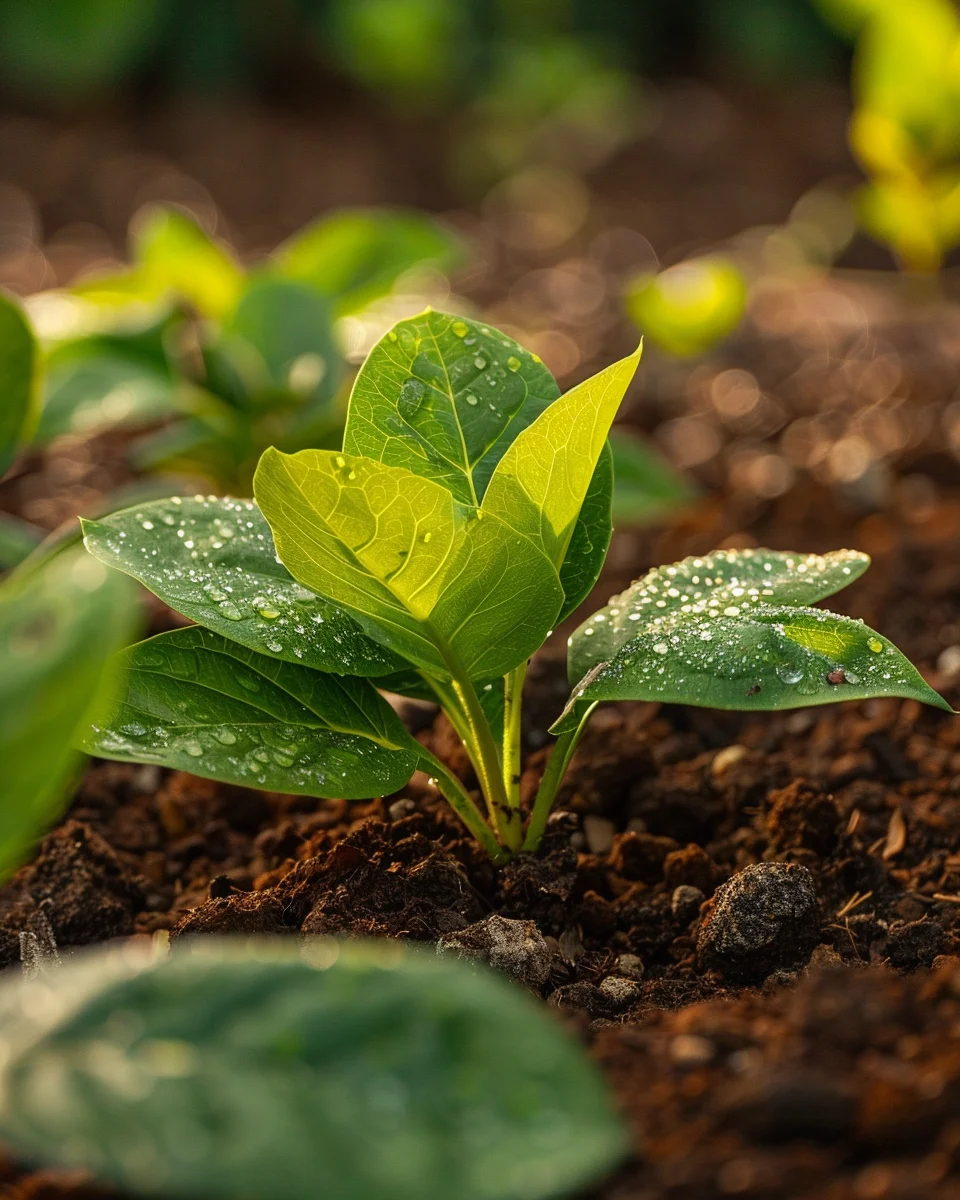
For cool-climate regions, the optimal planting window for most garden plants is April through early June, when soil has warmed but intense summer heat hasn’t arrived. Warm-climate gardeners should focus on September through November or February through March to avoid summer stress on new plantings. Container plants can be transplanted year-round with proper care, though avoiding temperature extremes is wise. For direct-sown annuals and vegetables, follow seed packet instructions for your specific climate zone, generally planting cool-season crops 2-4 weeks before the last frost and warm-season crops after all frost danger has passed.
Best Why Your Plants Keep Dying And How To Fix It varieties to grow
When replacing failed plants, consider these resilient varieties that forgive common gardening mistakes:
• ZZ Plant (Zamioculcas zamiifolia) – Extremely drought-tolerant houseplant that thrives in low light and survives irregular watering.
• Snake Plant (Sansevieria) – Nearly indestructible, tolerates neglect, poor light, and dry conditions.
• Pothos (Epipremnum aureum) – Adaptable vine that clearly signals when it needs water by drooping leaves.
• Sedum ‘Autumn Joy’ – Drought-resistant perennial that thrives in poor soil and requires minimal care.
• Coneflower (Echinacea) – Native perennial that withstands heat, drought, and poor soil once established.
• Cherry Tomato ‘Sungold’ – Productive vegetable that’s more forgiving of watering issues than larger tomato varieties.
• Rosemary – Mediterranean herb that prefers dry conditions and is difficult to overwater.
• Marigolds – Pest-resistant annual flowers that thrive in various soil types and light conditions.
How to plant Why Your Plants Keep Dying And How To Fix It
Materials list:
– Garden fork or tiller
– Compost or organic matter
– Appropriate fertilizer for plant type
– Mulch (bark chips, straw, or compost)
– Watering can or hose with shower attachment
– Plant labels
– Garden gloves
– Measuring tape
Step-by-step planting process:
1. Research your specific plant’s requirements before purchasing to ensure it suits your growing conditions.
2. Prepare the planting area by removing weeds and loosening soil to a depth of 20-30 cm (8-12 inches).
3. Incorporate 5-10 cm (2-4 inches) of compost or organic matter to improve soil structure and fertility.
4. Dig a hole twice as wide but equal to the depth of the plant’s container or root ball.
5. Gently remove the plant from its container, loosening bound roots if necessary.
6. Place the plant in the hole with the top of the root ball level with the surrounding soil surface.
7. Backfill with soil, firming gently around the roots without compacting heavily.
8. Water thoroughly, applying enough to saturate the root zone (typically 2-4 gallons for shrubs, 1 gallon for smaller plants).
9. Apply 5-8 cm (2-3 inches) of mulch around the plant, keeping it 5 cm (2 inches) away from stems or trunks.
10. Label plants and record planting date for future reference.
How to grow Why Your Plants Keep Dying And How To Fix It
Proper light exposure is crucial—most plant deaths occur from mismatched light conditions. Monitor your garden’s sun patterns throughout the day and season before planting. For watering, follow the “knuckle test” by inserting your finger into the soil to the second knuckle; water only when dry at this depth for most plants. Establish a consistent watering schedule based on weather conditions rather than calendar dates.
Fertilize lightly but regularly during the growing season using half-strength applications of balanced fertilizer every 4-6 weeks for most plants. Over-fertilization often causes more harm than under-fertilization. Apply mulch to conserve moisture and suppress weeds, maintaining a 5-8 cm (2-3 inch) layer.
For container plants, ensure pots have drainage holes and use high-quality potting mix rather than garden soil. Container plants typically need more frequent watering and fertilizing than in-ground plantings. Regularly inspect plants for early signs of stress, including leaf discoloration, wilting despite adequate moisture, or unusual growth patterns.
Caring for Why Your Plants Keep Dying And How To Fix It
Ongoing plant maintenance includes monitoring soil moisture, removing spent flowers, and inspecting for pest activity weekly. Common pests include aphids (treat with strong water spray or insecticidal soap), spider mites (increase humidity and apply neem oil), and fungal diseases (improve air circulation and avoid overhead watering).
For disease prevention, practice crop rotation in vegetable gardens and maintain adequate spacing between plants to promote air circulation. Remove and dispose of diseased plant material rather than composting it. Apply organic preventative treatments like neem oil or copper fungicide before problems develop in susceptible plants.
Harvest timing varies by plant type, but generally, vegetables taste best when slightly immature, and flowers should be cut in the morning when stems are fully hydrated. For storage, most cut flowers benefit from a clean water change every 2-3 days, while vegetables should be stored according to their specific requirements—some need refrigeration while others (like tomatoes and basil) are damaged by cold temperatures.
Understanding bolting in Why Your Plants Keep Dying And How To Fix It
Bolting refers to premature flowering and seed production, particularly in leafy vegetables and herbs. This process is triggered by long daylight hours, temperatures above 26°C (80°F), or environmental stressors like drought. Once a plant bolts, its leaves often become bitter and tough.
To prevent bolting, plant cool-season crops like lettuce, spinach, and cilantro in early spring or fall when temperatures remain moderate. Choose bolt-resistant varieties when available. Provide afternoon shade during hot periods and maintain consistent soil moisture to reduce heat stress.
If bolting begins, harvest the entire plant immediately for leafy crops. For herbs like basil and cilantro, aggressive pruning of flower buds can extend the harvest period briefly. Consider succession planting of bolt-prone crops every 2-3 weeks during suitable seasons to maintain a continuous harvest.
Why does Why Your Plants Keep Dying And How To Fix It turn bitter?
Plants may fail or develop poor flavor due to several common issues:
• Inconsistent watering – Causes stress that affects flavor and texture; solution: establish a regular watering schedule based on soil moisture, not calendar dates.
• Nutrient imbalance – Excessive nitrogen produces lush but weak growth; solution: use balanced fertilizers and follow package directions precisely.
• Heat stress – High temperatures accelerate development and affect flavor; solution: provide afternoon shade or use shade cloth during heat waves.
• Poor soil conditions – Compacted or nutrient-poor soil stunts growth; solution: incorporate organic matter regularly and avoid working wet soil.
• Age-related decline – Plants naturally deteriorate after peak production; solution: practice succession planting and replace plants past their prime.
Companion planting for Why Your Plants Keep Dying And How To Fix It
Strategic plant pairings can reduce disease and increase vitality. Beneficial companions include:
Marigolds – Repel nematodes and many garden pests while attracting beneficial insects.
Nasturtiums – Act as trap crops for aphids, protecting neighboring plants.
Herbs (basil, mint, rosemary) – Strong-scented plants that confuse and repel many insect pests.
Alliums (onions, garlic, chives) – Deter many common garden pests with their sulfur compounds.
Clover – Fixes nitrogen in the soil, improving fertility for neighboring plants.
Avoid planting struggling plants near:
Walnut trees – Produce juglone, a natural toxin harmful to many plants.
Aggressive spreaders – Mint, bamboo, and certain grasses can overwhelm and compete with neighboring plants.
Plants with similar disease susceptibilities – Rotating plant families reduces disease buildup in soil.
Seasonal calendar
Early Spring (March-April):
• Assess winter damage and prune dead material
• Apply slow-release fertilizer to perennials
• Begin hardening off seedlings
• Monitor for early season pests like aphids
Late Spring (May-June):
• Plant warm-season annuals and vegetables
• Increase watering as temperatures rise
• Apply mulch to conserve moisture
• Monitor for fungal issues in humid conditions
Summer (July-August):
• Water deeply but less frequently
• Provide shade for sensitive plants during heat waves
• Continue deadheading flowers
• Check for signs of pest damage regularly
Fall (September-October):
• Plant trees, shrubs, and spring-flowering bulbs
• Reduce fertilization to prepare for dormancy
• Clean up diseased plant material
• Divide overcrowded perennials
Winter (November-February):
• Protect sensitive plants from frost
• Water only during extended dry periods
• Plan next season’s garden
• Maintain tools and equipment
Problems & solutions
Problem | Quick Fix
— | —
Yellowing leaves | Check drainage; reduce watering frequency; may indicate nutrient deficiency
Wilting despite moist soil | Likely root rot; repot with fresh soil and trim affected roots
Brown leaf edges | Low humidity or salt buildup; increase humidity and flush soil with water
Leggy, stretched growth | Insufficient light; move to brighter location or add supplemental lighting
Sudden leaf drop | Environmental shock; stabilize temperature and avoid drafts
White powdery coating | Powdery mildew; improve air circulation and apply fungicide
No flowers/fruit | Improper light or imbalanced fertilizer; adjust light exposure and use bloom-promoting fertilizer
Common questions about growing Why Your Plants Keep Dying And How To Fix It
How often should I water my plants?
It depends on the plant type, pot size, and environmental conditions. Rather than following a strict schedule, check soil moisture by inserting your finger 2-3 inches deep—water only when it feels dry at this depth for most plants.
Can I save an overwatered plant?
Yes, if caught early. Stop watering, improve drainage, and allow the soil to dry out. For severe cases, repot with fresh, well-draining soil after trimming any rotted roots.
Why do my indoor plants keep dying?
The most common causes are insufficient light, improper watering (usually overwatering), and low humidity. Track your care routine and make one change at a time to identify the issue.
How do I know if my plants need fertilizer?
Signs include slow growth, pale or yellowing leaves (starting with older leaves), and poor flowering or fruiting. Start with half-strength applications of balanced fertilizer during the growing season.
Can plants recover from frost damage?
It depends on severity. Wait until danger of frost has passed, then prune damaged portions. Many perennials can regrow from the roots even if top growth is killed.
What’s the best container size for potted plants?
Choose containers 2-4 inches (5-10 cm) larger in diameter than the current pot. Too-large containers retain excess moisture that can lead to root rot.
How do I know when to repot my houseplants?
Repot when roots circle the bottom of the pot, growth slows despite proper care, or the plant becomes top-heavy and unstable. Most houseplants benefit from repotting every 1-2 years.