

How to Grow a Thriving Garden Without Store-Bought Fertilizer: Natural Methods for Nutrient-Rich Soil
Intro for Why My Garden Is Thriving Without Store-Bought Fertilizer
Store-bought fertilizers can be expensive, contain harsh chemicals, and sometimes create dependency in your garden’s ecosystem. My garden has been flourishing without commercial fertilizers by leveraging natural, sustainable alternatives that build soil health over time. This approach not only saves money but creates a more resilient garden that works with nature rather than against it. By utilizing kitchen scraps, yard waste, and other readily available materials, you can create a self-sustaining garden that thrives in most temperate regions while reducing your environmental footprint and growing healthier, more nutrient-dense produce.
When to plant Without Store-Bought Fertilizer
The beauty of natural fertilization methods is they can be implemented year-round. In temperate regions, fall and early winter are ideal for starting compost piles and applying mulch as soil amendments have time to break down before spring planting. Apply compost tea during the growing season when plants are actively developing. Soil temperatures between 10-21°C (50-70°F) promote optimal microbial activity for breaking down organic matter. Avoid applying fresh manure less than 120 days before harvest for food safety reasons. In frost-prone areas, continue adding to compost piles even in winter, as the decomposition process generates heat.
Best time to plant Without Store-Bought Fertilizer
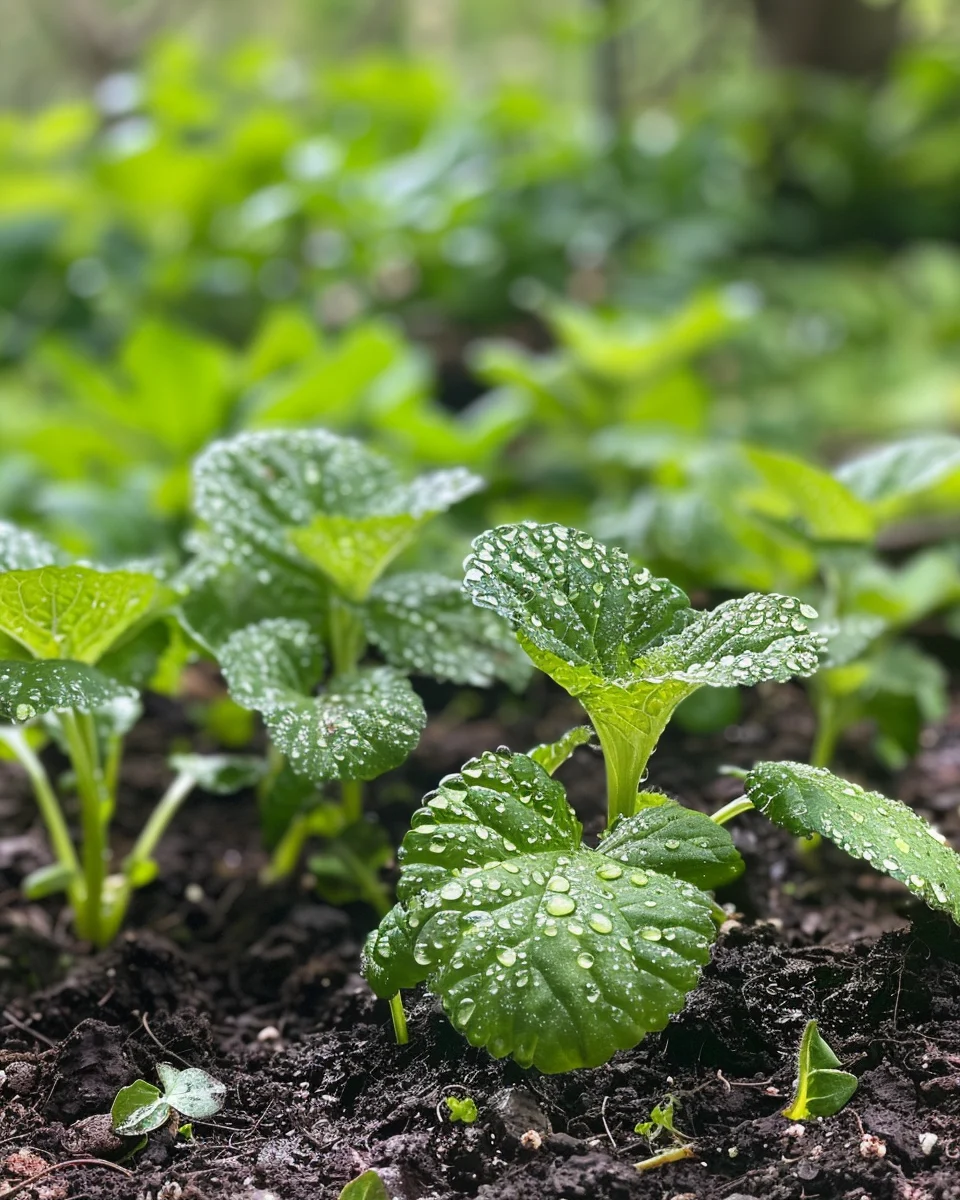
For cool-climate gardeners (Zones 3-6), begin implementing natural fertilization methods in early spring (March-April) as the soil thaws, with major compost applications in late fall (October-November). In warmer regions (Zones 7-10), apply compost in late winter (January-February) before spring planting and again in fall (September-October). Cover crops should be planted in fall for winter protection and turned under 3-4 weeks before spring planting. Green manures work best when planted immediately after summer harvests. For container gardens, refresh with compost monthly during the growing season regardless of climate.
Best Natural Fertilizer varieties to grow
- Homemade Compost – The gold standard of natural fertilizers, providing balanced nutrients while improving soil structure and microbial activity.
- Compost Tea – Liquid fertilizer that delivers immediate nutrients and beneficial microorganisms directly to plant roots and foliage.
- Worm Castings – Exceptionally rich in plant-available nutrients and enzymes that help prevent plant diseases.
- Cover Crops – Plants like clover, vetch, and rye that fix nitrogen, prevent erosion, and add organic matter when turned under.
- Green Manure – Fast-growing plants specifically grown to be tilled into the soil while still green, adding nutrients and organic matter.
- Mulched Leaves – Abundant, free source of carbon that improves soil structure and slowly releases nutrients as it breaks down.
- Wood Ash – Excellent source of potassium and calcium for fruiting plants, though should be used sparingly as it raises soil pH.
How to plant Without Store-Bought Fertilizer
Materials needed:
- Kitchen scraps (vegetable peels, coffee grounds, eggshells)
- Yard waste (leaves, grass clippings, small twigs)
- Compost bin or pile space
- Garden fork or shovel
- Watering can
- Cover crop seeds (optional)
- Mulch materials
Step-by-step process:
- Test your soil to understand its current nutrient profile and pH level, which guides what amendments you’ll need.
- Create a compost pile in a convenient location with alternating layers of green (nitrogen-rich) and brown (carbon-rich) materials.
- Turn your compost pile every 2-3 weeks to aerate it and speed decomposition.
- Apply finished compost as a 2-5 cm (1-2 inch) layer on garden beds before planting.
- Work the compost into the top 15 cm (6 inches) of soil using a garden fork.
- Plant your garden as usual, using the nutrient-rich soil you’ve created.
- Apply a 5-7 cm (2-3 inch) layer of organic mulch around plants to retain moisture and slowly add nutrients.
- Consider planting cover crops in unused areas or after harvest to continue building soil fertility.
- Water thoroughly after applying any amendments to help nutrients begin integrating with the soil.
How to grow Without Store-Bought Fertilizer
Sunlight requirements remain unchanged when using natural fertilizers – provide plants with their specific light needs. Water consistently but avoid overwatering, as healthy soil retains moisture better. Instead of synthetic fertilizers, apply compost tea bi-weekly during the growing season by steeping finished compost in water for 24-48 hours and applying the strained liquid to soil and foliage. Mulch heavily with organic materials like straw, leaves, or grass clippings to suppress weeds, retain moisture, and slowly feed the soil as they decompose. Practice crop rotation to prevent nutrient depletion. For container gardens, refresh with a thin layer of compost monthly and ensure adequate drainage. Prune and thin plants as needed, returning the trimmings to your compost pile. Support heavy plants with stakes or trellises made from natural materials like bamboo or branches from your yard.
Caring for a Garden Without Store-Bought Fertilizer
Ongoing tasks include monitoring soil moisture, which should be easier as organic-rich soil holds water better. Regularly add fresh organic matter to your compost pile and turn it to maintain decomposition. Watch for pests and diseases, addressing them with natural remedies like neem oil for insects or baking soda spray for fungal issues. Encourage beneficial insects by planting flowers like marigolds and alyssum. Harvest vegetables at their peak ripeness, when nutrient content is highest. After harvesting annual plants, chop the remains and add them to your compost or leave roots in the soil to decompose and create channels for air and water. For perennial plants, apply a fresh layer of compost around the base each spring and fall. Store harvested produce properly according to type – some in cool, dry places and others in refrigeration – to preserve the nutrients you’ve worked to cultivate.
Understanding bolting in Natural Gardening
Bolting occurs when plants quickly produce flowers and seeds before harvest, often making leaves bitter and tough. It’s typically triggered by heat stress, longer daylight hours, or other environmental stressors. In natural gardening systems, plants may be more resilient to bolting due to healthier root systems and better stress tolerance. Prevent bolting by planting heat-sensitive crops like lettuce and spinach in partial shade during summer, using row covers during hot periods, and ensuring consistent watering. If plants do bolt, allow a few to complete their lifecycle and collect the seeds for next season – they may gradually adapt to your local conditions. The remaining bolted plants can be added to compost, returning their nutrients to the system.
Why does My Garden Turn Bitter Without Store-Bought Fertilizer?
- Nutrient Imbalance – Even natural systems can become imbalanced; if plants taste bitter, your soil may need more balanced amendments or specific minerals like magnesium.
- Heat Stress – Natural gardening doesn’t prevent heat stress; use shade cloth during extreme heat and ensure consistent watering.
- Maturity Issues – Without synthetic growth boosters, some plants may mature differently; harvest at optimal times before bitterness develops.
- Variety Selection – Some varieties naturally contain more bitter compounds; choose naturally sweeter varieties better adapted to your climate.
- Pest Pressure – Plants produce bitter compounds when stressed by pests; strengthen your natural pest management with companion planting and beneficial insects.
Companion planting for Natural Fertilization
Good companions for a naturally fertilized garden include:
- Legumes (beans, peas) – Fix nitrogen from the air into the soil, benefiting heavy feeders planted nearby.
- Alliums (garlic, onions) – Repel many pests and their root exudates stimulate growth in companion plants.
- Marigolds – Repel nematodes and other soil pests while attracting pollinators.
- Comfrey – Deep roots mine nutrients from subsoil, and leaves make excellent compost activator or liquid fertilizer.
- Borage – Accumulates minerals, especially potassium, and attracts pollinators and beneficial insects.
Avoid planting near:
- Black Walnut Trees – Produce juglone, a natural growth inhibitor toxic to many garden plants.
- Heavy Feeders Together – Planting multiple nutrient-demanding crops together can deplete soil resources even in natural systems.
Seasonal calendar
- January-February: Plan garden layout, order seeds, continue composting kitchen scraps.
- March: Apply finished compost to beds, start seeds indoors, chop and incorporate cover crops.
- April-May: Plant cool-season crops, apply compost tea bi-weekly, mulch newly planted areas.
- June-July: Harvest early crops, succession plant, apply compost tea to fruiting plants, maintain mulch layers.
- August: Harvest summer crops, collect seeds, prepare areas for fall planting with compost.
- September-October: Plant fall crops and cover crops, collect leaves for composting and mulch.
- November: Final harvests, apply compost to perennial beds, mulch heavily for winter.
- December: Review garden journal, plan improvements, continue composting kitchen waste.
For warmer regions (Zones 8-10), extend growing seasons and composting activities year-round. For cooler regions (Zones 3-5), compress activities into the shorter growing season and protect compost piles from extreme cold.
Problems & solutions
| Problem | Quick Fix |
|---|---|
| Slow compost decomposition | Add nitrogen-rich materials (grass clippings, coffee grounds) and turn pile more frequently |
| Yellowing leaves despite compost use | Apply compost tea foliar spray which provides immediate nutrients; soil may need more time to release nutrients |
| Stunted growth in heavy feeders | Side-dress with worm castings or aged manure specifically around these plants |
| Compost pile smells bad | Too much nitrogen/moisture; add more carbon materials (leaves, straw, paper) and turn pile |
| Pest infestation despite healthy soil | Introduce beneficial insects, apply neem oil, and increase biodiversity with companion planting |
| Soil remains compacted | Grow deep-rooted cover crops like daikon radish to break up soil naturally |
Common questions about growing Without Store-Bought Fertilizer
Q: How long does it take to see results when switching to natural fertilization methods?
A: You’ll likely notice improved soil structure within one season, but building truly rich soil can take 2-3 years of consistent practices. Be patient – the long-term benefits are worth it.
Q: Can I grow heavy feeders like tomatoes without commercial fertilizers?
A: Absolutely! Heavy feeders thrive with compost, worm castings, and targeted applications of compost tea during fruiting. Plant them where legumes grew previously for extra nitrogen.
Q: How much compost should I apply to my garden beds?
A: Apply a 2-5 cm (1-2 inch) layer of finished compost to beds annually, working it into the top 15 cm (6 inches) of soil. Container gardens may need monthly refreshing with a thinner layer.
Q: Will my plants get enough nutrients without store-bought fertilizer?
A: Yes, when properly implemented, natural methods provide complete nutrition. Diverse compost ingredients ensure balanced nutrients, often in more plant-available forms than synthetic alternatives.
Q: How do I fertilize naturally during the growing season?
A: Use compost tea bi-weekly, mulch with grass clippings or leaves, and side-dress with compost around heavy feeders. Foliar sprays of diluted compost tea provide quick nutrient boosts.
Q: Can I convert my lawn clippings into fertilizer?
A: Yes! Either compost them first (mix with brown materials to prevent matting) or use thin layers as mulch around plants. Ensure clippings haven’t been treated with herbicides.
Q: How do I know if my natural fertilization is working?
A: Look for dark, crumbly soil with earthworm activity, strong plant growth, disease resistance, and vibrant produce. Soil tests can confirm nutrient levels are improving over time.