
Why Most Gardeners Fail Before They Even Start: Common Mistakes, Prevention Tips & Success Strategies
Intro for Why Most Gardeners Fail Before They Even Start
Gardening should be a rewarding journey, yet many enthusiasts find themselves frustrated before their first seedlings even emerge. Understanding the common pitfalls that lead to early gardening failure is essential for long-term success. Whether you’re planning a vegetable patch, flower garden, or container display, the same fundamental principles apply across most temperate regions. The good news is that most gardening failures stem from predictable and preventable mistakes. By identifying these issues early and implementing simple corrective strategies, you can transform potential disappointment into thriving garden spaces that provide years of enjoyment, fresh produce, and connection with nature.
When to plant Why Most Gardeners Fail Before They Even Start
One of the most common reasons gardeners fail is improper timing. In temperate regions, understanding your local frost dates is crucial. Spring planting should generally begin after the last frost date (soil temperatures reaching 10-15°C/50-60°F), while fall gardens should be established with enough time to mature before the first frost. Many beginners rush to plant too early when soil is still cold, leading to poor germination, or plant too late, resulting in crops that don’t mature before season’s end. Regional climate variations significantly impact timing – Mediterranean climates allow for longer growing seasons than northern temperate zones, where gardeners must work within tighter windows.
Best time to plant Why Most Gardeners Fail Before They Even Start
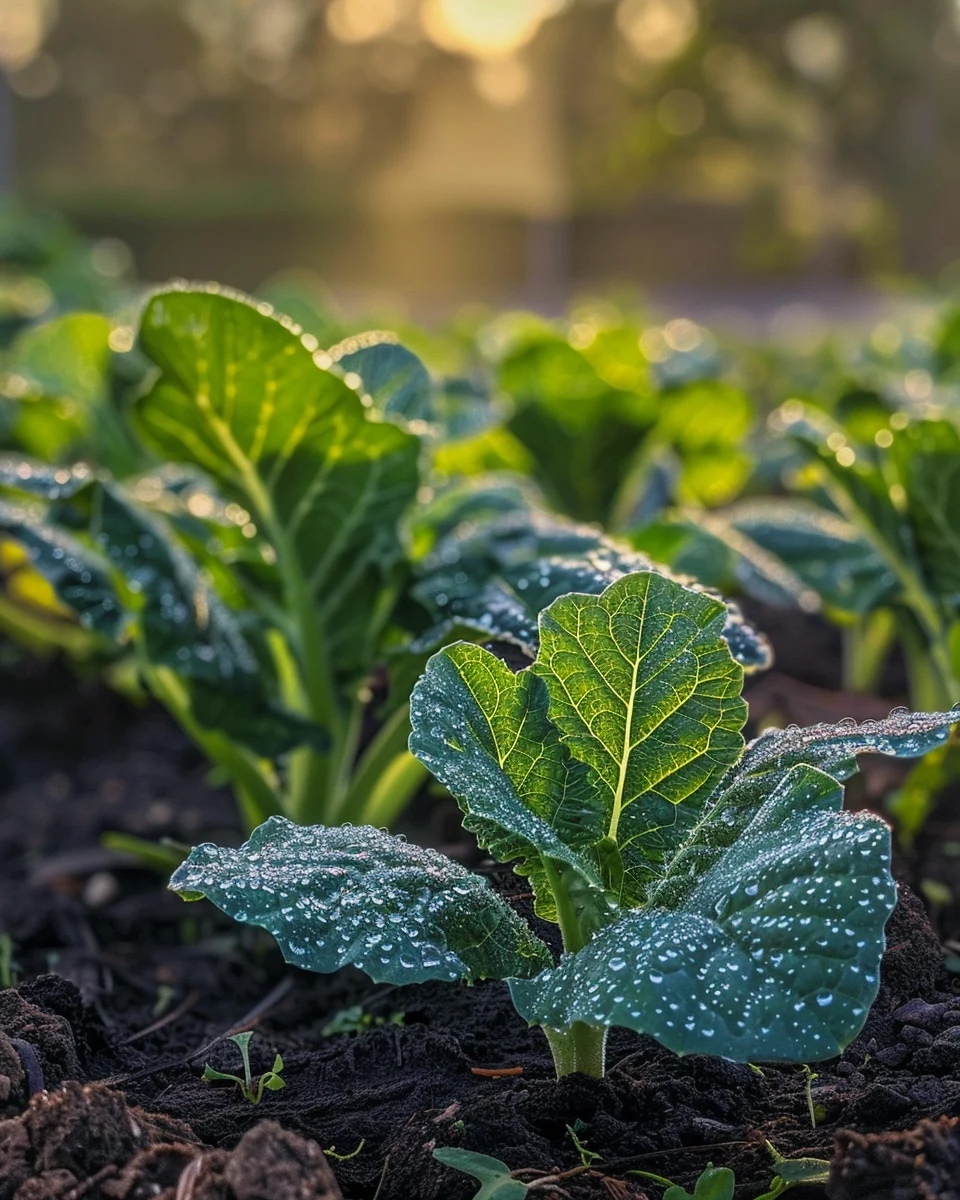
Successful gardening requires aligning your planting schedule with your specific climate conditions. In cool-climate regions (US Zones 3-5, UK northern areas), wait until mid-to-late spring (April-May) for most plantings when soil has properly warmed. Warm-climate gardeners (US Zones 8-10, Mediterranean regions) often benefit from two primary planting windows: February-April for spring gardens and August-September for fall gardens, avoiding the intense summer heat. For direct-sown seeds, soil temperature is more important than calendar date – most vegetable seeds need soil temperatures between 18-24°C (65-75°F) for optimal germination. Transplants generally establish better when temperatures are moderate and spring rains are reliable.
Best Why Most Gardeners Fail Before They Even Start varieties to grow
Choosing appropriate plant varieties for your specific conditions is critical to avoiding early failure:
• ‘Beginner’s Luck’ vegetable collections – Specially curated seed mixes with varieties known for reliability and forgiveness for new gardeners.
• ‘Fool-proof’ perennials like daylilies, hostas, and black-eyed Susans – Establish easily with minimal care requirements.
• ‘Container-friendly’ varieties – Compact plants bred specifically for space-limited gardening with clear growing instructions.
• ‘Regional winners’ – Plants specifically tested and recommended for your local climate conditions by extension services.
• ‘Disease-resistant’ cultivars – Varieties bred to withstand common local pathogens, reducing the need for intervention.
• ‘Low-maintenance’ options – Plants requiring minimal pruning, deadheading, or specialized care.
• ‘Quick-harvest’ vegetables – Fast-maturing crops that provide early success and confidence for beginners.
• ‘Weather-tolerant’ selections – Plants bred to withstand temperature fluctuations and climate extremes in your region.
How to plant Why Most Gardeners Fail Before They Even Start
Materials list:
– Soil test kit
– Quality compost or organic matter
– Appropriate fertilizer based on soil test
– Garden gloves
– Trowel or garden fork
– Watering can or hose with adjustable nozzle
– Plant labels
– Garden journal
– Mulch material (straw, wood chips, etc.)
– Reference materials specific to your plants
Step-by-step:
1. Test your soil before planting to understand pH and nutrient levels – most garden failures stem from poor soil conditions.
2. Prepare your site by removing weeds, rocks, and debris that will compete with or obstruct plant growth.
3. Improve soil structure by incorporating 2-3 inches (5-7 cm) of quality compost, working it into the top 6-8 inches (15-20 cm) of soil.
4. Plan proper spacing between plants – overcrowding leads to competition for resources and increased disease pressure.
5. Plant at the correct depth – a common mistake is planting too deep or too shallow (general rule: plant at same depth as nursery container).
6. Water thoroughly after planting to eliminate air pockets and help roots establish contact with soil.
7. Apply 2-3 inches (5-7 cm) of mulch around (but not touching) plant stems to conserve moisture and suppress weeds.
8. Label all plantings with variety name and planting date for future reference.
9. Record your planting details in a garden journal to track successes and failures.
10. Create a maintenance schedule based on specific plant needs rather than generic advice.
How to grow Why Most Gardeners Fail Before They Even Start
Sunlight requirements are frequently misjudged by new gardeners – most vegetables need 6-8 hours of direct sunlight, while many ornamentals have specific light preferences that must be matched to your site conditions. Develop a consistent watering schedule based on plant needs and soil conditions rather than calendar dates – most plants prefer deep, infrequent watering over frequent shallow irrigation. Fertilize appropriately based on soil test results and plant requirements – both over and under-fertilizing lead to problems. Apply mulch to maintain soil moisture and temperature while suppressing weeds. Understand the specific pruning or thinning requirements for your plants – improper pruning is a common cause of poor performance. For container gardening, use appropriately sized containers with drainage holes, quality potting mix (not garden soil), and recognize that containers require more frequent watering and fertilizing than in-ground plantings.
Caring for Why Most Gardeners Fail Before They Even Start
Establish a regular monitoring routine to catch problems early – walk your garden at least weekly to observe changes. Watch for common pest indicators like holes in leaves, sticky residue, or discolored foliage, treating problems promptly with the least toxic effective solution. Disease prevention is easier than cure – maintain good air circulation, avoid overhead watering, and remove affected plant material promptly. Practice crop rotation for vegetables to prevent soil-borne disease buildup. Harvest at optimal times based on plant type – many beginners either harvest too early (reducing yield) or too late (affecting quality). For storage, understand the specific requirements of different plants – some prefer cool/dry conditions while others need cool/humid environments. Maintain garden tools properly to prevent spreading diseases between plants.
Understanding bolting in Why Most Gardeners Fail Before They Even Start
Bolting refers to premature flowering and seed production, particularly in leafy vegetables, making them bitter and unpalatable. Primary triggers include sudden temperature changes (especially heat spikes above 27°C/80°F), increasing day length (photoperiod sensitivity), transplant shock, and water stress. Prevent bolting by selecting bolt-resistant varieties, planting at appropriate times (early spring or fall for cool-season crops), providing consistent moisture, and using shade cloth during heat waves. If bolting begins, harvest immediately for best flavor, consider succession planting to ensure continuous harvest, and note the timing for better planning next season. Some plants like lettuce and spinach are particularly bolt-prone, requiring extra attention to timing and temperature management.
Why does Why Most Gardeners Fail Before They Even Start turn bitter?
• Improper plant selection – Choosing varieties unsuited to your climate sets up inevitable failure
• Unrealistic expectations – Beginning with overly complex or demanding plants without necessary experience
• Inadequate soil preparation – Skipping soil testing and amendment leads to nutrient deficiencies or imbalances
• Inconsistent care – Irregular watering, fertilizing, or maintenance creates stress that weakens plants
• Ignoring local conditions – Following generic advice rather than adapting to your specific microclimate
Companion planting for Why Most Gardeners Fail Before They Even Start
Good companions for new gardeners include:
• Marigolds – Repel many garden pests and add cheerful color to vegetable gardens
• Nasturtiums – Attract aphids away from valuable crops while providing edible flowers
• Herbs like basil and mint – Deter certain pests while providing additional harvests
• Onions and garlic – Discourage many insect pests with their strong scent
• Clover as ground cover – Fixes nitrogen in soil while suppressing weeds
Avoid planting near:
• Aggressive spreaders like mint without barriers – Can quickly overtake garden beds
• Plants with vastly different water requirements in the same area – Creates impossible care situations
• Allelopathic plants like black walnut trees – Release chemicals that inhibit growth of many garden plants
Seasonal calendar
• January-February: Plan garden layout, order seeds, clean and organize tools, test soil
• March: Start seeds indoors (cool regions), prepare garden beds, apply compost
• April: Last frost preparations, harden off seedlings, direct sow cool-season crops
• May: Plant warm-season crops after frost danger passes, establish watering routines
• June: Monitor for pests, thin seedlings, provide support for climbing plants
• July: Maintain regular watering during heat, succession plant for fall harvests
• August: Begin fall garden preparations, order fall bulbs, evaluate summer successes
• September: Plant cool-season crops for fall, divide perennials, collect seeds
• October: Plant spring-flowering bulbs, prepare tender plants for winter
• November: Final harvests, soil amendments, mulch perennial beds
• December: Garden review and planning for next season, tool maintenance
Hot regions: Shift spring planting earlier (February-March) and extend fall planting later (October-November)
Cool regions: Delay spring planting (May) and begin fall preparations earlier (August)
Problems & solutions
| Problem | Quick Fix |
|---|---|
| Plants failing to thrive despite care | Test soil pH and nutrients, then amend accordingly |
| Seedlings dying shortly after emergence | Check for damping off disease; improve air circulation and reduce watering frequency |
| Plants growing but not producing | Verify pollination requirements and sunlight adequacy (minimum 6 hours for most fruiting plants) |
| Constant battle with weeds | Apply 2-3 inches of mulch and use landscape fabric for persistent areas |
| Plants wilting despite watering | Check for root damage, improve drainage, or treat for possible root disease |
| Overwhelmed by garden size | Scale back and focus on mastering a smaller area before expanding |
| Conflicting advice causing confusion | Consult local extension service for region-specific guidance |
Common questions about growing Why Most Gardeners Fail Before They Even Start
How often should I water my garden?
Water deeply but infrequently (typically 1-2 times weekly) rather than daily shallow watering, adjusting for rainfall, temperature, soil type, and plant maturity. Most plants prefer soil that dries slightly between waterings.
Can I start a garden in partial shade?
Yes, but select appropriate plants. Leafy greens, herbs, and some flowering perennials tolerate 4-6 hours of sunlight, while fruiting plants generally require 6-8 hours minimum.
What’s the minimum container size for growing vegetables?
Most vegetables need at least 12 inches (30 cm) depth and 12-inch (30 cm) diameter, with larger plants like tomatoes requiring 5-gallon (20-liter) containers minimum. Inadequate container size is a common reason for failure.
How do I know if I’m over or under-fertilizing?
Over-fertilized plants show burned leaf edges, excessive foliage with poor flowering/fruiting, and salt buildup on soil. Under-fertilized plants display yellowing leaves, stunted growth, and poor production. Soil testing provides the most accurate guidance.
Why do my plants look different from catalog pictures?
Catalog photos represent ideal conditions and mature specimens. Adjust expectations for your climate, soil conditions, and plant maturity timeline. First-year perennials rarely match catalog images.
Is it better to start with seeds or plants?
Beginners often have more success with established plants for longer-season crops like tomatoes and peppers, while direct-sown seeds work well for fast-growing crops like lettuce and radishes. Start with some of each to build different skills.
How do I know when I’ve watered enough?
Water should penetrate 6-8 inches (15-20 cm) deep for most plants. Test by digging a small hole after watering to check moisture depth. If water runs off before soaking in, apply more slowly or in multiple sessions.