
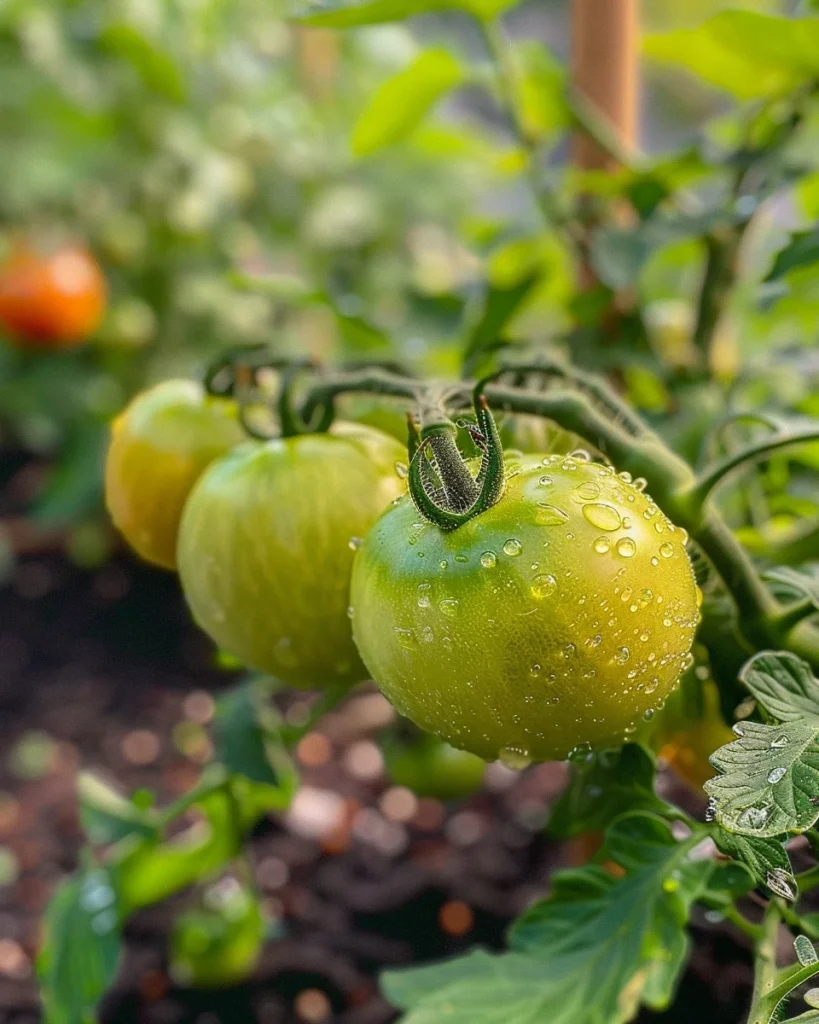
How to Grow Tomatoes on Your Apartment Balcony: Lessons Learned, Best Varieties & Care Tips
Intro for Growing Tomatoes on an Apartment Balcony
Growing tomatoes on an apartment balcony transformed my urban gardening experience. Despite limited space, I discovered that tomatoes thrive in containers with proper care and attention. These versatile fruits offer incredible flavor that store-bought varieties simply can’t match, plus the satisfaction of growing your own food in a small space. My balcony garden became not just a source of fresh produce but a learning laboratory and peaceful retreat. Whether you have a sunny balcony, patio, or small terrace, you can successfully grow tomatoes in containers. This guide shares my hard-earned lessons and practical tips for cultivating thriving tomato plants in urban spaces.
When to plant Tomatoes on Your Balcony
Timing is crucial for balcony tomatoes. Plant after all danger of frost has passed and nighttime temperatures consistently stay above 10°C (50°F). In most temperate regions, this falls between late April and early June. Soil temperature should reach at least 16°C (60°F) for optimal germination and growth. For balcony gardeners, this often means starting a few weeks later than ground gardeners, as containers are more susceptible to temperature fluctuations. If you’re in zones 7-9, you can typically start earlier, while those in zones 3-5 should wait until late spring to ensure warm enough conditions.
Best time to plant Tomatoes on Your Balcony
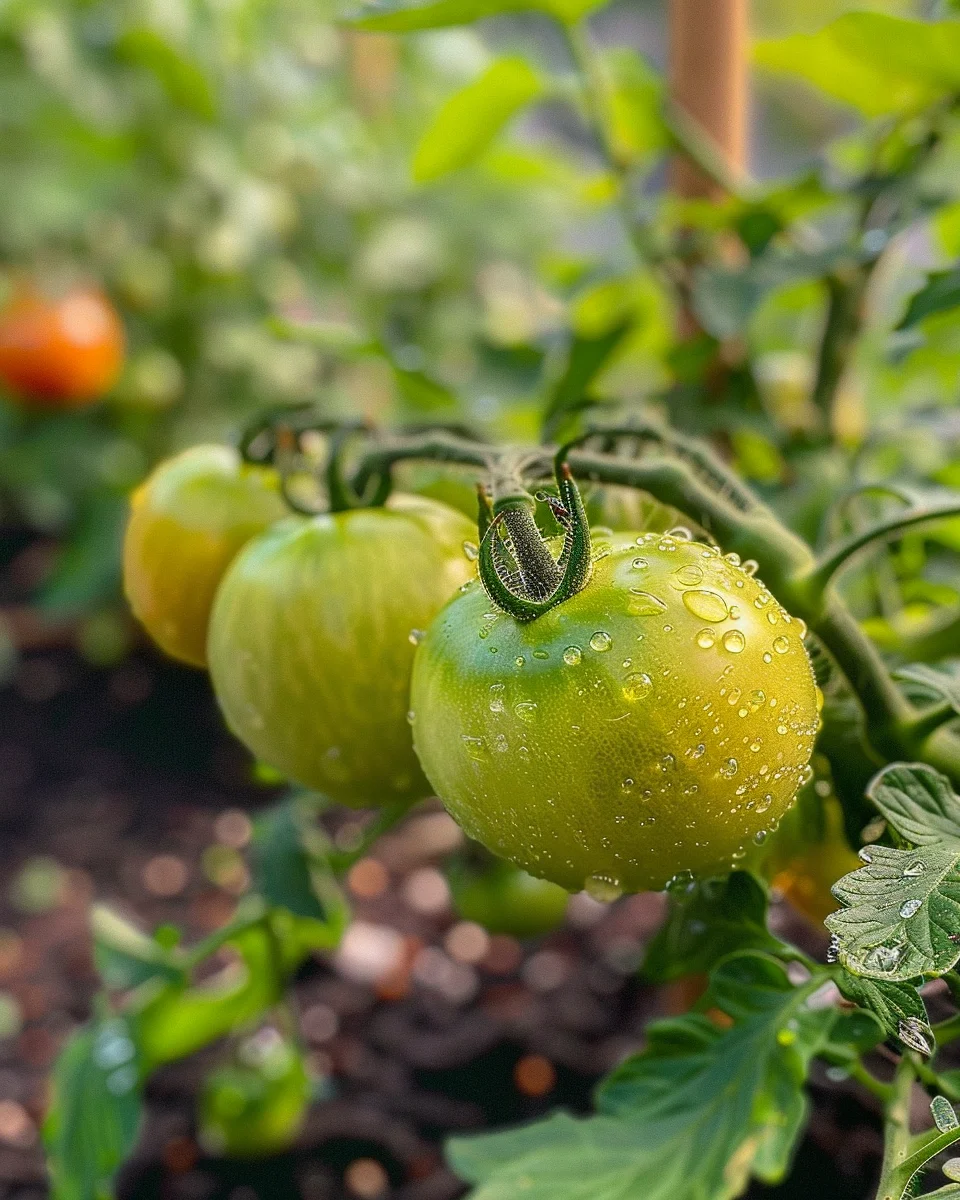
For most temperate climates, mid-May to early June provides the ideal planting window for balcony tomatoes. In warmer regions (zones 8-10), you can start in April, while cooler areas (zones 3-6) should wait until late May or early June. I found that starting seedlings indoors 6-8 weeks before your last frost date gives them a significant head start. Transplant young plants to your balcony containers once nighttime temperatures remain above 10°C (50°F) consistently. For fall harvests in warm climates, consider a second planting in July or August.
Best Tomato varieties to grow on Balconies
After experimenting with numerous varieties, these performed exceptionally well in my balcony containers:
• ‘Tumbling Tom’ – Compact, cascading growth perfect for hanging baskets with prolific cherry-sized fruits.
• ‘Patio Princess’ – Determinate variety reaching only 60cm (24in) tall while producing full-sized fruits.
• ‘Balcony Yellow’ – Produces sweet, yellow cherry tomatoes on compact plants ideal for railing planters.
• ‘Tiny Tim’ – Ultra-compact plants (30cm/12in) that produce abundant cherry tomatoes in small pots.
• ‘Bush Early Girl’ – Determinate variety that delivers full-sized tomatoes early in the season on compact plants.
• ‘Micro Tom’ – The world’s smallest tomato plant (20cm/8in), perfect for windowsills and tiny spaces.
• ‘Balconi Red’ – Compact plants with cascading growth habit and sweet red cherry tomatoes.
• ‘Container Choice Red’ – Bred specifically for container growing with disease resistance and good yields.
How to plant Tomatoes on Your Balcony
Materials list:
• Containers (minimum 30cm/12in diameter, 30cm/12in deep)
• High-quality potting mix with compost
• Tomato seedlings or seeds
• Slow-release organic fertilizer
• Watering can
• Support stakes or cages
• Saucer or drip tray
• Garden gloves
Step-by-step:
1. Select containers with drainage holes that are at least 30cm (12in) deep and wide for determinate varieties, and 45-60cm (18-24in) for indeterminate varieties.
2. Fill containers with high-quality potting mix designed for vegetables, leaving 5cm (2in) of space at the top.
3. Mix in a handful of slow-release organic fertilizer to provide nutrients throughout the growing season.
4. Dig a hole deep enough that two-thirds of the tomato seedling stem can be buried (this encourages additional root growth).
5. Remove the seedling from its nursery pot, gently loosen the roots, and place it in the hole.
6. Backfill with soil, burying the stem up to just below the lowest set of leaves.
7. Water thoroughly until water drains from the bottom of the container.
8. Install support stakes or cages at planting time to avoid damaging roots later.
9. Position containers in your sunniest balcony location, ensuring they receive at least 6 hours of direct sunlight.
10. Place saucers under containers to catch water runoff and protect your balcony surface.
How to grow Tomatoes on Your Balcony
Balcony tomatoes need at least 6-8 hours of direct sunlight daily – I found south or west-facing balconies work best. Water consistently when the top 2.5cm (1in) of soil feels dry, typically every 1-2 days during hot weather as containers dry out faster than garden soil. During peak growing season, supplement with liquid tomato fertilizer every two weeks. Apply a 2.5cm (1in) layer of mulch to retain moisture and regulate soil temperature. For indeterminate varieties, regularly prune suckers (the shoots that form between the main stem and branches) to focus energy on fruit production. Secure plants to stakes or cages as they grow to prevent stem breakage from wind or heavy fruit. For container growing, I discovered that self-watering containers significantly reduced maintenance and improved results, especially during heat waves when balconies can become extremely hot.
Caring for Tomatoes on Your Balcony
Monitor soil moisture daily, as balcony containers can dry out quickly, especially on hot, windy days. Watch for common pests like aphids and whiteflies – treat early infestations with insecticidal soap or neem oil spray. Blossom end rot (dark, sunken spots on fruit bottoms) indicates calcium deficiency, often caused by inconsistent watering – maintain even soil moisture and consider a calcium supplement. Prevent fungal diseases by watering at the base of plants and ensuring good air circulation. Harvest tomatoes when they’re fully colored and slightly soft to touch. For cherry varieties, I found harvesting every 2-3 days during peak season necessary. Store ripe tomatoes at room temperature for best flavor – never refrigerate unless they’re overripe, as cold temperatures diminish flavor.
Understanding bolting in Tomatoes
Unlike leafy greens, tomatoes don’t bolt in the traditional sense. However, they can experience stress responses that affect fruit production. Heat stress occurs when temperatures consistently exceed 32°C (90°F), causing flowers to drop and fruit set to fail. Prevent this by providing afternoon shade during heatwaves and using light-colored containers to reduce soil temperature. Water stress from inconsistent irrigation can cause fruit splitting or blossom drop – maintain even soil moisture with regular watering and mulch. If your plants stop producing during extreme heat, continue regular care; they’ll often resume flowering when temperatures moderate in late summer.
Why does my Balcony Tomato plant turn bitter?
Bitter-tasting tomatoes can result from several factors:
• Insufficient sunlight – tomatoes need 6+ hours of direct sun for proper sugar development
• Inconsistent watering – drought stress followed by heavy watering causes flavor issues
• Excessive nitrogen fertilizer – promotes lush foliage at the expense of fruit flavor
• High temperatures – extended heat above 32°C (90°F) affects flavor compounds
• Harvesting too early – allow fruits to fully ripen on the vine for best flavor
Companion planting for Balcony Tomatoes
Strategic companion planting maximizes your balcony space and improves tomato health:
Beneficial companions:
• Basil – repels flies and mosquitoes while improving tomato flavor
• Marigolds – deter nematodes and other pests with their strong scent
• Nasturtiums – attract aphids away from tomatoes and add edible flowers to your balcony
• Chives – deter aphids and improve flavor
• Carrots – grow well in deeper containers alongside tomatoes, utilizing vertical space efficiently
Avoid planting near:
• Fennel – inhibits tomato growth
• Brassicas (cabbage, broccoli) – compete for nutrients and may stunt tomato growth
• Potatoes – can transmit similar diseases to tomatoes
Seasonal calendar
February-March: Start seeds indoors under grow lights (6-8 weeks before last frost)
April: Harden off seedlings by gradually exposing to outdoor conditions; prepare containers
May: Transplant seedlings to balcony containers after last frost; install supports
June: Monitor water needs closely as temperatures rise; begin regular feeding program
July-August: Maintain consistent watering; harvest early varieties; provide shade during extreme heat
September: Continue harvesting; reduce fertilizer for late-season plants
October: Harvest remaining fruits before first frost; green tomatoes can ripen indoors
November: Clean and store containers and supports for next season
For warmer regions (zones 9-10): Extend growing season into winter or consider a fall planting.
For cooler regions (zones 3-5): Start seeds later and be prepared to bring containers inside during early/late season cold snaps.
Problems & solutions
Problem | Quick Fix
— | —
Leggy, stretched plants | Move to a sunnier location; provide support; avoid over-fertilizing
Yellowing lower leaves | Normal aging; remove affected leaves; check for consistent watering
Flowers dropping without forming fruit | Improve pollination by gently shaking plants; ensure temperatures aren’t too high
Cracked fruits | Maintain consistent watering schedule; harvest fruits slightly earlier
Leaf curl | Check for pests; ensure adequate watering; provide afternoon shade during heat waves
White spots on leaves | Likely powdery mildew; improve air circulation; apply organic fungicide
Container soil drying too quickly | Add mulch layer; consider self-watering containers; group plants together
Common questions about growing Tomatoes on Your Balcony
How often should I water my balcony tomatoes?
Check soil moisture daily and water when the top 2.5cm (1in) feels dry. During hot summer days, this might mean daily watering, while cooler periods may require watering every 2-3 days.
What size container do balcony tomatoes need?
Use containers at least 30cm (12in) in diameter and depth for determinate varieties. Indeterminate varieties perform better in larger 45-60cm (18-24in) containers. Ensure all containers have drainage holes.
Can I grow tomatoes on a north-facing balcony?
Tomatoes need 6-8 hours of direct sunlight. North-facing balconies typically receive insufficient light for tomatoes. Consider cherry varieties if you receive at least 4-5 hours of bright, indirect light.
How do I support tomato plants in containers?
Install stakes, cages, or trellises at planting time. For determinate varieties, a small cage works well. Indeterminate types need taller supports (at least 1.5m/5ft) that can be secured to your balcony railing.
When should I fertilize my balcony tomatoes?
Apply slow-release fertilizer at planting time, then supplement with liquid tomato fertilizer every two weeks once plants begin flowering. Reduce fertilizing in late season to avoid excessive foliage growth.
How can I grow tomatoes on a windy balcony?
Position containers in protected corners, use heavy ceramic pots that won’t tip over, install sturdy supports, and consider creating windbreaks with decorative screens or taller companion plants.
Can I overwinter tomato plants on my balcony?
In zones 9-10, some tomato varieties can survive winter. In most regions, tomatoes are treated as annuals. You can try bringing containers indoors to a sunny window, but results vary widely depending on light conditions.