

How to Grow Endless Blueberries: A Complete Guide to Growing Them Anywhere
Intro for Growing Endless Blueberries
Blueberries are among the most rewarding fruits to grow at home, offering bountiful harvests of nutritious berries for years with proper care. These versatile shrubs can thrive in gardens, containers, and even hanging baskets, making them accessible to gardeners with limited space. Rich in antioxidants and vitamin C, homegrown blueberries deliver superior flavor compared to store-bought varieties. While traditionally associated with acidic woodland soils, modern growing techniques and variety selection mean you can successfully cultivate blueberries in almost any climate or setting—from balconies to backyards. With the right approach, you can enjoy a continuous supply of these delicious berries throughout the growing season.
When to plant Blueberries
Blueberries are best planted during their dormant period, which typically falls between late autumn and early spring. In most temperate regions, the ideal soil temperature for planting ranges between 10-15°C (50-60°F). Planting during this period allows the roots to establish before the stress of summer heat or winter cold. In colder regions (USDA zones 3-5), spring planting is preferable once the soil has thawed but before new growth begins. In warmer areas (zones 7-10), fall planting gives plants time to establish roots during milder winter conditions. Avoid planting during periods of extreme temperature, whether hot or cold, as this can stress young plants and reduce establishment success.
Best time to plant Blueberries
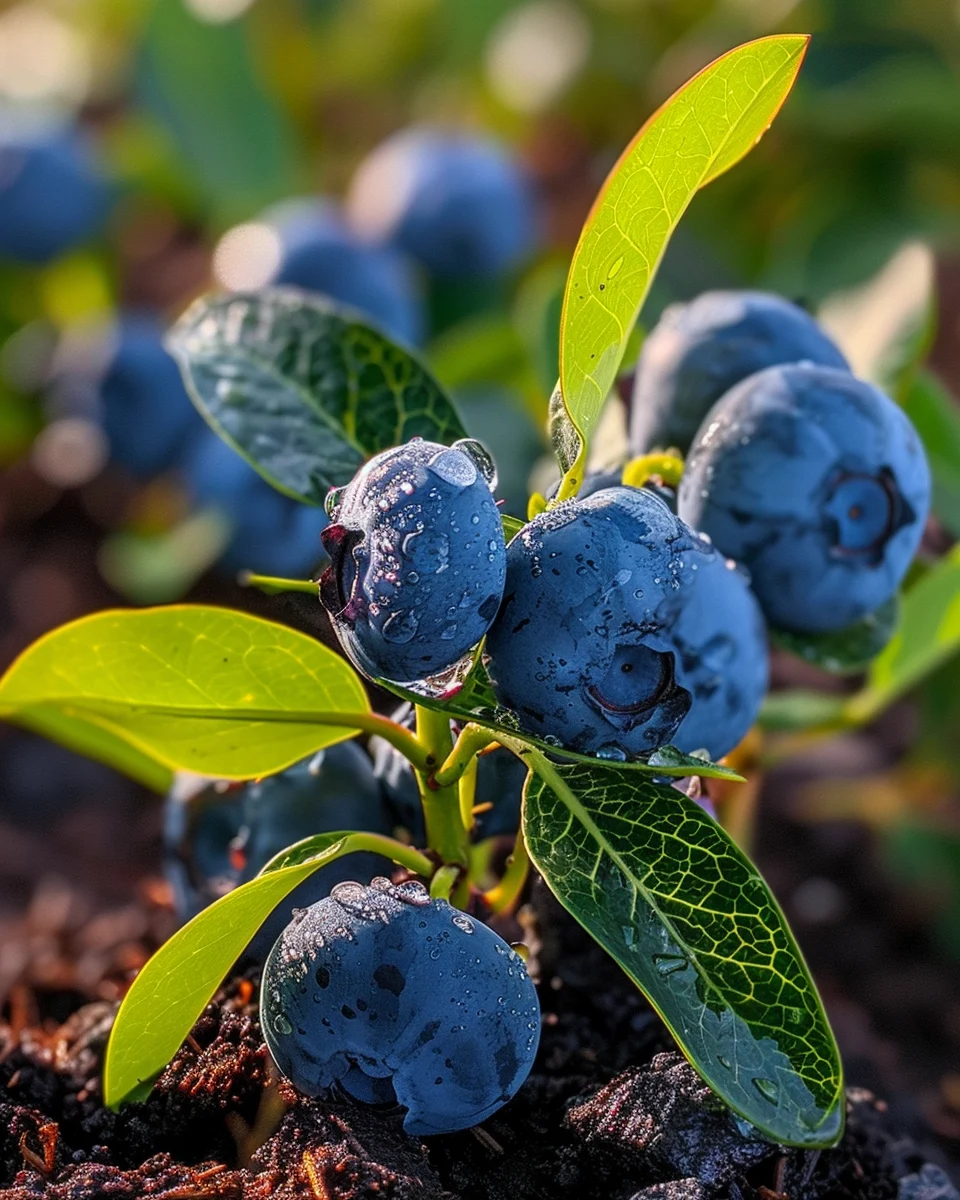
For cool-climate regions (UK, Northern US, Canada), the optimal planting window is March to early May, when soil has warmed but before summer heat arrives. In warmer regions (Southern US, Mediterranean), October to December offers ideal conditions for establishment before summer. Container-grown blueberries can be planted year-round in most climates, though avoiding the height of summer is advisable. Bare-root plants should only be planted during dormancy (November to March). For maximum success in all regions, aim to plant on an overcast day or in the late afternoon to minimize transplant shock, and ensure consistent moisture for the first few weeks after planting.
Best Blueberry varieties to grow
- Patriot – Extremely cold-hardy (to -29°C/-20°F) with large berries and excellent disease resistance, perfect for northern gardeners.
- Sunshine Blue – Semi-evergreen dwarf variety (3-4 feet) that’s self-pollinating and tolerates higher pH soils, ideal for containers and small spaces.
- Pink Lemonade – Unique pink berries with a sweeter, less acidic flavor; tolerates warmer climates and partial shade.
- Northland – Compact bush (3-4 feet) producing smaller, exceptionally sweet berries with excellent cold tolerance.
- Chandler – Produces the largest berries of any variety with an extended harvest period of up to six weeks.
- Top Hat – Ultra-compact (under 2 feet) variety perfect for containers and small spaces, producing full-sized berries.
- Legacy – Exceptional flavor with high disease resistance and tolerance for various soil conditions; produces berries over a long season.
How to plant Blueberries
Materials needed:
- Blueberry plants (preferably 2-3 year old plants)
- Acidic potting mix or garden soil amended with peat moss
- Soil pH tester
- Sulfur or aluminum sulfate (to lower pH if needed)
- Compost or aged pine bark
- Pine needle or acidic mulch
- Watering can or hose with gentle spray
- Garden spade and fork
Step-by-step planting instructions:
- Test your soil pH – blueberries require acidic soil with a pH between 4.5-5.5. If your soil is above 5.5, amend with sulfur or peat moss following package directions.
- Select a planting location with full sun (minimum 6 hours daily) and good drainage. In hotter regions, afternoon shade is beneficial.
- Dig a hole twice as wide and equally as deep as the root ball (typically 18-24 inches/45-60 cm wide).
- Mix the removed soil with equal parts peat moss and compost to improve acidity and organic matter content.
- Remove the plant from its container, gently loosen the roots, and place it in the hole with the top of the root ball level with or slightly above the soil surface.
- Backfill with your amended soil mixture, firming gently around the roots to eliminate air pockets.
- Create a slight basin around the plant to hold water during irrigation.
- Water thoroughly until the soil is evenly moist but not soggy.
- Apply a 2-3 inch (5-7 cm) layer of pine needle mulch, pine bark, or acidic compost, keeping it a few inches away from the stem.
- For container planting, use a pot at least 18 inches (45 cm) in diameter with drainage holes, filled with acidic potting mix specifically formulated for acid-loving plants.
How to grow Blueberries
Blueberries thrive in full sun, requiring at least 6 hours of direct sunlight daily for optimal fruit production. In hotter regions, providing afternoon shade can prevent leaf scorch. Maintain consistently moist soil, providing 1-2 inches (2.5-5 cm) of water weekly, increasing during fruit development and hot weather. Use drip irrigation or soaker hoses to keep foliage dry and reduce disease risk.
Fertilize sparingly with acid-loving plant fertilizer (like those formulated for rhododendrons) in early spring when growth begins and again after flowering. Avoid high-nitrogen fertilizers which promote leafy growth at the expense of fruit. Refresh mulch annually with pine needles, pine bark, or acidic compost to maintain soil acidity and moisture.
Prune blueberries during late winter dormancy, removing dead or damaged wood, crossing branches, and any stems older than 6 years. For container-grown blueberries, use pots at least 18 inches (45 cm) in diameter with acidic potting mix, and plan to repot every 2-3 years. Most blueberry varieties require cross-pollination, so plant at least two different varieties within 100 feet (30 meters) of each other for best fruit production, even if growing in containers.
Caring for Blueberries
Ongoing maintenance for blueberries includes maintaining soil acidity with yearly applications of sulfur or acidic fertilizers as needed based on pH testing. Monitor soil moisture carefully, as blueberries have shallow root systems that are sensitive to both drought and waterlogging. Apply a fresh layer of acidic mulch each spring to conserve moisture and gradually improve soil structure.
Common pests include birds (deter with netting), blueberry maggot flies (use sticky traps), and spotted wing drosophila (maintain good sanitation). Disease issues include mummy berry (remove infected berries and apply organic fungicide), powdery mildew (improve air circulation), and root rot (ensure proper drainage). For organic control, neem oil addresses many insect problems, while copper-based fungicides help with fungal diseases.
Harvest berries when they turn completely blue with a slight dusty appearance and detach easily from the stem—typically 2-5 days after turning blue. Pick by gently rolling berries between your fingers rather than pulling. Fresh berries can be refrigerated for up to two weeks or frozen for long-term storage.
Understanding bolting in Blueberries
Unlike annual vegetables, blueberries don’t bolt in the traditional sense. However, they can experience stress responses that affect fruit production and quality. Environmental stressors like extreme heat, drought, or sudden temperature fluctuations can cause blueberries to abort fruit development or produce smaller, less flavorful berries. This stress response is the plant’s way of conserving energy during unfavorable conditions.
To prevent stress-related fruit drop or quality issues, maintain consistent soil moisture, especially during fruit development. Provide shade during extreme heat events using shade cloth or portable structures. Mulch heavily to moderate soil temperature fluctuations and preserve moisture. If your plants show signs of stress (wilting, yellowing leaves, premature fruit drop), increase watering frequency and consider applying a diluted seaweed extract to help them recover.
Why does Blueberry growth stunt or fruit turn small?
- Incorrect soil pH – Blueberries require acidic soil (pH 4.5-5.5); higher pH causes nutrient deficiencies visible as yellowing leaves and poor fruit development. Test soil annually and amend with sulfur as needed.
- Insufficient pollination – Poor fruit set often results from inadequate cross-pollination. Plant at least two different blueberry varieties nearby or hand-pollinate with a small brush in container settings.
- Nutrient deficiencies – Iron chlorosis (yellowing between leaf veins) is common in non-acidic soils; apply chelated iron and acidify soil. Magnesium deficiency causes reddish-purple leaf edges; apply Epsom salts solution.
- Improper pruning – Overpruning or failing to remove aging canes reduces fruit production. Follow the 1/3 rule: remove no more than one-third of the plant in any year.
- Water stress – Inconsistent watering during fruit development leads to smaller berries. Maintain even soil moisture with regular watering and proper mulching.
Companion planting for Blueberries
Good companions:
- Rhododendrons and Azaleas – Share similar soil requirements and create a complementary layered landscape while not competing for nutrients.
- Acid-loving herbs (thyme, sage) – Repel certain pests and attract pollinators without altering soil pH.
- Pine trees – Naturally acidify soil with dropped needles and provide dappled shade in hot climates.
- Strawberries – Act as living mulch, suppressing weeds while maximizing space utilization.
- Heathers and Heaths – Share soil preferences and attract pollinators beneficial to blueberries.
Plants to avoid:
- Alkaline-loving plants (lavender, boxwood) – Compete with blueberries and may require soil amendments that raise pH.
- Tomatoes and peppers – Can transmit verticillium wilt, a soil-borne disease that affects blueberries.
- Aggressive root crops (horseradish, mint) – May invade blueberries’ shallow root systems and compete for resources.
Seasonal calendar
- January-February: Complete dormant pruning, removing dead wood and thinning older canes. Apply sulfur if needed to maintain soil acidity.
- March: Apply acid fertilizer as new growth begins. Plant new bushes in cooler regions once soil can be worked.
- April: Monitor for spring frost during flowering; protect with covers if needed. Ensure adequate water as growth accelerates.
- May: Apply mulch if not done earlier. Install bird netting before berries begin to ripen.
- June-August: Harvest period for most varieties. Maintain consistent watering during fruit development. Monitor for pests and diseases.
- September: Apply second light fertilization in warmer regions. Continue harvesting late varieties.
- October-November: Plant new bushes in warmer regions. Reduce watering as plants enter dormancy.
- December: Apply winter mulch in colder regions to protect roots from freezing.
Problems & solutions
| Problem | Quick Fix |
|---|---|
| Yellow leaves with green veins | Apply chelated iron and acidify soil with sulfur; this indicates iron chlorosis from high pH |
| Birds eating berries | Cover plants with bird netting or use reflective tape; harvest promptly when ripe |
| Berries dropping before ripening | Ensure consistent watering during fruit development; check for pest damage at stem attachment |
| White/gray powdery coating on leaves | Improve air circulation by pruning; apply organic fungicide like neem oil or potassium bicarbonate |
| Few or no berries despite flowering | Plant additional variety nearby for cross-pollination; ensure adequate bee activity |
| Shriveled berries with white fungal growth | Remove and destroy affected berries (mummy berry disease); apply approved fungicide before flowering next season |
| Stunted new growth | Test soil pH and nutrients; apply appropriate acidic fertilizer formulated for blueberries |
Common questions about growing Blueberries
How often should I water my blueberry plants?
Blueberries need consistent moisture, typically 1-2 inches (2.5-5 cm) of water weekly. During fruit development and hot weather, increase to twice weekly. Container plants may need daily watering in summer. Always check soil moisture before watering—it should feel like a wrung-out sponge, moist but not soggy.
Can blueberries grow in partial shade?
While blueberries produce best with 6+ hours of direct sunlight, they can tolerate partial shade, especially in hot climates where afternoon shade is beneficial. In low-light conditions (4 hours of sun or less), expect reduced yields and smaller fruit. Northern highbush and lowbush varieties generally tolerate shade better than southern highbush types.
What size container do blueberries need?
Use containers at least 18-24 inches (45-60 cm) in diameter and equally deep for mature plants. Dwarf varieties like ‘Top Hat’ can manage in 16-inch (40 cm) containers. Ensure excellent drainage with multiple holes and use only acidic potting mix formulated for acid-loving plants.
How far apart should I plant blueberry bushes?
Standard varieties need 4-5 feet (1.2-1.5 m) spacing, while larger highbush types require 6-8 feet (1.8-2.4 m) between plants. Compact varieties can be spaced 2-3 feet (60-90 cm) apart. Allow 8-10 feet (2.4-3 m) between rows for maintenance access. In containers, each plant needs its own pot for best results.
How long before new blueberry plants produce fruit?
Expect light harvests in years 2-3, with plants reaching full production by years 6-8. Two-year-old nursery plants may produce a small crop in their first year after planting. For faster results, purchase 3-4 year old plants, though these come at a premium price. Remove flowers in the first year after planting to encourage root and vegetative growth.
Do I need to prune blueberry bushes?
Yes, annual pruning during late winter dormancy is essential for maintaining productivity. Remove dead, damaged, or crossing branches, and thin out older canes (those over 6 years old) which produce less fruit. Aim to maintain 6-8 main canes of different ages per mature bush. Minimal pruning is needed for the first 3-4 years beyond removing flower buds in year one.
Can I grow blueberries from store-bought berries?
While technically possible, growing from seeds in store-bought berries is challenging and unreliable. Seeds require cold stratification, have low germination rates, and resulting plants won’t match the parent variety. For consistent results, purchase certified plants from nurseries. If experimenting with seeds, extract from fully ripe berries, clean thoroughly, and stratify in refrigerator for 90 days before sowing.