

How to Grow Ginger at Home: Turn One Root into a Year’s Supply with Simple Planting, Care & Harvest Tips
Intro for Turn One Ginger Root into a Year’s Supply Right at Home
Ginger (Zingiber officinale) is a versatile, aromatic rhizome that can easily be grown at home, allowing you to transform a single store-bought root into an abundant personal supply. This tropical perennial not only adds distinctive flavor to culinary dishes but also offers numerous health benefits, including anti-inflammatory and digestive properties. While native to warm, humid climates, ginger can thrive in most home gardens with proper care, whether in containers or garden beds. Growing your own ginger is economical, ensures freshness, and provides the satisfaction of harvesting this prized spice whenever needed—all from a single initial investment.
When to plant Turn One Ginger Root into a Year’s Supply Right at Home
Ginger requires warm soil temperatures of at least 20-24°C (68-75°F) to sprout and grow properly. In temperate regions, plant ginger in early spring after all danger of frost has passed. For cooler climates (Zones 7 and below), wait until late spring when soil has thoroughly warmed. In warmer regions (Zones 9-11), planting can occur earlier, even in late winter. Ginger is frost-sensitive, so in areas with cold winters, either grow it as an annual or plan to bring containers indoors before temperatures drop below 10°C (50°F).
Best time to plant Turn One Ginger Root into a Year’s Supply Right at Home
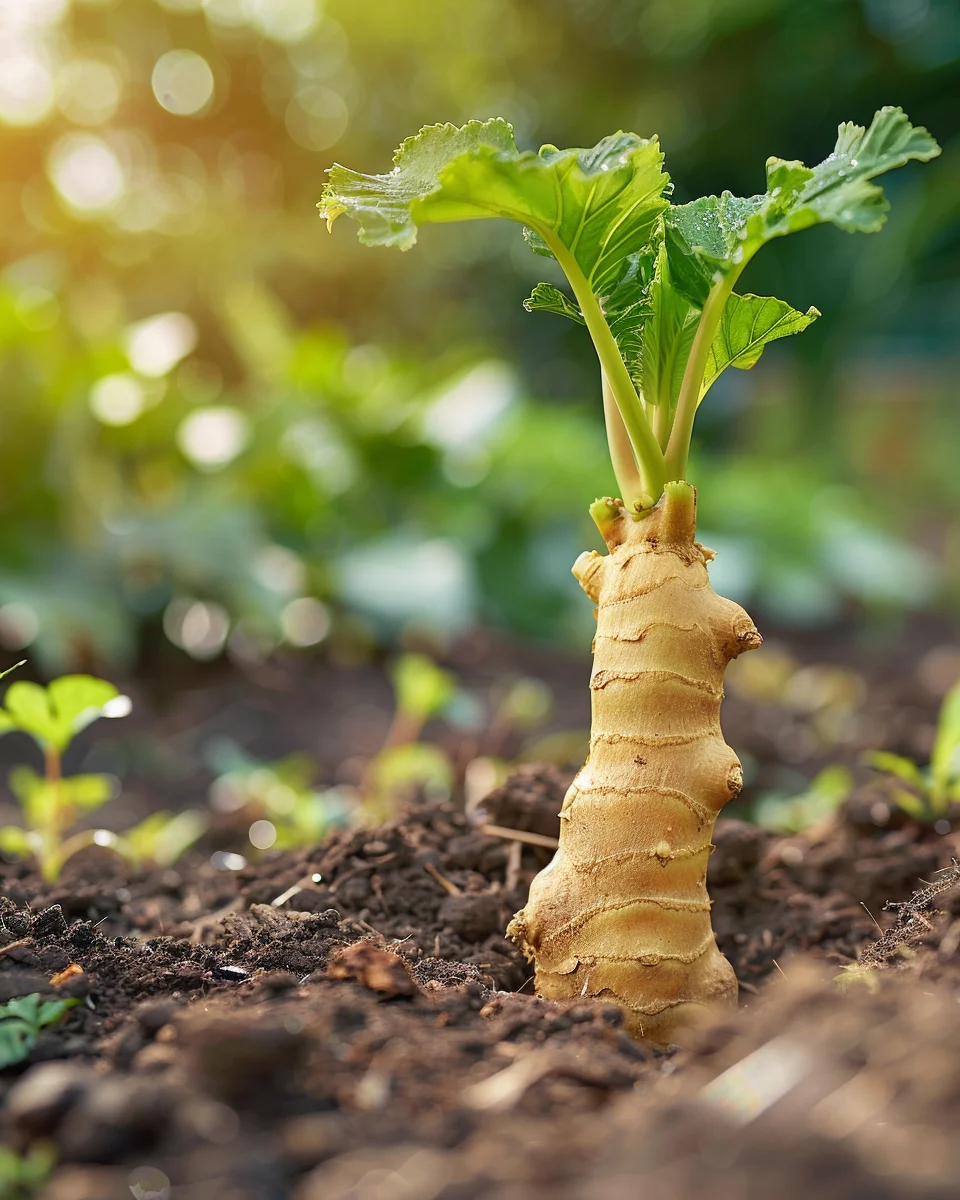
For cool-temperate regions, the optimal planting window is mid-to-late spring (April to May in the Northern Hemisphere) when soil temperatures consistently remain above 18°C (65°F). In warm-temperate and subtropical areas, plant between February and April to maximize the growing season. For tropical regions, planting can occur nearly year-round, though the beginning of the rainy season often yields best results. Unlike many garden plants, ginger is always grown from rhizome pieces rather than seeds, so there’s no distinction between direct sowing and transplanting—though pre-sprouting indoors can give plants a head start in cooler regions.
Best Turn One Ginger Root into a Year’s Supply Right at Home varieties to grow
- Common Culinary Ginger (Zingiber officinale) – The standard grocery store variety, reliable for beginners with excellent flavor and productivity.
- Hawaiian Yellow Ginger – Milder flavor with bright yellow flesh, excellent for container growing and ornamental value.
- Bubba Baba Ginger – Large, plump rhizomes with high yield potential, ideal for maximizing harvest from limited space.
- Khing Yai – Thai variety with intense flavor, heat tolerance, and disease resistance.
- Japanese Ginger – More compact growth habit, making it suitable for smaller containers and indoor cultivation.
- Kahili Ginger – Ornamental variety with beautiful flowers, though less productive for culinary purposes.
- Blue Hawaiian – Distinctive bluish rings when cut, with spicy flavor and good cold tolerance for a ginger variety.
How to plant Turn One Ginger Root into a Year’s Supply Right at Home
Materials needed:
- Fresh organic ginger root with visible growth buds (“eyes”)
- Well-draining potting mix or garden soil amended with compost
- Containers (at least 30cm/12in deep) or prepared garden bed
- Organic fertilizer (balanced or slightly higher in phosphorus)
- Spray bottle for misting
- Mulch material (straw, coconut coir, or leaf mulch)
Step-by-step planting:
- Select fresh, plump ginger roots with multiple growth buds or “eyes” (small nodules on the surface).
- Soak the ginger root overnight in warm water to help break dormancy and remove any growth inhibitors.
- Cut the root into 5-8cm (2-3in) pieces, ensuring each piece has at least 2-3 growth buds.
- Allow cut pieces to dry and callus over for 24-48 hours in a warm, dry location.
- Prepare containers or garden beds with rich, well-draining soil mixed with compost.
- Plant ginger pieces 5-7cm (2-3in) deep with the growth buds facing upward.
- Space multiple pieces 20-30cm (8-12in) apart to allow for rhizome expansion.
- Water thoroughly but gently to avoid displacing the pieces.
- Apply a thin layer of mulch to retain moisture and suppress weeds.
- Place in a warm location with bright, indirect light until sprouts emerge (typically 2-4 weeks).
How to grow Turn One Ginger Root into a Year’s Supply Right at Home
Ginger thrives in bright, filtered sunlight rather than direct sun, which can scorch the leaves. Aim for 4-6 hours of morning sun with afternoon shade, or consistent dappled light throughout the day. Water regularly to maintain consistent soil moisture—never soggy but never completely dry. In containers, this typically means watering when the top inch of soil feels dry. Feed monthly with a balanced organic fertilizer or compost tea to support continuous growth. Apply a 5cm (2in) layer of mulch to conserve moisture and regulate soil temperature. Unlike many garden plants, ginger doesn’t require pruning, though you can harvest outer leaves for tea. For container growing, choose pots at least 30cm (12in) deep and 40cm (16in) wide per plant, as rhizomes spread horizontally. In cooler climates, containers allow you to bring plants indoors during cold weather, extending the growing season.
Caring for Turn One Ginger Root into a Year’s Supply Right at Home
Monitor soil moisture consistently, especially during hot weather when ginger may need more frequent watering. Yellowing leaves often indicate overwatering, while brown leaf tips suggest underwatering or low humidity. Increase humidity by misting foliage or grouping container plants together. The main pests affecting ginger include aphids, spider mites, and root-knot nematodes. Treat aphids and mites with insecticidal soap or neem oil spray. For nematodes, practice crop rotation and use beneficial nematodes as biological control. Rhizome rot is the most common disease, typically caused by overwatering or poor drainage—improve soil drainage and reduce watering frequency if symptoms appear. Begin harvesting young “baby ginger” after 4-6 months by carefully removing outer portions of the rhizome while leaving the central part to continue growing. For mature ginger with stronger flavor, wait 8-10 months before harvesting the entire plant. Store harvested ginger in a cool, dry place, refrigerate for up to 3 weeks, or freeze grated ginger for longer preservation.
Understanding bolting in Turn One Ginger Root into a Year’s Supply Right at Home
Unlike many garden vegetables, ginger doesn’t bolt in the traditional sense of premature flowering and seed production. Ginger naturally produces flowers as part of its growth cycle, typically after 10-12 months of vegetative growth in optimal conditions. These flowers don’t negatively impact the rhizome’s flavor or quality. However, stress factors like temperature fluctuations, drought, or poor nutrition can cause the plant to divert energy to reproduction rather than rhizome development. To maximize rhizome production, maintain consistent growing conditions and harvest before flowering occurs if your primary goal is culinary ginger. If flowering does occur, enjoy the ornamental value—some varieties produce quite attractive blooms—while continuing to care for the plant. The rhizomes will still be usable, though they may be slightly less plump than those from non-flowering plants.
Why does Turn One Ginger Root into a Year’s Supply Right at Home turn bitter?
- Age of rhizomes: Older ginger develops stronger, sometimes bitter compounds—harvest younger for milder flavor.
- Environmental stress: Extreme temperature fluctuations or drought can trigger defensive compounds—maintain consistent growing conditions.
- Improper storage: Storing harvested ginger in too-warm or humid conditions accelerates deterioration and bitterness—keep in cool, dry conditions.
- Sunburn: Rhizomes exposed to direct sunlight during growth can develop bitter compounds—ensure adequate soil coverage and mulch.
- Variety differences: Some ginger varieties naturally contain more zingerone and shogaols, which contribute to bitterness—select milder varieties if preferred.
Companion planting for Turn One Ginger Root into a Year’s Supply Right at Home
Good companions:
- Turmeric – Related plant with similar growing requirements that helps deter certain pests.
- Sweet Potatoes – Provide ground cover that helps retain soil moisture and suppress weeds around ginger plants.
- Legumes (beans, peas) – Fix nitrogen in soil, benefiting ginger’s growth without competing for resources.
- Basil – Repels insects that might damage ginger while thriving in similar partial-shade conditions.
- Marigolds – Help deter nematodes that can damage ginger rhizomes.
Avoid planting near:
- Aggressive root vegetables (potatoes, garlic) – Compete directly for underground growing space.
- Full-sun plants (tomatoes, peppers) – Create incompatible growing environments with different light requirements.
- Bamboo – Aggressive growth habit can quickly overwhelm and crowd out ginger plants.
Seasonal calendar
- January-February: Purchase and pre-sprout ginger indoors in warm regions; plan garden space in cooler areas.
- March-April: Plant pre-sprouted ginger outdoors in warm regions; start indoor sprouting in cooler areas.
- May: Plant ginger outdoors in most temperate regions; apply first fertilization.
- June-July: Maintain consistent watering; apply second fertilization; monitor for pests.
- August-September: Continue regular care; begin harvesting baby ginger if desired.
- October: Harvest in cooler regions before first frost; bring container plants indoors.
- November-December: Continue growing indoors in containers; harvest mature ginger in warm regions.
Problems & solutions
| Problem | Quick Fix |
|---|---|
| Yellowing leaves | Reduce watering frequency; check drainage; increase light if too shaded. |
| Slow growth | Increase temperature; apply balanced organic fertilizer; check for root crowding. |
| Soft, rotting rhizomes | Immediately improve drainage; remove affected parts; reduce watering; apply cinnamon as natural fungicide. |
| Curling/spotted leaves | Check for spider mites or aphids; spray with neem oil solution; increase humidity. |
| No sprouting after planting | Ensure warmer temperatures (above 20°C/68°F); check for viable growth buds; try pre-sprouting method. |
| Stunted plants | Check for root-knot nematodes; rotate planting location; amend soil with compost. |
| Leggy, pale growth | Provide more light (but not direct sun); reduce nitrogen fertilizer; ensure proper spacing. |
Common questions about growing Turn One Ginger Root into a Year’s Supply Right at Home
Q: How often should I water my ginger plants?
A: Water when the top inch of soil feels dry—typically every 2-3 days in warm weather and once weekly in cooler conditions. Always maintain consistent moisture without waterlogging.
Q: Can I grow ginger in a small apartment with limited sunlight?
A: Yes, ginger can thrive indoors with bright indirect light from east or west-facing windows. Supplement with grow lights if needed, and use humidity trays to maintain moisture levels.
Q: What’s the minimum container size for growing ginger?
A: Use containers at least 30cm (12in) deep and 30cm (12in) wide per plant. Wider containers allow for better rhizome spread and higher yields.
Q: How much ginger can I harvest from one planted piece?
A: Under optimal conditions, one 5cm (2in) piece of planted ginger can yield 0.5-1kg (1-2lbs) of harvestable rhizomes within 8-10 months.
Q: Can ginger survive winter outdoors?
A: Ginger is cold-sensitive and will die if exposed to temperatures below 10°C (50°F) for extended periods. In zones 7 and below, either grow as an annual or bring containers indoors for winter.
Q: How do I know when my ginger is ready to harvest?
A: Baby ginger can be harvested after 4-6 months when stems are still green. For mature ginger with stronger flavor and firmer texture, wait until stems yellow and begin to die back (8-10 months).
Q: Can I replant some of my harvested ginger for next season?
A: Absolutely! Select healthy rhizomes with visible growth buds, store them in a cool, dry place, and replant in the next growing season—this is how you maintain your continuous supply year after year.