
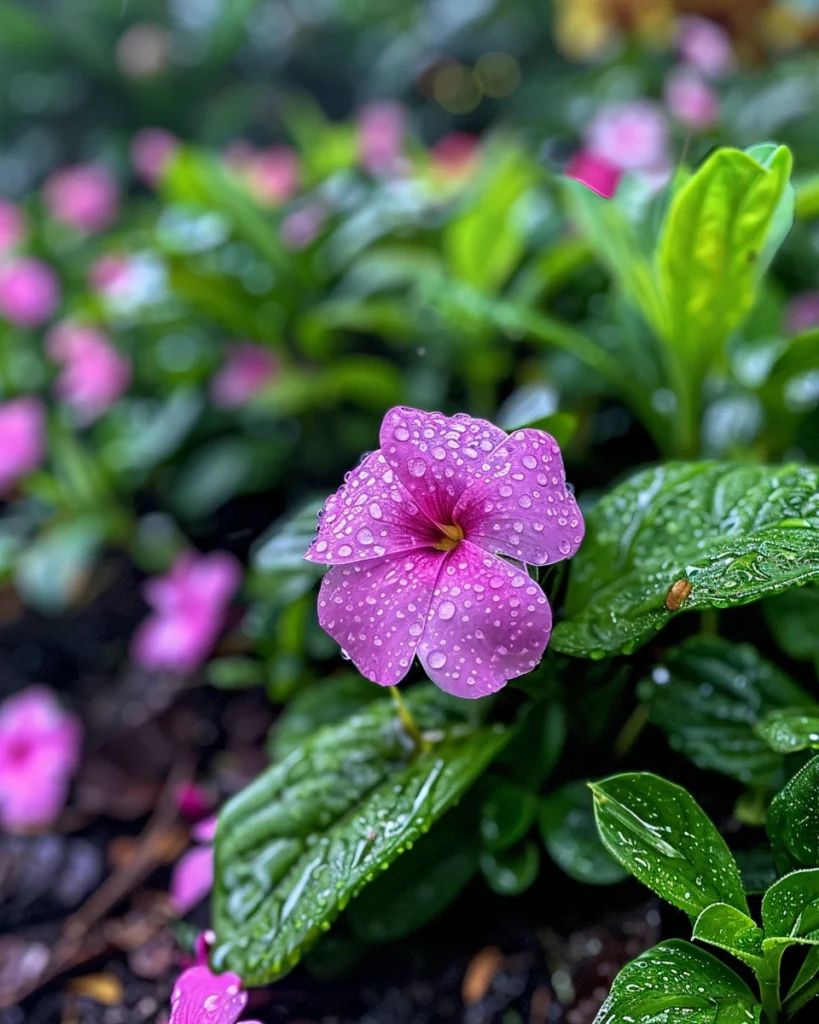
To Deadhead or Not: Which Flowers Really Benefit from Deadheading
Intro for To Deadhead or Not Find Out Which Flowers Really Benefit
Deadheading—the practice of removing spent flowers—is one of those gardening techniques that can dramatically improve your garden’s appearance and performance. But not all flowers benefit equally from this practice, and some actually thrive when left alone. Understanding which plants to deadhead and which to leave natural can save you time and effort while maximizing blooms. Deadheading encourages many plants to produce more flowers, prevents unwanted self-seeding, and keeps your garden looking tidy. This guide will help you identify which flowers truly benefit from deadheading and which are better left to their natural cycle, ensuring your garden remains vibrant throughout the growing season.
When to plant To Deadhead or Not Find Out Which Flowers Really Benefit
The timing for planting flowers that may need deadheading varies by species, but most flowering annuals and perennials should be planted after the danger of frost has passed in spring. In temperate regions, this typically means waiting until soil temperatures reach 15-18°C (60-65°F). For cool-season bloomers like pansies, you can plant earlier when soil temperatures are around 7-10°C (45-50°F). Many perennials that benefit from deadheading can also be planted in early fall, giving them time to establish roots before winter, especially in zones 5-9. Always check specific planting recommendations for each flower variety in your collection.
Best time to plant To Deadhead or Not Find Out Which Flowers Really Benefit

For warm-climate regions (USDA zones 8-10), plant heat-loving flowers like zinnias, marigolds, and petunias from March to May. In cooler regions (zones 3-7), wait until April to June for these same varieties. Spring-blooming perennials like delphiniums and columbines are best planted in early fall (September-October) in most regions, allowing them to establish before winter. For direct-sown annuals like cosmos and calendula, sow seeds when soil has warmed to at least 15°C (60°F). Transplants generally establish better for perennials like coneflowers and black-eyed Susans, while many annuals can be either direct-sown or transplanted depending on your growing season length.
Best To Deadhead or Not Find Out Which Flowers Really Benefit varieties to grow
- Salvia ‘May Night’ – Responds dramatically to deadheading with multiple bloom cycles and maintains a tidy habit.
- Echinacea ‘PowWow Wild Berry’ – Produces abundant secondary blooms after deadheading and attracts beneficial pollinators.
- Cosmos ‘Sensation Mix’ – Blooms continuously from summer to frost when regularly deadheaded, with minimal effort required.
- Geranium ‘Rozanne’ – Long-blooming perennial that flowers even more profusely when spent blooms are removed.
- Rudbeckia ‘Goldsturm’ – Benefits from selective deadheading but can be left to self-seed for naturalized gardens.
- Coreopsis ‘Early Sunrise’ – Responds to deadheading with weeks of additional blooms and resists flopping.
- Zinnia ‘Profusion Series’ – Self-cleaning variety that requires minimal deadheading while providing continuous color.
- Petunia ‘Wave Series’ – Modern variety that blooms continuously with less need for deadheading than traditional petunias.
How to plant To Deadhead or Not Find Out Which Flowers Really Benefit
Materials needed:
- Quality potting soil or garden soil amended with compost
- Garden trowel or shovel
- Watering can or hose with gentle spray attachment
- Mulch (bark chips, straw, or compost)
- Slow-release fertilizer
- Plant labels
- Garden gloves
Planting steps:
- Select a site that matches your chosen flowers’ light requirements—most deadheading candidates prefer full sun (6+ hours daily).
- Prepare the soil by removing weeds and incorporating 2-3 inches (5-7.5 cm) of compost to improve drainage and fertility.
- Dig holes twice as wide as the root ball and at the same depth as the container.
- Space plants according to their mature size—typically 12-18 inches (30-45 cm) for medium-sized perennials and 8-12 inches (20-30 cm) for most annuals.
- Remove plants carefully from containers, gently loosening bound roots if necessary.
- Place plants in holes at the same depth they were growing in their containers—planting too deep can cause rot issues.
- Backfill with soil, firming gently around the roots to eliminate air pockets.
- Water thoroughly after planting, ensuring the soil is evenly moist but not waterlogged.
- Apply 2-3 inches (5-7.5 cm) of mulch around plants, keeping it away from stems to prevent rot.
- Label your plants to help you remember which varieties benefit from deadheading.
How to grow To Deadhead or Not Find Out Which Flowers Really Benefit
Most flowers that benefit from deadheading require full sun, with at least 6 hours of direct sunlight daily. Some, like impatiens and begonias, prefer partial shade, especially in hot climates. Water requirements vary by species, but most flowering plants need consistent moisture—about 1 inch (2.5 cm) weekly from rain or irrigation. Water at the base of plants to keep foliage dry and prevent disease. Apply a balanced, slow-release fertilizer (10-10-10) when planting, then feed flowering annuals monthly with a bloom-boosting fertilizer (higher phosphorus, like 5-10-5). For perennials, fertilize in early spring and again after the first bloom cycle. Maintain a 2-3 inch (5-7.5 cm) layer of mulch to conserve moisture and suppress weeds. For container-grown flowers, use high-quality potting mix and ensure containers have drainage holes. Container plants typically need more frequent watering and fertilizing than in-ground plantings.
Caring for To Deadhead or Not Find Out Which Flowers Really Benefit
The primary ongoing task for many flowering plants is deadheading itself. Use clean, sharp scissors or pruners to remove spent blooms, cutting just above a leaf node or bud. For plants with multiple flowers on a stem (like delphiniums), wait until most blooms on the stalk have faded before cutting the entire stem back to a lateral bud or leaf. Common pests include aphids, which can be controlled with a strong spray of water or insecticidal soap, and powdery mildew, which is best prevented by ensuring good air circulation and avoiding overhead watering. Japanese beetles can be handpicked in the morning when they’re sluggish. For disease prevention, practice crop rotation with annuals and avoid overcrowding. Harvest seed heads from non-deadheaded plants when they’re dry and store in paper envelopes in a cool, dry place if you wish to save seeds. For cut flowers, harvest in the morning when stems are turgid, and place immediately in water.
Understanding bolting in To Deadhead or Not Find Out Which Flowers Really Benefit
Bolting refers to a plant’s sudden shift from leaf production to flowering and seed production. While this is the natural cycle for flowering plants, premature bolting in some ornamentals can shorten their display period. Heat is the primary trigger, especially for cool-season flowers like pansies and snapdragons. Long daylight hours (photoperiod) can also induce flowering in many species. Stress factors including drought, root disturbance, or nutrient deficiencies can accelerate bolting. To prevent premature bolting, provide adequate water, especially during hot periods, and use mulch to keep soil temperatures moderate. For cool-season flowers, plant early enough to allow them to establish before hot weather arrives. If bolting occurs, you can either embrace it (especially for plants with ornamental seed heads like coneflowers) or cut back the plants to encourage a second flush of growth and blooms when conditions improve.
Why does To Deadhead or Not Find Out Which Flowers Really Benefit turn bitter?
While bitterness isn’t typically an issue with ornamental flowers, some flowering herbs and edible flowers can develop unpleasant flavors:
- Heat stress – High temperatures can cause nasturtiums, pansies, and other edible flowers to develop bitter compounds; provide afternoon shade in hot climates.
- Age of blooms – Older flowers often develop bitter flavors; harvest edible flowers when they’re freshly opened for best taste.
- Nutrient imbalance – Excessive nitrogen can cause bitterness in edible flowers; use balanced, organic fertilizers.
- Variety selection – Some varieties naturally have stronger flavors; choose mild-flavored cultivars for edible landscaping.
- Drought stress – Inconsistent watering can trigger defensive bitter compounds; maintain even soil moisture for edible flowers.
Companion planting for To Deadhead or Not Find Out Which Flowers Really Benefit
- Marigolds – Pair with vegetables and roses to repel nematodes and aphids while adding bright color.
- Lavender – Combines beautifully with roses and other perennials while deterring many garden pests.
- Nasturtiums – Plant near cucumbers and squash to draw aphids away from these vegetables.
- Cosmos – Attracts beneficial insects like hoverflies and parasitic wasps that control garden pests.
- Zinnias – Excellent companions for tomatoes and peppers, attracting pollinators that improve vegetable yields.
Avoid planting most flowers too close to black walnut trees, which release juglone that inhibits growth. Also, keep aggressive spreaders like mint separate from delicate flowers that might be overwhelmed.
Seasonal calendar
- Early Spring (March-April): Plant cool-season annuals; divide and transplant perennials; apply slow-release fertilizer.
- Late Spring (May): Plant warm-season annuals; begin deadheading early bloomers; watch for pest issues.
- Early Summer (June): Continue deadheading spring bloomers; fertilize container plants; mulch to retain moisture.
- Mid-Summer (July): Deadhead regularly; provide supplemental water during dry periods; cut back early perennials after flowering.
- Late Summer (August): Continue deadheading annuals; allow some perennials to form seed heads; divide bearded iris.
- Early Fall (September): Plant spring-blooming perennials; collect seeds from non-deadheaded plants; cut back finished annuals.
- Late Fall (October-November): Clean up garden debris; leave some seed heads for winter interest and wildlife; mulch perennials.
- Winter (December-February): Plan next year’s garden; order seeds; enjoy ornamental seed heads left in the garden.
In warmer regions (zones 8-10), extend planting seasons into winter. In colder areas (zones 3-5), compress activities into a shorter growing season.
Problems & solutions
| Problem | Quick Fix |
|---|---|
| Leggy, sparse flowering | Pinch back plants early in the season; ensure adequate sunlight; deadhead regularly. |
| Plants stop blooming mid-season | Deadhead promptly; apply bloom-boosting fertilizer; check for pest damage on buds. |
| Excessive self-seeding | Deadhead before seed formation; apply mulch to prevent germination; hand-pull unwanted seedlings. |
| Powdery mildew on foliage | Improve air circulation; water at base of plants; apply neem oil or milk spray (1:9 milk:water). |
| Aphids on buds and stems | Spray with strong water jet; introduce ladybugs; apply insecticidal soap if infestation is severe. |
| Flowers wilting prematurely | Check soil moisture; provide afternoon shade in hot climates; mulch to regulate soil temperature. |
| Deer or rabbit damage | Apply repellent sprays; install physical barriers; plant resistant varieties like lavender and foxglove. |
Common questions about growing To Deadhead or Not Find Out Which Flowers Really Benefit
Which flowers absolutely need deadheading?
Annuals like zinnias, marigolds, petunias, and cosmos benefit tremendously from deadheading, often doubling their bloom period. Repeat-blooming perennials like daylilies, salvias, and coreopsis also produce significantly more flowers when deadheaded regularly.
Which flowers should NOT be deadheaded?
Plants grown specifically for their decorative seedheads (like ornamental grasses, sedums, and coneflowers) can be left undeadheaded for winter interest. Self-cleaning varieties like impatiens and many modern petunias drop spent blooms naturally. Plants you want to naturalize, such as columbines, forget-me-nots, and foxgloves, should be allowed to self-seed.
How often should I deadhead my flowers?
For most flowering plants, deadheading once or twice weekly during peak bloom season is sufficient. More frequent deadheading (every 2-3 days) may be necessary for prolific bloomers like petunias during ideal growing conditions.
Can I deadhead all flowers the same way?
No, technique matters. For single-stemmed flowers like tulips or daffodils, remove the entire flower stalk. For plants with multiple blooms on one stem (like delphiniums), wait until most flowers on the stem have faded. For plants with individual flowers (like roses), cut just above a five-leaflet leaf or the next bud.
Will deadheading extend my growing season?
Yes, regular deadheading can extend the blooming period by weeks or even months for many annuals and perennials by preventing the plant from entering seed production mode, which typically signals the end of flowering.
Is deadheading necessary in container gardens?
Deadheading is especially beneficial for container plants, where resources are limited. Removing spent blooms directs energy to new flower production rather than seed development, keeping containers looking fresh and colorful longer.
Can deadheading help control invasive plants?
Absolutely. Deadheading before seed formation is an effective way to prevent aggressive self-seeders like butterfly bush, black-eyed Susan, and some varieties of coreopsis from spreading beyond their intended boundaries.