
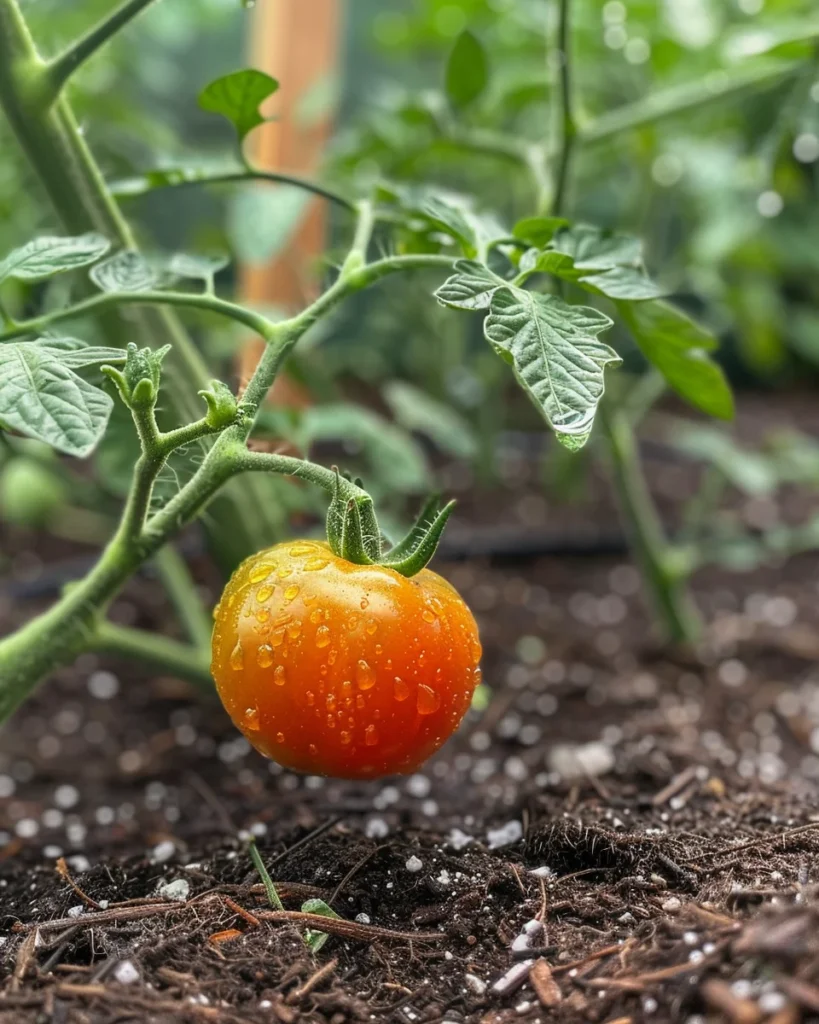
How to Boost Your Tomato Yield by 50% with One Simple Pruning Cut: When to Prune, Best Varieties & Care
Intro for This One Cut Boosted My Tomato Yield By 50
Tomatoes are among the most rewarding plants in any home garden, but many gardeners miss out on their full potential yield. The secret to dramatically increasing your tomato harvest lies in a simple pruning technique: removing suckers. This strategic cut can boost your tomato yield by up to 50% by redirecting the plant’s energy to fruit production rather than foliage growth. While it might seem counterintuitive to remove parts of a healthy plant, this technique works particularly well in most temperate regions and can transform your ordinary tomato harvest into an extraordinary one. Whether you’re growing in containers or garden beds, mastering this simple pruning method will revolutionize your tomato gardening experience.
When to plant This One Cut Boosted My Tomato Yield By 50
Tomatoes thrive when planted after all danger of frost has passed and soil temperatures consistently reach 16-18°C (60-65°F). In most temperate regions, this typically falls between late spring and early summer. For optimal growth, wait until nighttime temperatures remain above 10°C (50°F), as cold soil and air can stress young plants and delay their development. If you’re in USDA zones 5-9 or equivalent, aim to plant when your soil has properly warmed. In cooler regions, consider using black plastic mulch to warm the soil before planting. Remember that the timing of your initial planting directly impacts when you’ll be able to implement the yield-boosting pruning technique.
Best time to plant This One Cut Boosted My Tomato Yield By 50
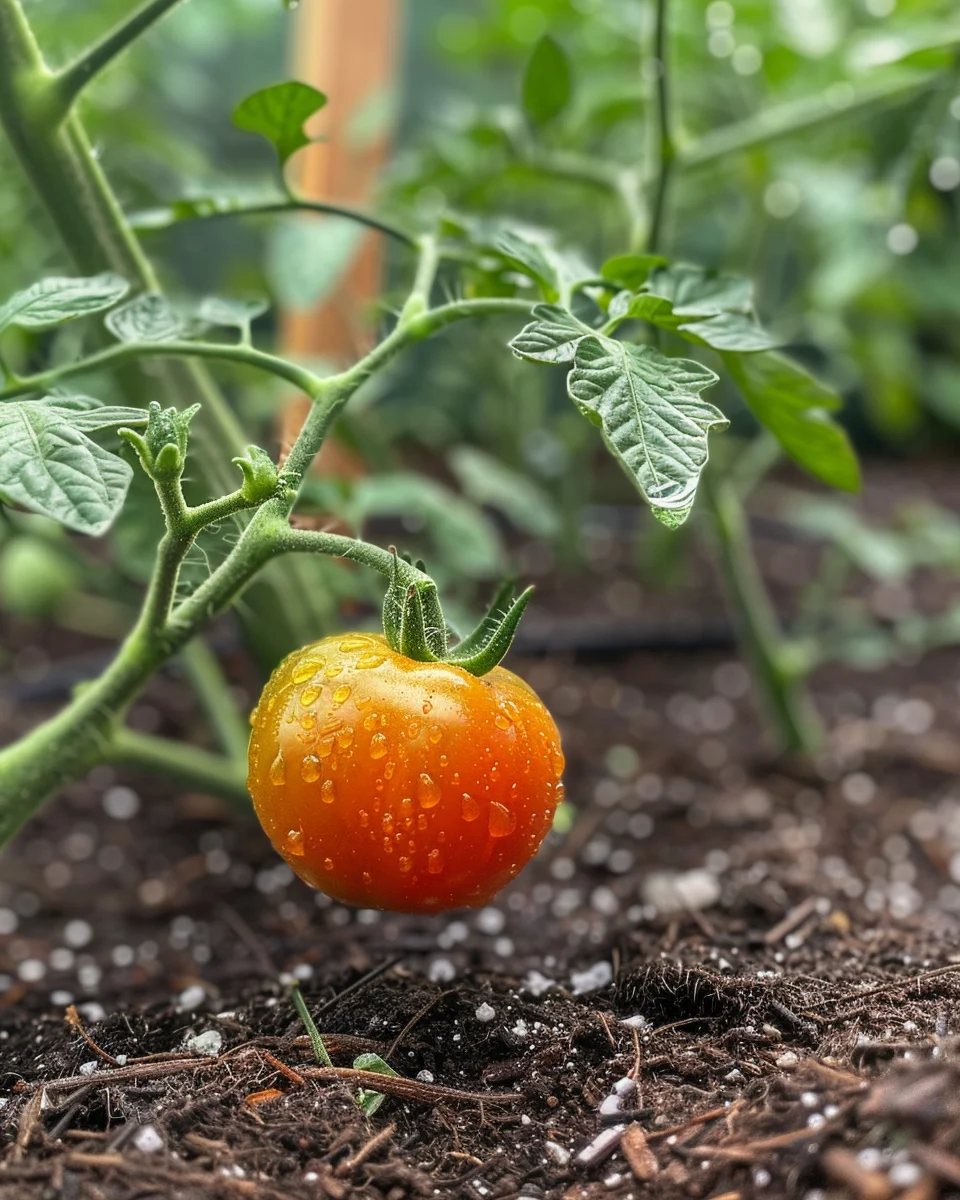
In cool temperate regions (UK, Northern US, Canada), plant tomato seedlings outdoors from mid-May to early June. For warm temperate regions (Southern US, Mediterranean), the ideal window is March to April, with a possible second planting in August for fall harvests. Start seeds indoors 6-8 weeks before your last expected frost date. Transplant seedlings when they’re 15-20 cm (6-8 inches) tall and have developed their first true leaves. For regions with short growing seasons, choose early-maturing varieties and start them indoors earlier to ensure they have enough time to produce fruit after implementing the pruning technique.
Best This One Cut Boosted My Tomato Yield By 50 varieties to grow
• ‘Sungold’ – Indeterminate cherry variety that responds exceptionally well to sucker pruning, producing sweet, golden fruits with balanced acidity.
• ‘Roma’ – Determinate paste tomato that benefits from selective pruning, producing meaty fruits perfect for sauces and canning.
• ‘Better Boy’ – Indeterminate hybrid known for disease resistance and dramatically increased yields when properly pruned.
• ‘Brandywine’ – Heirloom indeterminate variety that produces larger fruits when energy is redirected through strategic pruning.
• ‘Early Girl’ – Indeterminate variety that matures quickly and produces even earlier when pruned correctly.
• ‘Celebrity’ – Semi-determinate variety with excellent disease resistance that responds well to minimal, targeted pruning.
• ‘Cherokee Purple’ – Heirloom indeterminate variety with rich flavor that produces larger fruits when properly pruned.
• ‘Juliet’ – Indeterminate grape tomato that becomes extraordinarily productive with regular sucker removal.
How to plant This One Cut Boosted My Tomato Yield By 50
Materials list:
– Healthy tomato seedlings
– Compost or well-rotted manure
– Balanced organic fertilizer (5-5-5)
– Garden trowel or shovel
– Tomato cages or stakes
– Pruning shears (for later use)
– Watering can or hose with gentle spray
– Mulch (straw, wood chips, or black plastic)
Step-by-step:
1. Select a site that receives at least 6-8 hours of direct sunlight daily with good air circulation.
2. Prepare the soil by incorporating 2-3 inches of compost and a handful of balanced organic fertilizer per planting hole.
3. Dig holes 45-60 cm (18-24 inches) apart for indeterminate varieties or 35-45 cm (14-18 inches) for determinate varieties.
4. Remove the lower leaves of your seedlings, leaving only the top 2-3 sets of leaves.
5. Plant seedlings deeper than they were in their pots, burying the stem up to the remaining leaves to encourage additional root growth.
6. Water thoroughly after planting, delivering about 1 liter (1 quart) of water per plant.
7. Install support structures (cages or stakes) at planting time to avoid damaging roots later.
8. Apply 5-7 cm (2-3 inches) of mulch around plants, keeping it away from the stems to prevent rot.
9. Label each variety for easier identification when it’s time to implement specific pruning techniques.
10. Water again lightly to settle the mulch and ensure soil contact with the roots.
How to grow This One Cut Boosted My Tomato Yield By 50
Tomatoes need full sun, at least 6-8 hours daily, to produce the energy needed for abundant fruiting. Water deeply and consistently, providing 2.5-5 cm (1-2 inches) of water weekly, adjusting for rainfall. Increase watering during fruit development and hot weather. Fertilize with a balanced organic fertilizer when planting, then switch to a lower-nitrogen, higher-phosphorus formula (like 5-10-10) when flowers appear to encourage fruiting.
The yield-boosting pruning technique involves removing suckers—the small shoots that develop in the crotch between the main stem and branches. For indeterminate varieties, remove most suckers, especially those below the first flower cluster. For determinate varieties, only remove suckers below the first flower cluster. Make clean cuts with sanitized pruning shears or pinch off small suckers with your fingers. Always prune in the morning when plants are dry to prevent disease spread.
For container growing, use at least a 40-liter (10-gallon) container per plant, ensure excellent drainage, and water more frequently as containers dry out faster. Stake or cage all tomato plants to keep fruit off the ground and improve air circulation, which reduces disease and makes the pruning technique easier to implement.
Caring for This One Cut Boosted My Tomato Yield By 50
Beyond the critical sucker-pruning technique, regular maintenance includes checking plants weekly for new suckers that need removal. Monitor soil moisture consistently, as fluctuations can cause fruit splitting. Remove lower yellowing leaves as the plant grows to improve air circulation and reduce disease pressure.
Common pests include hornworms, aphids, and whiteflies. For hornworms, handpick and remove; for aphids and whiteflies, spray with insecticidal soap or neem oil. Watch for early blight (dark spots with concentric rings on lower leaves) and late blight (dark water-soaked patches); remove affected leaves immediately and improve air circulation through pruning.
Harvest tomatoes when they’ve reached full color but still feel firm with slight give when gently squeezed. For maximum flavor, avoid refrigerating tomatoes; store at room temperature away from direct sunlight. If you have excess, consider freezing whole, making sauce, or dehydrating for long-term storage.
Understanding bolting in This One Cut Boosted My Tomato Yield By 50
Unlike leafy greens, tomatoes don’t technically bolt, but they can experience related stress responses. When tomatoes encounter extreme heat (consistently above 32°C/90°F), they may temporarily stop setting fruit as pollen becomes sterile. This isn’t bolting but is sometimes confused with it.
To prevent heat-related fruit set issues, provide afternoon shade in hot climates, maintain consistent soil moisture, and apply mulch to moderate soil temperature. Some gardeners use hormone sprays like “Blossom Set” during heat waves to encourage fruit development. If your tomatoes stop setting fruit during summer heat, continue your pruning regimen and maintain care—they’ll resume production when temperatures moderate. Choose heat-tolerant varieties if you garden in regions with consistently hot summers.
Why does This One Cut Boosted My Tomato Yield By 50 turn bitter?
• Insufficient pruning: Overcrowded plants can produce smaller, less flavorful fruit; solution: implement the sucker-pruning technique consistently.
• Inconsistent watering: Stress from drought followed by heavy watering affects flavor; solution: maintain even soil moisture with regular deep watering.
• Nutrient imbalance: Too much nitrogen promotes leafy growth at the expense of fruit quality; solution: use lower-nitrogen, higher-phosphorus fertilizer once flowering begins.
• Harvesting too early: Picking before full ripeness results in less sweet fruit; solution: allow tomatoes to develop full color on the vine.
• High temperatures: Extended heat can affect flavor development; solution: provide afternoon shade during heat waves and ensure consistent watering.
Companion planting for This One Cut Boosted My Tomato Yield By 50
• Basil – Repels flies and mosquitoes while improving tomato flavor and growth; the aromatic oils deter tomato hornworms.
• Marigolds – Produce compounds that repel nematodes in the soil; their strong scent confuses many tomato pests.
• Nasturtiums – Act as trap crops for aphids, keeping them away from your tomatoes.
• Carrots – Their deep roots loosen soil while tomatoes provide partial shade for these cooler-weather crops.
• Garlic and onions – Deter many tomato pests with their strong sulfur compounds.
Avoid planting tomatoes near:
• Potatoes – Share diseases and can compete for nutrients.
• Corn – Attracts tomato fruitworm (corn earworm) which can damage both crops.
• Brassicas (cabbage, broccoli, etc.) – Inhibit tomato growth through chemical competition.
Seasonal calendar
• January-February: Order seeds, plan garden layout, start earliest varieties indoors (warm regions).
• March-April: Start seeds indoors (cool regions), prepare garden beds, plant out early varieties (warm regions).
• May: Harden off and transplant seedlings (cool regions), begin implementing pruning technique on established plants (warm regions).
• June: Install supports, begin sucker pruning as plants develop, monitor for pests.
• July: Continue regular pruning, deep watering, and fertilizing with bloom-boosting formula; early harvests begin.
• August: Peak harvest season, continue pruning to maintain airflow and encourage late-season fruit set.
• September: Harvest main crop, prune to encourage ripening of remaining fruit, plant fall crop (warm regions).
• October: Harvest final fruits, consider picking green tomatoes before frost to ripen indoors.
• November-December: Clean up garden, compost disease-free plants, amend soil for next season.
Problems & solutions
Problem | Quick Fix
— | —
Yellowing lower leaves | Normal as plant matures; remove to improve air circulation
Flowers dropping without setting fruit | Likely heat stress; provide afternoon shade and ensure consistent watering
Cracked fruits | Inconsistent watering; maintain even soil moisture with mulch and regular deep watering
Blossom end rot (black bottom) | Calcium deficiency; add crushed eggshells to soil and maintain even moisture
Curling leaves | Often environmental stress; ensure proper watering and check for pests underneath
Stunted growth despite pruning | Check soil nutrients; side-dress with compost tea or balanced organic fertilizer
Fruits not ripening | Late season issue; prune foliage above fruit clusters to speed ripening
Common questions about growing This One Cut Boosted My Tomato Yield By 50
Q: When exactly should I start pruning my tomato plants?
A: Begin pruning when plants are 12-18 inches (30-45 cm) tall and have developed their first flower clusters, typically 2-3 weeks after transplanting.
Q: How much sunlight do tomatoes need for the pruning technique to be effective?
A: At least 6-8 hours of direct sunlight daily is essential for tomatoes to produce enough energy to maximize the benefits of strategic pruning.
Q: Can I prune all types of tomatoes the same way?
A: No—indeterminate varieties benefit from more aggressive sucker removal, while determinate varieties should only have suckers below the first flower cluster removed to avoid reducing yield.
Q: How often should I prune my tomato plants?
A: Check plants weekly during the growing season, removing new suckers when they’re 2-4 inches (5-10 cm) long for easiest removal and minimal plant stress.
Q: Will pruning make my tomatoes ripen faster?
A: Yes, strategic pruning improves air circulation and sun exposure to fruits, which can accelerate ripening by 7-10 days compared to unpruned plants.
Q: Can I grow high-yielding tomatoes in containers using this pruning method?
A: Absolutely—container-grown tomatoes often benefit even more from pruning since their resources are limited; use at least a 5-gallon (20-liter) container per plant.
Q: How do I know if I’m over-pruning my tomato plants?
A: If your plant looks sparse with fewer than 3-4 main stems or shows signs of sunscald on fruits, you may be removing too much foliage; always leave enough leaves to shade developing fruits.