
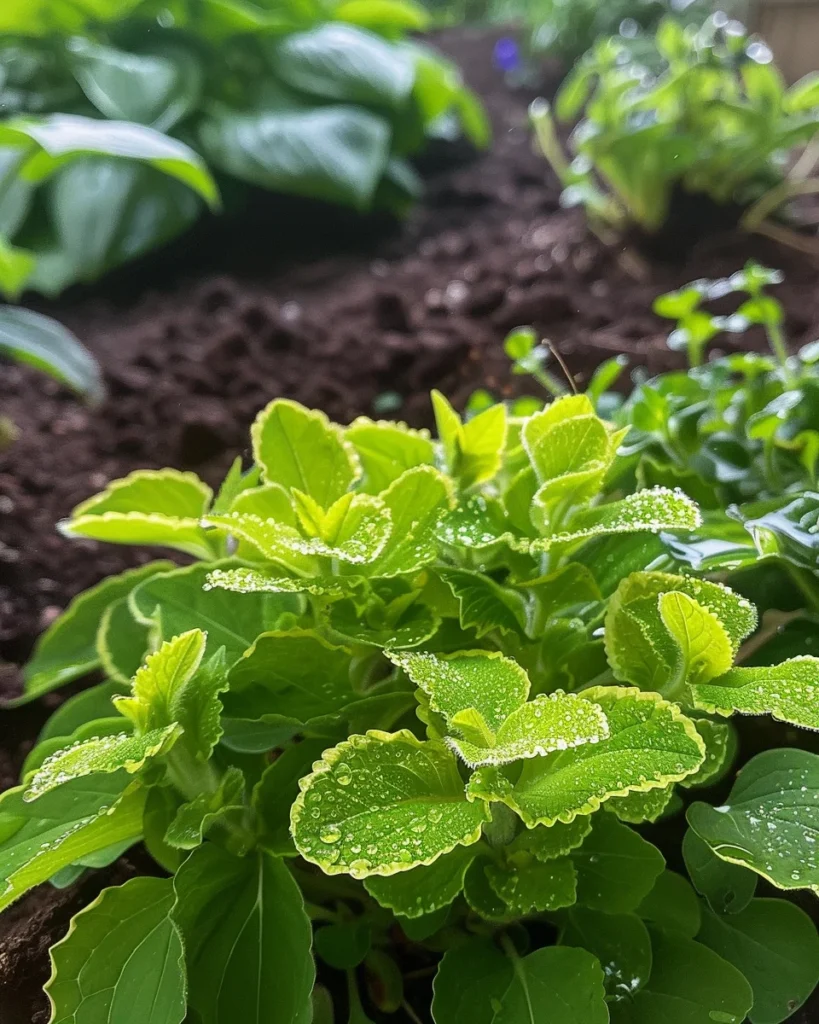
How to Grow 5 Flowers That Attract Butterflies Like Crazy: When to Plant, Best Varieties & Care
Intro for 5 Flowers That Attract Butterflies Like Crazy
Creating a butterfly garden is one of the most rewarding gardening projects you can undertake. Not only will you enjoy beautiful blooms, but you’ll also support essential pollinators and bring vibrant movement to your garden. The five flowers covered in this guide—butterfly bush, coneflower, milkweed, lantana, and zinnia—are exceptional butterfly magnets that provide nectar, habitat, and breeding grounds for various butterfly species. These plants thrive in most temperate regions, are relatively low-maintenance, and create a colorful display from spring through fall. Whether you have a sprawling garden or just a few containers, incorporating these butterfly-friendly flowers will transform your outdoor space into a lively butterfly sanctuary.
When to plant 5 Flowers That Attract Butterflies Like Crazy
The ideal planting time for butterfly-attracting flowers varies by species, but generally, you’ll want to plant after the danger of frost has passed in spring. Soil temperatures should reach at least 15-18°C (60-65°F) for optimal germination and establishment. In most temperate regions, this falls between mid-April and early June. Perennial varieties like butterfly bush, coneflower, and milkweed can also be planted in early fall (6-8 weeks before first frost) to establish roots before winter dormancy. For warmer regions (US Zones 9-10), you can plant most butterfly-attracting flowers year-round, though spring and fall typically yield the best results.
Best time to plant 5 Flowers That Attract Butterflies Like Crazy
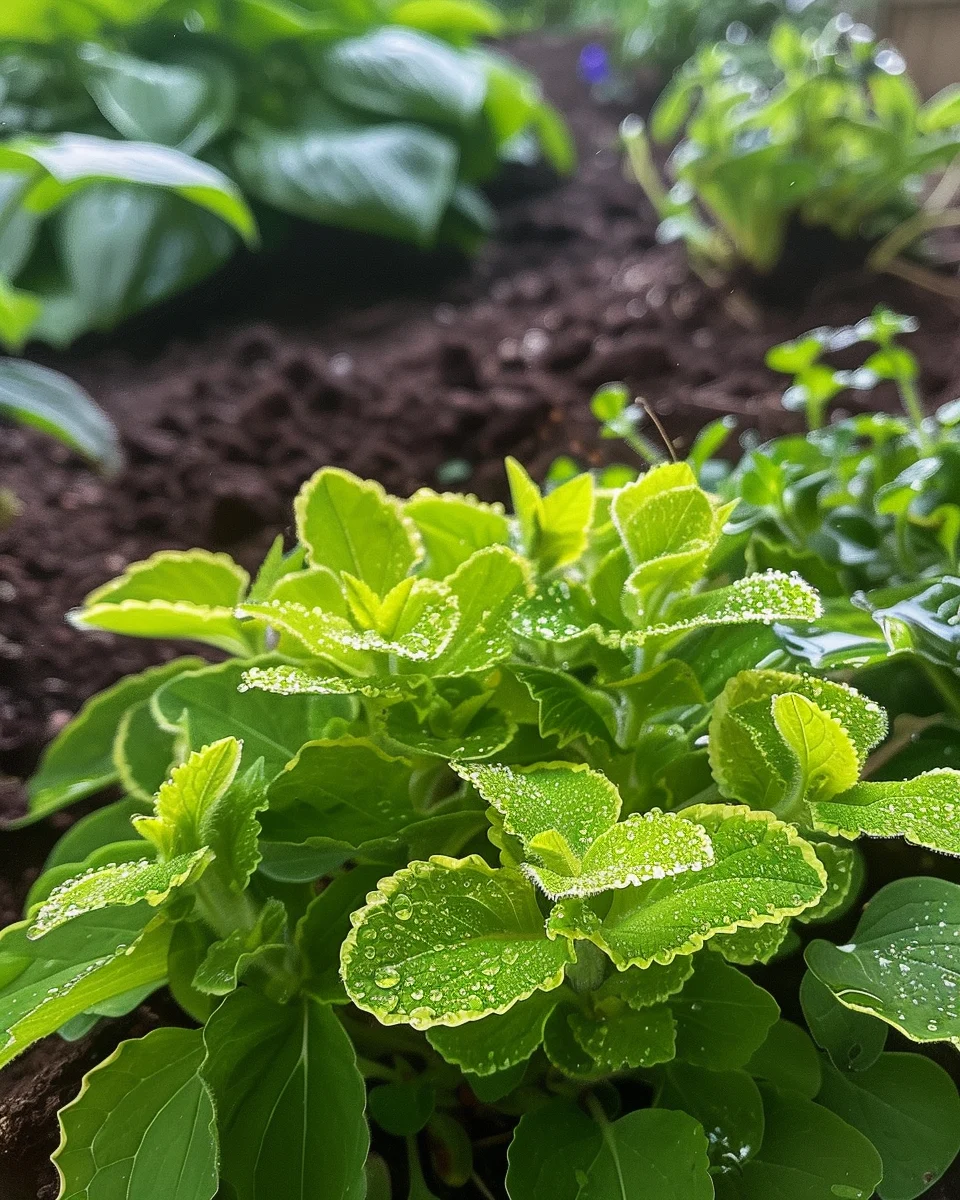
For cool climate regions (US Zones 3-6, UK), plant butterfly bush, coneflower, and milkweed outdoors from mid-May to early June. Start zinnias and lantana indoors 6-8 weeks before last frost, then transplant when temperatures stabilize. In warm climate regions (US Zones 7-10, Mediterranean), direct sow zinnias and lantana from March to May. Plant butterfly bush, coneflower, and milkweed from February to April or September to October. For container planting in any region, you can start 2-3 weeks earlier than in-ground planting if you can protect plants from unexpected cold snaps.
Best 5 Flowers That Attract Butterflies Like Crazy varieties to grow
- Butterfly Bush (Buddleja davidii ‘Black Knight’) – Features deep purple blooms that provide abundant nectar and attract numerous butterfly species with its intense fragrance.
- Purple Coneflower (Echinacea purpurea) – A native perennial with long-lasting blooms that serves as both a nectar source and landing pad for butterflies.
- Swamp Milkweed (Asclepias incarnata) – Essential host plant for monarch butterflies that provides both nectar and the only food source for monarch caterpillars.
- Lantana ‘Bandana Cherry’ – Heat-tolerant with multi-colored blooms that change from yellow to red, providing continuous nectar through summer and fall.
- Zinnia ‘Queen Red Lime’ – Features unique lime-green and rose petals that attract butterflies with abundant nectar and provide easy landing platforms.
- Common Milkweed (Asclepias syriaca) – Robust native species that supports monarch butterfly reproduction and attracts numerous other butterfly species.
- Butterfly Bush ‘Nanho Blue’ – Compact variety (5-6 feet) with lavender-blue flowers, perfect for smaller gardens while still attracting numerous butterflies.
- Zinnia ‘Benary’s Giant Mix’ – Large, colorful blooms on sturdy stems that provide abundant nectar and are exceptionally attractive to butterflies.
How to plant 5 Flowers That Attract Butterflies Like Crazy
Materials needed:
- Seeds or starter plants of chosen butterfly-attracting varieties
- Compost or organic matter
- Garden trowel or shovel
- Watering can or hose with spray attachment
- Mulch (bark chips, straw, or leaf mold)
- Garden gloves
- Plant markers or labels
Step-by-step planting:
- Select a sunny location receiving at least 6-8 hours of direct sunlight daily for most butterfly-attracting flowers.
- Prepare the soil by removing weeds and incorporating 2-3 inches (5-7.5 cm) of compost to improve drainage and fertility.
- For butterfly bush and perennial varieties, dig holes twice as wide as the root ball and at the same depth as the container.
- For direct-sown seeds like zinnias, create shallow furrows according to seed packet directions (typically 1/4 inch or 0.6 cm deep).
- Place plants in holes at the same depth they were growing in their containers, ensuring crown is level with soil surface.
- Space plants appropriately: butterfly bush (3-5 feet/1-1.5 m apart), coneflower (18-24 inches/45-60 cm), milkweed (18-24 inches/45-60 cm), lantana (2-3 feet/60-90 cm), and zinnias (8-12 inches/20-30 cm).
- Backfill with soil, gently firming around roots to eliminate air pockets.
- Water thoroughly after planting, providing about 1 inch (2.5 cm) of water to settle the soil.
- Apply 2-3 inches (5-7.5 cm) of mulch around plants, keeping it away from stems to prevent rot.
- Label each plant variety for easy identification and maintenance tracking.
How to grow 5 Flowers That Attract Butterflies Like Crazy
All five butterfly-attracting flowers thrive in full sun, requiring at least 6-8 hours of direct sunlight daily. Lantana and zinnias can tolerate partial shade but produce fewer flowers. Water deeply once or twice weekly, providing about 1 inch (2.5 cm) of water, allowing soil to dry slightly between waterings. Butterfly bush and lantana are particularly drought-tolerant once established.
Fertilize perennials (butterfly bush, coneflower, milkweed) in early spring with a balanced organic fertilizer (10-10-10). For annuals like zinnias, apply a half-strength liquid fertilizer every 3-4 weeks during the growing season. Avoid high-nitrogen fertilizers that promote foliage at the expense of flowers.
Mulch around plants to conserve moisture and suppress weeds, maintaining a 2-3 inch (5-7.5 cm) layer throughout the growing season. Deadhead spent flowers regularly to encourage continuous blooming, especially for zinnias and lantana. Butterfly bush benefits from pruning in early spring to maintain shape and encourage vigorous growth.
For container growing, use pots at least 12 inches (30 cm) in diameter for zinnias and lantana, and 18-24 inches (45-60 cm) for butterfly bush. Use well-draining potting mix and water more frequently, as containers dry out faster than garden soil.
Caring for 5 Flowers That Attract Butterflies Like Crazy
Regular maintenance includes deadheading spent blooms weekly to encourage continuous flowering and removing any diseased foliage promptly. Water at the base of plants to keep foliage dry and prevent fungal issues. In late fall, leave some seed heads on coneflowers and zinnias to provide food for birds.
Common pests include aphids, spider mites, and Japanese beetles. For aphids and spider mites, spray plants with a strong stream of water or apply insecticidal soap. For Japanese beetles, handpick in the morning when they’re sluggish or use row covers during peak beetle season. Powdery mildew can affect zinnias and butterfly bush—improve air circulation by proper spacing and apply organic fungicides like neem oil at first signs.
Harvest butterfly bush and lantana flowers sparingly for arrangements, as their primary value is providing nectar for butterflies. Zinnia blooms can be cut freely for arrangements when flowers are fully open, which actually encourages more blooms. Store cut flowers in clean water, changing it every 2-3 days for maximum vase life.
Understanding bolting in 5 Flowers That Attract Butterflies Like Crazy
Bolting refers to the premature flowering and seed production in plants, typically triggered by stress. While true bolting is more common in vegetables, butterfly-attracting flowers can experience similar stress responses. For these ornamental plants, stress can cause reduced flowering, leggy growth, or early decline rather than traditional bolting.
Heat stress is the most common trigger, especially for cool-season perennials like certain coneflower varieties. Drought, poor soil conditions, and extreme temperature fluctuations can also cause plants to focus energy on seed production rather than continuous flowering. To prevent stress responses, provide consistent watering, especially during hot periods, apply mulch to regulate soil temperature and moisture, and plant heat-sensitive varieties in locations with afternoon shade in hot climates.
If your butterfly plants show signs of stress (wilting, reduced flowering, leggy growth), increase watering, apply a light dose of balanced fertilizer, and provide temporary shade during the hottest part of the day. For annuals like zinnias, succession planting every 2-3 weeks ensures continuous blooms throughout the season.
Why does 5 Flowers That Attract Butterflies Like Crazy turn bitter?
While bitterness isn’t typically an issue with ornamental flowers, there are several reasons why butterfly-attracting plants might decline in performance or appearance:
- Insufficient sunlight – Most butterfly-attracting flowers need full sun; inadequate light leads to sparse blooming and weak growth.
- Improper watering – Both overwatering and underwatering stress plants, causing reduced nectar production and flower quality.
- Poor soil conditions – Depleted soil nutrients result in smaller, less vibrant blooms that attract fewer butterflies.
- End of natural bloom cycle – Some varieties naturally decline after their peak blooming period; regular deadheading extends flowering.
- Pest or disease pressure – Infestations can weaken plants, resulting in diminished flower production and quality.
Companion planting for 5 Flowers That Attract Butterflies Like Crazy
Good companions:
- Lavender – Attracts additional pollinators and its strong scent deters many common garden pests.
- Marigolds – Repel nematodes and other soil pests while adding complementary colors to butterfly gardens.
- Borage – Attracts pollinators and beneficial insects that help control pests affecting butterfly plants.
- Salvia – Provides additional nectar sources with different bloom times, extending the butterfly season.
- Dill and Fennel – Serve as host plants for swallowtail butterflies, creating a complete butterfly habitat.
Avoid planting near:
- Aggressive spreaders like mint or certain ornamental grasses that might compete with and overwhelm butterfly plants.
- Plants requiring different soil conditions – For example, acid-loving plants near butterfly bush, which prefers neutral to slightly alkaline soil.
- Heavy feeders that compete for nutrients, potentially reducing flower production in your butterfly-attracting plants.
Seasonal calendar
Spring (March-May):
- Cut back butterfly bush to 12 inches (30 cm) above ground in early spring
- Divide established coneflowers every 3-4 years
- Direct sow zinnia seeds after last frost
- Plant milkweed and lantana after soil warms
- Apply balanced fertilizer to perennial butterfly plants
Summer (June-August):
- Deadhead regularly to encourage continuous blooming
- Water deeply during dry periods, especially container plants
- Monitor for pests and diseases weekly
- Apply light fertilizer to annuals monthly
- Harvest zinnia flowers for arrangements
Fall (September-November):
- Plant perennial butterfly flowers in early fall in warm regions
- Leave some seed heads for birds and winter interest
- Collect seeds from annuals for next year
- Reduce watering as temperatures cool
- Apply mulch around perennials in colder regions
Winter (December-February):
- Plan next year’s butterfly garden
- Order seeds and plants
- Start zinnia seeds indoors 6-8 weeks before last frost (in late winter)
- Protect container plants from freezing in cold regions
Problems & solutions
| Problem | Quick Fix |
|---|---|
| Few butterflies visiting | Plant in groups of 3+ of the same variety; butterflies spot masses of color better than isolated plants |
| Powdery mildew on leaves | Improve air circulation, water at plant base, and apply neem oil or diluted milk spray (1:9 ratio with water) |
| Aphid infestation | Spray with strong water stream or apply insecticidal soap; introduce ladybugs as natural predators |
| Leggy, sparse growth | Ensure plants receive adequate sunlight (6+ hours); pinch back stems to encourage bushier growth |
| Butterfly bush becoming invasive | Choose sterile cultivars like ‘Blue Chip’ or ‘Miss Molly’; deadhead promptly to prevent self-seeding |
| Milkweed leaves being eaten | This is normal and desired—monarch caterpillars feed on milkweed; plant extra to share with these beneficial insects |
| Zinnias falling over | Plant in groups for mutual support or stake taller varieties; choose sturdy varieties like ‘Benary’s Giant’ |
Common questions about growing 5 Flowers That Attract Butterflies Like Crazy
How often should I water my butterfly-attracting flowers?
Water deeply once or twice weekly, providing about 1 inch (2.5 cm) of water. Container plants may need watering every 2-3 days during hot weather. Allow soil to dry slightly between waterings, as most butterfly-attracting plants prefer well-draining conditions.
Can I grow these butterfly-attracting flowers in containers?
Yes, all five can grow in containers with proper care. Use pots at least 12 inches (30 cm) in diameter for zinnias and lantana, and 18-24 inches (45-60 cm) for butterfly bush, coneflower, and milkweed. Ensure containers have drainage holes and use quality potting mix.
How do I prevent butterfly bush from becoming invasive?
Choose sterile or non-invasive cultivars like ‘Blue Chip,’ ‘Miss Molly,’ or ‘Asian Moon.’ Deadhead spent blooms promptly to prevent self-seeding, and consider replacing with native alternatives like summersweet (Clethra) in regions where butterfly bush is known to be invasive.
When will butterflies start visiting my garden?
Butterflies typically appear 2-4 weeks after your plants begin flowering, depending on local butterfly populations. Planting a diverse mix of the recommended flowers ensures continuous blooming and attracts different butterfly species throughout the growing season.
Should I use pesticides in my butterfly garden?
Avoid chemical pesticides, as they harm butterflies and their caterpillars. Instead, use organic methods like handpicking pests, applying insecticidal soap for severe infestations, or introducing beneficial insects. Remember that some leaf damage is normal and necessary for butterfly reproduction.
How can I attract specific butterfly species?
Research host plants for target butterfly species. For monarchs, plant milkweed; for swallowtails, include dill, fennel, or parsley; for painted ladies, provide thistles or hollyhocks. Combine these host plants with nectar sources like zinnia, lantana, and butterfly bush for a complete habitat.
Will these flowers come back next year?
Butterfly bush, coneflower, and milkweed are perennials that return yearly in their hardiness zones. Lantana is perennial in warm regions (Zones 8-11) but treated as an annual in colder areas. Zinnias are true annuals that need replanting each year, though they may self-seed in favorable conditions.