
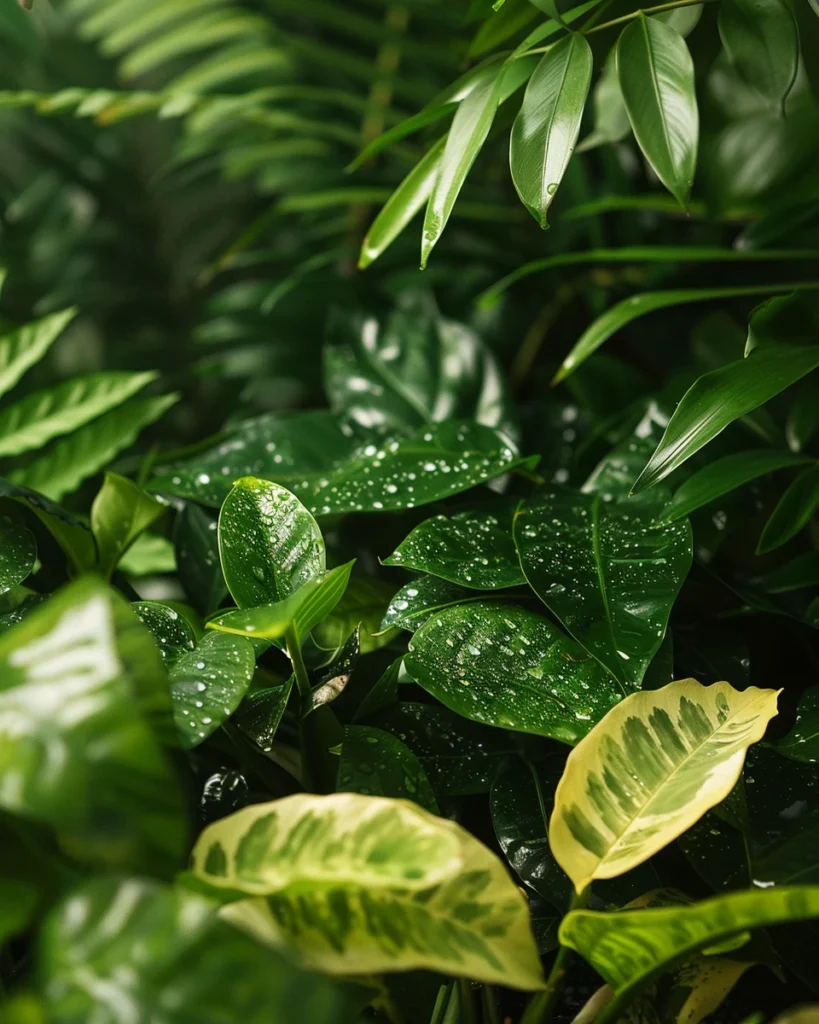
How to Grow Fuller, Greener Indoor Plants: Essential Care Tips for Thriving Houseplants
Intro for Fuller, Greener Indoor Plants
Indoor plants bring life, color, and improved air quality to our homes, but many houseplant enthusiasts struggle to achieve that lush, vibrant growth seen in magazines and social media. The secret to fuller, greener indoor plants lies in understanding their specific needs and creating optimal growing conditions. With proper light management, appropriate watering techniques, strategic fertilization, and regular maintenance, even novice plant parents can transform sparse, pale specimens into thriving, luxuriant greenery. This guide reveals professional techniques to help your indoor plants reach their full potential, regardless of your experience level or growing environment.
When to plant Fuller, Greener Indoor Plants
While indoor plants can technically be potted or repotted year-round, timing your planting activities with their natural growth cycles yields better results. Spring and early summer (March through June) are ideal for most houseplants, as increasing daylight hours stimulate active growth. During this period, soil temperatures indoors typically range from 18-24°C (65-75°F), creating optimal conditions for root establishment. Avoid major repotting during winter dormancy periods when many plants naturally slow their growth. For tropical varieties, maintain indoor temperatures above 15°C (60°F) year-round to prevent cold damage.
Best time to plant Fuller, Greener Indoor Plants
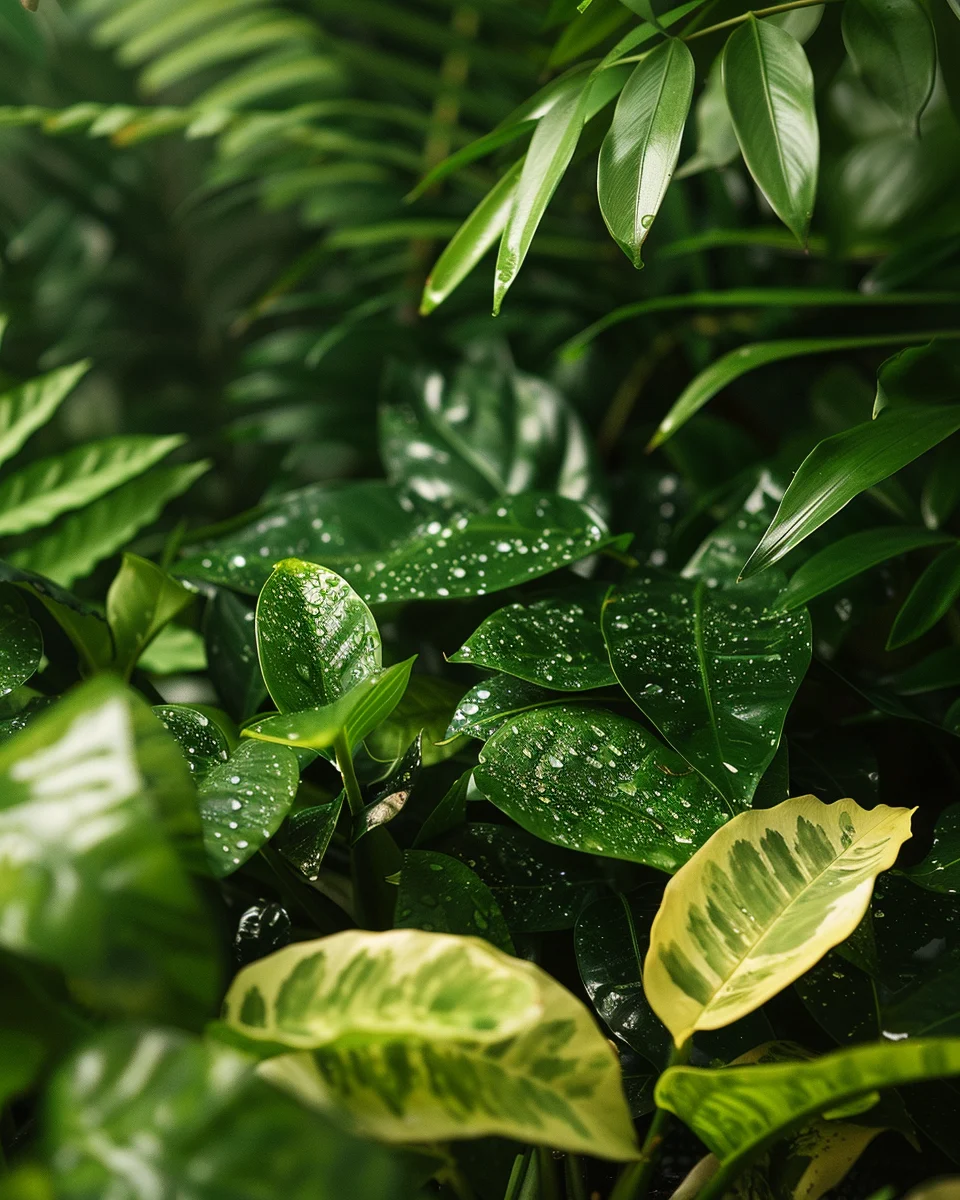
In temperate regions, the optimal window for potting or repotting most houseplants is mid-March through May, when natural light increases and plants exit dormancy. For warm-climate regions, extend this window through September, avoiding only the most intense summer heat. When propagating from cuttings, spring and early summer provide the highest success rates for most varieties. For flowering houseplants like orchids or African violets, time repotting for just after their blooming cycle ends. Allow newly purchased plants to acclimate to your home for 1-2 weeks before transplanting to reduce shock.
Best Fuller, Greener Indoor Plants varieties to grow
• Pothos (Epipremnum aureum) – Exceptionally forgiving for beginners with rapid, trailing growth and various variegation patterns.
• ZZ Plant (Zamioculcas zamiifolia) – Thrives in low light with minimal care, producing glossy, dark green foliage.
• Spider Plant (Chlorophytum comosum) – Air-purifying champion that produces numerous “babies” for propagation.
• Monstera deliciosa – Dramatic split leaves create instant tropical impact with moderate care requirements.
• Peace Lily (Spathiphyllum) – Elegant white blooms complement deep green foliage while tolerating lower light.
• Rubber Plant (Ficus elastica) – Fast-growing with large, glossy leaves available in green, burgundy, or variegated forms.
• Snake Plant (Sansevieria) – Nearly indestructible upright growth in various patterns, perfect for neglectful gardeners.
• Chinese Evergreen (Aglaonema) – Colorful, patterned foliage thrives in low to medium light with minimal fuss.
How to plant Fuller, Greener Indoor Plants
Materials list:
– Quality potting mix specific to plant type (tropical, succulent, etc.)
– Container with drainage holes 2-4 inches (5-10 cm) larger than current pot
– Watering can with narrow spout
– Small trowel or scoop
– Clean scissors or pruning shears
– Pebbles or pottery shards for drainage layer
– Gloves (optional)
– Diluted hydrogen peroxide solution (optional, for root health)
Step-by-step:
1. Select a container 2-4 inches larger than the current pot with adequate drainage holes.
2. Create a drainage layer with small pebbles or pottery shards covering the bottom 1 inch (2.5 cm).
3. Fill the container one-third full with appropriate potting mix, pressing lightly to remove air pockets.
4. Gently remove the plant from its current container by turning it sideways and tapping the rim.
5. Carefully loosen the root ball, removing approximately 1/3 of the old soil and trimming any damaged roots.
6. Position the plant in the new container so the top of the root ball sits 1-2 inches (2.5-5 cm) below the rim.
7. Fill around the roots with fresh potting mix, pressing gently to eliminate air pockets.
8. Water thoroughly until moisture drains from the bottom, then empty the drainage tray.
9. Place in an appropriate light location based on the plant’s specific needs, avoiding direct sunlight for the first week.
10. Wait 2-4 weeks before fertilizing to allow the plant to adjust to its new container.
How to grow Fuller, Greener Indoor Plants
Light is the most critical factor for lush growth – most houseplants need bright, indirect light for 6-8 hours daily. Rotate plants quarterly to ensure even growth on all sides. Water thoroughly but infrequently, allowing the top 1-2 inches (2.5-5 cm) of soil to dry between waterings for most varieties. Implement a regular fertilization schedule using a balanced, water-soluble fertilizer at half-strength every 4-6 weeks during growing season (spring through early fall), suspending during winter months. Increase humidity around tropical plants by grouping them together, using pebble trays with water, or running a humidifier nearby. For container-grown specimens, choose pots that are proportional to plant size, generally 2-4 inches (5-10 cm) larger than the root ball. Prune regularly to encourage branching and fuller growth, removing no more than 25% of foliage at once. For climbing varieties like pothos or philodendron, provide moss poles or trellises to support vertical growth and larger leaf development.
Caring for Fuller, Greener Indoor Plants
Dust leaves monthly with a damp cloth to improve photosynthesis and appearance. Monitor for common pests like spider mites (tiny webbing, stippled leaves), mealybugs (white cotton-like clusters), or scale (brown bumps on stems) – treat immediately with insecticidal soap or neem oil. Yellow leaves typically indicate overwatering; brown leaf tips suggest underwatering or low humidity. For fungal issues showing as black or brown spots, improve air circulation and reduce overhead watering. Pinch growing tips regularly to encourage bushier growth, especially on vining plants. Repot most houseplants every 1-2 years or when roots circle the bottom of the pot. For optimal leaf color, provide appropriate light – darker green varieties typically tolerate lower light, while variegated plants need brighter conditions to maintain patterns. During winter, move plants away from cold windows and drafty areas to prevent stress and leaf drop.
Understanding bolting in Fuller, Greener Indoor Plants
While true bolting (premature flowering and seed production) primarily affects edible plants, indoor ornamentals can experience similar stress responses. Indoor herbs like basil or cilantro may bolt when exposed to temperature fluctuations, particularly when placed near heating vents or air conditioners. Prevent stress-induced flowering by maintaining consistent temperatures between 18-24°C (65-75°F) and avoiding dramatic light changes. Some flowering houseplants like peace lilies or orchids may produce fewer blooms when light levels are inadequate. If unwanted flowering occurs in foliage plants, promptly remove flower stalks to redirect energy back to leaf production. For indoor herbs grown for culinary use, harvest regularly to discourage flowering and maintain tender, flavorful foliage.
Why does Fuller, Greener Indoor Plants turn bitter?
• Insufficient light: Plants stretch and produce fewer chlorophyll pigments, resulting in pale, thin growth – move to brighter location.
• Nutrient deficiency: Yellowing leaves with green veins indicate iron or magnesium deficiency – apply appropriate fertilizer.
• Overwatering: Soggy soil leads to root rot and yellowing foliage – allow soil to dry between waterings and improve drainage.
• Pest infestation: Sap-sucking insects deplete plant resources – inspect undersides of leaves regularly and treat promptly.
• Root-bound conditions: Cramped roots cannot absorb sufficient nutrients – repot into a container 2-4 inches larger.
Companion planting for Fuller, Greener Indoor Plants
Group plants with similar care requirements for easier maintenance and improved aesthetics. Pair moisture-loving ferns with peace lilies and calatheas to create humidity-sharing clusters. Place trailing pothos or spider plants on shelves above upright plants to create multi-level displays. Combine fast-growing plants with slower specimens to maintain visual interest while waiting for slower varieties to mature. Avoid placing high-humidity tropical plants next to cacti or succulents, as their opposing water needs will make care difficult. Keep aggressive growers like pothos separate from delicate, slow-growing plants to prevent competition. Consider combining plants with air-purifying qualities like snake plants, peace lilies, and spider plants in bedrooms or offices for improved air quality.
Seasonal calendar
• January-February: Reduce watering frequency; clean leaves; inspect for pests during dry indoor heating season.
• March-April: Resume regular fertilization; begin repotting as needed; increase watering as growth resumes.
• May-June: Prune for shape; propagate cuttings; move sensitive plants away from increasingly hot windows.
• July-August: Monitor for increased water needs; provide humidity for tropical varieties; protect from air conditioning drafts.
• September-October: Gradually reduce fertilization; bring outdoor plants inside before temperatures drop below 10°C (50°F).
• November-December: Reduce watering by 30-50%; move plants away from cold windows and heating vents; suspend fertilization.
Problems & solutions
Problem | Quick Fix
——–|———-
Leggy, stretched growth | Increase light exposure; pinch growing tips to encourage branching
Yellow, dropping leaves | Check for overwatering; allow soil to dry between waterings
Brown leaf tips/edges | Increase humidity; move away from heating vents
White crust on soil surface | Flush pot with distilled water to remove mineral buildup
Sudden leaf drop | Check for drafts, temperature extremes, or recent relocation shock
Pale, lackluster foliage | Apply diluted liquid fertilizer; increase light exposure
Sticky leaves or surfaces | Inspect for scale or aphids; treat with insecticidal soap
Common questions about growing Fuller, Greener Indoor Plants
How often should I water my indoor plants?
Allow the top 1-2 inches (2.5-5 cm) of soil to dry between waterings for most plants; succulents can go longer while ferns prefer consistent moisture.
Can I use regular garden soil for my houseplants?
No, garden soil is too heavy and may contain pests or diseases; always use sterile potting mix formulated for indoor plants.
Why are my plant’s leaves turning yellow?
Yellowing leaves most commonly indicate overwatering, but can also signal nutrient deficiencies, insufficient light, or pest problems.
How do I know when to repot my houseplant?
Repot when roots circle the bottom of the pot, growth slows despite proper care, or the plant requires watering more frequently than usual.
What’s the best fertilizer for indoor plants?
A balanced, water-soluble fertilizer (like 10-10-10) applied at half the recommended strength every 4-6 weeks during growing season works for most houseplants.
Can I place my plants near air conditioning or heating vents?
No, the temperature fluctuations and dry air from HVAC systems stress plants; keep them at least 3 feet (1 meter) away from vents.
How can I increase humidity for my tropical plants?
Group plants together, place on pebble trays with water, use a room humidifier, or mist foliage in the morning (avoiding plants that dislike wet leaves).