

The Secret Fertilizer That Makes Pepper Plants Go Wild: A Complete Guide to Explosive Growth and Harvests
Intro for The Secret Fertilizer that Makes Pepper Plants Go Wild
Coffee grounds, a common household waste product, are the secret weapon many gardeners overlook when growing peppers. This nitrogen-rich organic material works wonders for pepper plants, promoting vigorous growth, abundant flowering, and ultimately, impressive harvests. When properly applied, coffee grounds improve soil structure, add valuable nutrients, and even help deter certain pests. This natural fertilizer works particularly well in slightly acidic soils typical of many temperate growing regions. Whether you’re growing sweet bell peppers or fiery habaneros, incorporating this kitchen waste into your garden routine can transform your pepper growing success with minimal cost and effort.
When to plant The Secret Fertilizer that Makes Pepper Plants Go Wild
The best time to incorporate coffee grounds into your pepper growing regimen is before planting and throughout the growing season. In temperate regions, prepare beds with coffee grounds 2-3 weeks before transplanting pepper seedlings, when soil temperatures consistently reach 15-18°C (60-65°F). For established plants, begin applications when nighttime temperatures remain above 10°C (50°F) and continue until early autumn. Coffee grounds can be particularly beneficial during the pre-flowering and fruit development stages. Always avoid applying fresh grounds during frost periods, as the nitrogen boost could stimulate tender growth vulnerable to cold damage.
Best time to plant The Secret Fertilizer that Makes Pepper Plants Go Wild
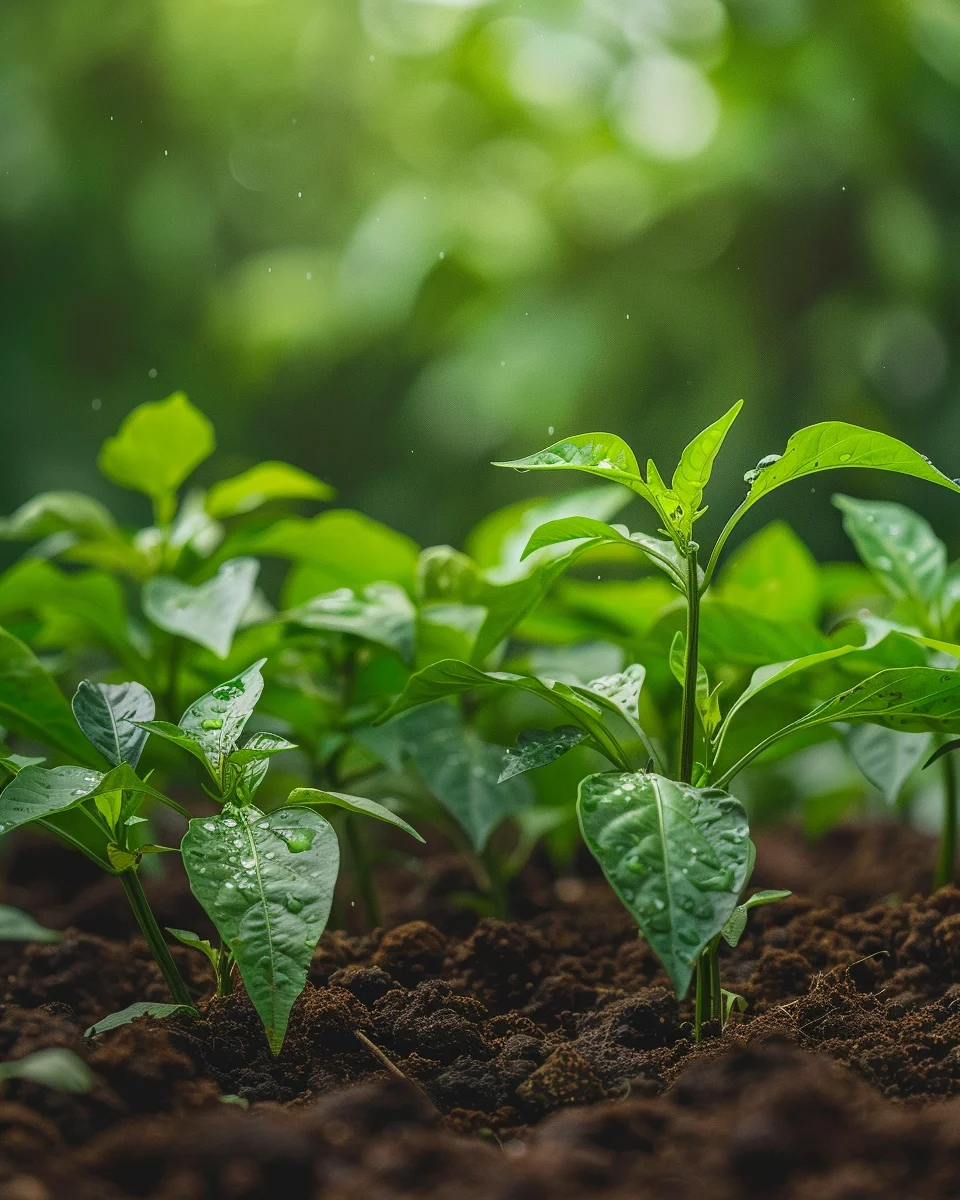
In cool temperate regions (US Zones 5-6, UK), incorporate coffee grounds into soil in mid-spring (April-May) before transplanting pepper seedlings outdoors. For warmer regions (US Zones 7-9, Mediterranean), you can begin as early as March. For direct application to established plants, the optimal window is early morning or evening during active growth periods (May-August). Apply every 2-3 weeks during the growing season, reducing frequency to monthly applications in late summer. Container-grown peppers benefit from slightly more frequent applications (every 10-14 days) during peak growing season due to nutrient leaching from regular watering.
Best The Secret Fertilizer that Makes Pepper Plants Go Wild varieties to grow
• Bell Peppers (California Wonder) – Particularly responsive to coffee grounds, showing increased fruit size and wall thickness.
• Jalapeños – Develop more intense heat and better color when supplemented with coffee-based fertilizer.
• Cayenne – Produces notably longer fruits with improved disease resistance when grown with coffee grounds.
• Habanero – Develops more complex flavor profiles and increased capsaicin content with coffee ground applications.
• Sweet Banana Peppers – Show improved productivity and sweeter flavor when grown with coffee grounds.
• Poblano/Ancho – Develop thicker walls and more robust plants when supplemented regularly.
• Thai Bird’s Eye – Produce significantly more fruits per plant with regular coffee ground applications.
• Hungarian Wax – Show improved drought tolerance and extended harvest periods with coffee ground fertilization.
How to plant The Secret Fertilizer that Makes Pepper Plants Go Wild
Materials needed:
– Used coffee grounds (2-3 cups per plant)
– Compost (equal parts to coffee grounds)
– Garden fork or tiller
– pH testing kit
– Watering can
– Mulch material (straw or wood chips)
– Eggshells (optional calcium supplement)
Step-by-step planting process:
1. Test soil pH first – ideal range for peppers with coffee grounds is 6.0-6.8.
2. Mix coffee grounds with an equal amount of compost to prevent nitrogen lock-up.
3. For new beds, work 2-3 cups of the coffee-compost mixture per square meter (yard) into the top 15 cm (6 inches) of soil.
4. Dig planting holes twice the width of your pepper root balls and at the same depth.
5. Add 1/4 cup of the coffee-compost mixture to the bottom of each hole, covering with a thin layer of soil.
6. Place pepper plants in holes, ensuring they’re at the same depth as they were in their containers.
7. Backfill with soil, gently firming around roots without compacting.
8. Create a shallow basin around each plant for water retention.
9. Water thoroughly until soil is evenly moist but not soggy.
10. Apply 2-3 cm (1 inch) of mulch around plants, keeping it 5 cm (2 inches) away from stems.
How to grow The Secret Fertilizer that Makes Pepper Plants Go Wild
Peppers fertilized with coffee grounds thrive in full sun (6-8 hours daily), though in very hot regions, afternoon shade is beneficial. Water deeply when the top 2.5 cm (1 inch) of soil feels dry, typically 2-3 times weekly depending on weather. Apply the coffee ground mixture as a side dressing every 2-3 weeks, working 1/4 cup per plant gently into the soil around the drip line. For an extra boost, brew weak coffee “tea” by steeping 1 cup grounds in 5 liters (1.3 gallons) of water overnight, then dilute 1:4 with water for occasional foliar feeding. Maintain a 5 cm (2 inch) mulch layer to conserve moisture and suppress weeds. For container-grown peppers, use a 40-50 cm (16-20 inch) pot with drainage holes, mixing 20% coffee grounds into the potting medium, and supplement with half-strength coffee “tea” monthly. Stake taller varieties when they reach 30 cm (12 inches) to prevent wind damage and support heavy fruit loads.
Caring for The Secret Fertilizer that Makes Pepper Plants Go Wild
Monitor plants weekly for signs of nutrient imbalance – yellowing lower leaves may indicate nitrogen deficiency requiring additional coffee grounds, while dark green leaves with poor fruit set suggest excess nitrogen (reduce applications). Watch for aphids, which dislike coffee-treated plants but may still appear; blast with water or apply insecticidal soap if needed. Coffee grounds help deter slugs naturally, but for persistent infestations, create coffee ground barriers around plants. Fungal issues are less common with coffee-supplemented soil, but maintain good air circulation by proper spacing and selective pruning. Harvest peppers when they reach full size and desired color, using sharp scissors to avoid damaging plants. For storage, refrigerate sweet peppers for 1-2 weeks or dry hot varieties for long-term preservation. In late season, reduce coffee applications to encourage final fruit ripening rather than new growth.
Understanding bolting in The Secret Fertilizer that Makes Pepper Plants Go Wild
While true bolting (premature flowering and seed production) is not typically an issue with peppers as it is with leafy greens, pepper plants can experience stress-induced flowering problems. Excessive nitrogen from too many coffee grounds can cause plants to produce abundant foliage at the expense of flowers and fruits. Temperature stress (below 15°C/60°F or above 35°C/95°F) can cause flower drop even in well-fertilized plants. To prevent these issues, apply coffee grounds moderately during flowering periods, use a balanced approach by mixing with compost, and provide shade during extreme heat. If plants show excessive vegetative growth without fruiting, reduce coffee ground applications and supplement with phosphorus-rich amendments like bone meal to encourage flowering and fruiting.
Why does The Secret Fertilizer that Makes Pepper Plants Go Wild turn bitter?
• Over-application of fresh coffee grounds – Fresh grounds can be too acidic; solution: compost grounds first or mix with garden lime.
• Nitrogen imbalance – Too much nitrogen from coffee grounds causes bitter, less flavorful peppers; solution: reduce application frequency by half.
• Moisture stress – Coffee grounds can retain moisture, potentially causing root issues; solution: ensure proper drainage and monitor watering carefully.
• Variety reaction – Some pepper varieties react differently to coffee grounds; solution: test on a few plants before applying to entire crop.
• Soil pH shift – Continuous application may gradually lower soil pH; solution: test soil regularly and amend with lime if pH drops below 6.0.
Companion planting for The Secret Fertilizer that Makes Pepper Plants Go Wild
Good companions:
• Basil – Improves pepper flavor and growth while benefiting from similar coffee ground applications.
• Onions/Garlic – Repel pests that affect peppers and aren’t negatively impacted by coffee grounds.
• Carrots – Utilize different soil depths and benefit from the improved soil structure coffee grounds provide.
• Marigolds – Deter nematodes while thriving in the slightly acidic soil created by coffee grounds.
• Nasturtiums – Act as trap crops for aphids while tolerating coffee-amended soil well.
Avoid planting near:
• Fennel – Inhibits pepper growth and competes poorly in coffee-enriched soil.
• Brassicas (cabbage, broccoli) – Compete for similar nutrients and may be negatively affected by coffee grounds’ acidity.
• Beans – Fix their own nitrogen and can suffer from excess nitrogen when coffee grounds are present.
Seasonal calendar
• Early Spring (March-April): Prepare beds with aged coffee grounds mixed with compost (2:1 ratio).
• Mid-Spring (April-May): Transplant seedlings into prepared soil; water with weak coffee “tea” solution (1:10 dilution).
• Late Spring (May-June): Apply first side dressing of coffee-compost mix when plants reach 20 cm (8 inches).
• Early Summer (June-July): Second application during flowering stage; mulch with coffee grounds mixed with straw.
• Mid-Summer (July-August): Apply third feeding when first fruits appear; supplement with crushed eggshells for calcium.
• Late Summer (August-September): Final light application focusing on fruiting plants; reduce nitrogen for sweeter peppers.
• Fall (September-October): Harvest remaining peppers; collect coffee grounds for composting over winter.
• Winter (November-February): Compost coffee grounds with other organic matter for next season’s use.
Problems & solutions
| Problem | Quick Fix |
|---|---|
| Yellowing leaves despite coffee grounds | Check for magnesium deficiency; spray with Epsom salt solution (1 tbsp/gallon) |
| Mold developing on coffee mulch | Reduce thickness of coffee layer and mix with drier materials like straw |
| Plants growing tall but not producing | Too much nitrogen; cut back on coffee grounds and add bone meal |
| Soil becoming too acidic | Add garden lime (1 tbsp per plant) and reduce coffee application frequency |
| Fruit drop after applying coffee grounds | Water more consistently and apply grounds further from stem |
| Stunted growth despite regular feeding | Test for nitrogen lock-up; ensure coffee grounds are well-composted before application |
Common questions about growing The Secret Fertilizer that Makes Pepper Plants Go Wild
Q: Can I apply fresh coffee grounds directly to pepper plants?
A: It’s best to compost coffee grounds first or mix with garden soil at a 1:4 ratio to prevent nitrogen lock-up and mold issues.
Q: How much coffee grounds should I use per pepper plant?
A: Apply approximately 1/4 to 1/2 cup of grounds per plant every 2-3 weeks, working it gently into the soil around the drip line.
Q: Will coffee grounds make my peppers taste like coffee?
A: No, coffee grounds won’t affect the flavor of your peppers. They break down to provide nutrients without transferring coffee flavors.
Q: Can I grow peppers in containers using coffee grounds?
A: Yes, use a 40-50 cm (16-20 inch) container with drainage holes, incorporating coffee grounds at 20% of the potting mix volume.
Q: Do all pepper varieties respond the same to coffee ground fertilizer?
A: Most peppers respond positively, but hot peppers often show more dramatic improvements in both growth and capsaicin content than sweet varieties.
Q: How do I know if I’m using too much coffee grounds?
A: Watch for excessive leafy growth without flowering, dark green leaves, or a white mold on the soil surface – all signs to reduce application.
Q: Can I use coffee grounds in seed starting mix for pepper seedlings?
A: Use sparingly (no more than 10% of mix) for seedlings, as young plants are more sensitive to the acidity and nitrogen levels.