
How to Grow Herbs for Maximum Flavor: When to Plant, Best Varieties & Care
Intro for Herbs for Maximum Flavor
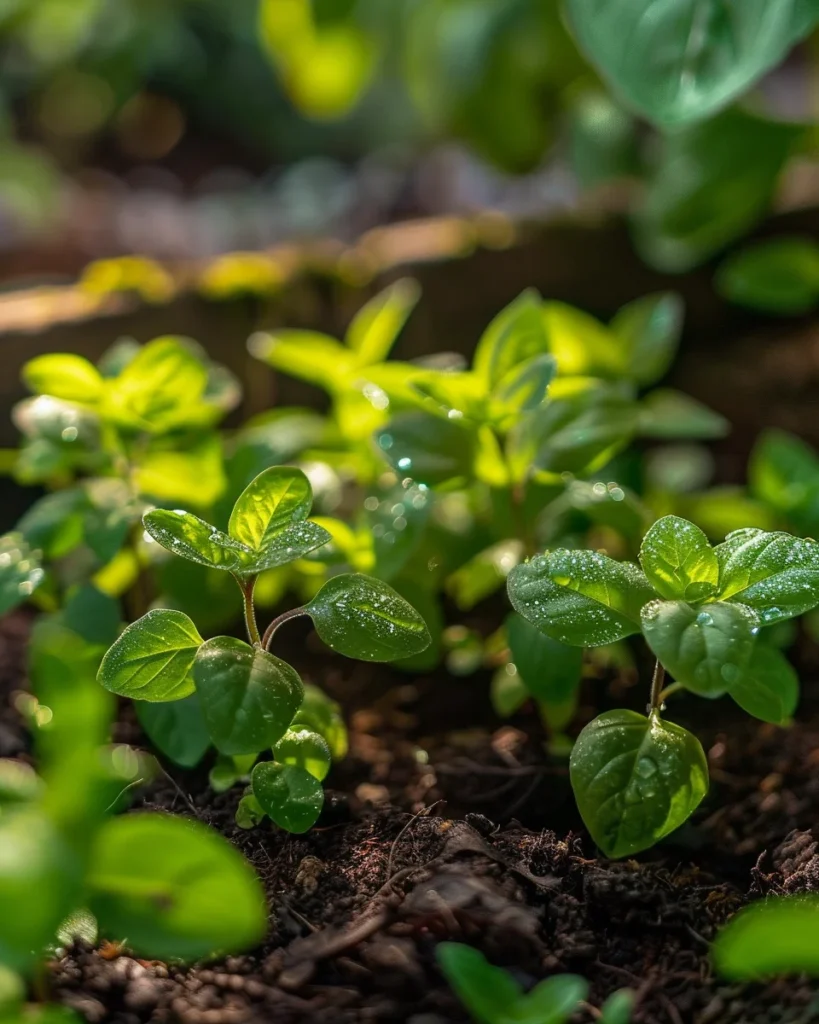
Herbs are the culinary treasures of the garden, offering fresh flavors that simply can’t be matched by their dried counterparts. Growing your own herbs allows you to harvest at peak flavor moments and enjoy aromatics that transform ordinary meals into extraordinary culinary experiences. From the refreshing notes of mint and basil to the earthy complexity of thyme and rosemary, herbs thrive in a variety of conditions across temperate regions. Whether you have acres of land or just a sunny windowsill, herbs are among the most rewarding and accessible plants for both beginning and experienced gardeners. With proper timing and care, you can enjoy maximum flavor from your herb garden throughout the growing season.
When to plant Herbs for Maximum Flavor
The optimal planting time for herbs varies by type, but generally falls into two categories: cool-season and warm-season herbs. Cool-season herbs like parsley, cilantro, dill, and chives can tolerate light frost and prefer soil temperatures between 10-21°C (50-70°F). These should be planted in early spring or fall. Warm-season herbs such as basil, oregano, rosemary, and thyme prefer soil temperatures of 18-24°C (65-75°F) and should only be planted after all danger of frost has passed. In temperate regions, this typically means waiting until late spring when nighttime temperatures consistently remain above 10°C (50°F).
Best time to plant Herbs for Maximum Flavor
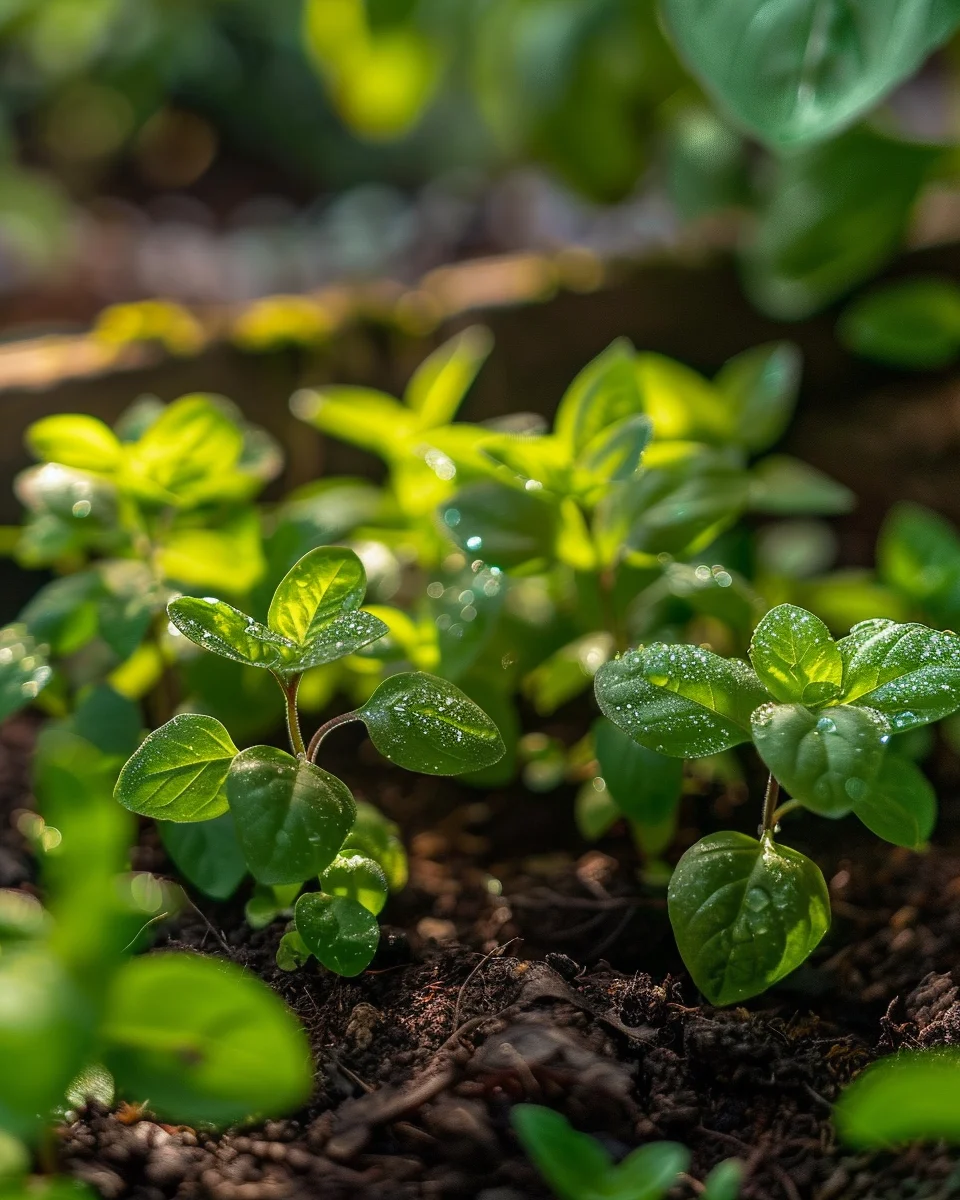
For cool-climate regions (US Zones 3-6, UK northern regions), plant cool-season herbs in April-May or August-September. Warm-season herbs should wait until late May through June. In moderate climates (US Zones 7-8, UK southern regions), plant cool-season herbs in March-April or September-October, and warm-season varieties from mid-April through May. For warm climates (US Zones 9-11, Mediterranean regions), cool-season herbs grow best when planted October through February, while warm-season herbs thrive when planted March through April. Perennial herbs like rosemary, thyme, and sage establish better when transplanted as seedlings, while annual herbs like basil, cilantro, and dill can be directly sown once soil temperatures are appropriate.
Best Herbs for Maximum Flavor varieties to grow
- Genovese Basil – The classic Italian variety with intense aroma, perfect for pesto and Mediterranean dishes.
- Greek Oregano – More flavorful than common oregano, with a robust, spicy profile ideal for tomato-based dishes.
- French Thyme – Compact growth habit with exceptional flavor concentration, perfect for containers and cooking.
- Fernleaf Dill – Slow to bolt, compact variety that’s perfect for containers while maintaining the distinctive dill flavor.
- Spicy Globe Basil – Naturally compact, intensely flavored variety that excels in containers and small spaces.
- Arp Rosemary – Exceptionally cold-hardy (to Zone 6), maintaining strong pine-like flavor even in cooler regions.
- Vietnamese Coriander – Heat-tolerant alternative to cilantro with similar flavor that rarely bolts in hot weather.
- Kentucky Colonel Mint – Less invasive than common mint with superior flavor for culinary uses, especially mojitos.
How to plant Herbs for Maximum Flavor
Materials needed:
- Herb seeds or seedlings
- Well-draining potting mix or garden soil amended with compost
- Containers with drainage holes (if container gardening)
- Garden trowel
- Watering can with gentle spray
- Plant markers
- Organic fertilizer (optional)
Step-by-step planting:
- Select a location that receives at least 6 hours of sunlight daily for most herbs (Mediterranean herbs like rosemary and thyme prefer full sun, while mint and parsley can tolerate partial shade).
- Prepare soil by removing weeds and incorporating 2-3 inches (5-7 cm) of compost to improve drainage and fertility.
- For direct sowing, create shallow furrows according to seed packet directions, typically 1/4 inch (6 mm) deep for most herb seeds.
- Space seeds according to mature plant size: small herbs like thyme 6-8 inches (15-20 cm) apart; larger herbs like rosemary 18-24 inches (45-60 cm) apart.
- For seedlings, dig holes slightly larger than the root ball and plant at the same depth as they were growing in their containers.
- Water thoroughly after planting, using a gentle spray to avoid displacing seeds or disturbing roots.
- Apply a thin layer of fine mulch around seedlings (but not touching stems) to retain moisture and suppress weeds.
- Label each planting area clearly to identify herbs as they emerge.
How to grow Herbs for Maximum Flavor
Most culinary herbs require full sun (6+ hours daily) to develop maximum flavor compounds, though cilantro, parsley, and mint can tolerate partial shade. Water requirements vary significantly: Mediterranean herbs like rosemary, thyme, and sage prefer drier conditions with deep, infrequent watering, while basil, mint, and parsley need consistent moisture. As a general rule, water when the top inch (2.5 cm) of soil feels dry. Fertilize herbs sparingly—excessive nitrogen promotes lush growth but dilutes flavor. Apply a balanced organic fertilizer at half-strength once monthly during the growing season.
For container herbs, use pots at least 8 inches (20 cm) in diameter with excellent drainage. Regularly pinch back growing tips to encourage bushiness and prevent flowering in basil, cilantro, and other herbs grown for leaves. Mulch garden herbs with a light layer of straw or compost to retain moisture and suppress weeds. Most herbs don’t require staking, though tall varieties like dill and fennel may benefit from support in windy locations.
Caring for Herbs for Maximum Flavor
Regular harvesting is the most important ongoing task for flavorful herbs—frequent, gentle pruning encourages new growth with the highest concentration of essential oils. Harvest in the morning after dew has dried but before the day heats up for maximum flavor. Common pests include aphids (spray with strong water stream or insecticidal soap), spider mites (increase humidity and apply neem oil), and whiteflies (use yellow sticky traps and insecticidal soap). Fungal diseases often result from poor air circulation and overhead watering—prevent by spacing plants properly and watering at soil level.
For most leaf herbs, harvest before flowering for best flavor. Store fresh herbs by standing stems in water like flowers (basil, cilantro, parsley), wrapping in damp paper towels inside a plastic bag (most leafy herbs), or hanging to dry in bunches (woody herbs like rosemary and thyme). For long-term storage, freeze chopped herbs in ice cube trays with water or olive oil, or dry completely and store in airtight containers away from light.
Understanding bolting in Herbs for Maximum Flavor
Bolting is the process where herbs shift from leaf production to flowering and seed production, often causing leaves to become bitter or less flavorful. This natural process is primarily triggered by increasing day length (photoperiod), sustained high temperatures, or environmental stress like drought. Herbs most prone to bolting include cilantro, dill, basil, and lettuce. To prevent premature bolting, plant cool-season herbs like cilantro and dill in early spring or fall when temperatures are moderate. Provide afternoon shade during hot periods, maintain consistent soil moisture, and harvest regularly to delay flowering.
If bolting begins, immediately harvest remaining leaves for use or preservation. With basil and other tender herbs, pinch off flower buds as soon as they appear to redirect energy to leaf production. For cilantro and dill that have bolted, allow some plants to flower and set seed—the flowers attract beneficial insects, and you can collect seeds for culinary use and future planting.
Why does Herbs for Maximum Flavor turn bitter?
- Bolting/Flowering – Once herbs begin producing flowers, energy shifts from leaf production to reproduction, causing increased bitterness; harvest before flowering begins.
- Heat Stress – Prolonged high temperatures can trigger protective compounds that taste bitter; provide afternoon shade during heat waves.
- Age – Older leaves naturally contain more bitter compounds; harvest younger leaves for milder flavor and allow some older growth for plant health.
- Drought Stress – Insufficient water causes herbs to produce more protective compounds, increasing bitterness; maintain consistent moisture without overwatering.
- Variety Selection – Some varieties naturally contain more bitter compounds; choose varieties bred for culinary use rather than ornamental types.
Companion planting for Herbs for Maximum Flavor
Good companions:
- Basil with tomatoes – Improves tomato flavor and growth while repelling flies and mosquitoes.
- Rosemary with cabbage family plants – Deters cabbage moths and other brassica pests with its strong aroma.
- Mint with cabbage and tomatoes – Repels cabbage moths, ants, and rodents (but plant in containers to prevent spreading).
- Dill with cucumbers – Attracts beneficial insects that prey on cucumber pests and improves cucumber flavor.
- Thyme with strawberries – Deters worms and enhances growth and flavor of nearby strawberry plants.
- Chives with carrots – Improves growth and flavor while deterring carrot fly with their onion scent.
Avoid planting near:
- Rue near basil or sage – Inhibits growth of these common herbs through allelopathic effects.
- Fennel near most herbs – Secretes compounds that inhibit growth of many garden plants, especially other herbs.
- Mint near parsley – Can overwhelm and outcompete parsley; always contain mint to prevent it from taking over.
Seasonal calendar
Early Spring (March-April):
- Sow cool-season herbs (parsley, cilantro, dill, chives)
- Divide perennial herbs like mint, oregano, and chives
- Prune woody herbs (rosemary, thyme, sage) lightly to shape
Late Spring (May):
- Sow/transplant warm-season herbs (basil, summer savory)
- Begin regular harvesting of perennial herbs
- Apply light organic fertilizer to all herbs
Summer (June-August):
- Harvest herbs regularly during morning hours
- Pinch flower buds on basil and other leaf herbs
- Provide afternoon shade for heat-sensitive herbs
- Take cuttings of woody herbs for propagation
Fall (September-October):
- Sow second crop of cool-season herbs
- Harvest and preserve herbs before frost
- Pot up tender perennials to bring indoors
- Mulch hardy perennial herbs for winter protection
Winter (November-February):
- Grow herbs indoors on sunny windowsills
- Water indoor herbs sparingly
- Plan next season’s herb garden
- Order seeds for early spring sowing
Problems & solutions
| Problem | Quick Fix |
|---|---|
| Leggy, sparse growth | Increase sunlight exposure; pinch tips regularly to encourage branching |
| Yellowing leaves | Check for overwatering; ensure proper drainage; may need light feeding with balanced fertilizer |
| Powdery white spots on leaves | Powdery mildew: improve air circulation, avoid overhead watering, spray with diluted milk solution (1:9 milk:water) |
| Black or brown spots on leaves | Fungal infection: remove affected leaves, reduce humidity, apply organic fungicide if severe |
| Holes in leaves | Insect damage: check undersides of leaves for pests, spray with insecticidal soap, introduce beneficial insects |
| Herbs dying after transplanting | Transplant shock: water thoroughly, provide temporary shade, trim back by 1/3 to reduce transpiration |
| Woody, tough stems | Plant is too mature; harvest more frequently, cut back hard to encourage new growth |
Common questions about growing Herbs for Maximum Flavor
How often should I water my herb garden?
Water when the top inch (2.5 cm) of soil feels dry. Mediterranean herbs (rosemary, thyme, sage) prefer drier conditions, while basil, mint, and cilantro need more consistent moisture. Container herbs typically require more frequent watering than garden-grown plants.
Can I grow all herbs in the same container?
Group herbs with similar water and light requirements. Mediterranean herbs (rosemary, thyme, oregano, sage) work well together in one container. Moisture-loving herbs (basil, parsley, cilantro) can share another. Always isolate mint in its own container as it spreads aggressively.
What’s the minimum container size for herbs?
Use containers at least 8 inches (20 cm) in diameter and 8-10 inches (20-25 cm) deep for most herbs. Larger herbs like rosemary and sage benefit from 12-inch (30 cm) containers. Ensure all containers have adequate drainage holes.
How close can I plant different herbs?
Space small herbs (thyme, oregano) 6-8 inches (15-20 cm) apart, medium herbs (basil, parsley) 8-12 inches (20-30 cm) apart, and large herbs (rosemary, sage) 18-24 inches (45-60 cm) apart. In containers, you can plant slightly closer but ensure good air circulation.
Can herbs survive winter outdoors?
Hardiness varies significantly. Perennial herbs like thyme, sage, and chives (Zones 4-9) can survive winter with proper mulching. Rosemary is less hardy (Zones 7-10). Tender herbs like basil and cilantro are annuals that won’t survive frost. Check specific varieties for cold tolerance.
How often can I harvest herbs without harming the plants?
Most leafy herbs can be harvested regularly once plants are established (6+ inches/15+ cm tall). Never remove more than one-third of the plant at once. Frequent, light harvesting actually promotes bushier growth and better production.
Why is my basil flowering so quickly?
Basil flowers in response to heat, day length, and maturity. Prevent flowering by pinching off the central stem when the plant is 6 inches (15 cm) tall and regularly removing flower buds as they appear. Plant successive crops every 3-4 weeks for continuous harvest.