
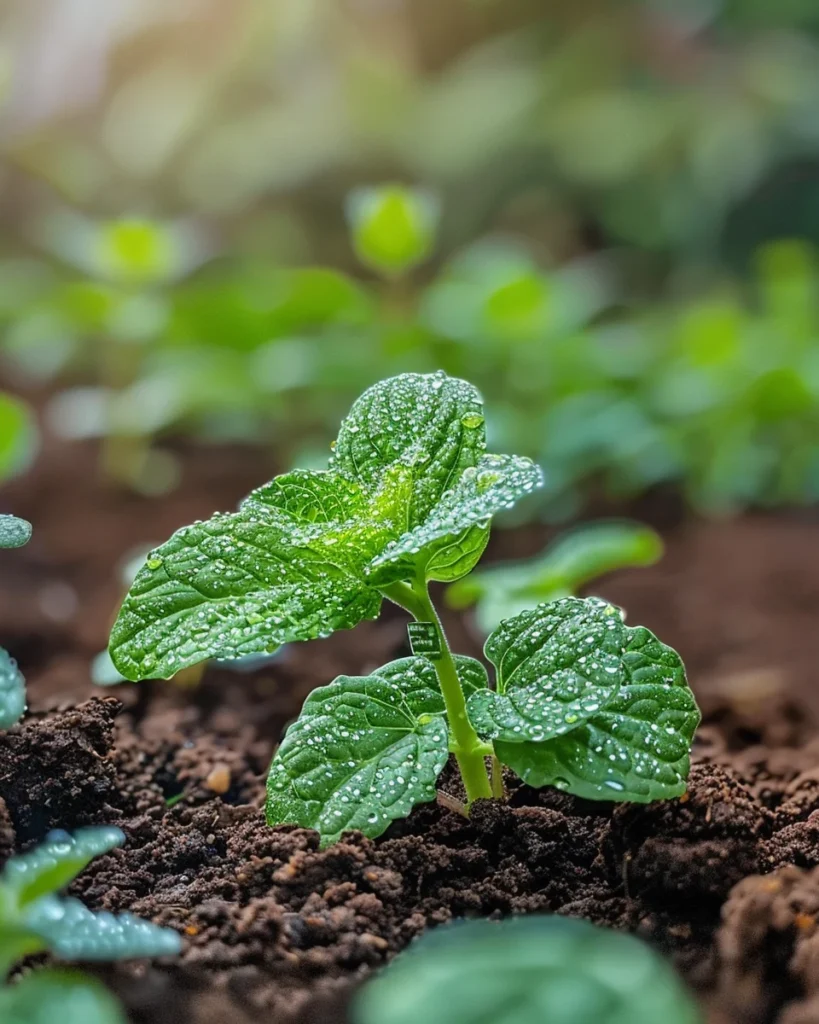
How to Grow Basil Indoors: The One Herb You Should Always Have in Your Kitchen
Intro for The One Herb You Should Always Grow Indoors
Basil is the quintessential indoor herb that every home gardener should cultivate. This aromatic member of the mint family offers incredible versatility in cooking, from Italian classics to Thai curries. Beyond its culinary uses, basil provides health benefits including anti-inflammatory properties and essential vitamins. While many herbs can thrive indoors, basil stands out for its perfect combination of ease of growth, frequent harvest potential, and intense flavor that diminishes quickly in store-bought versions. With minimal space requirements and year-round growing potential, indoor basil provides the freshest flavor while saving money and reducing plastic packaging waste from store-bought herbs.
When to plant The One Herb You Should Always Grow Indoors
The beauty of growing basil indoors is that you can start it any time of year, regardless of outdoor temperatures. However, basil germinates best when soil temperatures are between 21-27°C (70-80°F). In temperate regions, starting seeds in late winter or early spring allows young plants to establish before summer’s peak cooking season. If you’re growing basil primarily indoors, timing matters less since you control the environment. Just ensure your home maintains temperatures above 15°C (60°F), as basil is extremely frost-sensitive and will suffer even in cool indoor drafts.
Best time to plant The One Herb You Should Always Grow Indoors

For indoor basil, the optimal planting window spans February through April in most temperate regions, allowing plants to establish before summer’s peak herb usage. In warmer climates, you might start as early as January, while cooler regions may delay until March. Direct sowing works well indoors, eliminating transplant shock concerns. However, if starting multiple plants, consider beginning seeds in small cells, then transplanting the strongest seedlings to their permanent containers when they develop their first true leaves. For continuous harvests, stagger plantings every 3-4 weeks throughout the year.
Best The One Herb You Should Always Grow Indoors varieties to grow
• Genovese – The classic Italian basil with large, fragrant leaves perfect for pesto and most cooking applications.
• Greek Dwarf – Compact growth habit (under 8 inches) makes it ideal for windowsills and small containers.
• Thai Basil – Distinctive anise flavor that holds up well in cooking and resists bolting better than sweet varieties.
• Spicy Globe – Naturally forms a rounded shape without pinching, perfect for indoor decorative and culinary use.
• Fino Verde – Small leaves but intense flavor, slower to bolt and excellent container performance.
• Cinnamon Basil – Unique spicy-sweet flavor with beautiful purple stems that adds ornamental value to indoor herb gardens.
• Windowbox Mini – Bred specifically for indoor growing with compact habit and continuous leaf production.
How to plant The One Herb You Should Always Grow Indoors
Materials needed:
• Container (6-8 inch pot with drainage holes)
• High-quality potting mix
• Basil seeds or starter plants
• Small pebbles or broken pottery for drainage
• Watering can with gentle spray
• Clear plastic wrap (optional for seed starting)
• Liquid organic fertilizer
• Sunny windowsill or grow light
Planting steps:
1. Select a container at least 6 inches deep with adequate drainage holes.
2. Place a layer of small stones or broken pottery at the bottom to improve drainage.
3. Fill the container with high-quality potting mix to about 1 inch below the rim.
4. Moisten the soil thoroughly and allow excess water to drain completely.
5. Scatter seeds thinly across the surface and cover with just 1/8 inch of soil (basil needs light to germinate).
6. Mist the surface gently to avoid displacing seeds.
7. If starting from seed, cover container with clear plastic to maintain humidity until germination (5-10 days).
8. Place in a warm location (21-27°C/70-80°F) until germination occurs.
9. Once seedlings emerge, remove any covering and move to your brightest window.
10. Thin seedlings to 4-6 inches apart when they develop their first true leaves, keeping the strongest plants.
How to grow The One Herb You Should Always Grow Indoors
Basil requires at least 6 hours of bright light daily—a south-facing window is ideal. If natural light is insufficient, supplement with grow lights positioned 6-12 inches above plants for 12-14 hours daily. Water when the top inch of soil feels dry, typically every 3-4 days, ensuring water reaches the roots but doesn’t leave plants sitting in moisture. Feed with half-strength liquid organic fertilizer every 3-4 weeks during active growth. Maintain good air circulation to prevent fungal issues, but avoid placing near cold drafts or air conditioning vents. For container growing, use pots at least 6 inches deep with excellent drainage. Rotate plants weekly to promote even growth, and consider placing pots on humidity trays filled with pebbles and water to increase ambient moisture without wetting leaves.
Caring for The One Herb You Should Always Grow Indoors
Regular pinching is essential for bushy growth—harvest from the top down, removing stems just above a leaf pair to encourage branching. Watch for aphids (tiny green insects on new growth) and treat with insecticidal soap or a gentle wipe with diluted neem oil. Yellowing lower leaves typically indicate overwatering; allow soil to dry more between waterings. Fungal spots or powdery white patches signal poor air circulation—improve ventilation and avoid wetting leaves. Harvest basil in the morning when essential oils are most concentrated, taking no more than one-third of the plant at once. For storage, keep cut stems in water like flowers for 5-7 days, or wrap leaves in slightly damp paper towels in the refrigerator. Freeze chopped leaves in olive oil in ice cube trays for longer preservation.
Understanding bolting in The One Herb You Should Always Grow Indoors
Bolting is when basil shifts from leaf production to flowering and seed production, causing stems to elongate, flowers to form, and leaves to become smaller and more bitter. Primary triggers include temperatures above 29°C (85°F), insufficient light followed by long daylight periods, or water stress. Prevent bolting by maintaining moderate temperatures, providing consistent moisture, and most importantly, regularly pinching off flower buds as soon as they appear. If your basil does begin to bolt, aggressively prune it back by one-third, removing all flower buds. This can reset the plant’s growth cycle and extend its productive life. In severe cases, take cuttings from lower stems to root new plants while discarding the bolted parent plant.
Why does The One Herb You Should Always Grow Indoors turn bitter?
• Flowering/bolting – Remove all flower buds immediately and harvest more frequently
• Heat stress – Move plant away from heat sources and maintain temperatures below 29°C (85°F)
• Age – Older leaves naturally become more bitter; harvest younger growth and start new plants every 3-4 months
• Insufficient water – Maintain consistent moisture without waterlogging
• Nutrient deficiency – Apply half-strength liquid fertilizer if leaves yellow between veins
Companion planting for The One Herb You Should Always Grow Indoors
Basil grows harmoniously alongside chives, which help repel aphids while requiring similar light and water conditions. Parsley makes an excellent companion as it thrives in the same growing conditions without competing aggressively for resources. Mint can complement basil visually but should be planted in its own container to prevent it from overtaking the space. For ornamental value, pair basil with trailing plants like thyme that spill over container edges. Avoid planting basil near rue, as they’re antagonistic companions. Also, keep separate from sage, which prefers drier conditions that can stress basil plants.
Seasonal calendar
• January-February: Start seeds indoors under grow lights in cooler climates
• March-April: Begin new plantings; refresh soil in existing containers
• May-June: Peak growth period; fertilize every 3-4 weeks; harvest regularly
• July-August: Watch for bolting in hot weather; provide afternoon shade if needed
• September-October: Take cuttings to propagate new plants before winter
• November-December: Provide supplemental lighting as daylight decreases; reduce watering slightly
Problems & solutions
| Problem | Quick Fix |
|---|---|
| Leggy, sparse growth | Increase light; pinch growing tips to encourage branching |
| Yellowing leaves | Check drainage; allow soil to dry between waterings |
| Brown leaf edges | Increase humidity; move away from heating vents |
| Tiny black spots on leaves | Improve air circulation; avoid wetting leaves when watering |
| Aphids on new growth | Spray with insecticidal soap or wipe with diluted neem oil |
| White powdery coating | Treat with baking soda solution (1 tsp per quart water) |
| Dropping leaves | Check for drafts or temperature extremes; maintain 65-80°F |
Common questions about growing The One Herb You Should Always Grow Indoors
How often should I water indoor basil?
Water when the top inch of soil feels dry to the touch, typically every 3-4 days, adjusting for humidity levels in your home. Always water at the soil level to keep leaves dry.
Can basil grow in low light conditions?
Basil requires at least 6 hours of bright light daily. In low light, supplement with grow lights positioned 6-12 inches above plants for 12-14 hours daily to prevent leggy, weak growth.
What size container does indoor basil need?
Use containers at least 6-8 inches deep with good drainage. A single plant needs a 6-inch pot, while 3-4 plants can share a 10-12 inch container.
How do I harvest basil without killing the plant?
Harvest from the top down, cutting stems just above a leaf pair to encourage branching. Never remove more than one-third of the plant at once, and harvest regularly to promote bushier growth.
How long will an indoor basil plant live?
With proper care, indoor basil can live 6-12 months. For best quality, start new plants every 3-4 months, as older plants become woody and less productive.
Can I grow basil from cuttings?
Yes! Place 4-inch stem cuttings (with leaves removed from the bottom half) in water until roots form (1-2 weeks), then plant in soil. This is faster than starting from seed.
Why are my basil leaves curling?
Leaf curl typically indicates pest presence (check undersides), temperature stress (keep between 65-80°F), or inconsistent watering. Stabilize conditions and inspect regularly for improvement.