
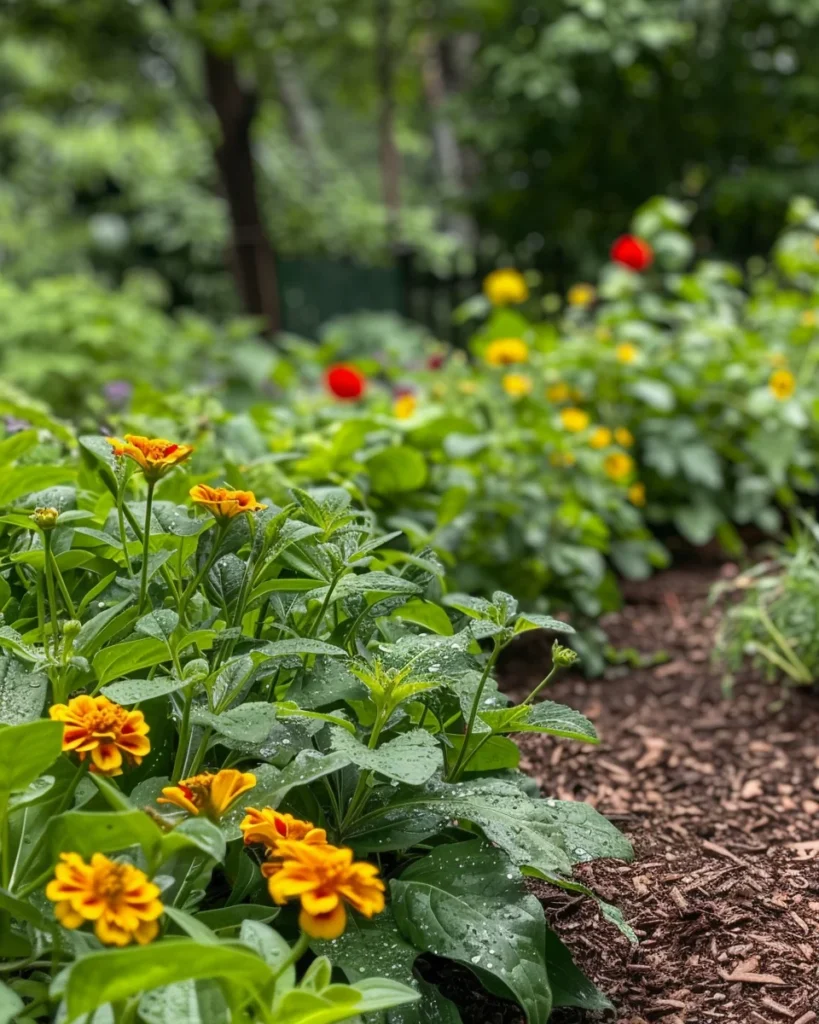
How to Create Professional-Looking Flower Beds: Easy Steps for Beautiful Garden Borders
Intro for Creating Professional-Looking Flower Beds
Well-designed flower beds are the backbone of any beautiful garden, creating structure and showcasing your favorite plants. Creating professional-looking flower beds doesn’t require a landscape architect’s degree—just some planning and a few key techniques. A thoughtfully designed flower bed adds curb appeal, increases property value, and provides a canvas for your gardening creativity. Whether you’re starting from scratch or renovating existing beds, this guide will walk you through creating garden borders that look like they were installed by a professional landscaper, even if you’re a complete beginner.
When to create flower beds
The ideal time to establish new flower beds is during mild weather in spring or fall. In most temperate regions, early spring (after the last frost) provides ample time for plants to establish before summer heat, while early fall (at least 6 weeks before first frost) allows root development before winter dormancy. Soil temperatures between 10-21°C (50-70°F) are optimal for working the soil and plant establishment. Avoid creating beds during extreme heat, drought, or when the ground is frozen or waterlogged, as these conditions make soil preparation difficult and stress newly installed plants.
Best time to plant flower beds
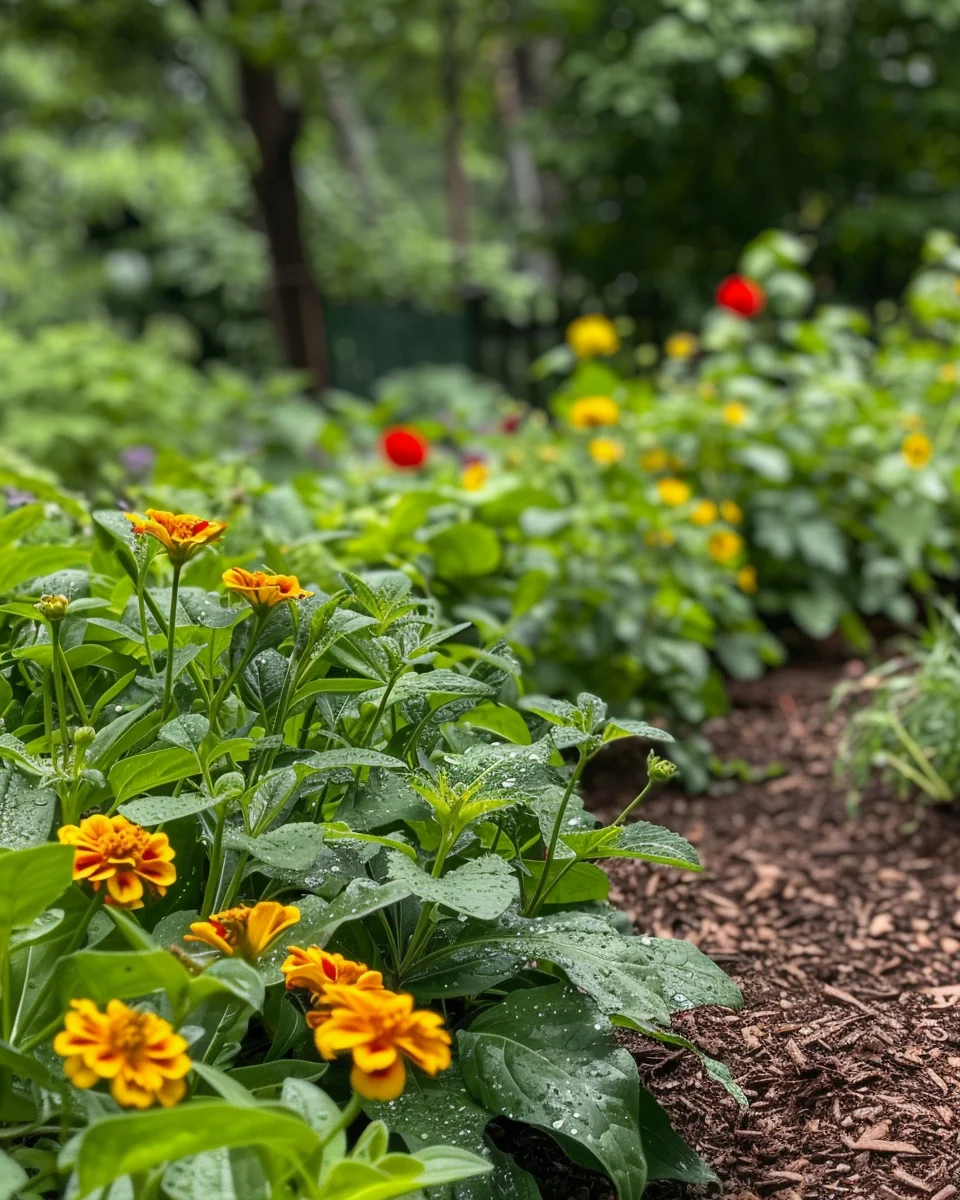
For cool-climate regions (US Zones 3-6, UK, Northern Europe): Install perennials and shrubs in early-mid spring (April-May) or early fall (September). Plant summer annuals after all frost danger has passed (May-June).
For warm-climate regions (US Zones 7-10, Mediterranean): Install perennials and shrubs in mid-fall through early winter (October-December) or late winter to early spring (February-March). Summer-flowering annuals thrive when planted in spring after soil warms to at least 15°C (60°F).
Best flower bed styles to grow
- Cottage Garden – Informal, abundant plantings with a mix of perennials, annuals, and flowering herbs for a romantic, slightly wild appearance.
- Formal Border – Symmetrical designs with clearly defined edges, often featuring repeated patterns and manicured plants for a classic, elegant look.
- Island Bed – Viewable from all sides, these standalone beds create focal points in lawns with layered plantings from tall center to shorter edges.
- Rain Garden – Designed for water management, these beds feature plants that tolerate both wet and dry conditions, helping manage runoff while looking beautiful.
- Native Plant Bed – Eco-friendly borders using indigenous plants that support local wildlife and typically require less maintenance once established.
- Raised Bed – Elevated planting areas with defined edges that provide excellent drainage, soil control, and easier maintenance for those with mobility issues.
How to plant flower beds
Materials needed:
- Garden hose or rope (for outlining)
- Shovel and garden fork
- Compost or organic matter
- Edging material (optional: bricks, stones, metal, plastic)
- Cardboard or newspaper (for sheet mulching)
- Mulch (bark chips, compost, or decorative stone)
- Selected plants
- Garden soil or topsoil (if needed)
- Fertilizer appropriate for your plants
Step-by-step process:
- Plan your bed shape by laying out a garden hose or rope in your desired design. Smooth, flowing curves typically look more professional than rigid angles.
- Remove existing grass and weeds by either digging them out or using the sheet mulching method (covering with cardboard/newspaper and topping with soil).
- Test your soil pH and composition to determine what amendments are needed for your chosen plants.
- Improve the soil by incorporating 2-3 inches (5-8 cm) of compost or organic matter, working it into the top 8-12 inches (20-30 cm) of soil.
- Install edging if desired to create a clean border between lawn and bed, burying it 1-2 inches (2.5-5 cm) below soil level for a seamless look.
- Arrange plants in their pots on the bed surface before planting to visualize the final layout (taller plants toward back or center, shorter ones in front).
- Dig planting holes twice as wide as each plant’s root ball but at the same depth.
- Plant each specimen, firming soil gently around roots without compacting.
- Water thoroughly after planting to eliminate air pockets and help roots establish.
- Apply 2-3 inches (5-8 cm) of mulch, keeping it away from plant stems to prevent rot.
How to grow professional-looking flower beds
For maximum visual impact, ensure your flower beds receive appropriate sunlight—most flowering plants need at least 6 hours of direct sun daily, though some shade-lovers thrive with less. Establish a consistent watering schedule, providing about 1 inch (2.5 cm) of water weekly for established beds, more during establishment and drought.
Apply slow-release fertilizer in spring and mid-summer, or use organic options like compost tea monthly during the growing season. Refresh mulch annually to maintain a 2-3 inch (5-8 cm) layer, which suppresses weeds and gives beds a finished look.
For container-integrated flower beds, use larger pots (at least 12 inches/30 cm diameter) placed strategically as focal points, ensuring they have adequate drainage. Implement the “thriller, filler, spiller” technique—tall statement plants, mid-height fillers, and trailing plants—for professional-looking container arrangements within your beds.
Caring for flower beds
Maintain professional-looking beds with weekly weeding sessions—catching weeds when small prevents them from competing with your plantings. Deadhead spent flowers regularly to encourage continued blooming and prevent self-seeding. Edge beds monthly during the growing season for crisp definition between lawn and garden.
Common pests include aphids (treat with insecticidal soap or strong water spray), slugs (control with diatomaceous earth or beer traps), and Japanese beetles (hand-pick or use neem oil). Watch for powdery mildew (white powder on leaves) and treat with a baking soda solution (1 tbsp in 1 gallon water with a few drops of dish soap).
Divide overcrowded perennials every 3-5 years, typically in spring or fall depending on the variety. Prune shrubs after flowering or in early spring before new growth, depending on whether they bloom on new or old wood.
Understanding layering in flower beds
Layering is the professional technique of arranging plants by height, bloom time, and texture to create depth and season-long interest. Triggered by proper plant selection and placement, layering prevents the “pincushion effect” of isolated plants. The traditional approach places tallest plants at the back (or center for island beds), mid-height plants in the middle zone, and shortest plants at the front edge.
To prevent a static appearance, occasionally break this rule by bringing a taller specimen forward as a focal point. If your bed lacks dimension, add height with structural elements like obelisks or ornamental grasses, and ensure continuous interest by selecting plants with varied blooming periods.
Why do flower beds look messy?
- Lack of clear edging – Install defined borders using stone, brick, or metal edging to create clean lines.
- Overcrowding – Follow proper spacing guidelines for mature plant sizes, even if it looks sparse initially.
- No color scheme – Limit your palette to 3-5 complementary colors for a cohesive, designed appearance.
- Missing mulch – Apply fresh mulch annually to suppress weeds and create a unified background for plants.
- Haphazard plant selection – Choose plants with purpose, considering height, bloom time, and texture relationships.
Companion planting for flower beds
Good companions include:
- Roses + Lavender – Lavender’s strong scent deters rose-loving aphids while providing contrasting texture.
- Daylilies + Coreopsis – Similar growing requirements with complementary colors and overlapping bloom times.
- Hostas + Astilbe – Both thrive in shade with contrasting foliage (broad vs. feathery) and different bloom heights.
- Ornamental Grasses + Echinacea – Grasses provide structure and movement while coneflowers attract pollinators.
- Tulips + Forget-me-nots – Spring bulbs emerge through low-growing blue flowers for a classic combination.
Avoid planting aggressive spreaders like mint or certain groundcovers near delicate perennials, as they can quickly overtake them. Keep plants with vastly different water needs separated to prevent over or under-watering issues.
Seasonal calendar
Spring (March-May):
- Clean up winter debris and cut back ornamental grasses
- Edge beds and apply pre-emergent weed control
- Divide and transplant perennials
- Apply slow-release fertilizer
- Plant summer-flowering bulbs and cold-sensitive annuals after frost danger
Summer (June-August):
- Deadhead regularly to encourage continued blooming
- Water deeply during dry periods (early morning best)
- Mulch to retain moisture and suppress weeds
- Stake tall plants as needed
- Monitor for pests and diseases
Fall (September-November):
- Plant spring-flowering bulbs
- Divide overcrowded summer-blooming perennials
- Plant trees, shrubs and fall-tolerant perennials
- Cut back spent perennials (leave some with seed heads for birds)
- Apply compost as soil amendment
Winter (December-February):
- Plan next season’s additions and changes
- Order seeds and plants for spring
- Protect sensitive plants with mulch in cold regions
- Prune dormant trees and shrubs (except spring bloomers)
Problems & solutions
| Problem | Quick Fix |
|---|---|
| Uneven bed edges | Install permanent edging material or re-cut edges with a sharp spade following a hose outline |
| Plants flopping over | Install inconspicuous supports early in the season before plants reach full height |
| Bare spots | Plant spring bulbs under late-emerging perennials or use self-seeding annuals as fillers |
| Competing lawn grass | Deepen your edge with a 2-3 inch (5-8 cm) trench to prevent grass roots from invading |
| Color gaps | Add container plants that can be moved in to fill visual holes during transition periods |
| Soil compaction | Aerate by gently forking soil and adding organic matter annually |
| Overwhelming maintenance | Simplify design, use more shrubs/perennials, fewer annuals, and install low-maintenance groundcovers |
Common questions about growing professional-looking flower beds
How wide should my flower beds be?
For beds against walls or fences, aim for 3-4 feet (90-120 cm) minimum width, with 5-8 feet (150-240 cm) being ideal for layered plantings. Island beds should be at least 4-5 feet (120-150 cm) wide to avoid looking skimpy. Always ensure you can reach the center for maintenance without stepping in the bed.
How do I create a low-maintenance flower bed?
Choose native plants adapted to your region, install quality edging to minimize lawn invasion, use landscape fabric under 2-3 inches (5-8 cm) of mulch for weed suppression, install drip irrigation on timers, and select perennials and shrubs over annuals that need yearly replacement.
What’s the best way to create a curved edge?
Lay out a garden hose in your desired shape, adjusting until you achieve pleasing curves (avoid tight wiggles). Mark the line with spray paint or flour, then cut the edge with a sharp spade at a 90-degree angle, removing sod completely.
How many plants do I need for my flower bed?
Calculate based on mature plant spacing: Measure your bed’s square footage and divide by the square of the average plant spacing (in feet). For example, a 50 sq ft bed with plants needing 2 ft spacing would need approximately 12-13 plants (50 ÷ 4 = 12.5). Add 10% extra for potential losses.
Can I create a flower bed over existing lawn without digging?
Yes, using sheet mulching: Mow grass short, water thoroughly, cover with overlapping cardboard or 10-12 layers of newspaper, add 4-6 inches (10-15 cm) of compost/soil mix, and plant directly into this new layer. The grass underneath will decompose, adding organic matter.
How do I keep my flower beds looking fresh all season?
Implement succession planting with early, mid, and late-season bloomers. Include plants grown for foliage interest, incorporate spring bulbs that die back as summer perennials emerge, and add self-seeding annuals for spontaneous fills. Regular deadheading and strategic pruning will extend blooming periods.
What’s the secret to professional-looking mulch application?
Apply mulch 2-3 inches (5-8 cm) deep, keeping it 1-2 inches (2.5-5 cm) away from plant stems and tree trunks. Create a smooth, even layer with gentle slopes toward plant bases (not volcano-style mounding). Use darker mulches to make flower colors pop and refresh the top inch annually rather than adding more depth.