

How to Build a Simple Pea Plant Trellis That Actually Works: Materials, Methods & Maintenance
Intro for The Easiest Way to Build a Pea Plant Trellis that Actually Works
Pea plants are natural climbers that need proper support to thrive and produce abundant harvests. A well-designed trellis not only keeps your pea plants off the ground—preventing disease and making harvesting easier—but also maximizes your garden space by encouraging vertical growth. The good news is that building an effective pea trellis doesn’t require advanced carpentry skills or expensive materials. With just a few basic supplies and about 30 minutes of work, you can create a sturdy, functional trellis that will support your pea plants throughout their growing season. This guide will walk you through creating a simple yet effective pea trellis system that works in virtually any garden setting, from raised beds to in-ground plots.
When to plant The Easiest Way to Build a Pea Plant Trellis that Actually Works
The ideal time to set up your pea trellis is before planting your peas or when seedlings are just emerging. In most temperate regions, this means preparing your trellis in early spring for spring-planted peas (when soil temperatures reach 45°F/7°C) or in late summer for fall crops. Installing your trellis before your peas grow tall prevents damage to established plants and allows young tendrils to find support early. For overwintering pea varieties in mild climates, set up your trellis in autumn before the first frost. In colder regions, wait until after the last hard frost in spring, but have your trellis materials ready to install as soon as conditions permit.
Best time to plant The Easiest Way to Build a Pea Plant Trellis that Actually Works
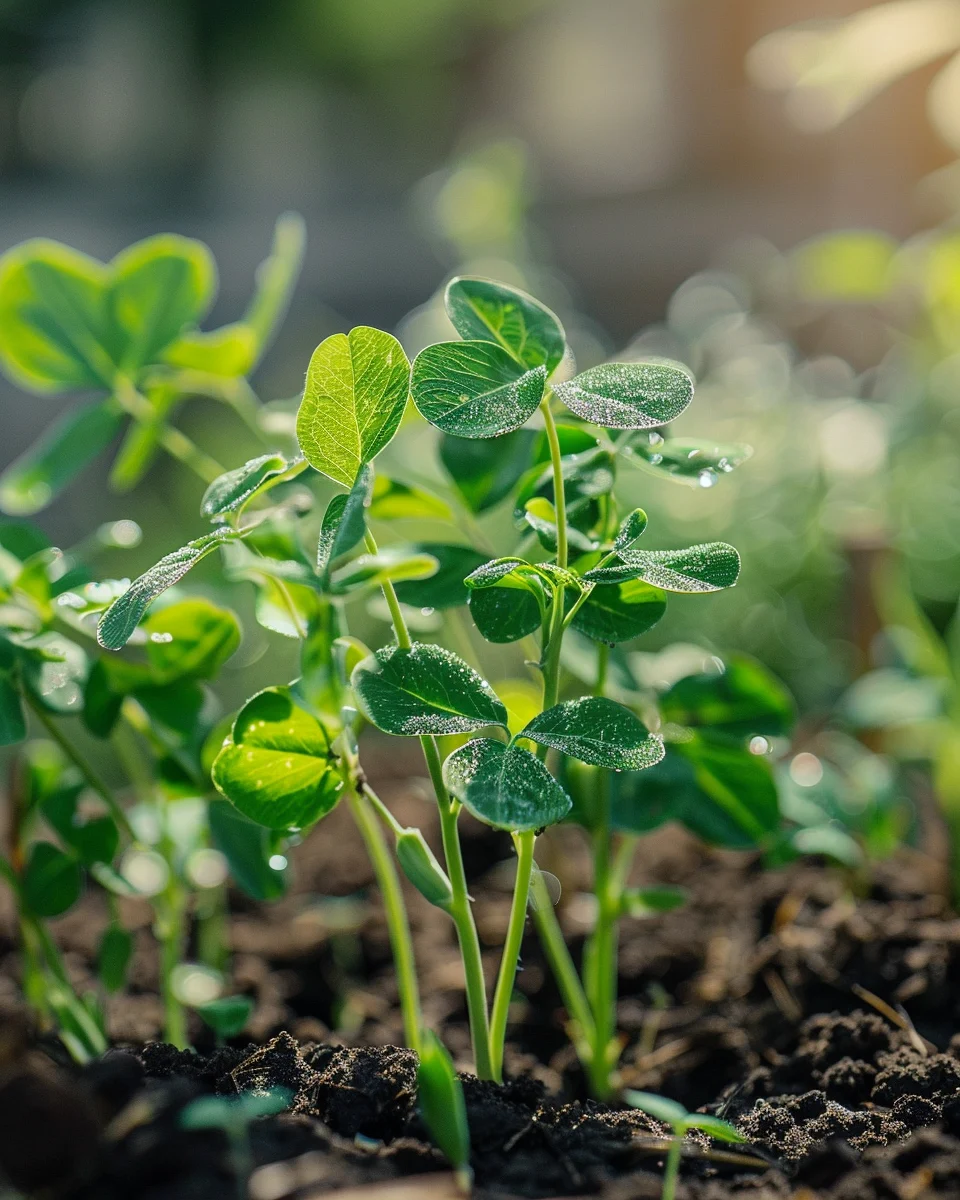
For cool-climate gardeners (zones 3-7), install your pea trellis in March or April, just before or right after direct-sowing peas. In warmer regions (zones 8-10), set up your trellis in February or even January for spring crops, or in August/September for fall plantings. If you’re starting peas indoors for transplanting, build your trellis about a week before moving seedlings outdoors. The key timing factor is having your trellis in place when pea plants reach about 3-4 inches (7-10 cm) tall—this is when they’ll begin searching for something to climb. For succession planting, prepare additional trellises about 2-3 weeks apart to ensure continuous pea harvests.
Best The Easiest Way to Build a Pea Plant Trellis that Actually Works varieties to grow
• Cattle Panel Trellis – Extremely durable and can be reused for years, perfect for larger garden plots.
• Netting Trellis – Lightweight, inexpensive, and ideal for raised beds where you need a custom-sized solution.
• Bamboo Teepee – Attractive, biodegradable option that works well for container gardening.
• String Trellis – Highly customizable and perfect for gardeners on a tight budget.
• Chicken Wire Arch – Creates a charming garden feature while maximizing vertical growing space.
• Repurposed Ladder Trellis – Upcycled solution that provides excellent support and adds rustic charm.
• Twine and Stake System – Minimalist approach that’s quick to set up and works for small spaces.
How to plant The Easiest Way to Build a Pea Plant Trellis that Actually Works
Materials needed:
• 2-3 wooden or metal stakes (4-6 feet/1.2-1.8 meters tall)
• Garden twine, netting, or chicken wire (6-foot/1.8-meter width)
• Hammer or mallet
• Garden gloves
• Scissors or pruning shears
• Cable ties (optional)
• Measuring tape
Step-by-step instructions:
1. Measure your pea planting row and determine the length of trellis needed (typically 3-6 feet/0.9-1.8 meters per 10 plants).
2. Position stakes at each end of your planned pea row, pushing them 8-12 inches (20-30 cm) into the ground for stability.
3. If your row is longer than 3 feet (0.9 meters), add additional stakes every 2-3 feet (0.6-0.9 meters) for extra support.
4. Ensure all stakes are firmly anchored by tamping the soil around their bases or using a hammer/mallet.
5. Stretch netting or chicken wire between the stakes, securing it to each stake with garden twine or cable ties.
6. If using twine instead of netting, create a grid pattern by running horizontal lines every 6 inches (15 cm) between stakes.
7. Add diagonal twine lines for additional climbing support if desired.
8. Leave 2-3 inches (5-7 cm) of space at the bottom to allow for weeding and air circulation.
9. Plant your pea seeds or seedlings along the base of the trellis, following spacing recommendations for your specific variety.
10. Water thoroughly after planting to help settle the soil around seeds/seedlings and check that your trellis remains stable.
How to grow The Easiest Way to Build a Pea Plant Trellis that Actually Works
Once your trellis is installed, position pea plants where they can easily reach the support structure. Peas thrive in full sun (6+ hours daily) but can tolerate partial shade in hotter climates. Water your peas regularly, keeping soil consistently moist but not waterlogged. Apply a balanced organic fertilizer before planting, but avoid high-nitrogen formulas which promote leafy growth at the expense of pod production. Mulch around the base of plants with straw or compost to retain moisture and suppress weeds. As peas grow, gently guide young tendrils toward the trellis if they haven’t found it naturally. For container-grown peas, ensure your pot is at least 12 inches (30 cm) deep with drainage holes, and position the trellis securely in the container. Check trellis stability weekly, especially after strong winds or heavy rains, and reinforce as needed with additional ties or stakes.
Caring for The Easiest Way to Build a Pea Plant Trellis that Actually Works
Maintain your pea trellis by checking weekly for sagging or loose connections, tightening as needed. Watch for pests like aphids (spray with strong water stream or insecticidal soap) and powdery mildew (improve air circulation and avoid overhead watering). If birds become problematic, consider adding shiny tape or old CDs to deter them. Harvest peas regularly to encourage continued production, picking when pods are plump but before they become tough and starchy. For snow and snap peas, harvest when pods reach full length but before seeds fully develop. At the end of the growing season, clean your trellis of plant debris and store non-biodegradable materials for next year. For wooden stakes or bamboo, check for rot or damage before reusing. Metal components should be checked for rust and treated if necessary. Store clean, dry trellising materials in a covered area to extend their lifespan.
Understanding bolting in The Easiest Way to Build a Pea Plant Trellis that Actually Works
Bolting isn’t typically a concern with pea trellises themselves, but your pea plants may bolt (prematurely flower and set seed) during hot weather. This is triggered when temperatures consistently exceed 75°F (24°C) or during extended daylight hours in late spring. Sudden temperature fluctuations can also cause stress-induced bolting. To prevent this, choose heat-tolerant pea varieties for late spring planting, provide afternoon shade in hot climates, and maintain consistent soil moisture. If your peas do bolt, harvest any remaining usable pods immediately and consider replacing them with heat-loving crops. Your trellis can then be repurposed for other climbing vegetables like cucumbers or beans until conditions are suitable for fall peas.
Why does The Easiest Way to Build a Pea Plant Trellis that Actually Works turn bitter?
• Inadequate height – Trellis too short forces peas to crowd, causing stress and potentially bitter pods; ensure trellis is at least 5-6 feet (1.5-1.8 meters) tall.
• Poor material choice – Metal trellises can overheat in direct sun, transferring heat to plants; use natural materials or provide afternoon shade.
• Insufficient width – Narrow trellises crowd plants, reducing air circulation and increasing disease risk; space supports at least 12 inches (30 cm) apart.
• Unstable structure – Wobbly trellises stress plants as they sway, affecting pod quality; secure stakes deeply and reinforce connections.
• Improper positioning – Trellises placed in poor locations (too shady, too windy) lead to stressed plants and lower-quality harvests.
Companion planting for The Easiest Way to Build a Pea Plant Trellis that Actually Works
Radishes make excellent companions for trellised peas as they mature quickly before peas need maximum support and their strong scent deters pests. Carrots grow well alongside pea trellises since their deep roots don’t compete with peas’ shallow ones. Spinach and lettuce benefit from the partial shade created by trellised peas in late spring. Herbs like mint and cilantro planted near pea trellises help repel aphids and attract beneficial insects. Nasturtiums serve as trap crops for aphids while adding color beneath your pea trellis. Avoid planting onions, garlic, or chives near your pea trellis as they can inhibit pea growth. Similarly, keep potatoes away from pea trellises as they compete for nutrients and can transmit diseases to peas.
Seasonal calendar
• January-February: Plan trellis design and gather materials; install in warm regions.
• March: Set up trellises in cool-temperate regions; direct-sow early peas.
• April: Install trellises in cold regions; guide young pea tendrils to supports.
• May: Reinforce trellises if needed as plants grow; begin harvesting early varieties.
• June: Harvest spring peas; consider removing spring trellises in hot regions.
• July: Maintain or store spring trellises; plan fall trellis setup in cooler regions.
• August: Install trellises for fall peas in cool-temperate regions.
• September: Set up fall pea trellises in warmer regions; direct-sow fall peas.
• October-November: Harvest fall peas; clean and store trellises in cold regions.
• December: Maintain winter pea trellises in mild regions; repair and prepare materials for next season.
Problems & solutions
| Problem | Quick Fix |
|---|---|
| Trellis falling over | Drive stakes deeper (12+ inches/30+ cm) and add diagonal supports at ends |
| Sagging netting/twine | Add horizontal support wires or additional stakes every 2-3 feet (60-90 cm) |
| Peas not climbing | Gently train tendrils onto trellis and secure with plant clips or soft twine |
| Trellis too short | Add vertical extensions to existing stakes or replace with taller supports |
| Wind damage | Install trellis perpendicular to prevailing winds and add windbreak if necessary |
| Rotting wooden supports | Replace with cedar, metal, or plastic stakes; keep base of wooden stakes dry with gravel |
| Trellis casting too much shade | Orient trellis north-south to minimize shadow; use more open designs like string grids |
Common questions about growing The Easiest Way to Build a Pea Plant Trellis that Actually Works
How tall should my pea trellis be?
For most pea varieties, a 5-6 foot (1.5-1.8 meter) tall trellis is ideal. Dwarf varieties may need only 3-4 feet (0.9-1.2 meters), while some tall varieties can climb 7-8 feet (2.1-2.4 meters).
Can I reuse my pea trellis for other vegetables?
Absolutely! Pea trellises work well for cucumbers, pole beans, small melons, and even flowering vines like morning glories or sweet peas.
How far apart should I space trellis supports?
Space vertical supports every 2-3 feet (60-90 cm) for stability. For horizontal supports or netting, 6-8 inch (15-20 cm) spacing provides adequate climbing opportunities.
What’s the most cost-effective trellis material?
Twine and wooden stakes create the most economical trellis. Repurposed materials like branches, old fencing, or salvaged lumber can make the project nearly free.
Do I need to remove the trellis at the end of the season?
In areas with harsh winters, removing and storing non-biodegradable trellis materials extends their lifespan. In mild climates, sturdy trellises can remain in place year-round.
How do I prevent my trellis from shading other plants?
Orient your trellis north-south so shadows move throughout the day. Place sun-loving plants on the south side and shade-tolerant varieties on the north side.
Can I build a pea trellis directly in containers?
Yes, but ensure your container is at least 12 inches (30 cm) deep and wide enough to counterbalance the trellis weight. Secure stakes firmly in the container soil and consider attaching the container to a wall or fence for added stability.