
Timeless Gardening Wisdom: The Best Gardening Tips I Learned From My Grandmother
Intro for The Best Gardening Tips I Learned From My Grandmother
Grandmothers often possess a wealth of gardening knowledge that combines generations of practical experience with a deep connection to the land. My grandmother’s garden was a magical place where plants thrived under her intuitive care. Her approach wasn’t based on expensive products or complicated techniques, but rather on observation, patience, and working in harmony with nature. These time-tested methods have proven more effective than many modern gardening trends, and they’re often more sustainable and budget-friendly. In this article, I’ll share the invaluable gardening wisdom passed down from my grandmother that has transformed my own garden into a thriving ecosystem.
When to plant The Best Gardening Tips I Learned From My Grandmother
My grandmother never relied on a calendar alone to determine planting times. Instead, she observed natural indicators in her environment. In temperate regions, she watched for specific wildflowers to bloom or certain birds to return before planting particular crops. For cool-season vegetables, she waited until soil temperatures reached 10-15°C (50-60°F), while warm-season crops needed soil consistently above 18°C (65°F). She always emphasized that plants have their own timing that varies by region and even microclimate, teaching me to be patient and attentive to nature’s signals rather than rushing to plant too early.
Best time to plant The Best Gardening Tips I Learned From My Grandmother
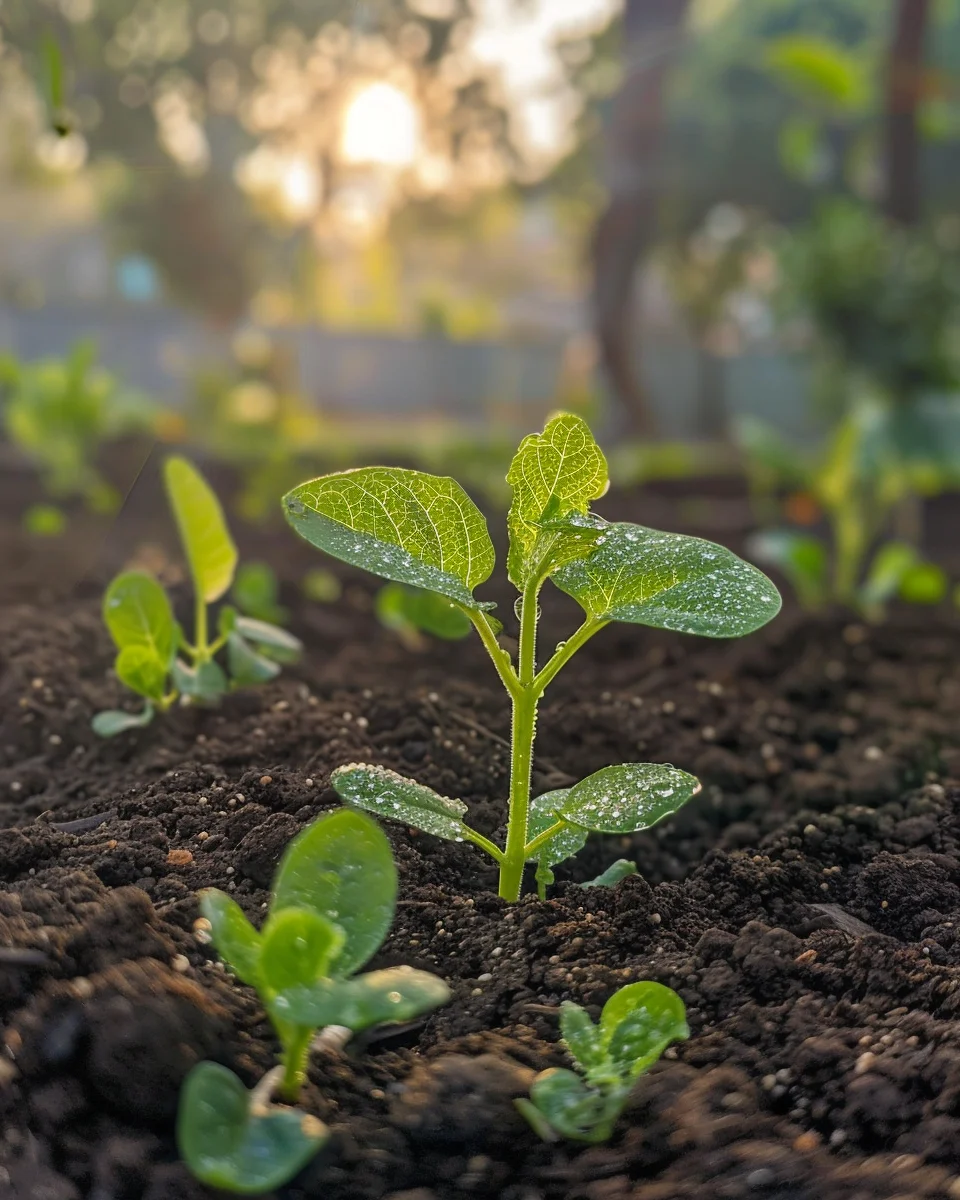
According to my grandmother, the moon’s phases significantly influence planting success. She planted above-ground crops during the waxing moon (from new to full) and root crops during the waning moon (from full to new). In cool climate regions, she focused major plantings from mid-spring through early summer (April-June), while in warmer regions, she extended planting through fall (September-November) for a second growing season. For transplants, she insisted on overcast days or evening hours to reduce transplant shock, and always hardened off seedlings by gradually exposing them to outdoor conditions over 7-10 days.
Best The Best Gardening Tips I Learned From My Grandmother varieties to grow
My grandmother prioritized varieties that had proven themselves over time:
- Heirloom Vegetables – Open-pollinated varieties passed down through generations for their exceptional flavor and regional adaptability.
- Native Flowering Plants – Species naturally adapted to local conditions that support pollinators and require minimal care.
- Herbs with Multiple Uses – Plants like rosemary, thyme, and sage that serve culinary, medicinal, and ornamental purposes while deterring pests.
- Self-Seeding Annuals – Flowers like calendula and nasturtium that return year after year with minimal effort.
- Perennial Vegetables – Low-maintenance crops like asparagus, rhubarb, and artichokes that produce for many years.
- Drought-Tolerant Plants – Species that thrive with minimal watering once established, saving time and resources.
- Multi-Season Interest Plants – Varieties that provide beauty through multiple seasons with flowers, berries, fall color, or interesting bark.
How to plant The Best Gardening Tips I Learned From My Grandmother
Materials needed:
- Compost or well-rotted manure
- Wooden stakes or twine
- Watering can with rose attachment
- Garden fork or broadfork
- Hand trowel
- Mulch material (straw, leaves, or grass clippings)
- Fish emulsion or compost tea
- Seeds or seedlings
Step-by-step planting process:
- Prepare the soil at least two weeks before planting by loosening it with a garden fork to a depth of 30 cm (12 inches) without turning it over completely.
- Add a 5 cm (2 inch) layer of compost or well-rotted manure to the surface and gently work it into the top few inches.
- Create straight rows using stakes and twine, or plan informal groupings for ornamentals.
- For seeds, create furrows at the appropriate depth (usually 2-3 times the seed diameter) and space according to plant requirements.
- When transplanting seedlings, dig holes twice as wide as the root ball but at the same depth.
- Water the planting area thoroughly before placing seeds or transplants.
- For transplants, gently loosen the root ball if pot-bound before placing in the hole.
- Cover seeds with fine soil and firm gently; for transplants, backfill and press soil firmly around the roots.
- Water again with a gentle spray, applying a diluted fish emulsion or compost tea solution.
- Apply a thin layer of mulch around transplants (but not touching stems) or wait until seedlings emerge before mulching.
How to grow The Best Gardening Tips I Learned From My Grandmother
My grandmother believed in “right plant, right place” – matching plants to the appropriate sunlight conditions rather than fighting nature. She grouped plants with similar water needs together and watered deeply but infrequently to encourage deep root growth. For fertilizing, she relied on homemade compost tea applied monthly during the growing season rather than commercial fertilizers.
She practiced intensive companion planting, interplanting tall and short plants, quick and slow-growing varieties, and flowers with vegetables. For mulching, she used whatever organic materials were available seasonally – fall leaves, grass clippings, or straw – maintaining a 5-8 cm (2-3 inch) layer that never touched plant stems.
For container gardening, she insisted on using the largest containers practical, mixing in 30% compost with regular potting soil, and placing broken pottery shards over drainage holes to prevent soil loss while maintaining drainage.
Caring for The Best Gardening Tips I Learned From My Grandmother
My grandmother’s approach to garden care was proactive rather than reactive. She inspected plants regularly, removing yellowing leaves and checking undersides for pests. For pest management, she relied on biodiversity, encouraging beneficial insects by planting diverse flowering plants and herbs throughout the garden. Her organic pest controls included garlic-pepper spray for insects, milk spray for powdery mildew, and encouraging toads and birds as natural predators.
For disease prevention, she practiced strict crop rotation, never planting the same family in the same location for at least 3 years. She harvested in the cool morning hours when plants were at their freshest and most flavorful. For storage, she emphasized proper curing of root vegetables in a cool, dark place and preserving abundance through simple methods like drying herbs, making jams, and cold storage of appropriate vegetables.
Understanding bolting in The Best Gardening Tips I Learned From My Grandmother
My grandmother explained bolting as a plant’s natural response to stress, particularly when leafy greens and herbs prematurely produce flowers and seeds. She identified several triggers: sudden temperature fluctuations, extended daylight hours, root disturbance, and drought stress. To prevent bolting, she planted heat-sensitive crops like lettuce and spinach in partial shade during summer, used row covers during heat waves, maintained consistent soil moisture, and practiced succession planting every 2-3 weeks for continuous harvests of young plants.
When plants did bolt, she didn’t consider it a failure but an opportunity – allowing some plants to flower to attract beneficial insects, collecting seeds for the next season, and using the remaining leaves while still palatable. She taught me that bolting is part of a plant’s natural lifecycle rather than a gardening mistake.
Why does The Best Gardening Tips I Learned From My Grandmother turn bitter?
My grandmother identified several causes for bitterness in garden produce:
- Heat stress – Protect sensitive plants with shade cloth during heat waves and water consistently.
- Age – Harvest leafy greens and herbs while young and tender; older leaves naturally develop stronger flavors.
- Soil mineral imbalance – Add compost regularly to balance nutrients rather than using isolated fertilizers.
- Drought conditions – Maintain consistent soil moisture with deep, regular watering and adequate mulch.
- Genetic factors – Some varieties naturally have stronger flavors; choose mild varieties if bitterness is a concern.
Companion planting for The Best Gardening Tips I Learned From My Grandmother
My grandmother’s garden was a carefully orchestrated community of plants that supported each other. Her favorite companion plantings included:
- Tomatoes and Basil – Basil improves tomato flavor and repels certain insects while tomatoes provide partial shade for basil in hot weather.
- Carrots and Onions – Onion family plants deter carrot fly with their strong scent, while carrots help break up soil for onions.
- Corn, Beans, and Squash – The traditional “Three Sisters” method where corn provides support for beans, beans fix nitrogen, and squash leaves shade the soil.
- Roses and Garlic – Garlic deters aphids and black spot on roses while benefiting from the partial shade.
- Cabbage Family and Aromatic Herbs – Rosemary, sage, and thyme mask the scent of brassicas from pest insects.
She advised avoiding planting members of the same family together to prevent shared diseases and competing for the same nutrients. She also cautioned against planting allelopathic plants like black walnut trees near gardens, as they release compounds that inhibit growth of many plants.
Seasonal calendar
Spring (March-May):
- Start seeds indoors 6-8 weeks before last frost
- Prepare beds with compost as soon as soil can be worked
- Plant cool-season crops when soil reaches 10°C (50°F)
- Divide and transplant perennials
- Apply compost tea to emerging plants
Summer (June-August):
- Harvest cool-season crops before heat arrives
- Mulch all beds to conserve moisture
- Water deeply in early morning hours
- Succession plant heat-tolerant greens every 2-3 weeks
- Prune spring-flowering shrubs after blooming
Fall (September-November):
- Plant fall crops 8-10 weeks before first frost
- Collect seeds from open-pollinated varieties
- Plant garlic and spring-flowering bulbs
- Apply compost to beds as plants are removed
- Gather leaves for composting and mulch
Winter (December-February):
- Plan next year’s garden and rotate crop families
- Order seeds during January sales
- Prune dormant fruit trees and shrubs
- Start slow-growing perennials indoors
- Maintain compost pile with kitchen scraps
Problems & solutions
| Problem | Quick Fix |
|---|---|
| Yellowing leaves | Check moisture levels first – both over and under-watering cause yellowing. Apply diluted compost tea if nutrient deficiency is suspected. |
| Powdery white spots on leaves | Spray with 1:10 milk to water solution in morning sun; improve air circulation by thinning plants. |
| Holes in leaves | Check leaf undersides for insects; hand-remove or spray with soap solution (1 tbsp liquid soap to 1 liter/quart water). |
| Stunted growth | Ensure adequate sunlight; loosen compacted soil around plants; apply diluted fish emulsion. |
| Blossom drop | During heat waves, mist flowers in early morning and provide afternoon shade; tap flowers gently to aid pollination. |
| Cracked fruits | Maintain consistent soil moisture with regular deep watering and adequate mulch, especially during fruit development. |
| Weeds overtaking beds | Apply 5-8 cm (2-3 inches) of mulch; use cardboard between rows for persistent weeds; weed after rain when soil is soft. |
Common questions about growing The Best Gardening Tips I Learned From My Grandmother
How did your grandmother determine when to water plants?
She never followed a strict schedule but instead checked soil moisture by inserting her finger about 5 cm (2 inches) into the soil. If it felt dry at that depth, it was time to water deeply. She always watered at the soil level rather than overhead to prevent disease.
What was her secret for rich, fertile soil?
She maintained three compost piles in rotation, adding kitchen scraps, garden waste, and occasional manure from local farms. She also practiced “chop and drop” mulching, cutting spent plants and leaving them in place to decompose and return nutrients to the soil.
How did she manage gardening in limited space?
She utilized vertical space with trellises, grew compatible plants together using intensive spacing, and prioritized high-value crops that couldn’t be purchased inexpensively. Every fence, wall, and sunny window became a growing opportunity.
What was her approach to seed saving?
She selected seeds from the healthiest, most productive plants, properly dried and stored them in paper envelopes inside glass jars in a cool, dark place. She kept detailed notes on performance and maintained isolation distances for varieties that cross-pollinate easily.
How did she extend the growing season?
She used simple cold frames made from old windows, row covers made from lightweight fabric, and strategic placement of plants near south-facing walls that radiated heat. She also selected varieties with different maturation dates to spread harvests over longer periods.
What was her philosophy on garden “failures”?
She viewed unsuccessful plantings as valuable learning experiences rather than failures. She kept a garden journal noting what worked and what didn’t, adjusting her approach each season based on these observations rather than getting discouraged.
How did she balance garden work with enjoyment?
She integrated daily garden maintenance into her routine, spending 15-30 minutes each morning and evening rather than exhausting weekend work sessions. She also created comfortable sitting areas within the garden to encourage regular observation and enjoyment of the space.