

How to Grow Herbs at Home Year-Round: 15 Essential Varieties to Save Money and Enhance Your Cooking
Intro for Growing Herbs at Home Year-Round
Fresh herbs can transform ordinary dishes into culinary masterpieces, but purchasing them regularly from grocery stores can be expensive and wasteful. Growing your own herbs at home is not only cost-effective but also ensures you have fresh, flavorful ingredients whenever you need them. With the right approach, you can maintain a thriving herb garden indoors and outdoors throughout all seasons. Most herbs are relatively low-maintenance, adaptable to various growing conditions, and perfect for beginners. Whether you have a spacious garden, a small balcony, or just a sunny windowsill, you can successfully grow a variety of herbs that will enhance your cooking and provide numerous health benefits year-round.
When to plant Herbs for Year-Round Growing
For year-round herb production, timing varies depending on whether you’re growing indoors or outdoors. Outdoor herb gardens in temperate regions should be established after the last frost date in spring when soil temperatures reach at least 15-18°C (60-65°F). Indoor herbs can be started at any time of year, provided you can maintain appropriate light and temperature conditions. Perennial herbs like rosemary, thyme, and sage are best planted in early spring or fall when temperatures are moderate. Annual herbs such as basil, cilantro, and dill can be succession planted throughout the growing season to ensure continuous harvests. For winter growing, focus on cold-hardy herbs like parsley, chives, and mint, or move tender herbs indoors before the first frost.
Best time to plant Herbs for Year-Round Growing
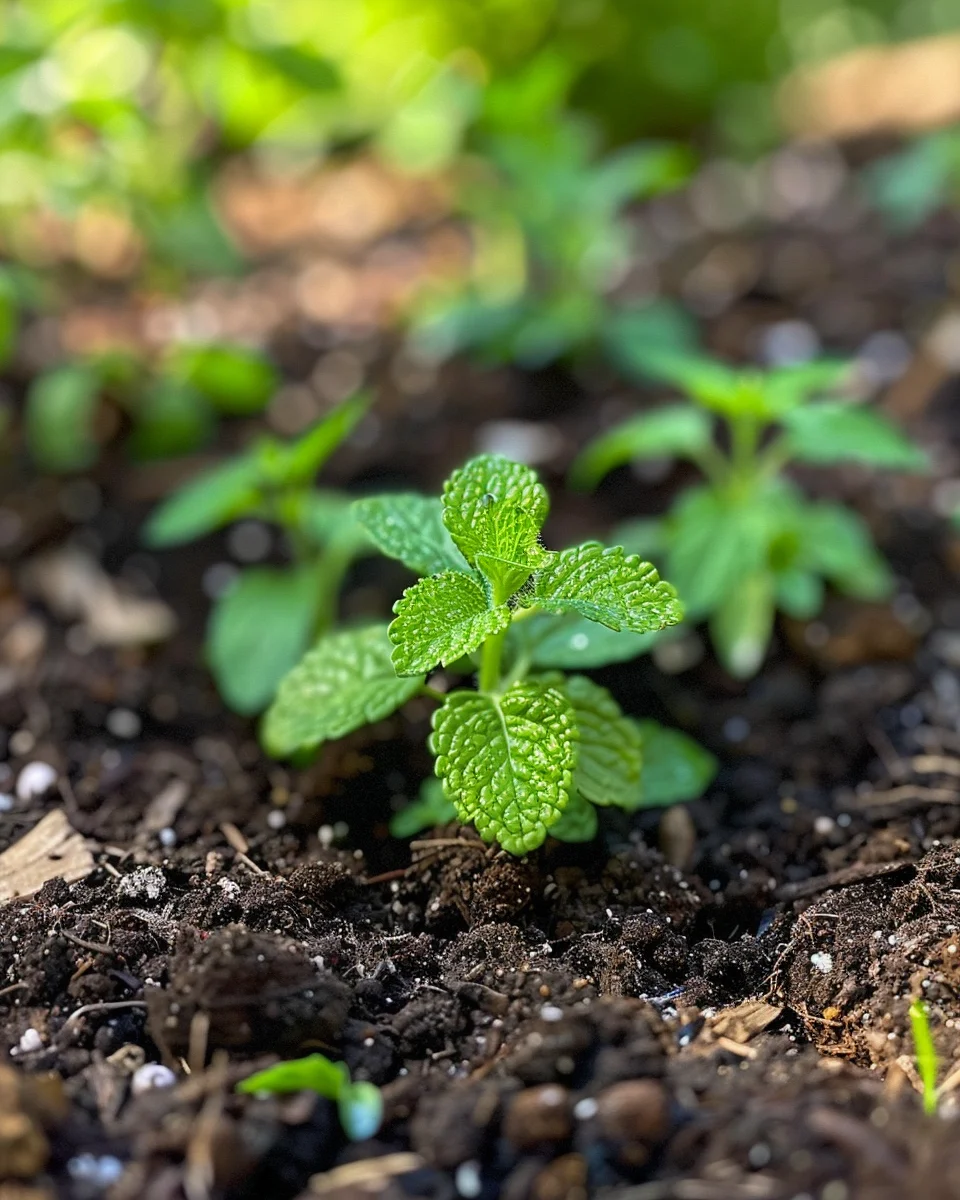
In cool temperate regions (UK, Northern US, Canada), plant most outdoor herbs between April and June when soil has warmed. In warmer regions (US Zones 8-10, Mediterranean), you can plant heat-loving herbs like basil and oregano as early as March and continue planting through September. For indoor herb gardens, any month works well, though natural light is strongest during spring and summer months. Start seeds indoors 6-8 weeks before your last frost date for transplanting outdoors. For continuous harvests, stagger plantings of fast-growing herbs like cilantro and dill every 3-4 weeks. In autumn, bring tender perennials indoors before temperatures drop below 10°C (50°F) to maintain your herb garden through winter.
Best Herb varieties to grow Year-Round
- Basil – ‘Genovese’ offers classic flavor for pesto and Italian dishes; compact varieties like ‘Spicy Globe’ excel in containers.
- Rosemary – ‘Arp’ and ‘Salem’ are cold-hardy varieties that can survive winters in zones 6-7; ‘Tuscan Blue’ is excellent for containers.
- Thyme – ‘English’ thyme is versatile for cooking; ‘Lemon’ thyme adds citrus notes; both are drought-tolerant and perennial.
- Mint – ‘Spearmint’ is versatile for cooking and drinks; ‘Chocolate’ mint offers unique flavor; always grow in containers to prevent spreading.
- Parsley – ‘Italian Flat-Leaf’ has superior flavor for cooking; ‘Curly’ varieties are decorative and cold-tolerant.
- Chives – ‘Common’ chives are reliable perennials; ‘Garlic’ chives (Chinese chives) offer garlicky flavor and pretty white flowers.
- Oregano – ‘Greek’ oregano has the strongest flavor; ‘Hot and Spicy’ lives up to its name for Mexican dishes.
- Cilantro – ‘Slow Bolt’ and ‘Santo’ varieties resist flowering in heat longer than standard types.
How to plant Herbs for Year-Round Growing
Materials needed:
- Herb seeds or seedlings
- Quality potting mix or garden soil amended with compost
- Containers with drainage holes (for indoor or container growing)
- Small trowel
- Watering can with gentle spray
- Plant labels
- Organic fertilizer (optional)
Step-by-step planting:
- Select appropriate containers (15-20 cm/6-8 in diameter minimum) for indoor herbs or prepare garden beds with well-draining soil.
- Fill containers with quality potting mix designed for herbs and vegetables, leaving 2.5 cm (1 in) of space at the top.
- For seeds, create shallow furrows according to seed packet instructions (typically 0.6-1.2 cm/¼-½ in deep).
- Sow seeds thinly and cover lightly with soil, or plant seedlings at the same depth they were growing in their nursery pots.
- Space plants according to mature size: small herbs like thyme need 15-20 cm (6-8 in), larger herbs like rosemary need 45-60 cm (18-24 in).
- Water gently but thoroughly until moisture comes through drainage holes or soil is evenly moist.
- Place containers in appropriate light conditions: full sun for Mediterranean herbs, partial shade for tender herbs in hot climates.
- Label each herb clearly to avoid confusion as they grow.
- For indoor herbs, position near south or west-facing windows or under grow lights.
How to grow Herbs Year-Round
Most culinary herbs require at least 6 hours of direct sunlight daily, with Mediterranean herbs like rosemary, thyme, and oregano preferring 8+ hours. For indoor growing during winter, supplement with full-spectrum grow lights positioned 15-30 cm (6-12 in) above plants for 12-14 hours daily. Water outdoor herbs deeply but infrequently, allowing soil to dry slightly between waterings. Indoor herbs typically need watering when the top 2.5 cm (1 in) of soil feels dry. Apply a balanced, half-strength organic fertilizer monthly during the growing season, but reduce to quarterly for indoor winter herbs. Mulch outdoor herbs with compost or fine bark to retain moisture and suppress weeds. Regularly pinch back growing tips to encourage bushiness, especially for basil, mint, and oregano. For container growing, use pots at least 15 cm (6 in) deep with excellent drainage, and consider self-watering containers for consistent moisture. Rotate indoor containers weekly to ensure even growth, and increase humidity by grouping plants together or using pebble trays with water.
Caring for Year-Round Herbs
Maintain herb health by harvesting regularly, which encourages new growth. Prune woody herbs like rosemary and thyme after flowering to prevent them from becoming leggy. Watch for common pests like aphids (treat with insecticidal soap), spider mites (increase humidity and use neem oil), and whiteflies (use yellow sticky traps). Powdery mildew can affect herbs in humid conditions—improve air circulation and avoid overhead watering. Root rot occurs in overly wet soil—ensure proper drainage and allow soil to dry between waterings. Harvest herbs in the morning when essential oils are most concentrated, taking no more than one-third of the plant at once. Most leafy herbs can be stored in the refrigerator wrapped in damp paper towels for up to a week, or freeze chopped herbs in ice cube trays with water or olive oil for longer storage. For winter care, reduce watering and fertilizing, provide supplemental lighting, and maintain temperatures between 15-24°C (60-75°F) for most herbs.
Understanding bolting in Herbs
Bolting is when herbs rapidly produce flowering stems and set seed, often making leaves bitter and less useful for cooking. This natural process is triggered primarily by heat, increasing daylight hours (photoperiod), and stress factors like drought or root disturbance. Mediterranean herbs like rosemary and thyme naturally flower without significant flavor loss, but leafy herbs like cilantro, basil, and dill become less palatable after bolting. Prevent premature bolting by growing cool-season herbs like cilantro and dill during cooler months or in partial shade during summer. Choose “slow-bolt” varieties specifically bred to resist flowering in heat. Regular harvesting delays bolting by keeping plants in their vegetative growth phase. If herbs do bolt, you can still salvage the situation by harvesting all usable leaves immediately, collecting seeds for future planting (especially beneficial with dill, cilantro, and basil), or allowing flowers to bloom to attract beneficial pollinators before replacing the plants.
Why does Herbs turn bitter?
- Bolting/flowering – Once herbs begin producing flowers, energy diverts from leaf production to seed production, often causing bitterness; harvest regularly to prevent flowering.
- Heat stress – Excessive temperatures can trigger defensive compounds that create bitter flavors; provide afternoon shade in hot climates or grow heat-sensitive herbs indoors during summer.
- Age – Older leaves naturally contain more concentrated compounds that can taste bitter; harvest younger leaves for milder flavor.
- Drought stress – Insufficient water causes herbs to produce more defensive compounds; maintain consistent moisture without overwatering.
- Nutrient imbalance – Excessive nitrogen fertilizer promotes rapid, bitter growth; use balanced, organic fertilizers at half-strength.
Companion planting for Year-Round Herbs
Herbs make excellent companions for many vegetables and can be strategically planted to improve growth and deter pests. Basil grows well with tomatoes, improving their flavor and repelling flies and mosquitoes. Rosemary deters cabbage moths, making it ideal near brassicas like cabbage and broccoli. Mint repels ants and cabbage moths but should be contained to prevent spreading. Sage improves the growth of brassicas and repels carrot flies. Thyme pairs well with strawberries and deters cabbage worms. Chives help prevent aphids on roses and vegetables. Avoid planting fennel near most other herbs as it inhibits their growth. Rue should not be planted near basil or sage as they compete negatively. Be cautious with mint and oregano as their vigorous growth can overwhelm neighboring plants if not contained.
Seasonal calendar
Spring (March-May):
- Sow seeds of annual herbs indoors (basil, cilantro, dill)
- Divide and replant perennial herbs (mint, chives, oregano)
- Prune woody herbs before new growth begins
- Begin harvesting overwintered perennials lightly
Summer (June-August):
- Harvest herbs regularly during morning hours
- Succession sow heat-sensitive herbs every 2-3 weeks
- Water deeply during dry periods
- Pinch flower buds on basil and other leafy herbs
Fall (September-November):
- Take cuttings of tender perennials to overwinter indoors
- Harvest and preserve herbs before frost
- Plant cold-hardy herbs for winter harvesting
- Mulch perennial herbs for winter protection
Winter (December-February):
- Maintain indoor herb gardens under grow lights
- Reduce watering and fertilizing of dormant perennials
- Harvest indoor herbs as needed
- Plan and order seeds for spring planting
Problems & solutions
| Problem | Quick Fix |
|---|---|
| Leggy, sparse growth | Increase light exposure; pinch tips regularly to encourage branching |
| Yellowing leaves | Check for overwatering; ensure proper drainage; may need light fertilization |
| Pest infestation | Spray with insecticidal soap or neem oil; introduce beneficial insects |
| Mold or mildew | Improve air circulation; reduce humidity; avoid overhead watering |
| Herbs dying in winter | Move tender herbs indoors; provide adequate light; reduce watering |
| Poor flavor | Ensure adequate sunlight; harvest before flowering; avoid excessive fertilizer |
| Herbs outgrowing containers | Divide and repot in fresh soil; prune roots gently; harvest more frequently |
Common questions about growing Herbs Year-Round
How often should I water my indoor herbs?
Water when the top 2.5 cm (1 inch) of soil feels dry to the touch. Most indoor herbs need watering every 3-7 days, depending on humidity, temperature, and pot size. Always ensure containers have drainage holes.
Can I grow all herbs together in one container?
Group herbs with similar water and light requirements. Mediterranean herbs (rosemary, thyme, sage) prefer drier conditions and can be planted together. Moisture-loving herbs (mint, basil, parsley) can share another container.
How much light do herbs need indoors during winter?
Most culinary herbs need 6-8 hours of direct sunlight or 12-14 hours under grow lights. Position herbs in south or west-facing windows, or use full-spectrum LED grow lights positioned 15-30 cm (6-12 inches) above plants.
How do I harvest herbs without killing the plants?
Never harvest more than one-third of the plant at once. For most leafy herbs, pinch or cut stems just above a leaf node to encourage branching. Harvest outer leaves first, leaving inner growth to develop.
Why are my indoor herbs dying in winter?
Common causes include insufficient light, overwatering, dry heated air, or cold drafts. Supplement with grow lights, water only when soil is dry to the touch, increase humidity with pebble trays, and keep herbs away from cold windows and heating vents.
Can I grow herbs from grocery store cuttings?
Yes, many store-bought herbs with stems can be rooted in water or moist soil. Remove lower leaves, place stems in water or plant directly in moist potting mix, and keep in bright, indirect light until new growth appears.
How do I prevent herbs from taking over my garden?
Plant aggressive spreaders like mint, oregano, and lemon balm in containers sunk into the ground or with root barriers. Regularly divide expanding perennial herbs and remove volunteer seedlings of self-sowing herbs like dill and cilantro.