
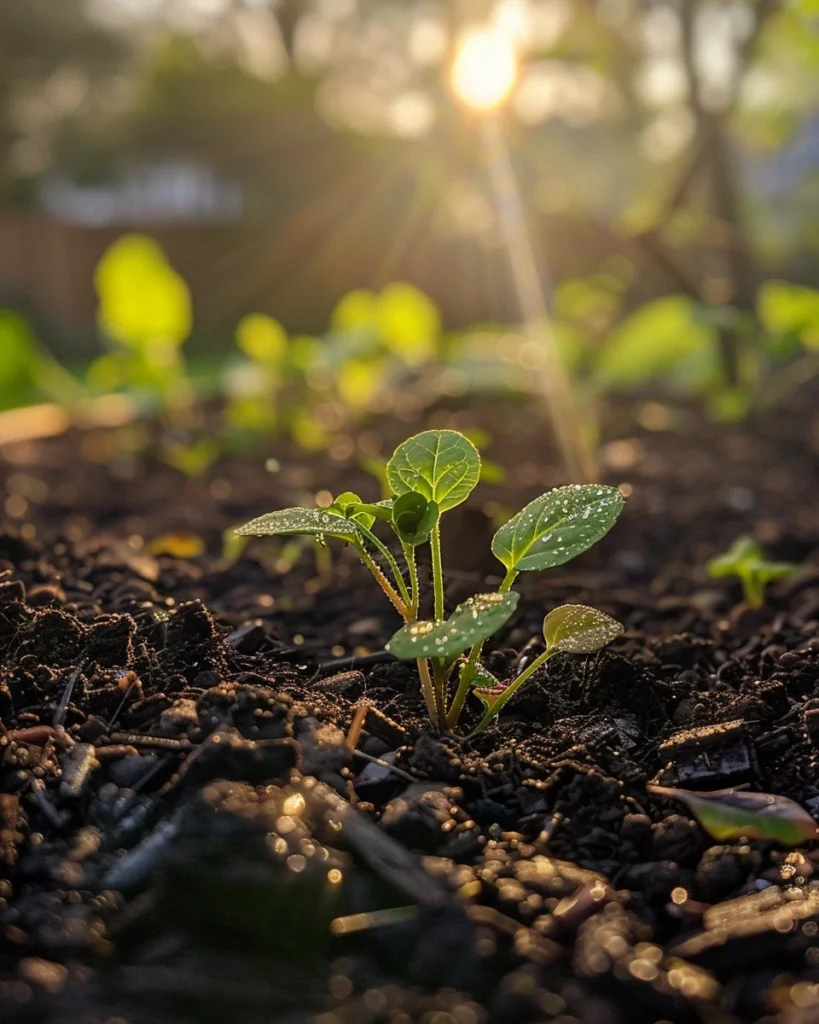
How to Grow a Garden Without a Yard: Container Gardening, Vertical Solutions & Creative Spaces
Intro for Garden Without a Yard
Gardening without a yard isn’t just possible—it’s a thriving movement embraced by urban dwellers, apartment residents, and those with limited outdoor space. Container gardening, vertical systems, and creative use of small spaces allow anyone to grow fresh herbs, vegetables, and beautiful flowers regardless of traditional garden access. These space-saving approaches offer numerous benefits: they’re portable, adaptable to changing light conditions, and often more accessible for those with mobility issues. With the right strategies, even a tiny balcony, windowsill, or indoor space can become a productive growing area that provides fresh produce, enhances your living environment, and connects you with the joy of nurturing plants.
When to plant Garden Without a Yard
The beauty of yardless gardening is that planting times can be more flexible than traditional gardens. For outdoor container gardens in temperate regions, follow the same seasonal guidelines as in-ground gardens—spring planting after the last frost (when soil temperatures reach 10-15°C/50-60°F) for summer crops, and late summer planting for fall harvests. Indoor gardens can be started year-round, though supplemental lighting may be necessary during shorter winter days. For balcony gardens, be mindful of microclimates created by surrounding buildings, which might offer protection from frost or create wind tunnels that affect plant growth.
Best time to plant Garden Without a Yard
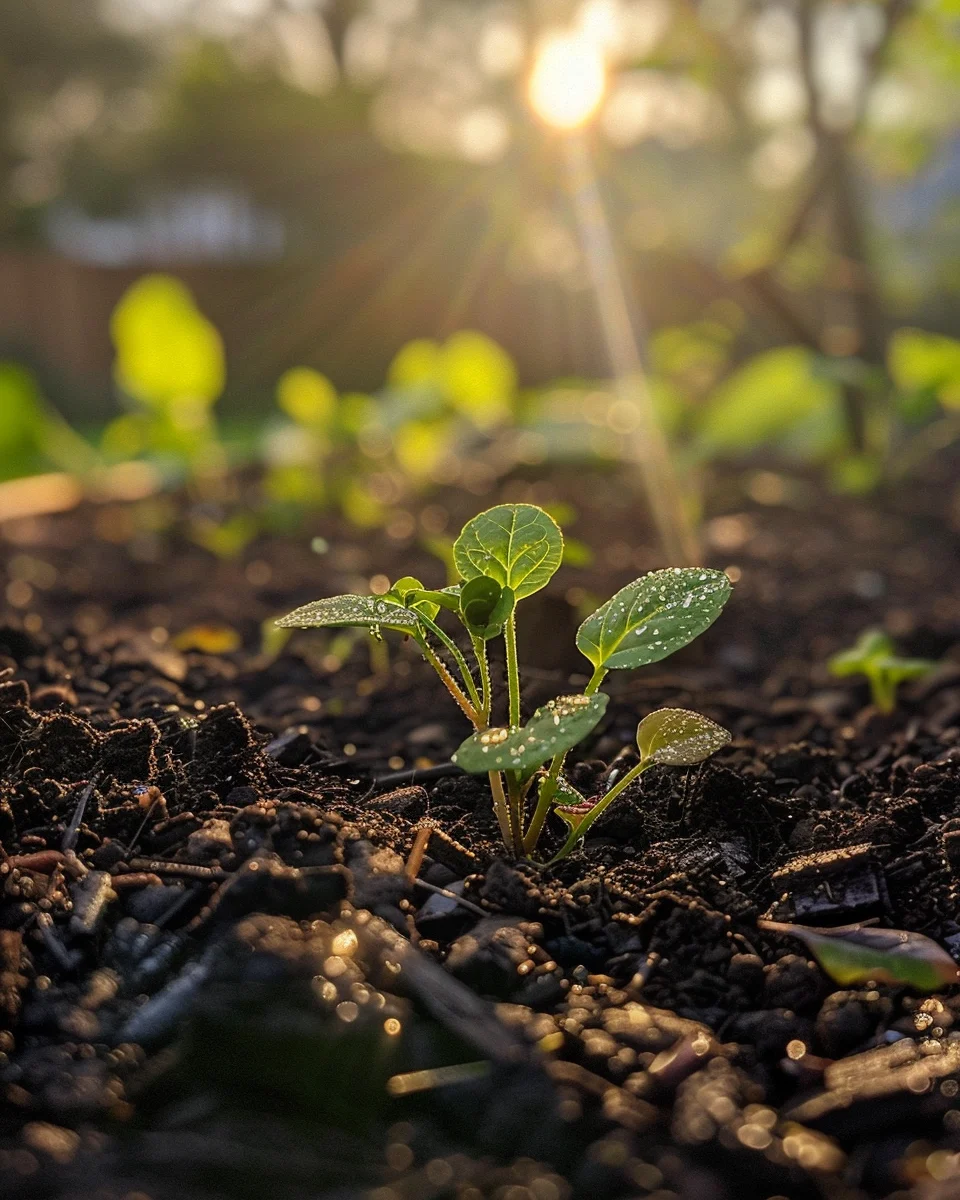
For outdoor container gardens in cool temperate regions, mid-to-late spring (April-May) is ideal for most vegetables and herbs, while warm-climate gardeners can begin in March. Start heat-loving plants like tomatoes and peppers indoors 6-8 weeks before your last frost date. For indoor gardens, any time works, but natural light is strongest from spring through fall. Balcony and patio gardens should be planted after danger of frost has passed. For year-round growing, consider a staggered approach—plant quick-growing crops like lettuce and herbs every 2-3 weeks for continuous harvests, regardless of season.
Best Garden Without a Yard varieties to grow
• Determinate or “Bush” Tomatoes – Compact varieties like ‘Tiny Tim’ or ‘Patio Princess’ that don’t require extensive staking and are bred specifically for containers.
• Compact Herbs – Space-saving varieties like ‘Spicy Globe’ basil or ‘Blue Boy’ rosemary that stay naturally small while providing full flavor.
• Dwarf Fruit Trees – Self-pollinating varieties like ‘Improved Meyer’ lemon or ‘Little Miss Figgy’ that thrive in large containers and produce full-sized fruits.
• Cut-and-Come-Again Greens – Leafy vegetables like ‘Salad Bowl’ lettuce or ‘Bright Lights’ Swiss chard that regrow after harvesting, maximizing yield from limited space.
• Vertical Climbers – Space-efficient varieties like ‘Tromboncino’ squash or ‘Sugar Snap’ peas that grow upward on trellises rather than sprawling.
• Microgreens – Any vegetable or herb seed grown to seedling stage, harvested young for intense flavor and nutrition while requiring minimal space.
• Trailing Plants – Varieties like ‘Tumbling Tom’ tomatoes or strawberries that cascade over container edges, utilizing vertical space efficiently.
How to plant Garden Without a Yard
Materials list:
– Containers (pots, grow bags, window boxes, repurposed items)
– Quality potting mix (not garden soil)
– Organic fertilizer or slow-release granules
– Seeds or starter plants
– Watering can or hose with gentle spray attachment
– Drainage material (if needed)
– Trellises, stakes, or supports (for climbing plants)
– Plant labels
– Moisture meter (optional)
Step-by-step:
1. Select appropriate containers with drainage holes (minimum 6-8 inches/15-20 cm deep for herbs, 12 inches/30 cm for vegetables).
2. Cover drainage holes with mesh or coffee filters to prevent soil loss while allowing water drainage.
3. Fill containers with high-quality potting mix designed for containers, not garden soil which compacts too easily.
4. Mix in slow-release organic fertilizer according to package directions to provide nutrients throughout the growing season.
5. For seeds, plant at the depth recommended on the seed packet (generally 2-3 times the seed’s width); for transplants, dig a hole slightly larger than the root ball.
6. Space plants according to container size, generally allowing less space than in-ground gardens but ensuring adequate air circulation.
7. Water thoroughly until moisture comes out the drainage holes, then allow the top inch of soil to dry before watering again.
8. Install any necessary supports or trellises at planting time to avoid damaging roots later.
9. Label each container with plant variety and planting date for future reference.
10. Place containers where they’ll receive appropriate light for the specific plants (most vegetables need 6+ hours of direct sunlight).
How to grow Garden Without a Yard
Sunlight requirements vary by plant, but most edibles need 6-8 hours of direct sunlight daily. South-facing windows or balconies are ideal in the Northern Hemisphere. For insufficient natural light, supplement with grow lights positioned 6-12 inches (15-30 cm) above plants for 12-16 hours daily.
Container gardens dry out faster than in-ground gardens, so check moisture levels daily. Water when the top inch (2.5 cm) of soil feels dry, watering deeply until it flows from drainage holes. Consider self-watering containers for consistent moisture.
Fertilize container plants more frequently than in-ground gardens—typically every 2-4 weeks with half-strength liquid organic fertilizer. Slow-release granules can supplement between feedings. Container soil nutrients deplete quickly due to frequent watering.
Mulch container tops with compost, straw, or coconut coir to retain moisture and moderate soil temperature. For container-grown plants, regular pruning maintains appropriate size and encourages bushier growth. Remove yellowing leaves promptly to prevent disease spread.
For vertical growing, secure trellises, string systems, or wall-mounted planters firmly to support plant weight when mature. Ensure containers are sized appropriately—generally 1-2 gallons (4-8 liters) minimum for herbs, 5 gallons (19 liters) for tomatoes or peppers, and 10+ gallons (38+ liters) for larger vegetables.
Caring for Garden Without a Yard
Regular maintenance for container gardens includes daily moisture checks during hot weather and rotating containers for even light exposure. Prune regularly to maintain plant size and encourage air circulation. For indoor plants, occasionally wipe leaves with a damp cloth to remove dust that blocks light.
Common container garden pests include aphids, spider mites, and fungus gnats. For aphids and spider mites, spray plants with insecticidal soap or neem oil solution. For fungus gnats, allow soil surface to dry completely between waterings and consider adding a layer of sand on top. Powdery mildew often affects container plants due to poor air circulation—increase spacing between plants and avoid overhead watering.
Harvest container vegetables slightly earlier and more frequently than in-ground gardens to encourage continued production. Most herbs should be harvested by cutting stems just above a leaf node to promote branching. Store harvested produce as you would from any garden, though container-grown herbs can often be kept alive longer by harvesting only what you need.
Understanding bolting in Garden Without a Yard
Bolting refers to premature flowering and seed production, particularly in leafy greens and herbs, making them bitter and less productive. In container gardens, bolting is commonly triggered by heat stress, especially when pots overheat in direct sun. Other triggers include sudden temperature fluctuations (common on balconies), root constriction in too-small containers, and inconsistent watering that stresses plants.
Prevent bolting by selecting bolt-resistant varieties, using light-colored containers that absorb less heat, positioning containers to avoid afternoon sun during summer heat, and maintaining consistent moisture. Consider moving containers to cooler locations during heatwaves or providing afternoon shade.
If bolting begins, harvest immediately for best flavor. With herbs like cilantro or basil, aggressive pruning of flower buds may extend the harvest period briefly. For lettuce and greens, succession planting every 2-3 weeks ensures continuous harvest before bolting occurs.
Why does Garden Without a Yard turn bitter?
• Heat stress – Containers absorb heat, raising soil temperature and stressing plants; move to cooler locations or shade during hot periods.
• Water stress – Inconsistent watering in containers causes bitterness, especially in greens and cucumbers; maintain even moisture with regular checking.
• Nutrient imbalance – Container soil depletes quickly; fertilize regularly but avoid excessive nitrogen which can cause bitterness.
• Age – Many leafy greens naturally become bitter as they mature; harvest earlier and more frequently in container gardens.
• Light exposure – Some plants like lettuce and spinach become bitter with too much direct sun in hot weather; provide afternoon shade or relocate containers.
Companion planting for Garden Without a Yard
Good companions for container gardens include:
• Basil with tomatoes – Improves tomato flavor and repels flies and mosquitoes while utilizing vertical space.
• Marigolds with most vegetables – Deters many pests with strong scent and adds color to container arrangements.
• Nasturtiums with cucumbers or squash – Attracts aphids away from vegetables while providing edible flowers that cascade over container edges.
• Chives with carrots – Repels carrot fly and utilizes shallow container space above deeper-rooted carrots.
• Lettuce with taller plants – Provides ground cover to retain moisture and utilizes otherwise unused space.
Avoid planting these combinations in shared containers:
• Mint with any other herb – Aggressively spreads and overwhelms container companions.
• Fennel with most vegetables – Secretes compounds that inhibit growth of neighboring plants.
• Deep-rooted plants with shallow-rooted ones – Creates competition for limited container space and nutrients.
Seasonal calendar
• January-February: Plan container garden layout, order seeds, clean and sanitize containers, start slow-growing seeds indoors under lights.
• March: Start warm-season seedlings indoors, direct-sow cold-tolerant greens in outdoor containers if temperatures permit.
• April: Prepare outdoor containers, direct-sow cool-season crops, harden off seedlings started indoors.
• May: Plant heat-loving crops in containers after frost danger passes, harvest early greens, fertilize established plants.
• June: Install trellises and supports, monitor for pests, begin regular feeding schedule, harvest cool-season crops.
• July-August: Water containers daily during heat, provide afternoon shade if needed, harvest summer crops, start fall crops indoors.
• September: Plant fall crops in containers, harvest summer vegetables, reduce fertilizer for perennials.
• October: Harvest fall crops, prepare tender perennials for winter, clean and store seasonal containers.
• November-December: Move sensitive containers to protected areas, maintain indoor herb gardens, inventory supplies for next season.
Problems & solutions
| Problem | Quick Fix |
|---|---|
| Containers dry out too quickly | Group pots together to increase humidity, add water-retaining polymer to soil, use self-watering containers, or apply mulch to soil surface. |
| Limited sunlight | Use reflective surfaces to bounce light, rotate plants regularly, choose shade-tolerant varieties, or supplement with grow lights. |
| Soil compaction in containers | Add perlite or vermiculite to potting mix, avoid walking on soil, and gently loosen top layer periodically with a fork. |
| Wind damage on balconies | Create windbreaks with fabric or lattice, use heavier containers, group plants for protection, or secure tall plants with stakes. |
| Limited pollination for fruiting plants | Hand-pollinate flowers using a small brush, plant self-pollinating varieties, or include flowering plants that attract pollinators. |
| Root-bound plants | Repot into a container 2 inches (5 cm) larger in diameter, prune roots gently, or divide the plant if appropriate for the species. |
| Nutrient deficiencies | Implement regular fertilizing schedule with complete organic fertilizer, or supplement with specific amendments based on symptoms. |
Common questions about growing Garden Without a Yard
How often should I water my container garden?
Check containers daily, especially during hot weather. Water when the top inch (2.5 cm) of soil feels dry. Most containers need watering every 1-3 days in summer and less frequently in cooler weather. Self-watering containers can extend this to 3-7 days.
What size containers do I need for different vegetables?
Herbs and greens need minimum 6-8 inch (15-20 cm) deep containers; peppers, bush beans, and dwarf tomatoes need 12-inch (30 cm) deep, 5-gallon (19-liter) containers; vining vegetables and full-sized tomatoes need 18-24 inch (45-60 cm) deep, 10-gallon (38-liter) or larger containers.
Can I grow vegetables indoors year-round?
Yes, with adequate lighting. Most vegetables need 12-16 hours of light daily. Without south-facing windows, supplement with full-spectrum LED grow lights positioned 6-12 inches (15-30 cm) above plants. Leafy greens, herbs, and some compact fruiting varieties like cherry tomatoes perform best indoors.
How can I maximize my small balcony space?
Utilize vertical space with wall planters, hanging baskets, and trellises. Choose multi-tiered plant stands, railing planters, and stackable containers. Plant intensively using square foot gardening principles, and select compact or dwarf varieties bred for small spaces.
Do I need to change the soil in my containers every year?
Replace at least the top third of container soil annually, or completely refresh soil every two years. Container soil becomes depleted of nutrients and can harbor disease. Compost old soil or rejuvenate it by mixing with fresh compost before reusing.
How can I garden without a balcony or outdoor space?
Use windowsills for herbs and microgreens, install grow lights for indoor vegetable gardens, try hydroponics systems that don’t require soil, or investigate community garden plots in your area. Even a sunny bathroom can grow humidity-loving herbs.
Will my container garden attract pests to my apartment?
Healthy container gardens typically attract beneficial insects rather than problematic pests. Prevent issues by inspecting plants regularly, maintaining good air circulation, avoiding overwatering, and using organic pest control methods at the first sign of problems.