
How to Master Deadheading for Bigger Blooms: The Secret Cutting Technique for Spectacular Flowers
Intro for My Secret Weapon For Bigger Blooms Its All In The Cut
Deadheading—the practice of removing spent flowers—is truly the secret weapon for gardeners seeking bigger, more abundant blooms. This simple yet strategic pruning technique redirects a plant’s energy from seed production back into flower development, resulting in more prolific flowering and extended blooming periods. Beyond just improving appearance, proper deadheading stimulates new growth, prevents self-seeding, reduces disease risk, and can extend your flowering season by weeks or even months. While it works across most flowering plants, the technique varies slightly depending on plant type. Master this cutting technique, and you’ll transform your garden’s flowering performance in temperate regions worldwide.
When to plant My Secret Weapon For Bigger Blooms Its All In The Cut
Deadheading isn’t about planting, but rather about maintenance of existing flowering plants. The technique can be applied to plants growing in virtually any temperate region, from USDA zones 3-10. The timing for implementing deadheading depends on your specific plants’ flowering cycles. Generally, you’ll begin deadheading when your plants start producing their first spent blooms, typically in late spring through summer when soil temperatures range from 15-24°C (60-75°F). Continue the practice until the first frost in autumn for most perennials, though some plants benefit from deadheading year-round in frost-free regions.
Best time to plant My Secret Weapon For Bigger Blooms Its All In The Cut
While deadheading isn’t a planting technique, timing your deadheading correctly is crucial. In cool climate regions (zones 3-6), begin deadheading in May through June as spring bloomers finish their first flush. For warm climate regions (zones 7-10), start in April and continue through October. The optimal time to deadhead is in the morning when plants are well-hydrated and before the day’s heat stresses them. For transplanted flowering plants, wait until they’ve established and produced their first blooms before beginning deadheading, typically 2-3 weeks after transplanting.
Best My Secret Weapon For Bigger Blooms Its All In The Cut varieties to grow
These flowering plants respond exceptionally well to deadheading:
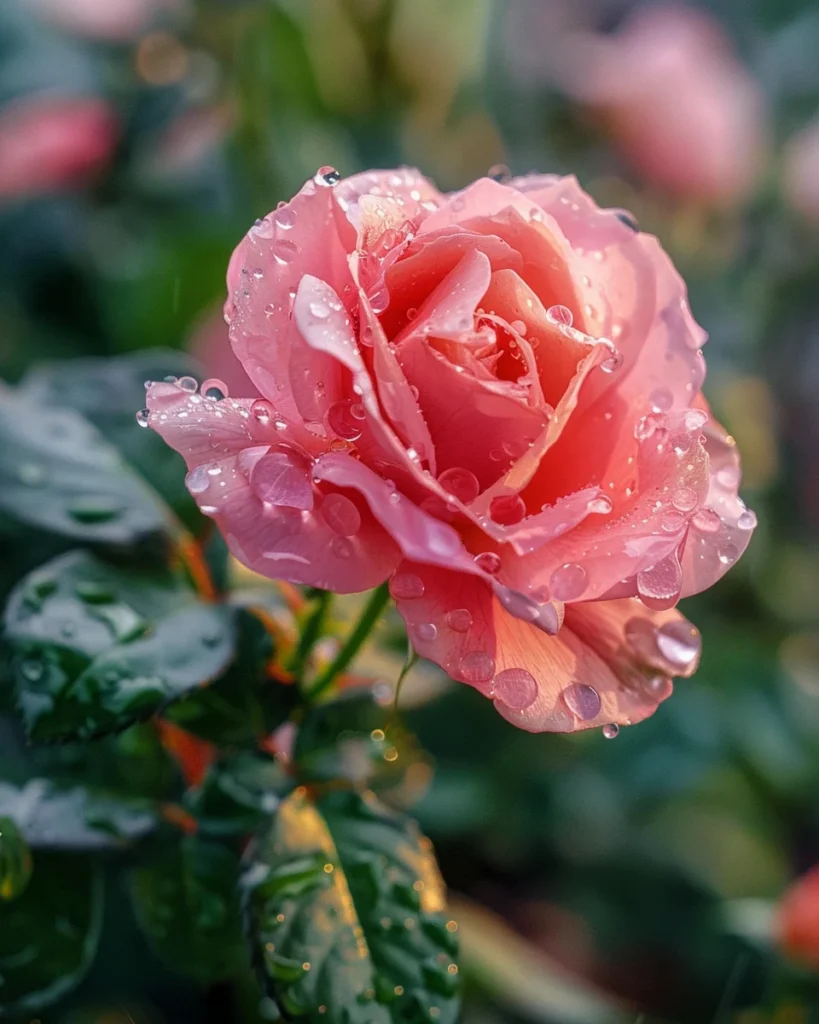
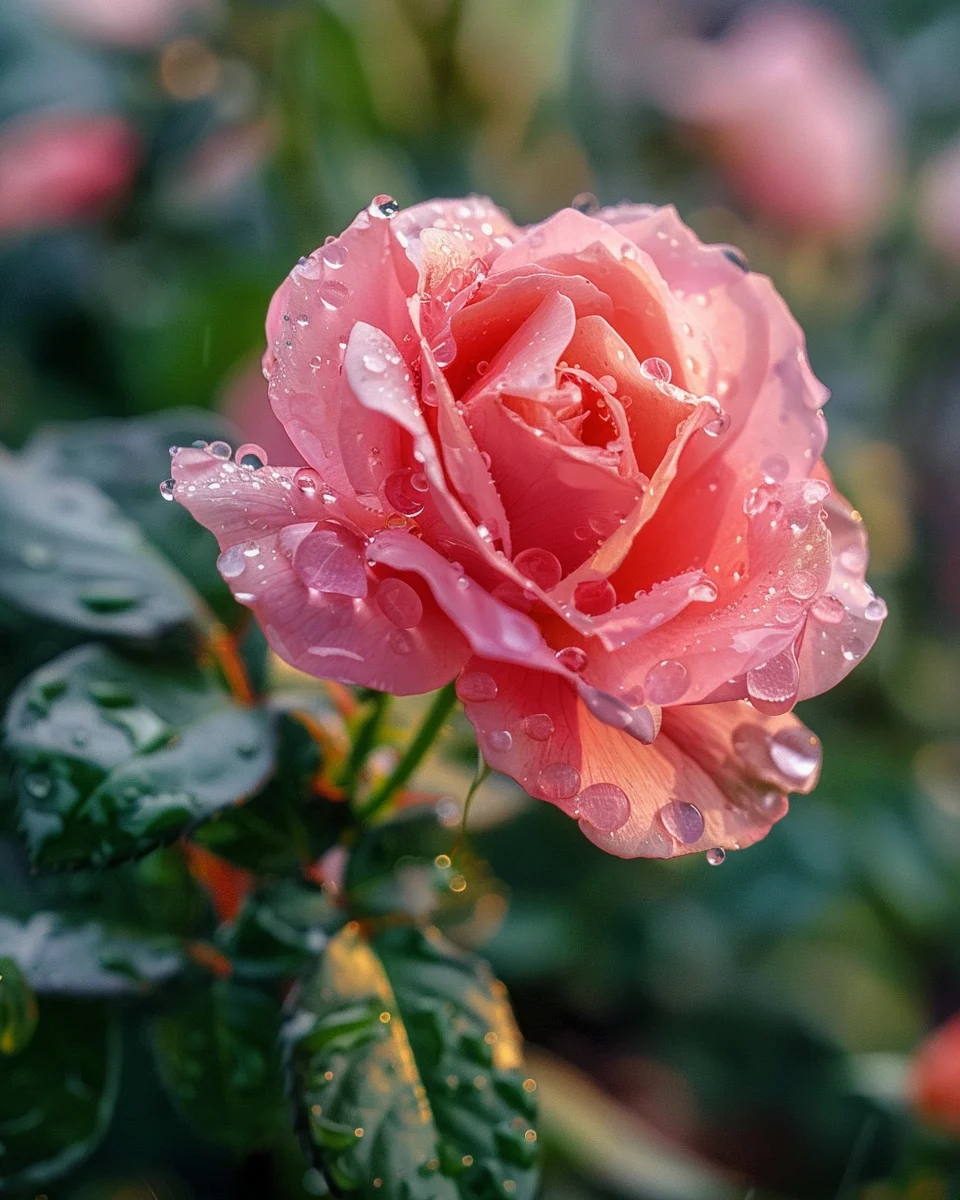
• Roses (especially repeat-blooming varieties) – Dramatic improvement in bloom quantity and quality with regular deadheading.
• Dahlias – Produce significantly larger secondary blooms when consistently deadheaded.
• Petunias – Transform from leggy to lush with frequent deadheading, especially ‘Wave’ and ‘Supertunia’ varieties.
• Zinnias – Respond with remarkable vigor, producing 2-3x more blooms when deadheaded regularly.
• Salvias – Extend blooming season by months with proper deadheading technique.
• Coreopsis – Bloom continuously from early summer until frost when deadheaded.
• Geraniums (Pelargoniums) – Maintain compact form and continuous blooms with regular deadheading.
• Cosmos – Prevent self-seeding and maintain vigor with consistent deadheading.
How to plant My Secret Weapon For Bigger Blooms Its All In The Cut
Materials list:
– Sharp, clean pruning shears or scissors
– Garden gloves (optional but recommended)
– Small bucket or container for collecting spent blooms
– Disinfectant (70% isopropyl alcohol or 10% bleach solution)
– Hand sanitizer (for quick tool cleaning between plants)
Step-by-step:
1. Prepare your tools by cleaning and disinfecting them to prevent disease spread.
2. Identify spent flowers—those that have finished blooming and are beginning to fade or form seed heads.
3. Examine the plant structure to determine the correct cutting point (varies by plant type).
4. For plants with single flowers on individual stems (like roses), cut back to the first set of healthy leaves or to a five-leaflet leaf.
5. For plants with multiple flowers on a stem (like salvias), cut the entire flowering stem back to a lateral bud or leaf node.
6. Make cuts at a 45-degree angle about 1/4 inch (0.6 cm) above the node to prevent water collection and disease.
7. For plants with multiple small flowers (like petunias), pinch off individual spent blooms with your fingertips.
8. Collect all cut material in your bucket rather than letting it fall to the ground.
9. Dispose of collected spent blooms in your compost pile (unless diseased).
10. Clean your tools again before moving to a different plant species.
How to grow My Secret Weapon For Bigger Blooms Its All In The Cut
Successful deadheading requires understanding your plants’ growth habits and needs. Most flowering plants that benefit from deadheading prefer full sunlight (6+ hours daily), though some, like impatiens, thrive in partial shade. Maintain a consistent watering schedule, as water stress can reduce flowering regardless of deadheading. Apply a balanced, slow-release fertilizer at the beginning of the growing season, then switch to a bloom-boosting formula (higher phosphorus, like 10-30-20) when flowering begins. Apply liquid fertilizer every 2-3 weeks during active growth.
Mulch around plants to retain moisture and reduce weed competition, keeping mulch a few inches away from stems. Some plants, particularly those with multiple stems like dahlias and chrysanthemums, benefit from pinching back early in the season to encourage branching before deadheading begins. For container-grown plants, deadhead more frequently as they often produce more flowers in a confined space. Container plants may also require more frequent fertilization to support continuous blooming.
Caring for My Secret Weapon For Bigger Blooms Its All In The Cut
Establish a regular deadheading routine—daily for intensive gardens, 2-3 times weekly for casual gardens. Check plants during morning watering for the best results. Watch for common pests like aphids and thrips that are attracted to flowers; treat promptly with insecticidal soap or neem oil. Powdery mildew can develop on dense foliage after deadheading stimulates new growth; improve air circulation and apply organic fungicides preventatively.
The timing for deadheading varies by plant: remove spent blooms as soon as they begin to fade for most plants, but wait until the entire flower cluster is spent for plants like hydrangeas and lilacs. For plants with ornamental seed heads like coneflowers and black-eyed Susans, you may choose to stop deadheading in late summer to allow seed formation for wildlife and visual winter interest.
Store cut flowers from deadheading sessions in water if you wish to enjoy them indoors. Many flowers removed during deadheading can last several days in a vase, extending their beauty.
Understanding bolting in My Secret Weapon For Bigger Blooms Its All In The Cut
While bolting typically refers to vegetable plants prematurely producing seed stalks, flowering ornamentals experience a similar process when they shift from flower production to seed production. This natural transition is triggered by factors including heat stress, longer daylight hours (photoperiod), drought, or simply the completion of the plant’s flowering cycle. Plants like cosmos, zinnias, and marigolds will naturally attempt to set seed after flowering.
Deadheading directly prevents this “bolting” equivalent by removing the developing seed heads before the plant can complete its reproductive cycle. This tricks the plant into producing more flowers in its continued attempt to reproduce. For plants that naturally bloom in distinct flushes (like many roses), deadheading between flushes prevents seed formation and encourages the next wave of blooms to develop more quickly and abundantly.
If seed formation has already begun, you can often rejuvenate the plant with a harder pruning, cutting back to a strong lateral branch or leaf node to stimulate new flowering growth.
Why does My Secret Weapon For Bigger Blooms Its All In The Cut turn bitter?
When deadheading fails to produce the desired results, several issues may be at play:
• Improper cutting technique – Cutting too far down the stem or not far enough can stress plants or fail to trigger new bloom production.
• Timing errors – Deadheading too late after seed formation has already begun reduces effectiveness.
• Nutrient deficiency – Without adequate phosphorus and potassium, plants cannot produce new flowers regardless of deadheading.
• Plant exhaustion – Some plants have a genetically determined flowering period and will stop regardless of deadheading.
• Environmental stress – Extreme heat, drought, or poor soil conditions can override the benefits of deadheading.
Companion planting for My Secret Weapon For Bigger Blooms Its All In The Cut
Enhance your deadheading results with these complementary plantings:
Marigolds + Roses – Marigolds repel aphids and nematodes that can weaken roses, while both benefit from similar deadheading schedules.
Salvias + Zinnias – Create a continuous bloom cycle with complementary flowering times, and both respond vigorously to deadheading.
Lavender + Echinacea – Both attract pollinators and benefit from similar deadheading techniques, extending the flowering season.
Geraniums + Petunias – Combine for extended color with similar care requirements and deadheading needs.
Cosmos + Verbena – Both produce abundant blooms with deadheading and attract beneficial insects.
Avoid planting heavy feeders like dahlias near other nutrient-demanding plants, as the increased flowering from deadheading requires substantial nutrients.
Seasonal calendar
• Early Spring (March-April): Prepare flowering plants with balanced fertilizer; begin deadheading early bloomers like pansies and primroses.
• Late Spring (May): Deadhead spring bulbs after flowers fade but leave foliage; begin deadheading perennials like columbine and bleeding heart.
• Early Summer (June): Implement regular deadheading schedule for roses, salvias, and early summer bloomers; apply bloom-boosting fertilizer.
• Mid-Summer (July): Intensify deadheading frequency during peak bloom period; water deeply during dry periods to support increased flower production.
• Late Summer (August): Continue deadheading but allow some ornamental plants to form seeds for birds; refresh mulch around plants.
• Early Fall (September): Reduce deadheading of perennials that provide winter interest; continue deadheading annuals for late season color.
• Late Fall (October): Final deadheading of tender perennials; allow seed heads to form on plants valued for winter structure.
• Winter (November-February): Plan next year’s garden with emphasis on succession planting of deadheading-responsive varieties.
For hot regions: Extend deadheading into November; for cool regions: Begin in late April and end by early October.
Problems & solutions
Problem | Quick Fix
—|—
Flowers stop blooming despite deadheading | Apply phosphorus-rich fertilizer (10-30-20) and ensure 6+ hours of sunlight
Plant becomes leggy after deadheading | Prune back by 1/3 to encourage bushier growth from lower nodes
Stems turn brown or black after cutting | Disinfect tools between plants; cut higher above nodes to prevent disease entry
New buds form but don’t open | Check for thrips or bud worms; treat with insecticidal soap and ensure consistent watering
Plants produce smaller secondary blooms | Increase fertilization frequency to every 10-14 days with bloom-boosting formula
Deadheaded plants attract pests | Introduce beneficial insects like ladybugs; spray with neem oil solution weekly
Flowering stops in midsummer heat | Provide afternoon shade and increase watering frequency; resume deadheading when temperatures moderate
Common questions about growing My Secret Weapon For Bigger Blooms Its All In The Cut
**Q: How often should I deadhead my flowering plants?**
A: Most flowering plants benefit from deadheading every 2-3 days during peak bloom season. Daily inspection is ideal for intensive gardens, while weekly deadheading is sufficient for casual gardeners.
**Q: Can I use my fingers instead of tools for deadheading?**
A: For soft-stemmed plants like petunias and marigolds, pinching with fingers works well. For woody stems or tough plants like roses and dahlias, clean, sharp pruners prevent damage and disease transmission.
**Q: Will deadheading work for all flowering plants?**
A: While most flowering plants respond positively to deadheading, some—particularly single-bloom perennials like tulips, daffodils, and peonies—won’t produce additional flowers regardless of deadheading.
**Q: How far back should I cut when deadheading?**
A: Cut back to the first set of healthy leaves or to a leaf node that faces outward from the center of the plant. For roses, cut to a five-leaflet leaf; the cut should be 1/4 inch (0.6 cm) above the node at a 45-degree angle.
**Q: Can deadheading help plants in containers?**
A: Container plants often benefit even more from deadheading due to their limited resources. Combine deadheading with more frequent fertilization (every 10-14 days) for continuous blooms in containers.
**Q: Should I deadhead all my flowering plants?**
A: Deadhead plants grown primarily for their flowers, but consider leaving some seed heads on plants that provide food for birds or winter interest, such as coneflowers, black-eyed Susans, and ornamental grasses.
**Q: Why did my plant stop flowering even though I’m deadheading regularly?**
A: Check for insufficient sunlight (less than 6 hours daily), inadequate fertilization (especially phosphorus), extreme heat stress, or simply that the plant has reached the end of its natural blooming period for the season.