

How to Grow Deer and Rabbit-Resistant Perennials: 10 Indestructible Plants for Your Garden
Intro for Deer and Rabbit-Resistant Perennials
Gardening in areas with abundant wildlife can be challenging when deer and rabbits treat your garden like an all-you-can-eat buffet. Fortunately, nature provides a solution through perennials that these creatures typically avoid. These deer and rabbit-resistant perennials contain natural compounds, textures, or scents that deter browsing, allowing your garden to thrive despite wildlife pressure. These plants offer beauty and resilience year after year while requiring minimal protection. Perfect for rural gardens, suburban landscapes with wildlife corridors, or any area where deer and rabbits regularly visit, these indestructible perennials combine practicality with aesthetic appeal, saving you time, money, and frustration from constant plant replacement.
When to plant Deer and Rabbit-Resistant Perennials
Most deer and rabbit-resistant perennials should be planted in early spring after the danger of frost has passed or in early fall (6-8 weeks before first frost) when soil temperatures remain between 10-21°C (50-70°F). Spring planting gives plants time to establish before summer heat, while fall planting allows root development before winter dormancy. In warmer regions (USDA zones 8-10), winter planting is possible as long as soil isn’t frozen. For Mediterranean climates, plant in autumn to take advantage of winter rains. Regardless of region, avoid planting during extreme temperature periods when plants experience additional stress while establishing.
Best time to plant Deer and Rabbit-Resistant Perennials
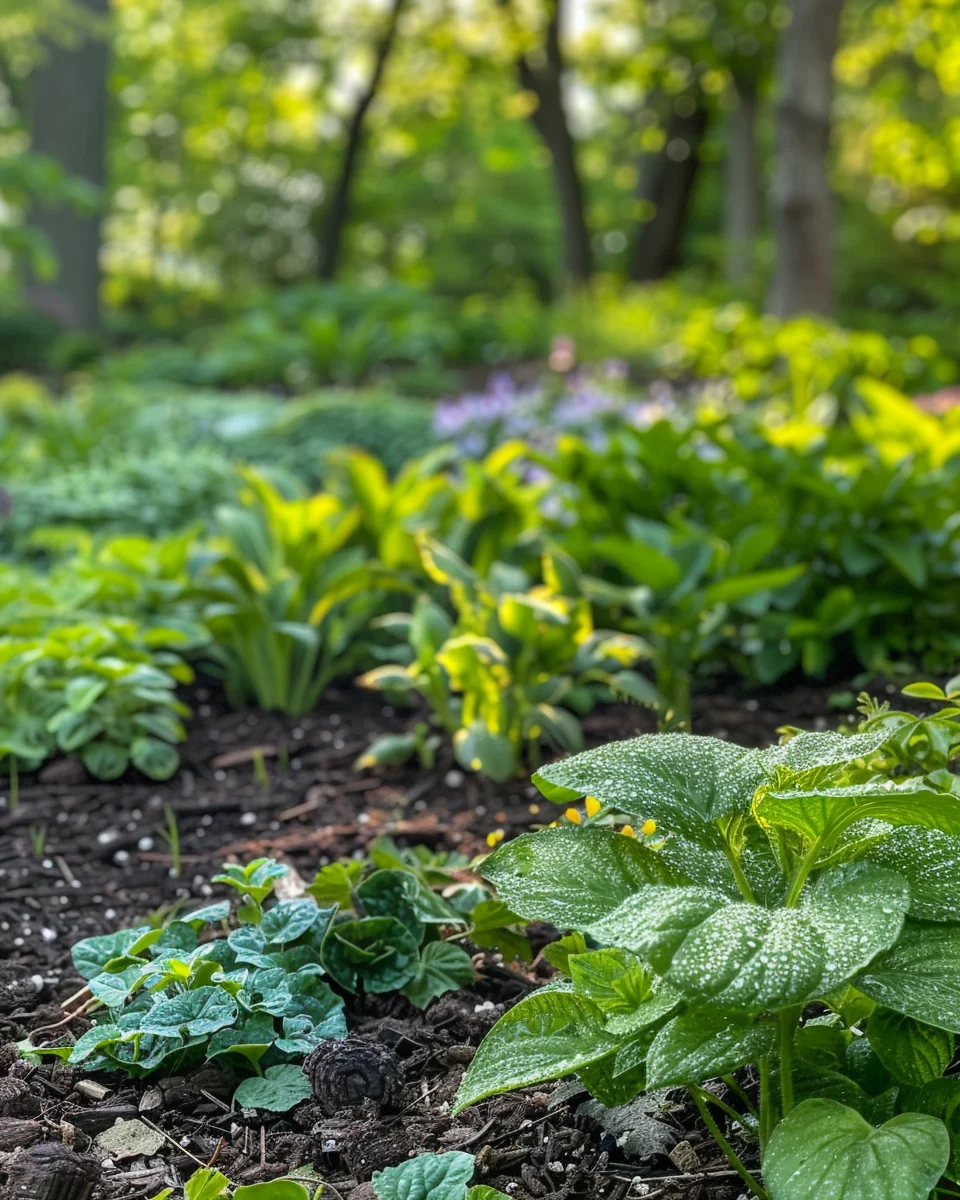
For cool-temperate regions (USDA zones 3-6, UK, Northern Europe): Plant established seedlings or divisions from mid-April through May, or from mid-August through September.
For warm-temperate regions (USDA zones 7-9, Southern Europe): Plant from March through early May or September through October.
For hot regions (USDA zones 10-11, Mediterranean): Plant from October through February to avoid summer heat stress.
Container-grown perennials can be planted anytime during the growing season if properly watered, though spring and fall remain optimal for reducing transplant shock.
Best Deer and Rabbit-Resistant Perennials varieties to grow
• Russian Sage (Perovskia atriplicifolia) – Aromatic silver-blue foliage and lavender flowers that deer avoid due to strong scent, drought-tolerant once established.
• Foxglove (Digitalis) – Tall, dramatic spires of tubular flowers containing compounds toxic to both wildlife and humans, making them completely deer and rabbit proof.
• Bleeding Heart (Dicentra spectabilis) – Elegant heart-shaped flowers on arching stems with foliage that contains alkaloids unpalatable to browsing animals.
• Hellebores (Helleborus) – Early-blooming, shade-tolerant perennials with leathery, toxic foliage that deer consistently avoid even during food scarcity.
• Ornamental Grasses (Miscanthus, Pennisetum) – Tough, fibrous texture and low nutritional value make these architectural plants unappealing to wildlife.
• Lavender (Lavandula) – Intensely aromatic foliage and flowers that deer and rabbits find repellent, plus drought tolerance and pollinator benefits.
• Yarrow (Achillea millefolium) – Feathery, aromatic foliage and flat-topped flower clusters that wildlife typically avoid, available in numerous colors.
• Catmint (Nepeta) – Gray-green aromatic foliage and purple-blue flowers that deer avoid while attracting beneficial pollinators.
How to plant Deer and Rabbit-Resistant Perennials
Materials:
– Selected deer/rabbit-resistant perennial plants
– Garden fork or tiller
– Compost or well-rotted manure
– Garden spade or trowel
– Mulch (bark chips, straw, or leaf mold)
– Watering can or hose with shower attachment
– All-purpose organic fertilizer (optional)
Steps:
1. Select a planting location that meets the light requirements of your chosen perennials (most deer-resistant varieties prefer full sun to partial shade).
2. Prepare the soil by removing weeds and loosening to a depth of 30-40 cm (12-16 inches), incorporating 5-7 cm (2-3 inches) of compost to improve drainage and fertility.
3. Dig planting holes twice as wide as the root ball and at the same depth as the container, spacing plants according to their mature size (typically 30-90 cm/12-36 inches apart depending on variety).
4. Remove plants from containers, gently loosen bound roots, and place in the planting hole with the top of the root ball level with the soil surface.
5. Backfill with soil, firming gently around the roots to eliminate air pockets without compacting too heavily.
6. Water thoroughly after planting, providing about 2-4 liters (½-1 gallon) per plant to settle the soil around roots.
7. Apply 5-7 cm (2-3 inches) of mulch around plants, keeping it a few centimeters away from stems to prevent rot.
8. For extra protection during establishment, consider temporary fencing or repellent sprays until plants mature and develop their deterrent properties.
How to grow Deer and Rabbit-Resistant Perennials
Most deer and rabbit-resistant perennials thrive in full sun (6+ hours daily), though some varieties like hellebores and bleeding heart prefer partial shade. Water deeply but infrequently, allowing soil to dry slightly between waterings—most established deer-resistant plants are drought-tolerant by nature. Apply a balanced, slow-release organic fertilizer in early spring as new growth emerges, but avoid excessive nitrogen which can reduce the compounds that deter wildlife. Refresh mulch annually in spring to conserve moisture and suppress weeds.
Pruning requirements vary by species: cut back ornamental grasses in late winter before new growth; deadhead flowering varieties like yarrow and catmint to encourage reblooming; and divide crowded clumps every 3-4 years in spring or fall. Most deer-resistant perennials don’t require staking except for taller varieties like foxglove in windy locations.
For container growing, use pots at least 40 cm (16 inches) in diameter with excellent drainage, and consider grouping several deer-resistant varieties together for enhanced protection and visual impact.
Caring for Deer and Rabbit-Resistant Perennials
Ongoing maintenance includes removing spent flowers to encourage reblooming and cutting back dead foliage in late fall or early spring. While these plants resist deer and rabbits, they may still face pest challenges like aphids (treat with insecticidal soap or strong water spray) or powdery mildew (improve air circulation and apply organic fungicide if severe). Root rot can occur in poorly drained soils—prevent by ensuring proper drainage and avoiding overwatering.
Most deer-resistant perennials don’t require winter protection in their hardiness zones, though a light mulch can protect roots in colder regions. For lavender and other Mediterranean natives, reduce watering in fall to harden plants for winter. If deer pressure increases during food scarcity, supplement plant defenses with commercial repellents or homemade deterrents like garlic and egg sprays.
Harvest herbs like lavender and sage when flowers are just opening for maximum essential oil content, and dry in bunches hanging upside down in a well-ventilated area.
Understanding bolting in Deer and Rabbit-Resistant Perennials
Bolting refers to premature flowering and seed production, primarily affecting herbaceous perennials like catmint and yarrow. This process is triggered by heat stress, extended daylight hours (photoperiod), or environmental stressors like drought. When plants bolt, they divert energy to seed production rather than foliage growth, often resulting in reduced ornamental value and sometimes diminishing their deer-resistant properties.
To prevent bolting, provide afternoon shade in hot climates, maintain consistent moisture during dry periods, and avoid high-nitrogen fertilizers that promote rapid, weak growth. Regular deadheading removes developing seed heads and encourages continued vegetative growth. If bolting occurs, cut back flowering stems promptly to redirect energy to foliage production and apply a light dose of balanced fertilizer to support recovery.
Why does Deer and Rabbit-Resistant Perennials turn bitter?
• Age of plants – Many deer-resistant plants naturally increase bitter compounds as they mature, enhancing their wildlife resistance but sometimes affecting culinary uses for herbs like sage.
• Environmental stress – Drought, excessive heat, or poor soil conditions can increase bitter alkaloids and terpenes as a defense mechanism; maintain consistent watering during dry periods.
• Flowering stage – Once herbs begin flowering, foliage often becomes more bitter; harvest leaves before bloom stage for culinary purposes.
• Soil mineral imbalance – Excessive nitrogen or deficient potassium can increase bitterness; conduct soil tests and amend accordingly with balanced organic fertilizers.
• Genetic factors – Some varieties naturally contain higher levels of bitter compounds; select cultivars specifically bred for culinary use if growing edible deer-resistant herbs.
Companion planting for Deer and Rabbit-Resistant Perennials
Good companions:
• Alliums (garlic, chives, ornamental onions) – Enhance deer resistance through strong scent and may help protect more vulnerable neighboring plants.
• Marigolds – Emit compounds that deter both underground and above-ground pests while adding bright colors.
• Salvias – Complement other deer-resistant perennials with similar growing requirements while attracting pollinators.
• Echinacea (Coneflower) – Attracts beneficial insects that help control garden pests while sharing deer-resistant qualities.
• Thyme – Creates excellent groundcover between taller deer-resistant perennials and adds additional aromatic protection.
Avoid planting near:
• Hostas and Daylilies – Deer favorites that may attract wildlife to the area, potentially increasing browsing pressure on resistant plants.
• Plants with high water needs – Many deer-resistant plants prefer drier conditions and may suffer from root rot if planted with moisture-loving species.
Seasonal calendar
Early Spring (March-April): Cut back previous year’s growth; divide overcrowded clumps; apply slow-release organic fertilizer; plant new perennials after last frost.
Late Spring (May): Mulch around established plants; monitor for early pest issues; continue planting in cooler regions.
Summer (June-August): Deadhead spent flowers to encourage reblooming; provide supplemental water during drought; harvest herbs before flowering for culinary use.
Early Fall (September-October): Plant new perennials to establish before winter; divide overcrowded plants; reduce watering for Mediterranean varieties.
Late Fall (November): Cut back dead foliage of non-evergreen perennials; apply light winter mulch in colder regions.
Winter (December-February): Plan next season’s additions; order seeds/plants; plant bare-root perennials in mild winter regions.
Problems & solutions
| Problem | Quick Fix |
|---|---|
| Increased deer browsing despite resistant plants | Interplant with highly aromatic herbs like rosemary and sage; apply commercial deer repellent after rain; install motion-activated sprinklers temporarily. |
| Poor flowering | Ensure adequate sunlight (6+ hours for most varieties); apply phosphorus-rich organic fertilizer; avoid excessive nitrogen. |
| Leggy, sparse growth | Cut back by one-third in early summer to encourage bushier growth; ensure adequate spacing for air circulation. |
| Powdery mildew on foliage | Improve air circulation by thinning plants; spray with diluted milk solution (1:9 milk to water) or neem oil; water at soil level rather than overhead. |
| Plants dying in center | Divide and replant outer healthy portions; refresh soil with compost; check for proper drainage. |
| Winter dieback in borderline zones | Apply 7-10 cm (3-4 inches) of mulch after ground freezes; plant in protected locations; select varieties rated for your specific hardiness zone. |
Common questions about growing Deer and Rabbit-Resistant Perennials
Are deer and rabbit-resistant plants completely wildlife-proof?
No plant is 100% deer or rabbit-proof. Resistance varies based on local wildlife pressure, food availability, and individual animal preferences. During food scarcity, even resistant plants may be browsed, though they’re typically the last chosen.
How much sunlight do deer-resistant perennials need?
Most deer-resistant perennials prefer full sun (6+ hours daily), which intensifies their aromatic oils and compounds that deter wildlife. However, varieties like hellebores, bleeding heart, and some ferns offer deer resistance in partial shade locations.
Can I grow deer-resistant perennials in containers?
Yes, most deer-resistant perennials adapt well to container growing. Use pots at least 40 cm (16 inches) in diameter with excellent drainage. Container growing can actually enhance deer resistance by elevating plants and concentrating their aromatic properties.
How often should I divide deer-resistant perennials?
Most varieties benefit from division every 3-4 years when centers become woody or growth slows. Spring or fall is ideal for division, though specific timing varies by species. Some woody perennials like lavender and Russian sage rarely need division.
Will deer-resistant perennials survive drought?
Many deer-resistant perennials have excellent drought tolerance once established, particularly Mediterranean natives like lavender, sage, and Russian sage. Provide regular water during the first growing season, then reduce to occasional deep watering in subsequent years.
Do deer-resistant perennials attract beneficial insects?
Yes, many deer-resistant perennials like catmint, yarrow, and Russian sage attract pollinators and beneficial insects while deterring unwanted wildlife, creating a balanced garden ecosystem.
How can I enhance the deer-resistant properties of my garden?
Plant resistant varieties in drifts rather than isolated specimens; incorporate strongly scented herbs throughout the garden; apply commercial deer repellents during establishment and periods of high browsing pressure; and maintain healthy plants, as stressed plants may lose some of their protective compounds.