
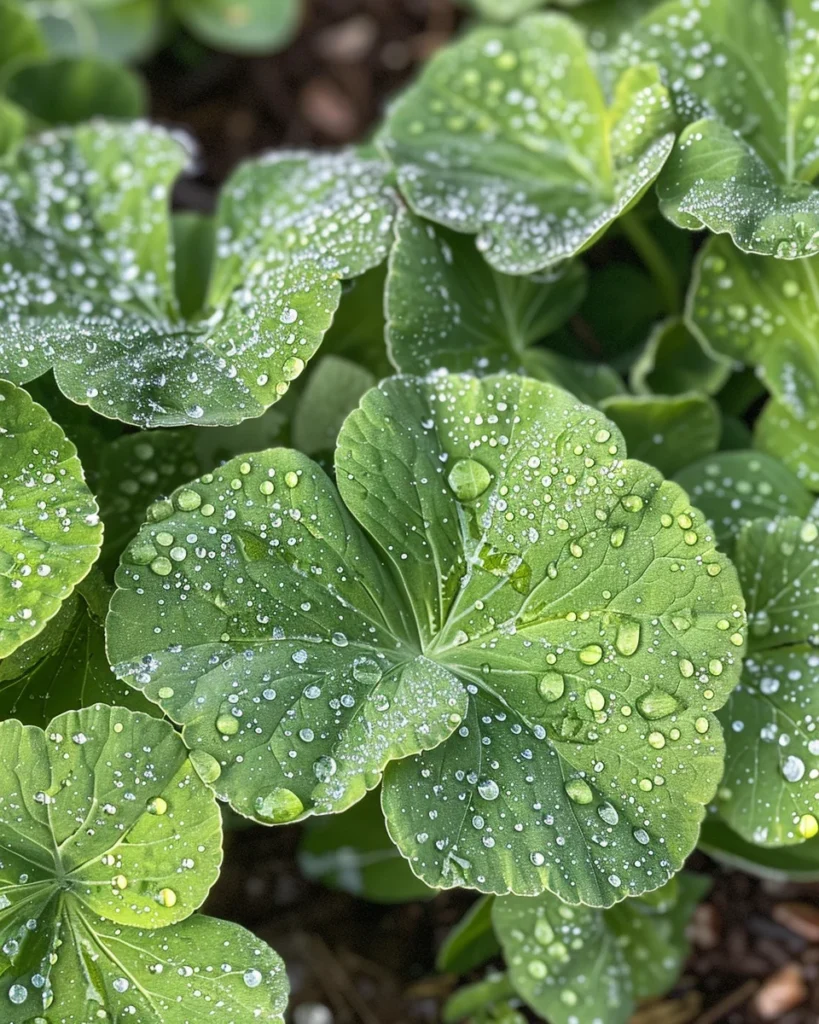
How to Water Your Garden Just Once a Week: Smart Techniques for a Thriving Garden
Intro for I Only Water My Garden Once a Week
Watering a garden just once a week might sound impossible, but with the right techniques, it’s not only feasible but can actually promote healthier, more resilient plants. This approach encourages deeper root growth as plants adapt to seek water farther down in the soil profile. A once-weekly watering schedule conserves water, saves time, and reduces utility bills while still maintaining a vibrant garden. This method works particularly well in temperate regions with moderate rainfall patterns, though it can be adapted for various climates with some adjustments. By implementing smart watering strategies, proper soil preparation, and appropriate plant selection, you can create a thriving garden that requires minimal irrigation.
When to plant for a low-water garden
For a garden that thrives on minimal watering, timing is crucial. In temperate regions, early spring and fall are ideal planting seasons when temperatures are cooler and natural rainfall is more reliable. Soil temperatures between 10-18°C (50-65°F) are optimal for establishing most plants before summer heat arrives. Always plant after the last frost date in spring or at least 6-8 weeks before the first fall frost to allow proper root establishment. In warmer regions (US Zones 8-10), winter planting can be advantageous as plants establish during milder conditions before facing summer heat stress.
Best time to plant for water efficiency
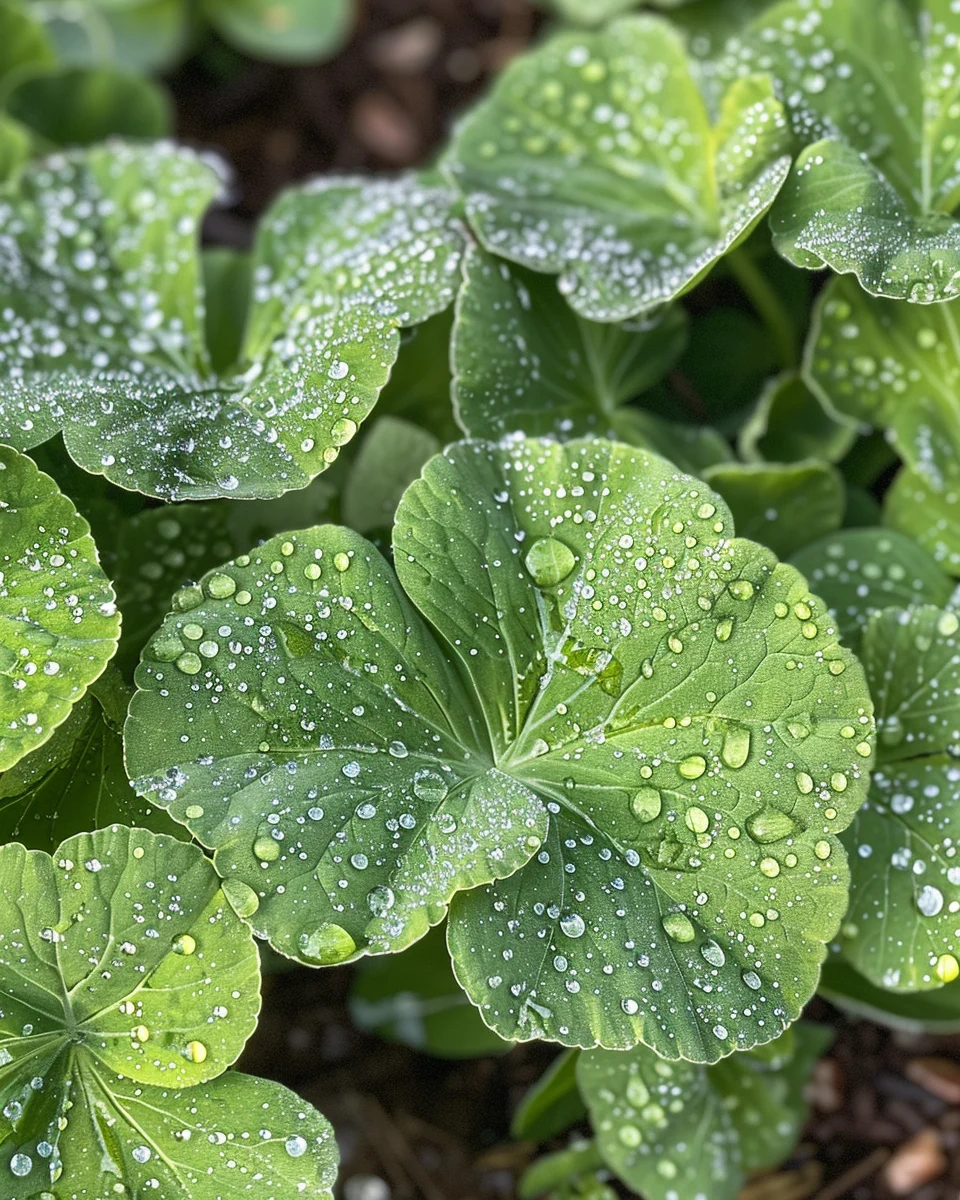
For cool-climate regions, plant drought-tolerant perennials and shrubs from mid-spring to early summer (April-June), allowing them to establish before winter. For warm-climate areas, fall planting (September-November) gives plants the entire winter to develop strong root systems before summer heat. Direct sow drought-tolerant annuals after soil has warmed to at least 15°C (60°F). For transplants, early morning or evening planting in spring reduces transplant shock. In Mediterranean climates, focus on planting in October-November to take advantage of winter rains for establishment.
Best drought-tolerant varieties to grow
• Lavender (Lavandula) – Thrives in hot, dry conditions with minimal water once established; provides beautiful blooms and fragrance.
• Russian Sage (Perovskia atriplicifolia) – Offers silvery foliage and purple flowers that attract pollinators while requiring almost no supplemental water.
• Sedum varieties – Succulent perennials that store water in fleshy leaves, making them exceptionally drought-resistant.
• Yarrow (Achillea millefolium) – Native wildflower with feathery foliage and flat-topped flower clusters that thrives in poor soil with minimal water.
• Ornamental grasses (like Miscanthus and Pennisetum) – Develop deep root systems that access moisture far below the soil surface.
• Mediterranean herbs (Rosemary, Thyme, Oregano) – Evolved in dry climates and continue to produce aromatic foliage with minimal irrigation.
• Blanket Flower (Gaillardia) – Produces colorful daisy-like blooms throughout summer with very little water once established.
How to plant a water-efficient garden
Materials list:
– Compost or well-rotted manure
– Mulch (bark chips, straw, or gravel)
– Soil amendments (if needed for drainage)
– Drip irrigation system or soaker hoses
– Watering wand with shower head
– Organic fertilizer (slow-release)
– Garden fork or tiller
Step-by-step:
1. Test your soil drainage by digging a 30 cm (12 in) hole, filling it with water, and observing how quickly it drains; aim for soil that drains well but retains some moisture.
2. Amend soil with 5-7 cm (2-3 in) of compost to improve both drainage and water-holding capacity.
3. Group plants with similar water needs together in hydrozones to prevent overwatering drought-tolerant species.
4. Dig planting holes twice as wide as the root ball but at the same depth.
5. Roughen the sides of planting holes to encourage roots to penetrate surrounding soil.
6. Place plants at the same level they were growing in their containers, avoiding burying stems too deeply.
7. Backfill with native soil mixed with compost rather than potting soil, which can create a moisture barrier.
8. Create a slight basin around each plant to capture rainfall and irrigation.
9. Water deeply immediately after planting to eliminate air pockets around roots.
10. Apply 7-10 cm (3-4 in) of mulch around plants, keeping it away from stems and trunks.
How to grow a garden with weekly watering
Position your garden to receive morning sun with afternoon shade in hot climates to reduce water loss through evaporation. When watering weekly, apply water deeply—about 2.5-5 cm (1-2 inches) depending on soil type—to encourage deep root growth. Use drip irrigation or soaker hoses placed directly at the soil level to minimize evaporation and deliver water precisely where needed. Apply organic fertilizers that release nutrients slowly rather than chemical fertilizers that require consistent moisture. Mulch extensively with 7-10 cm (3-4 inches) of organic material to retain soil moisture and suppress weeds that compete for water. For container plants, use larger pots (at least 40 cm/16 in diameter) with water-retaining polymers mixed into the soil. Consider installing rain barrels to harvest rainfall for supplemental watering during dry periods. In extremely hot weather, provide temporary shade for sensitive plants using shade cloth to reduce transpiration.
Caring for a low-water garden
Monitor soil moisture by inserting your finger 5-7 cm (2-3 in) into the soil; if it feels dry at that depth, it’s time to water. Regularly refresh mulch as it breaks down to maintain moisture retention. Common pests in water-stressed gardens include spider mites and aphids; treat with strong water sprays during your weekly watering or insecticidal soap if severe. Powdery mildew can affect plants in dry conditions with poor air circulation; improve spacing between plants and water at soil level only. Prune plants selectively to reduce water demands and remove damaged or diseased growth. Harvest vegetables and fruits promptly to prevent plants from expending energy on seed production. For storage, most drought-tolerant herbs can be dried and stored in airtight containers, while vegetables from low-water gardens often have concentrated flavors ideal for preservation.
Understanding water stress in plants
Water stress occurs when plants cannot access sufficient moisture to maintain normal functions. Triggers include extended periods without rainfall, high temperatures, windy conditions, and compacted soil that prevents root penetration. To prevent water stress, gradually acclimate plants to less frequent watering by extending intervals between irrigation sessions over several weeks. Apply water deeply when you do irrigate to train roots downward. If water stress occurs, water immediately at the base of plants, preferably in early morning, and provide temporary shade until plants recover. Avoid fertilizing stressed plants as this can further damage roots. Consider replacing consistently struggling plants with more drought-tolerant species better suited to your watering schedule.
Why does my garden wilt despite weekly watering?
• Shallow watering encourages surface roots that dry out quickly; solution: water deeply but less frequently.
• Clay soil may be preventing water penetration; solution: amend with compost and consider installing drainage.
• Excessive competition from weeds stealing moisture; solution: maintain thorough mulching and regular weeding.
• Inappropriate plant selection for your climate; solution: replace with native or drought-adapted species.
• Compacted soil preventing root expansion; solution: aerate soil and add organic matter to improve structure.
Companion planting for water efficiency
Good companions for water-efficient gardens include:
• Deep-rooted plants (like yarrow) alongside shallow-rooted species to access different soil moisture levels.
• Tall plants (sunflowers, corn) providing afternoon shade for more sensitive companions.
• Nitrogen-fixing plants (beans, clover) improving soil fertility without requiring additional fertilizer and water.
• Ground covers (thyme, sedum) that suppress weeds and reduce soil evaporation.
• Native wildflowers attracting beneficial insects that help control pests without chemical interventions.
Avoid planting moisture-loving species like impatiens or astilbe near drought-tolerant plants, as their different watering needs will cause one group to suffer. Also avoid shallow-rooted trees near your garden, as they compete aggressively for available moisture.
Seasonal calendar
Spring (March-May):
• Apply compost to beds before planting
• Install or check drip irrigation systems
• Plant drought-tolerant perennials and shrubs
• Begin mulching as soil warms
Summer (June-August):
• Water deeply once weekly, preferably in early morning
• Maintain 7-10 cm (3-4 in) mulch layer
• Monitor for signs of water stress during hottest periods
• Harvest rainwater when available
Fall (September-November):
• Plant trees, shrubs, and perennials to establish before summer
• Add compost to garden beds
• Reduce watering frequency as temperatures cool
• Apply winter mulch in cold regions
Winter (December-February):
• Plan garden layout and hydrozones for spring
• Maintain minimal watering for evergreens during dry spells
• Order drought-tolerant seeds and plants
• Repair and improve irrigation systems
Problems & solutions
Problem | Quick Fix
— | —
Wilting despite weekly watering | Check soil moisture at root level; if dry, water more deeply but maintain weekly schedule
Yellow leaves | Likely overwatering; ensure soil drains well and extend time between waterings
Stunted growth | Apply diluted organic fertilizer during your weekly watering
Cracked fruits/vegetables | Maintain consistent moisture with proper mulching; consider increasing pot sizes for containers
Powdery soil repelling water | Add organic matter and use a surfactant to help water penetrate
Soil erosion during watering | Reduce water pressure, use a shower nozzle, or switch to drip irrigation
Excessive weed growth | Apply thicker mulch layer and consider landscape fabric in problem areas
Common questions about growing a once-weekly watered garden
Q: Can any garden truly thrive with just one watering per week?
A: Yes, with proper plant selection, soil preparation, and mulching, many gardens can thrive with weekly watering, though newly established plants and extreme heat waves may require supplemental irrigation.
Q: What’s the best time of day to water when following a weekly schedule?
A: Early morning (5-9 AM) is ideal as it allows water to penetrate before evaporation increases, while giving foliage time to dry before evening to prevent disease.
Q: How deep should I water during my weekly irrigation?
A: Aim to wet the soil to a depth of 15-20 cm (6-8 inches) for most plants, which typically requires about 2.5-5 cm (1-2 inches) of water depending on your soil type.
Q: Can container plants survive with once-weekly watering?
A: Container plants typically need more frequent watering, but using larger containers (minimum 40 cm/16 in diameter), water-retaining soil amendments, and appropriate plant selection can make weekly watering feasible.
Q: How do I know if my plants need more frequent watering?
A: Persistent wilting that doesn’t recover overnight, crispy leaf edges, dropping of flower buds, and stunted growth are signs that your current watering schedule is insufficient.
Q: Will my vegetables produce less with restricted watering?
A: Some vegetables may produce smaller yields, but many develop more concentrated flavors with moderate water stress. Focus on drought-tolerant varieties like tomatoes, peppers, eggplants, and Mediterranean herbs.
Q: How can I prepare my soil to retain more moisture?
A: Incorporate plenty of organic matter (compost, aged manure), avoid excessive tilling, maintain consistent mulch, and consider adding a small amount of clay to very sandy soils to improve water retention.