
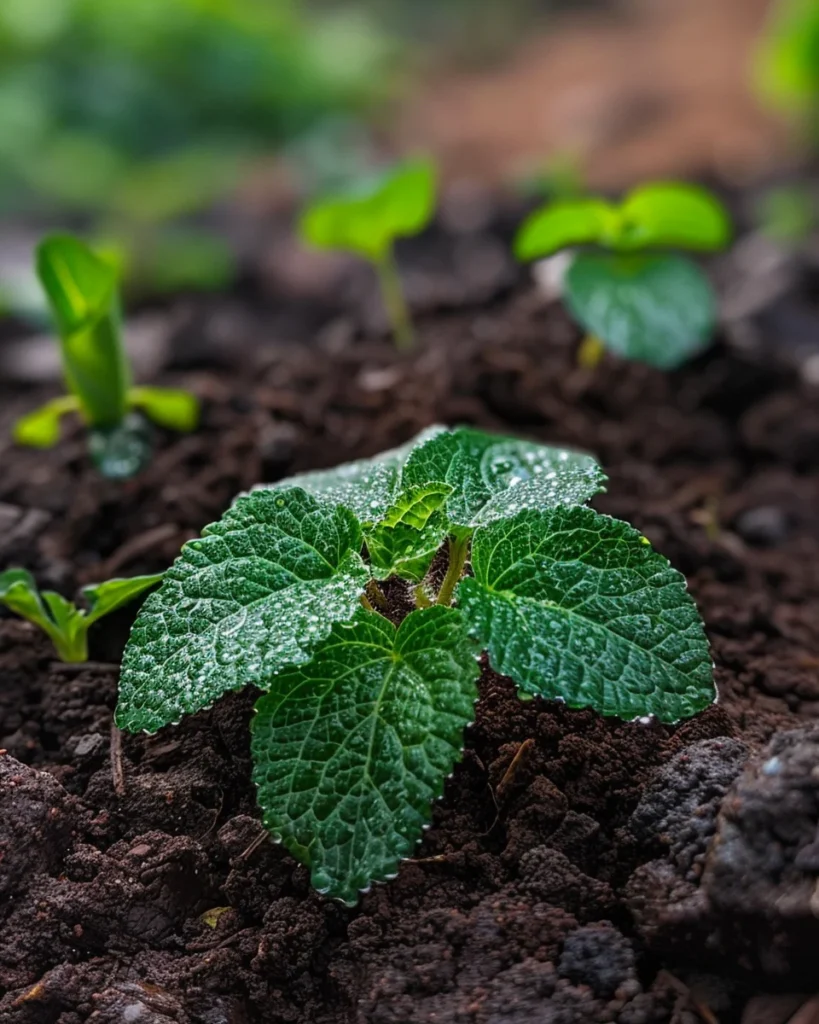
The Minimalist Garden Guide: 4 Essential Supplies for a Thriving Garden
Intro for Minimalist Garden Supplies
Gardening doesn’t have to be complicated or expensive. With just four essential supplies, you can create and maintain a thriving garden that produces abundant vegetables, herbs, and flowers. This minimalist approach not only saves money but also simplifies your gardening routine, making it more enjoyable and sustainable. Whether you’re working with a small balcony garden or a larger backyard plot, these four fundamental tools and materials will cover all your basic gardening needs across various climate zones. By focusing on these essentials, you’ll eliminate clutter, reduce waste, and develop a more intuitive relationship with your plants.
When to plant with minimalist supplies
The beauty of a minimalist gardening approach is that it works year-round in most temperate regions. In spring (soil temperatures 10-15°C/50-60°F), focus on preparing beds and sowing cool-season crops. Summer (soil temperatures 18-24°C/65-75°F) is ideal for maintenance and tending warm-season plants. Fall (soil temperatures dropping below 15°C/60°F) is perfect for planting perennials and bulbs. Even winter offers opportunities for planning and soil improvement in frost-free periods. With just four essential supplies, you can adapt to seasonal changes without needing specialized equipment for each season.
Best time to plant with minimalist garden supplies

For cool-climate regions (US Zones 3-6, UK, Northern Europe), maximize your minimalist supplies from April through October. In warm-climate areas (US Zones 7-10, Mediterranean), you can garden almost year-round, with peak activity from February through November. The best approach is to align your planting schedule with natural rainfall patterns to reduce watering needs. For transplanting, choose overcast days or evenings to minimize plant stress, allowing you to focus on using your limited tools most effectively rather than fighting against harsh conditions.
Best minimalist garden supplies to grow with
- Quality Hand Trowel – The workhorse of minimalist gardening; look for a full-tang stainless steel model with comfortable wooden handle for durability.
- Pruning Shears – Essential for harvesting and maintenance; bypass pruners with replaceable parts offer the best long-term value.
- Watering Can with Rose Attachment – Perfect for seedlings and container plants; choose a 2-gallon (8-liter) size for efficiency without excessive weight.
- Organic Compost – The only soil amendment you truly need; well-aged compost addresses most fertility issues without chemical fertilizers.
- Bonus: Garden Gloves – While technically a fifth item, durable, washable gloves with nitrile-dipped palms protect hands while maintaining dexterity.
How to plant with minimalist garden supplies
Materials needed:
- Hand trowel
- Watering can
- Compost
- Seeds or seedlings
Step-by-step process:
- Clear the planting area of weeds and debris using your hand trowel.
- Loosen the soil to a depth of 15-20 cm (6-8 inches) with the trowel.
- Mix in a 2.5 cm (1 inch) layer of compost with the existing soil.
- For seeds: Create a shallow furrow with the trowel edge, sow seeds at recommended depth, and cover lightly.
- For transplants: Dig a hole slightly larger than the root ball using your trowel.
- Place plants at appropriate spacing (check seed packet or plant tag for guidance).
- Backfill around transplants, gently firming soil with your hands.
- Water thoroughly using the rose attachment on your watering can for gentle irrigation.
- Apply a thin layer of compost as mulch around plants (but not touching stems).
How to grow with minimalist garden supplies
With just four supplies, focus on working with nature rather than against it. Place plants according to their sunlight needs (6-8 hours for most vegetables). Establish a watering routine using your watering can—typically 2-3 times weekly for in-ground plants and daily for containers during hot weather. Instead of commercial fertilizers, top-dress with compost monthly during the growing season. For mulching, use a thin layer of compost to suppress weeds and retain moisture. Prune and thin plants with your pruning shears to improve air circulation. For container gardening, the same four supplies work perfectly—just ensure containers have drainage holes and use your trowel to check soil moisture before watering.
Caring for your garden with minimalist supplies
Regular maintenance with minimal supplies means being observant and proactive. Check plants weekly for signs of pests or disease. For aphids and soft-bodied pests, a strong spray of water from your watering can often suffices. Prune damaged or diseased foliage promptly with your shears (clean between cuts with alcohol if disease is present). For fungal issues, improve air circulation by thinning plants with your pruners. Harvest regularly using your pruning shears to encourage continued production. Your trowel is perfect for harvesting root crops and potatoes. For storage, clean harvested produce with water and store according to each plant’s requirements—no special equipment needed beyond basic kitchen containers.
Understanding bolting in a minimalist garden
Bolting occurs when plants rapidly produce flowers and seeds, often making leaves bitter. This is typically triggered by heat, longer daylight hours, or stress from irregular watering. In a minimalist garden, prevention is key—use your trowel to plant heat-sensitive crops like lettuce and spinach in partially shaded locations during summer. Maintain consistent moisture with your watering can to reduce stress. If bolting begins, use your pruning shears to immediately remove flower stalks, which may extend harvest time. For chronically bolt-prone plants, succession planting (sowing small batches every 2-3 weeks) using your trowel and compost ensures continuous harvests before bolting occurs.
Why does my garden struggle despite minimalist care?
- Inconsistent watering – Solution: Establish a regular schedule with your watering can; check soil moisture with your trowel before watering.
- Poor soil fertility – Solution: Apply more compost as a top dressing; no need for synthetic fertilizers.
- Overcrowding – Solution: Use pruning shears to thin plants, improving air circulation and reducing competition.
- Pest pressure – Solution: Physically remove pests; use your trowel to create shallow trenches around plants for diatomaceous earth if needed.
- Wrong plants for your climate – Solution: Focus on locally-adapted varieties that thrive with minimal intervention.
Companion planting for a minimalist garden
Companion planting helps maximize results with minimal inputs. Plant aromatic herbs like basil and oregano near tomatoes to repel pests—easily maintained with your pruning shears. Use your trowel to interplant quick-growing radishes between slower-growing carrots to maximize space. Marigolds deter many garden pests and can be easily maintained with occasional deadheading using pruners. Avoid planting members of the same family together (like tomatoes, potatoes, and peppers) to prevent shared diseases. Plant heavy feeders (corn, tomatoes) where legumes (beans, peas) grew previously, using your trowel to work in compost when rotating crops.
Seasonal calendar
Spring (March-May):
- Use trowel to prepare beds and incorporate compost
- Direct sow cool-season crops
- Transplant seedlings after last frost
- Prune winter damage from perennials
Summer (June-August):
- Harvest regularly with pruning shears
- Water consistently during dry periods
- Apply compost as mulch to retain moisture
- Prune to improve air circulation
Fall (September-November):
- Plant garlic and overwintering crops
- Harvest final crops
- Add compost to beds
- Prune perennials as needed
Winter (December-February):
- Clean and oil tools
- Plan next season’s garden
- Start seeds indoors (using compost and containers)
- Prune dormant fruit trees and shrubs
Problems & solutions
| Problem | Quick Fix |
|---|---|
| Compacted soil | Use trowel to loosen soil and incorporate compost |
| Wilting plants | Check soil moisture with trowel; water deeply if dry |
| Leggy seedlings | Ensure adequate light; thin with pruning shears |
| Yellowing leaves | Top-dress with compost; check drainage with trowel |
| Pest damage | Physically remove pests; prune affected foliage |
| Weeds | Remove with trowel, focusing on root systems |
| Poor germination | Check soil moisture and temperature; ensure proper depth with trowel |
Common questions about minimalist gardening
Can I really garden with just four supplies?
Yes! While additional tools might make certain tasks easier, a quality trowel, pruning shears, watering can, and compost cover all essential gardening functions for most home gardens.
How do I handle larger garden areas with minimal tools?
Work in sections rather than tackling the entire garden at once. Focus on high-value areas first, and consider no-dig methods that minimize the need for extensive soil preparation.
What’s the best container size for minimalist container gardening?
For most vegetables, a minimum of 30 cm (12 inches) depth and 30 cm diameter provides adequate root space while remaining manageable with a hand trowel.
How do I deal with heavy clay soil using just these supplies?
Incorporate generous amounts of compost over time using your trowel. Focus on raised beds or mounded planting areas to improve drainage without needing additional amendments.
Can I start seeds with these minimal supplies?
Absolutely. Use your trowel to fill repurposed containers with compost-enriched soil, and your watering can with rose attachment provides the gentle moisture seedlings need.
How often should I replace my minimalist garden tools?
Quality tools should last 5-10+ years with proper care. Clean after each use, oil metal parts occasionally, and store in a dry location to maximize longevity.
Is it possible to grow all types of plants with this minimalist approach?
Most common vegetables, herbs, flowers, and small fruits grow perfectly well with these basic supplies. Only specialized plants with unique requirements might need additional tools or amendments.