
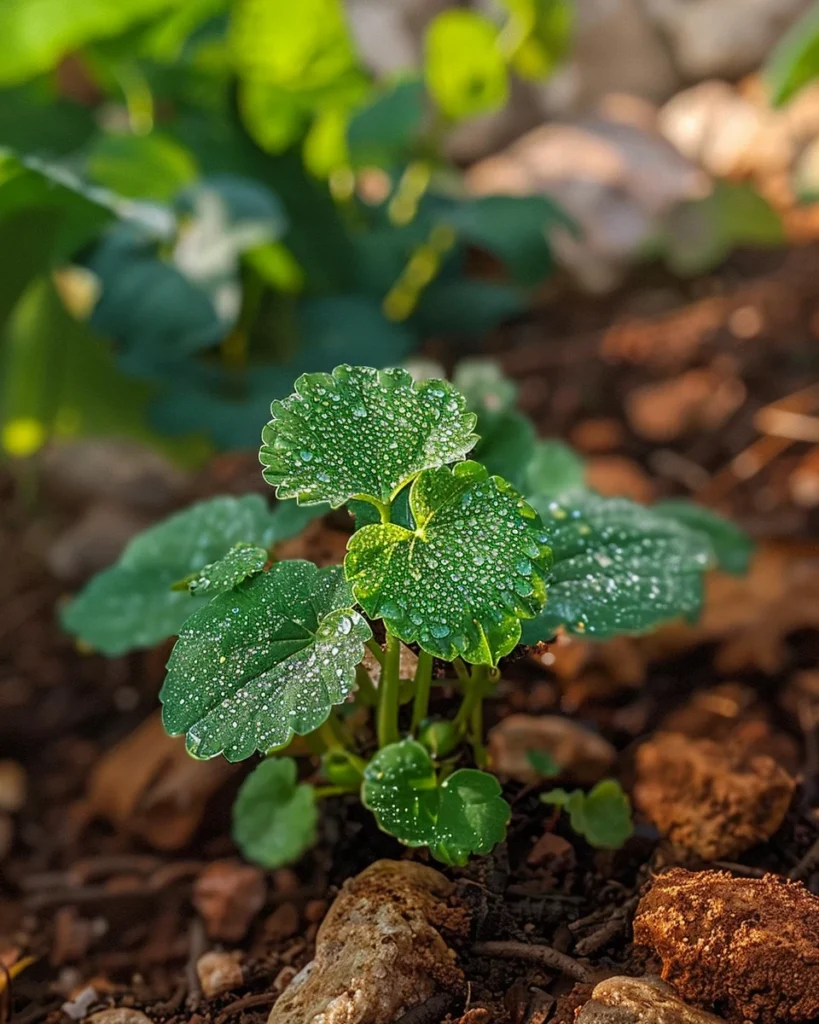
Weekly Deadheading Works Wonders: How to Simplify Flower Maintenance While Maximizing Blooms
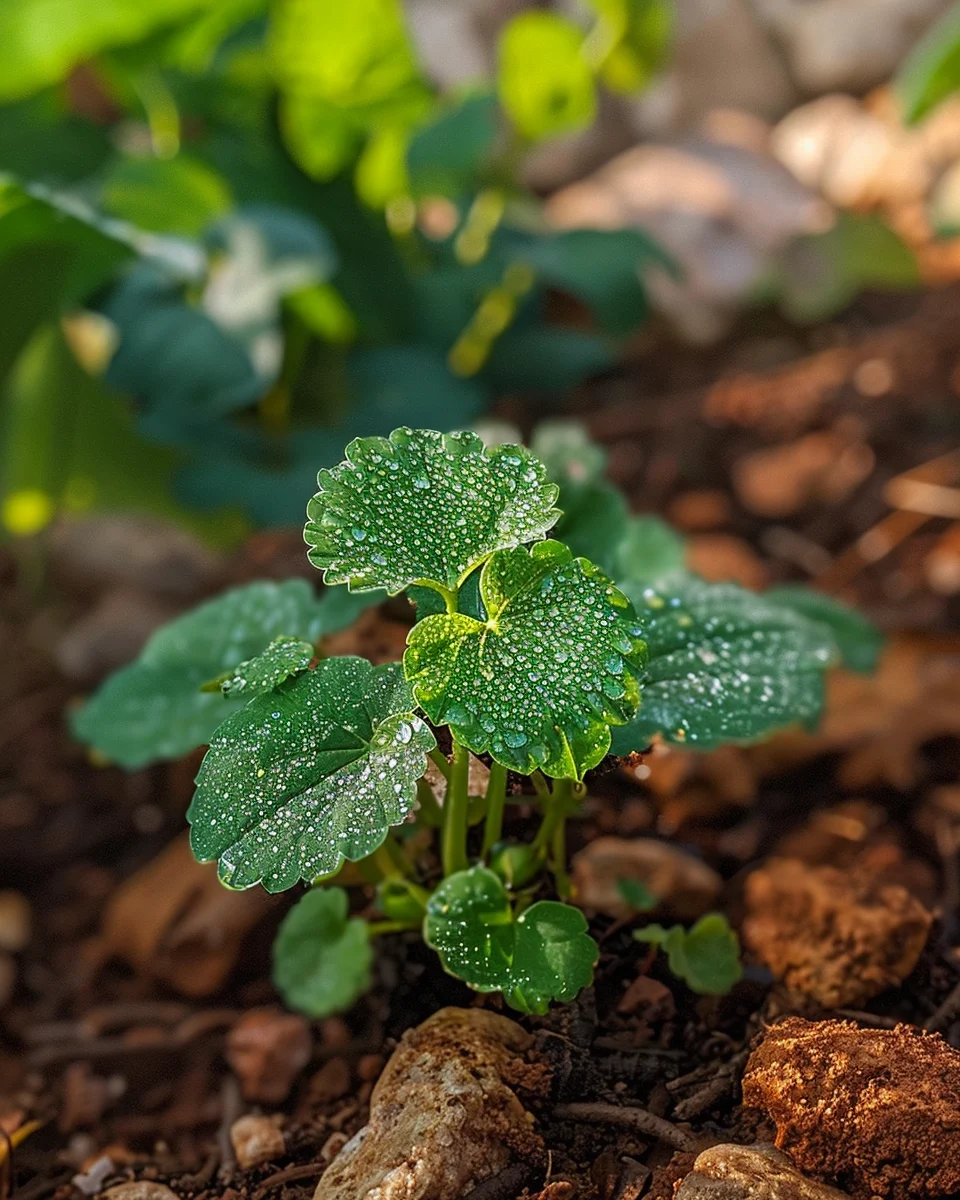
Intro for Weekly Deadheading
Deadheading—the process of removing spent blooms from flowering plants—is essential for maintaining garden beauty and encouraging continuous flowering. While conventional wisdom suggests deadheading should be done daily or every few days, I’ve discovered that a once-weekly deadheading routine can be just as effective for most garden flowers. This simplified approach saves time while still providing the key benefits: extended blooming periods, tidier garden appearance, and prevention of unwanted self-seeding. For busy gardeners, this weekly schedule strikes the perfect balance between garden maintenance and enjoying the fruits of your labor. This method works particularly well in temperate climate gardens where flowering plants have moderate growth rates.
When to deadhead flowers
Deadheading should begin as soon as your flowering plants start producing spent blooms, typically in late spring through early fall, depending on your climate zone. In most temperate regions, this means starting in May and continuing through September or October. The ideal time to begin is when approximately 30% of the blooms on your plants have faded. There’s no temperature restriction for deadheading, though it’s best done when plants are not stressed by extreme heat or cold. Unlike planting, deadheading isn’t frost-sensitive, so you can continue until the end of the growing season.
Best time to deadhead flowers
For most temperate climates, early morning or late afternoon provides optimal conditions for deadheading. In cooler regions (US Zones 3-6, UK northern regions), aim for midday when plants are dry and fully awake. In warmer areas (US Zones 7-10, Mediterranean climates), early morning or evening deadheading prevents stress during hot periods. The best day for your weekly routine depends on your schedule, but many gardeners find weekend mornings ideal, allowing them to enjoy their refreshed garden throughout the week. Regardless of your climate, avoid deadheading when plants are wet to prevent disease spread.
Best flower varieties for weekly deadheading
• Cosmos (Cosmos bipinnatus) – Responds exceptionally well to weekly deadheading with continuous blooms from summer until frost
• Zinnias (Zinnia elegans) – Produces abundant new flowers with just weekly maintenance and minimal effort
• Marigolds (Tagetes spp.) – Highly forgiving of infrequent deadheading while maintaining consistent blooming
• Petunias (Petunia × hybrida) – Modern varieties like ‘Wave’ and ‘Supertunia’ self-clean partially, making weekly deadheading sufficient
• Coneflowers (Echinacea purpurea) – Sturdy perennials that maintain appearance well between weekly deadheading sessions
• Dahlias (Dahlia spp.) – Large blooms that last well, making them perfect candidates for weekly maintenance
• Geraniums (Pelargonium spp.) – Resilient flowers that continue performing with minimal deadheading attention
• Snapdragons (Antirrhinum majus) – Produces multiple blooms on each stem, making weekly deadheading efficient and effective
How to deadhead flowers
Materials list:
– Clean, sharp pruning shears or scissors
– Garden gloves (optional but recommended)
– Small bucket or container for collecting spent blooms
– Hand sanitizer or rubbing alcohol for tool cleaning
– Garden apron with pockets (optional)
Step-by-step process:
1. Choose a consistent day each week for your deadheading routine to establish a habit.
2. Sanitize your pruning tools with alcohol to prevent disease spread between plants.
3. Identify spent blooms—those that have faded, wilted, or begun to develop seed heads.
4. For single-stemmed flowers, cut the stem back to the first set of healthy leaves or to a lateral bud.
5. For multi-flowered stems, remove individual spent blooms while leaving developing buds intact.
6. For plants with multiple small flowers (like petunias), pinch or cut clusters of spent blooms rather than individual ones.
7. Collect all removed plant material in your bucket to prevent disease and maintain garden tidiness.
8. Pay special attention to self-seeding varieties that might become invasive if seeds disperse.
9. After deadheading, give plants a light watering if the weather has been dry.
10. Dispose of collected spent blooms in your compost pile (unless diseased).
How to grow flowers with weekly deadheading
Most flowering plants thrive with 6-8 hours of sunlight daily, though some shade-tolerant varieties like impatiens need less. Water deeply once or twice weekly rather than frequent shallow watering, which encourages stronger root systems. Apply a balanced, slow-release fertilizer monthly during the growing season, or use a diluted liquid fertilizer every two weeks for container plants. Apply 2-3 inches (5-7.5 cm) of organic mulch around plants to retain moisture and reduce weed competition. When deadheading weekly, remove any damaged or diseased foliage simultaneously to maintain plant health. For taller varieties like dahlias and cosmos, install stakes early in the season before they’re needed. Container-grown flowering plants may need more frequent watering but still benefit from the weekly deadheading schedule—just check soil moisture more regularly.
Caring for flowers with weekly deadheading
Monitor plants weekly for signs of pests like aphids (sticky residue, curled leaves) or spider mites (fine webbing, stippled leaves). Treat aphid infestations with a strong water spray or insecticidal soap. For powdery mildew (white powdery coating on leaves), improve air circulation and apply a baking soda solution (1 tablespoon per gallon of water with a few drops of dish soap). Black spot on roses can be managed with proper spacing and avoiding overhead watering. During your weekly deadheading session, check soil moisture by inserting your finger 2 inches (5 cm) into the soil—water if it feels dry. Harvest flowers for arrangements just before they fully open for longest vase life. For seed saving, leave a few blooms on the plant after flowering and collect seeds when the heads have dried completely.
Understanding bolting in flowering plants
Bolting refers to a plant’s premature flowering and seed production, typically triggered by stress. While this term is more commonly associated with vegetables, some flowering plants like pansies and snapdragons can exhibit similar behavior during heat stress. Long daylight hours, temperatures above 80°F (27°C), and drought conditions can accelerate flowering and shorten bloom periods. Weekly deadheading helps prevent this stress response by redirecting the plant’s energy from seed production back to vegetative growth and new flower production. If plants begin to look leggy with fewer blooms despite deadheading, consider providing afternoon shade in hot climates or increasing watering frequency. Some heat-sensitive flowers like pansies may benefit from being replaced with heat-tolerant varieties during summer months.
Why do flowers stop blooming despite deadheading?
• Insufficient sunlight: Most flowering plants need 6+ hours of direct sun; move to brighter location if possible
• Improper fertilization: Too much nitrogen promotes foliage at the expense of flowers; switch to bloom-boosting formula (higher phosphorus)
• End of natural bloom cycle: Some perennials have fixed blooming periods regardless of deadheading
• Environmental stress: Extended periods of heat, drought, or excessive rain can temporarily halt flowering
• Pest or disease pressure: Hidden infestations may be sapping plant energy; inspect thoroughly during weekly maintenance
Companion planting for flowering plants
Good companions for flowering plants include herbs like basil and thyme, which repel many common garden pests while attracting beneficial insects. Alyssum creates a living mulch that suppresses weeds and attracts pollinators to boost flower production. Marigolds deter nematodes and other soil pests, protecting neighboring plants. Ornamental grasses provide structural contrast and movement while requiring minimal care themselves. Nasturtiums act as trap crops for aphids, drawing them away from your prized flowering plants. Avoid planting aggressive spreaders like mint near delicate flowering plants, as they can quickly overwhelm them. Similarly, plants with vastly different water requirements should not be placed together, as one will inevitably suffer.
Seasonal calendar
• Early Spring (March-April): Clean up winter debris, apply slow-release fertilizer, and begin deadheading early bloomers like pansies
• Late Spring (May): Establish weekly deadheading routine as main flowering season begins; plant heat-loving annuals
• Early Summer (June): Increase watering during dry periods; continue weekly deadheading; stake tall varieties
• Mid-Summer (July): Apply second round of fertilizer; be vigilant about deadheading self-seeding varieties
• Late Summer (August): Continue weekly deadheading; provide afternoon shade for heat-stressed plants if needed
• Early Fall (September): Reduce fertilization; continue deadheading to extend bloom season
• Late Fall (October-November): Final deadheading sessions; collect seeds if desired; prepare tender perennials for winter
• Winter (December-February): Plan next year’s garden; clean and sharpen deadheading tools
Problems & solutions
Problem | Quick Fix
——–|———-
Flowers blooming less despite deadheading | Apply phosphorus-rich fertilizer (5-10-5) and ensure 6+ hours of sunlight
Stems turning brown after cutting | Sanitize tools between plants; cut to healthy tissue
Plants looking leggy with few blooms | Pinch back growth by 1/3 during deadheading session
Deadheaded plants not producing new buds | Check for hidden pests; ensure adequate water and nutrients
Flowers dying quickly after opening | Check for thrips; improve air circulation; water in morning only
Deadheading taking too much time | Focus on high-impact areas first; use mass shearing for small-flowered plants
Uncertain where to cut | Follow the stem down to first set of healthy leaves or lateral bud
Common questions about weekly deadheading
**Q: Will weekly deadheading truly be as effective as daily maintenance?**
A: For most common garden flowers, yes. While commercial growers may deadhead daily, home gardeners see excellent results with weekly sessions, especially with modern varieties bred for extended blooming.
**Q: Which flowers absolutely require more frequent deadheading?**
A: Delicate, short-lived blooms like daylilies and roses with multiple flush cycles may benefit from twice-weekly attention during peak season, but most garden varieties thrive with weekly care.
**Q: Can I deadhead all flower types the same way?**
A: No. Single-stemmed flowers should be cut back to lateral buds, while cluster-flowering plants often need only the spent blooms removed. Research specific requirements for specialty flowers like roses and dahlias.
**Q: Does deadheading frequency change based on weather?**
A: Yes. During hot, dry periods, plants often cycle through blooms faster, potentially requiring more frequent deadheading. Adjust your schedule during extreme weather conditions.
**Q: What’s the best time of day for weekly deadheading?**
A: Morning is ideal when plants are hydrated but dry from dew, typically between 9-11am. However, any time works as long as you’re consistent with your weekly schedule.
**Q: Should I deadhead all flowers in my garden?**
A: No. Some plants like coneflowers and black-eyed Susans provide valuable winter interest and bird food if seed heads remain. Consider leaving some areas undeadheaded intentionally.
**Q: How do I know if I’m cutting in the right spot when deadheading?**
A: Look for the next set of leaves or lateral bud below the spent flower and cut just above it at a slight angle. This encourages healthy new growth and prevents unsightly stem stubs.