
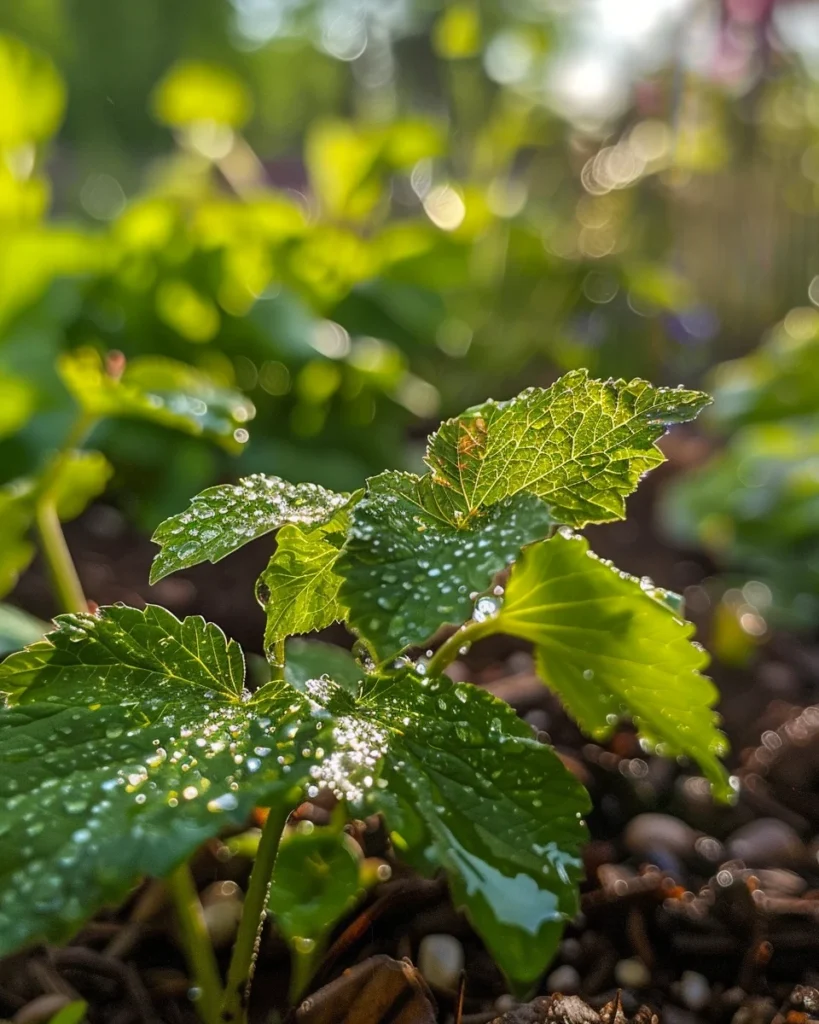
How to Water Less and Grow More: Smart Timing Techniques for Efficient Garden Irrigation
Intro for How to Water Less and Grow More
Water conservation in the garden isn’t just environmentally responsible—it’s also a smart approach to healthier plants and reduced maintenance. Strategic watering timing can dramatically reduce water consumption while promoting stronger root systems and more abundant harvests. By understanding plant water needs and aligning irrigation with natural cycles, gardeners can achieve the seemingly contradictory goals of using less water while growing more productive plants. This approach works in virtually all temperate growing regions, from arid zones to more humid areas, and can be adapted for both in-ground gardens and container plantings. The key lies not in how much water you apply, but when and how you deliver it.
When to water for maximum efficiency
The ideal watering time in temperate regions is early morning, typically between 5:00-9:00 AM. During this period, temperatures are cooler (15-20°C/59-68°F), wind is minimal, and plants have time to absorb moisture before the heat of the day. Avoid watering during midday when temperatures exceed 25°C/77°F, as much of the water will evaporate before reaching root zones. Evening watering (after 6:00 PM) is acceptable in very hot, dry climates but can promote fungal diseases in humid regions as foliage remains wet overnight. During frost periods, water midday when temperatures are above freezing to prevent ice damage to roots.
Best time to plant for water conservation
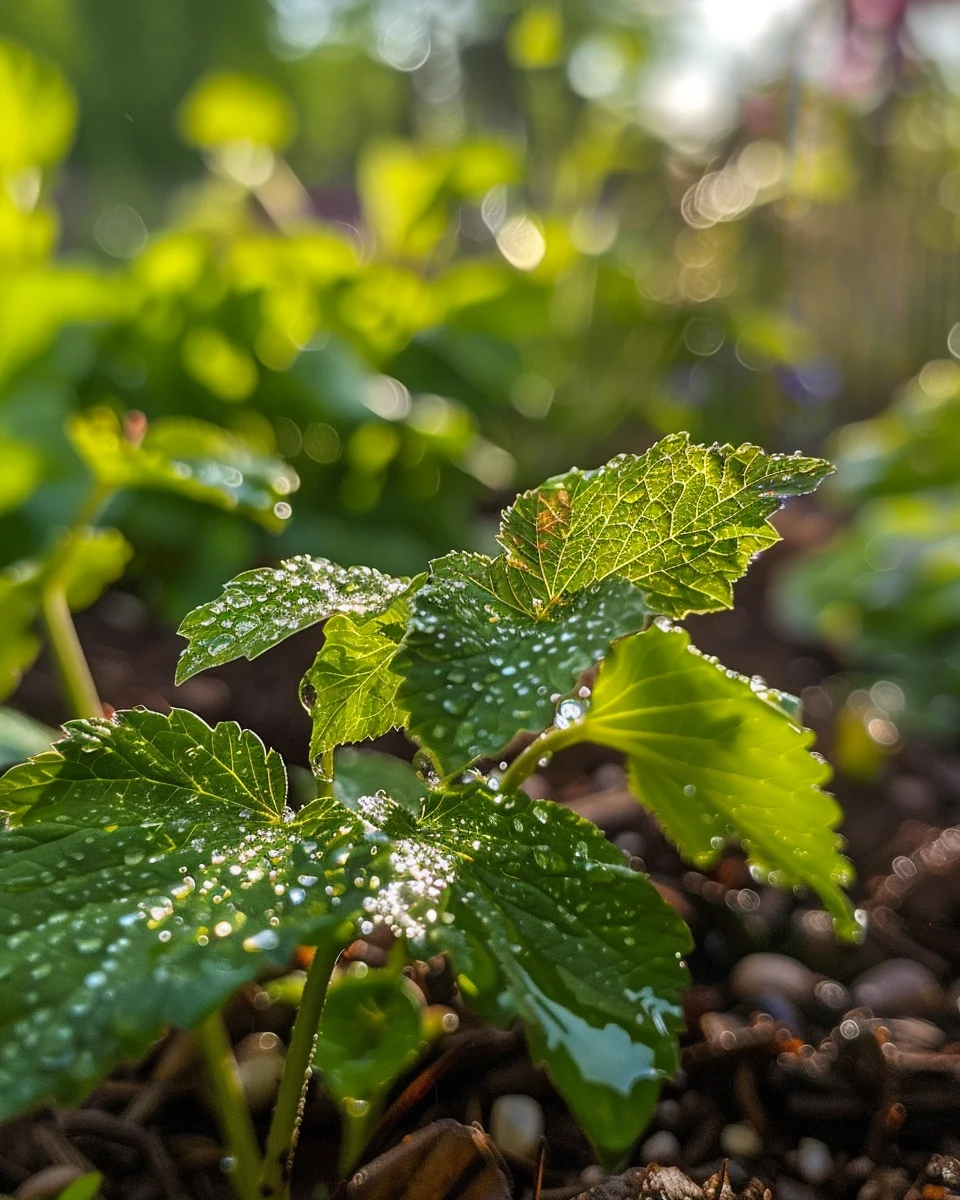
In cool temperate regions (UK, US Zones 4-6), establish new plantings in early autumn (September-October) or mid-spring (April-May) when natural rainfall is more abundant and temperatures moderate. For warm temperate regions (US Zones 7-9, Mediterranean), fall planting (October-November) gives plants time to establish roots during winter rains before summer heat arrives. For direct sowing, time plantings to coincide with seasonal rainfall patterns—early spring in northern regions, fall in southern areas. Container gardens benefit from being established 3-4 weeks before peak heat arrives, allowing root systems to develop fully.
Best water-efficient gardening techniques
• Deep Watering – Encourages deeper root growth, making plants more drought-resistant
• Drip Irrigation – Delivers water directly to root zones with minimal evaporation loss
• Ollas – Buried clay pots that slowly release water directly to roots
• Wicking Beds – Self-watering systems that draw moisture from a reservoir below
• Hugelkultur – Raised beds built on decomposing wood that retains moisture naturally
• Keyhole Gardens – Circular raised beds with central composting basket that distributes moisture
• Mulching – Reduces evaporation and moderates soil temperature fluctuations
How to implement water-efficient timing
Materials needed:
• Timer for irrigation system or hose
• Moisture meter or soil probe
• Rain gauge
• Mulch materials (straw, wood chips, compost)
• Drip irrigation components or soaker hoses
• Weather app or station
Step-by-step implementation:
1. Assess your soil type using the squeeze test—sandy soils drain quickly, clay retains moisture longer.
2. Group plants with similar water needs together in hydrozones to prevent over/under-watering.
3. Install a rain gauge to track natural precipitation and adjust watering accordingly.
4. Set up an automatic timer system programmed for early morning watering (5:00-7:00 AM).
5. Apply 2-3 inches (5-7.5 cm) of mulch around plants, keeping it 1 inch (2.5 cm) away from stems.
6. Water deeply but infrequently—typically once or twice weekly depending on climate and soil.
7. Use the finger test (insert finger 2 inches/5 cm into soil) to check moisture before watering.
8. Adjust watering frequency based on seasonal changes—less in spring/fall, more in summer.
9. Water at soil level rather than overhead to reduce evaporation and fungal issues.
10. Create slight depressions or berms around plants to direct water to root zones.
How to grow with minimal water
Provide full sun exposure for most vegetables and flowering plants, as properly photosynthesizing plants use water more efficiently. Establish a watering schedule based on plant needs rather than calendar days—most established plants require deep watering only when the top 1-2 inches (2.5-5 cm) of soil feels dry. Apply organic fertilizers that improve soil structure and water retention rather than synthetic options that can increase water needs. Use 3-4 inches (7.5-10 cm) of organic mulch to dramatically reduce evaporation and moderate soil temperature. Thin seedlings properly to reduce competition for available moisture. For container gardens, choose larger pots (minimum 12 inches/30 cm diameter) which dry out less quickly, and consider self-watering containers that maintain consistent moisture levels.
Caring for a water-efficient garden
Regularly inspect irrigation systems for leaks or clogs that waste water. Monitor for signs of water stress—wilting, curling leaves, or slowed growth—and adjust watering accordingly. Common water-related pests include aphids and spider mites, which thrive in drought-stressed plants; treat with strong water sprays or insecticidal soap. Fungal diseases often indicate improper watering timing; treat by adjusting watering schedule and improving air circulation. Harvest vegetables and fruits promptly as overripe produce draws unnecessary moisture from plants. For seasonal water conservation, apply a winter mulch in late fall to retain soil moisture through dormant periods and remove it gradually in spring as temperatures rise.
Understanding water stress in plants
Water stress occurs when plants receive either too much or too little water. Signs of underwatering include wilting, yellowing lower leaves, slow growth, and crisp brown leaf edges. Overwatering symptoms include yellowing throughout the plant, soft stems, and fungal growth. Both conditions trigger stress responses that can reduce yields. Water stress is commonly caused by inconsistent watering patterns, high temperatures (above 30°C/86°F), or extended dry periods. To prevent water stress, water deeply and consistently rather than frequently and shallowly. If water stress occurs, gradually return to proper watering—don’t overcompensate with excessive irrigation, which can shock root systems.
Why does inconsistent watering reduce yields?
• Blossom End Rot – Calcium uptake is disrupted by irregular watering, causing dark spots on fruits
• Fruit Splitting – Sudden water availability after drought causes rapid swelling and skin cracking
• Bitter Vegetables – Stress hormones accumulate during drought periods, affecting flavor
• Bolting – Leafy greens and herbs flower prematurely when water-stressed
• Reduced Pollination – Drought-stressed plants produce less viable pollen and fewer flowers
Companion planting for water efficiency
Good water-sharing companions include deep-rooted plants paired with shallow-rooted species, such as tomatoes with basil or carrots with lettuce, as they access moisture at different soil depths. Tall plants that provide afternoon shade (corn, sunflowers) help reduce water needs for moisture-loving plants like cucumbers and leafy greens. Nitrogen-fixing plants like beans and peas improve soil structure and water retention for neighboring plants. Avoid planting water-competitive species together, such as corn and potatoes, which have similar root depths and high water requirements. Also avoid placing thirsty plants like cucumbers near drought-tolerant herbs like rosemary or sage, as their needs conflict.
Seasonal calendar
• January-February: Plan irrigation system improvements; check rain barrels for leaks
• March: Install or repair irrigation systems before growing season; apply initial mulch layer
• April: Begin monitoring soil moisture as temperatures rise; adjust automatic timers
• May: Increase mulch depth to 3-4 inches as temperatures climb
• June-August: Water deeply 1-2 times weekly in early morning; check moisture levels daily
• September: Reduce watering frequency as temperatures cool; establish fall plantings
• October: Adjust irrigation timers for cooler weather; collect fallen leaves for mulch
• November: Drain and store above-ground irrigation components in freezing climates
• December: Insulate outdoor spigots; plan water-efficiency improvements for next season
Problems & solutions
| Problem | Quick Fix |
|---|---|
| Plants wilting despite regular watering | Check for root damage or compacted soil; aerate and apply compost tea |
| Water running off rather than soaking in | Add organic matter to improve soil structure; create catch basins around plants |
| Inconsistent moisture in raised beds | Line bottom with cardboard or newspaper; increase organic matter content |
| Container plants drying out quickly | Group containers together; use larger pots; add water-retaining polymer to soil mix |
| Irrigation timer malfunctioning | Install battery backup; consider smart controllers that adjust to weather conditions |
| Mulch washing away in heavy rain | Use heavier mulch materials; create berms to slow water flow; add edging |
| Moisture meter giving inconsistent readings | Test in multiple locations; calibrate according to manufacturer instructions |
Common questions about efficient garden watering
How can I tell if my plants need water without using tools?
Insert your finger 2 inches (5 cm) into the soil—if it feels dry at that depth, it’s time to water. Also look for slight wilting in the morning, footprints remaining visible on lawns, or soil pulling away from the edges of containers.
Is it better to water for shorter periods more frequently or longer periods less often?
Longer, less frequent watering encourages deeper root growth and greater drought resistance. Aim for watering that penetrates 6-8 inches (15-20 cm) into the soil once or twice weekly rather than daily shallow watering.
Can I use greywater from my home for garden irrigation?
Yes, with precautions. Use only water from showers, baths, and laundry (no kitchen sink water). Avoid using greywater on edible parts of plants, and use only biodegradable, phosphate-free soaps and detergents.
How much can proper watering timing reduce my garden water usage?
Strategic timing can reduce water consumption by 30-50% compared to midday watering, with early morning (5:00-7:00 AM) being optimal for minimizing evaporation while giving plants access to moisture throughout the day.
Do raised beds require more or less water than in-ground gardens?
Raised beds typically require more frequent watering as they drain faster and warm more quickly. However, they can be more water-efficient overall if designed with water-retaining materials like compost and lined with cardboard or newspaper at the base.
How do I water during vacation periods?
Install a timer-controlled drip irrigation system, use self-watering containers, employ olla irrigation, group plants in self-shading arrangements, apply extra mulch before leaving, or arrange for a garden-sitting service that understands proper watering techniques.