
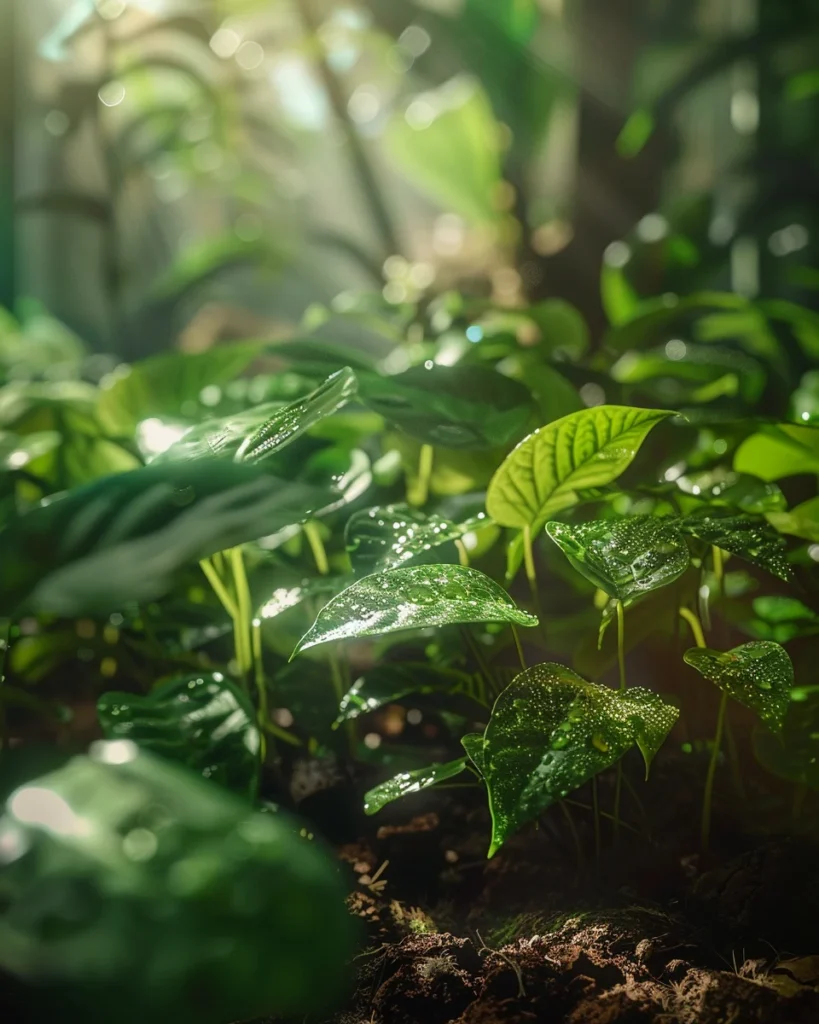
How to Create an Indoor Green Paradise: When to Start, Best Plants & Essential Care Tips
Intro for How To Turn Any Indoor Space Into A Green Paradise
Transforming your indoor space into a lush green paradise is more than just a decorative choice—it’s a lifestyle upgrade that improves air quality, reduces stress, and creates a connection with nature regardless of your living situation. Indoor gardening works in any space, from tiny apartments to spacious homes, requiring only basic knowledge of plant needs and environmental conditions. With the right selection of plants, proper placement, and consistent care routines, anyone can cultivate a thriving indoor garden that brings life, color, and tranquility to their home environment. The beauty of indoor gardening lies in its flexibility—it can be as simple or elaborate as you desire, making it accessible for both beginners and experienced plant enthusiasts.
When to plant How To Turn Any Indoor Space Into A Green Paradise
Unlike outdoor gardening, creating an indoor green paradise can begin any time of year. However, many houseplants experience their most active growth during spring and summer (March through September in the Northern Hemisphere), making these ideal months to establish new plants. Indoor temperatures should remain between 18-24°C (65-75°F) for most tropical houseplants. While frost isn’t a concern indoors, be mindful of cold drafts near windows during winter months, which can shock tropical plants. For seed-starting projects, align with natural growing seasons—start herbs and vegetables in late winter or early spring when increasing daylight hours support healthy growth.
Best time to plant How To Turn Any Indoor Space Into A Green Paradise
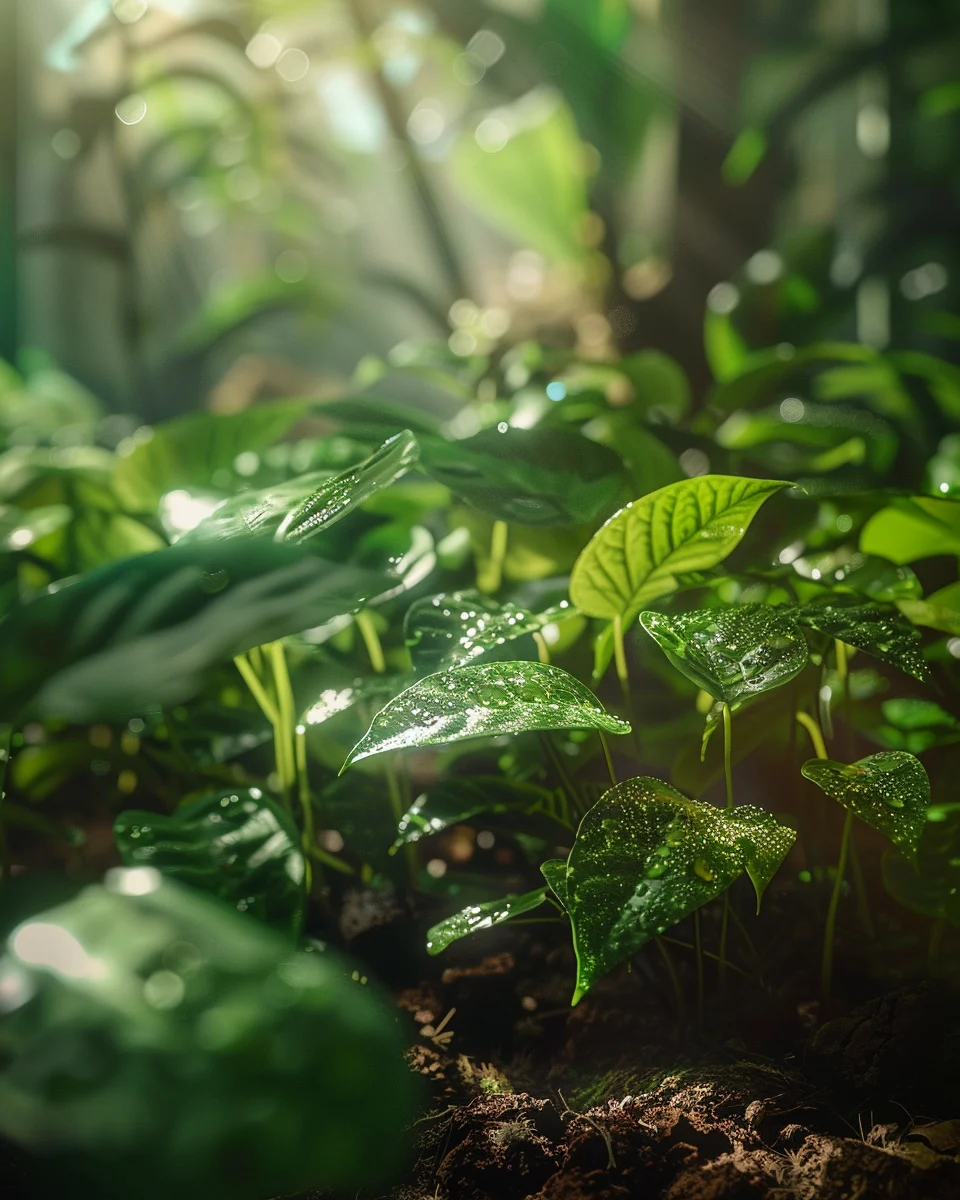
For temperate climates, the optimal window for starting your indoor garden is mid-February through April, when increasing natural light supports establishment and growth. In warmer regions, September through November offers another excellent planting window. Transplanting store-bought houseplants is best done within 1-2 weeks of purchase to minimize stress. For direct sowing of indoor herbs or microgreens, any time works provided you can maintain appropriate light levels, though natural growth cycles make spring and early summer ideal. If you’re propagating from cuttings, the success rate is highest during the growing season (April-August) when plants are actively producing growth hormones.
Best How To Turn Any Indoor Space Into A Green Paradise varieties to grow
• Snake Plant (Sansevieria) – Exceptionally tolerant of neglect and low light, perfect for beginners and purifies air even at night.
• Pothos (Epipremnum aureum) – Fast-growing vine that thrives in various light conditions and can be trained to create dramatic cascading displays.
• ZZ Plant (Zamioculcas zamiifolia) – Drought-tolerant with glossy foliage that thrives in low light and rarely suffers from pests.
• Spider Plant (Chlorophytum comosum) – Air-purifying, produces numerous “babies” for propagation, and tolerates inconsistent watering.
• Peace Lily (Spathiphyllum) – Elegant flowering plant that thrives in low light and dramatically signals when it needs water by drooping.
• Monstera Deliciosa – Statement plant with distinctive split leaves that adds tropical drama to any space.
• Chinese Money Plant (Pilea peperomioides) – Compact with unique round leaves, perfect for small spaces and windowsills.
• Rubber Plant (Ficus elastica) – Bold, architectural plant with large glossy leaves that grows into an impressive specimen with minimal care.
How to plant How To Turn Any Indoor Space Into A Green Paradise
Materials list:
– Selection of houseplants suited to your light conditions
– Appropriately sized pots with drainage holes
– Quality potting mix (indoor plant-specific)
– Small pebbles or broken pottery for drainage
– Watering can with narrow spout
– Spray bottle for misting
– Plant saucers or drip trays
– Gardening gloves
– Small trowel
– Scissors or pruning shears
Step-by-step:
1. Assess your space for light levels (low, medium, high) and choose plants accordingly—north-facing windows provide low light, east/west offer medium, and south-facing windows deliver high light.
2. Select containers that complement your décor and are 1-2 inches (2.5-5 cm) larger in diameter than the plant’s current pot.
3. Place a layer of pebbles or broken pottery at the bottom of each pot to improve drainage and prevent root rot.
4. Fill the pot about one-third with fresh potting mix, making a depression in the center.
5. Gently remove the plant from its nursery container by squeezing the sides and turning it upside down while supporting the base of the plant.
6. Loosen the root ball slightly with your fingers if roots are circling or compacted.
7. Place the plant in the new pot, ensuring the top of the root ball sits about 1 inch (2.5 cm) below the pot rim.
8. Fill around the sides with potting mix, gently tamping down to eliminate air pockets.
9. Water thoroughly until water drains from the bottom, then empty the saucer after 30 minutes.
10. Arrange plants in groupings to increase humidity and create visual impact, keeping in mind mature sizes and growth habits.
How to grow How To Turn Any Indoor Space Into A Green Paradise
Sunlight requirements vary by plant—low-light varieties like snake plants and ZZ plants can thrive 6-10 feet (2-3 m) from windows, while high-light plants like succulents need direct sun within 1-3 feet (30-90 cm) of south-facing windows. Develop a consistent watering schedule based on each plant’s needs rather than a calendar—most houseplants prefer drying out slightly between waterings. Check moisture by inserting your finger 1-2 inches (2.5-5 cm) into the soil; water when it feels dry at that depth. Fertilize monthly during the growing season (spring through early fall) with a balanced liquid houseplant fertilizer at half the recommended strength. Apply mulch in the form of decorative stones or moss to reduce evaporation and add visual appeal. Prune regularly to maintain shape and encourage bushier growth—pinch back growing tips on vines and remove yellowing leaves promptly. For container specifics, ensure all pots have drainage holes and use saucers to protect surfaces. Group plants with similar needs together, and rotate them quarterly to ensure even growth as they reach toward light sources.
Caring for How To Turn Any Indoor Space Into A Green Paradise
Ongoing tasks include dusting leaves monthly with a damp cloth to improve photosynthesis and appearance, checking soil moisture weekly, and inspecting for pests during routine care. Common pests include spider mites (tiny webbing, stippled leaves—treat with insecticidal soap sprays), mealybugs (white cotton-like clusters—remove with alcohol-dipped cotton swabs), and fungus gnats (small flying insects—let soil dry more between waterings and use sticky traps). Yellowing leaves typically indicate overwatering, while brown leaf tips suggest underwatering or low humidity. For organic pest control, introduce beneficial insects like ladybugs or use neem oil spray. Harvest indoor herbs just before flowering for maximum flavor, taking no more than one-third of the plant at once. For storage, most cut houseplant stems can be propagated in water, while harvested herbs can be dried or frozen in ice cube trays with olive oil.
Understanding bolting in How To Turn Any Indoor Space Into A Green Paradise
Bolting refers to premature flowering and seed production in edible plants like herbs and leafy greens, often grown as part of indoor gardens. This process is triggered by environmental stressors, particularly temperature fluctuations above 27°C (80°F), extended daylight periods exceeding 14 hours, or inconsistent watering that creates drought stress. Prevent bolting by maintaining consistent indoor temperatures, providing shade during intense afternoon sun periods, and ensuring regular watering schedules. If bolting begins, harvest remaining leaves immediately for use, then either remove the plant entirely or allow it to flower if you wish to collect seeds or support pollinators if near open windows. For continuous herb production indoors, consider succession planting every 3-4 weeks.
Why does How To Turn Any Indoor Space Into A Green Paradise turn bitter?
• Insufficient light – Move plants closer to windows or supplement with grow lights to ensure 6-8 hours of appropriate light daily.
• Improper watering – Establish a consistent watering routine based on each plant’s needs rather than a rigid schedule.
• Poor air circulation – Use small fans on low settings to improve airflow and reduce fungal issues.
• Nutrient imbalance – Switch to a balanced, diluted fertilizer applied monthly during growing season.
• Pest infestations – Regularly inspect and treat plants at first sign of pests to prevent stress that affects growth and appearance.
Companion planting for How To Turn Any Indoor Space Into A Green Paradise
Good companions include:
• Herbs and flowering plants – Combine for pest deterrence and visual interest; basil planted near flowering kalanchoe attracts pollinators while repelling flies.
• Trailing vines with upright plants – Pothos or philodendron paired with snake plants creates visual contrast and maximizes space usage.
• Ferns with flowering plants – Ferns increase humidity benefiting nearby African violets or peace lilies.
• Succulents grouped together – Creates a microclimate with appropriate humidity levels and simplified watering routines.
• Spider plants with air-purifying varieties – Enhances overall air-cleaning capabilities when grouped with peace lilies or rubber plants.
Avoid planting near:
• Plants with vastly different water needs – Succulents will rot if placed in arrangements with moisture-loving ferns.
• Incompatible light requirements – High-light plants like cacti will suffer if grouped with shade-tolerant plants in low-light areas.
• Invasive or aggressive growers – Mint or certain ivies can quickly overtake and crowd out slower-growing companions.
Seasonal calendar
• January-February: Assess light conditions as daylight hours change; clean plant leaves; reduce watering and hold fertilizer.
• March-April: Begin increasing watering as growth resumes; apply first fertilizer of season; propagate cuttings; repot root-bound plants.
• May-June: Maximum growth period—increase feeding to twice monthly; monitor for pests as activity increases; rotate plants for even growth.
• July-August: Maintain consistent watering despite summer heat; provide humidity via misting or pebble trays; protect from air conditioning drafts.
• September-October: Reduce fertilizing as growth slows; bring outdoor plants inside before temperatures drop below 10°C (50°F); check for hitchhiking pests.
• November-December: Reduce watering frequency; move plants away from cold windows and drafty areas; supplement with grow lights as daylight decreases.
For warmer regions (Zones 9-11), extend the active growing season through October and resume in early February. For cooler regions (Zones 3-5), consider supplemental lighting from October through March.
Problems & solutions
| Problem | Quick Fix |
|---|---|
| Yellowing leaves | Check for overwatering; allow soil to dry between waterings; ensure proper drainage. |
| Brown leaf tips | Increase humidity with pebble trays or humidifier; move away from heating vents. |
| Leggy, stretched growth | Move to brighter location or add supplemental lighting; rotate plant regularly. |
| White fuzzy spots on leaves/stems | Isolate plant and treat with insecticidal soap or neem oil for mealybugs; improve air circulation. |
| Dropping leaves | Check for drafts, temperature fluctuations, or recent relocation; stabilize environment. |
| Gnats flying around plants | Allow soil to dry completely between waterings; apply diatomaceous earth to soil surface; use sticky traps. |
| Mold on soil surface | Scrape away affected soil; improve air circulation; water less frequently or in morning hours. |
Common questions about growing How To Turn Any Indoor Space Into A Green Paradise
How often should I water my indoor plants?
Rather than following a strict schedule, check soil moisture by inserting your finger 1-2 inches deep—water when dry at that depth. Most houseplants prefer drying slightly between waterings, typically every 7-10 days depending on season, humidity, and pot size.
Can I grow plants in rooms with no windows?
Yes, with full-spectrum LED grow lights providing 8-12 hours of illumination daily. Focus on low-light tolerant varieties like ZZ plants, snake plants, and pothos, which adapt well to artificial lighting.
What size containers do indoor plants need?
Choose containers 1-2 inches (2.5-5 cm) larger in diameter than the current root ball. Too-large pots hold excess moisture that can cause root rot, while too-small containers restrict growth and require frequent watering.
How much space should I leave between plants?
Allow enough space for mature growth—typically 6-12 inches (15-30 cm) between small plants and up to 24 inches (60 cm) for larger specimens. Consider vertical space needs as well, especially for climbing or trailing varieties.
How do I increase humidity for tropical plants?
Group plants together to create a microclimate, use pebble trays filled with water beneath pots (ensuring pots don’t sit in water), run a humidifier nearby, or mist plants in the morning to allow water to evaporate before evening.
When should I repot my houseplants?
Repot when roots circle the bottom of the pot or grow through drainage holes, typically every 12-18 months for actively growing plants and 2-3 years for slow growers. The best time is early spring as growth resumes.
Can I use garden soil for indoor plants?
No, garden soil is too heavy and may contain pests, diseases, and weed seeds. Always use commercial potting mix formulated for indoor plants, which provides proper drainage, aeration, and sterile growing conditions.