
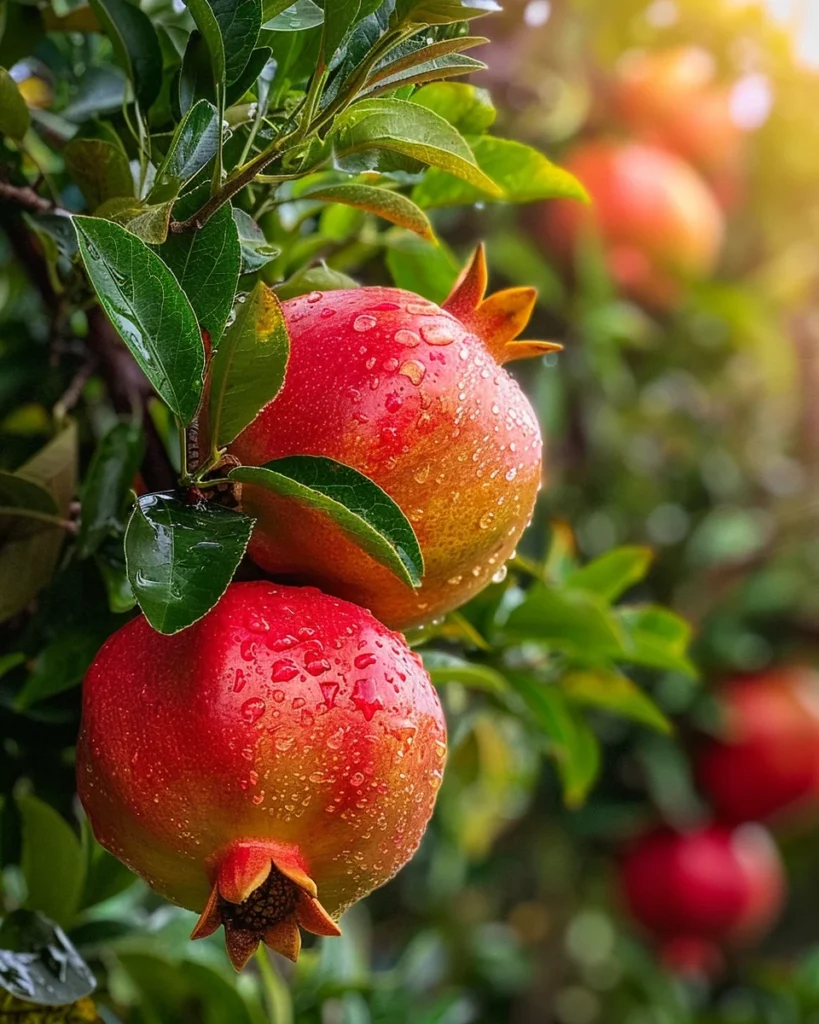
How to Grow Pomegranates in Buckets: Complete Guide for Container Success
Intro for Growing Pomegranates in Buckets
Pomegranates (Punica granatum) are ancient fruits prized for their jewel-like seeds and remarkable health benefits. While traditionally grown as orchard trees, pomegranates adapt surprisingly well to container cultivation, making them accessible to gardeners with limited space or challenging climates. Container-grown pomegranates offer several advantages: they can be moved to optimize sunlight exposure, protected from harsh winter conditions, and cultivated in regions where ground planting isn’t feasible. With their attractive foliage, vibrant orange-red blossoms, and ornamental fruit, bucket-grown pomegranates serve as both productive food plants and decorative landscape elements for patios, balconies, and small gardens.
When to plant Pomegranates in Buckets
Pomegranates thrive in warm conditions and should be planted when all danger of frost has passed and soil temperatures have warmed to at least 15-18°C (60-65°F). In temperate regions, this typically means late spring through early summer. Pomegranates are naturally adapted to Mediterranean and subtropical climates (USDA zones 7-10), though container cultivation extends their range by allowing protection during cold periods. For cooler regions (zones 5-6), wait until consistently warm weather arrives before placing containers outdoors, usually mid-to-late spring.
Best time to plant Pomegranates in Buckets
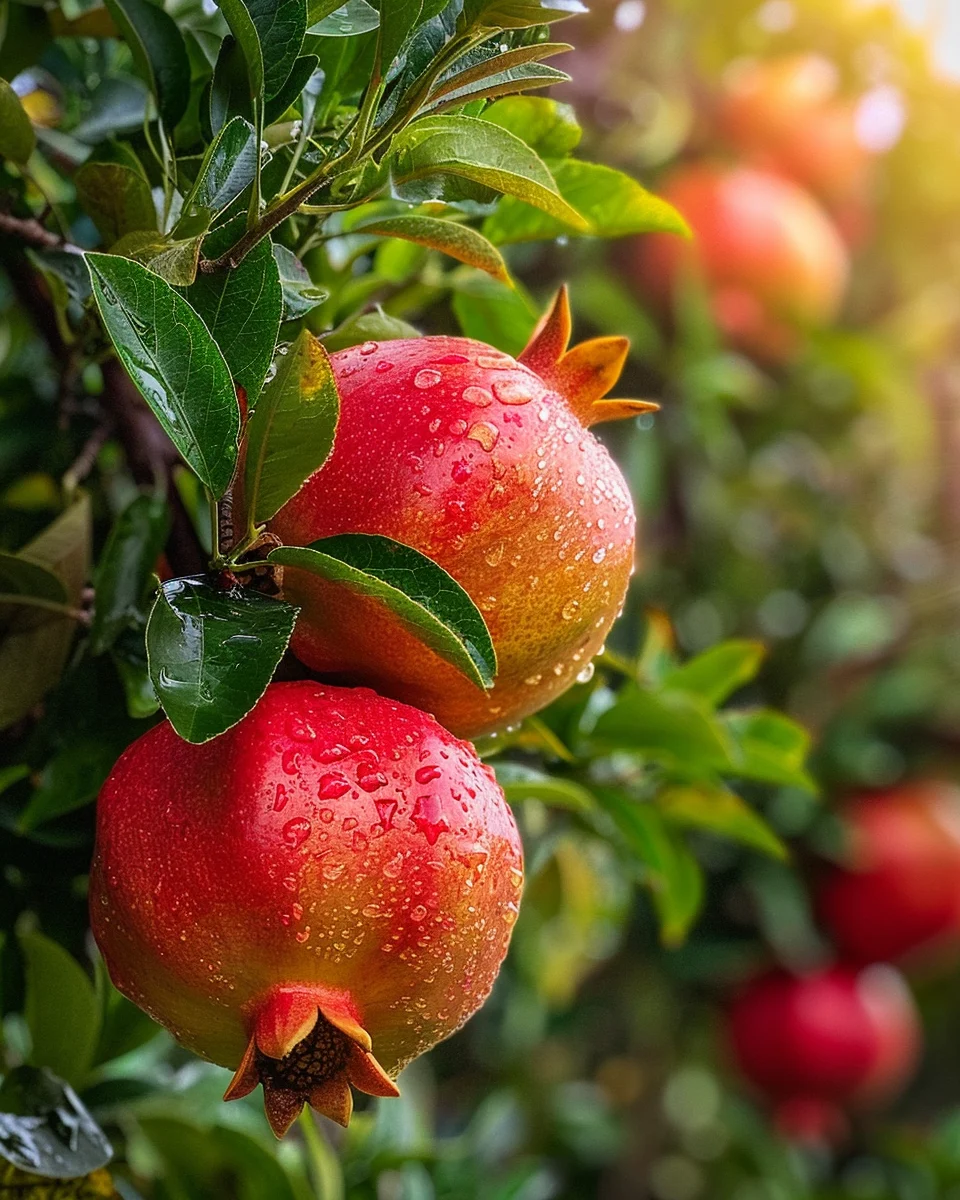
The optimal planting window for container pomegranates varies by climate. In warm regions (zones 8-10), plant between March and May to give trees ample establishment time before summer heat. In cooler temperate areas (zones 6-7), wait until May or early June when temperatures stabilize. When purchasing nursery plants, spring is generally ideal as it allows a full growing season for establishment. For propagation from cuttings, late winter to early spring provides the best success rates. Regardless of your climate, ensure plants have at least 5-6 months of warm weather ahead for proper root development before their first winter.
Best Pomegranate varieties to grow in buckets
- Wonderful – The most widely available commercial variety with large, deep red fruits and excellent flavor, naturally compact enough for containers.
- Nana (Dwarf Pomegranate) – A naturally small variety reaching only 2-3 feet tall, perfect for containers with ornamental orange-red flowers and small but edible fruits.
- Sweet – Earlier ripening than Wonderful with sweeter fruits and less acidity, making it ideal for regions with shorter growing seasons.
- Russian Red – Exceptionally cold-hardy (to zone 6) with medium-sized sweet-tart fruits, excellent for northern gardeners.
- Parfianka – Award-winning variety with exceptionally juicy, wine-red arils and perfect sweet-tart balance, remains relatively compact.
- Eversweet – Low-acid, sweet variety that ripens even in cooler summers, with pale pink to red skin and clear juice.
- Angel Red – Features soft seeds, high juice content, and bright red arils, with a naturally smaller growth habit suitable for containers.
How to plant Pomegranates in Buckets
Materials needed:
- Food-grade bucket or container (minimum 15-20 gallons/57-76 liters)
- Drill with 1/2-inch bit for drainage holes
- High-quality potting mix with added perlite for drainage
- Compost or aged manure
- Young pomegranate plant or rooted cutting
- Slow-release fertilizer (balanced NPK)
- Mulch material (bark chips or straw)
- Watering can or hose with gentle spray attachment
Step-by-step planting process:
- Prepare your container by drilling 6-8 drainage holes in the bottom and several along the lower sides to prevent waterlogging.
- Add a 2-inch (5 cm) layer of coarse gravel or broken pottery pieces at the bottom to improve drainage.
- Mix potting soil with 20% compost and a handful of slow-release fertilizer to create a nutrient-rich growing medium.
- Fill the container about halfway with the soil mixture, creating a slight mound in the center.
- Carefully remove the pomegranate from its nursery pot, gently loosening bound roots if necessary.
- Position the plant in the center of the bucket, ensuring the root crown sits at the same level as it was in the original container.
- Fill around the root ball with your soil mixture, firming gently but not compacting excessively.
- Water thoroughly until moisture emerges from the drainage holes, allowing the soil to settle.
- Add more soil if needed to maintain proper planting depth after settling.
- Apply a 2-inch (5 cm) layer of mulch around the plant, keeping it away from the trunk to prevent rot.
How to grow Pomegranates in Buckets
Pomegranates in containers require full sunlight—at least 6-8 hours daily for optimal flowering and fruiting. Position your bucket in the sunniest location available, preferably with some protection from strong afternoon sun in extremely hot climates. Water thoroughly when the top 1-2 inches (2.5-5 cm) of soil feels dry, typically every 3-5 days during active growth and more frequently during hot weather. Container pomegranates dry out faster than ground-planted trees, so consistent moisture is crucial.
Fertilize monthly during the growing season (spring through early fall) with a balanced, water-soluble fertilizer diluted to half-strength. Alternatively, apply a slow-release granular fertilizer in spring and mid-summer. Pomegranates in buckets benefit from annual pruning in late winter to maintain a manageable size and open structure. Remove crossing branches, inward-growing shoots, and any dead or damaged wood.
For container cultivation, maintain the plant as a multi-stemmed shrub rather than a single-trunked tree, which provides better stability and production. In regions with freezing winters, move containers to a protected location such as an unheated garage or shed when temperatures drop below 15°F (-10°C). Reduce watering during winter dormancy but never allow the soil to completely dry out.
Caring for Pomegranates in Buckets
Container-grown pomegranates require vigilant monitoring for moisture levels, as they can dry out quickly, especially in hot weather. Check soil moisture every 2-3 days during summer and adjust watering accordingly. Repot your pomegranate every 2-3 years, moving to a slightly larger container or refreshing the soil in the same container after root pruning.
Common pests include aphids, which cause curled leaves and sticky residue—control with insecticidal soap or a strong water spray. Leaf-footed bugs may damage developing fruit; remove by hand or treat with neem oil. Pomegranates may develop fungal leaf spot in humid conditions; improve air circulation and avoid overhead watering. Fruit splitting occurs with irregular watering; maintain consistent moisture, especially as fruits develop.
Harvest pomegranates when they develop a deep color and make a metallic sound when tapped. Cut rather than pull fruits to avoid damaging the plant. Properly harvested pomegranates store for 1-2 months in a cool, dry place or up to 3 months in the refrigerator. In cold climates, protect dormant plants by moving containers to sheltered locations or wrapping with burlap and insulating material.
Understanding bolting in Pomegranates
Unlike leafy vegetables, pomegranates don’t bolt in the traditional sense. However, they can experience stress responses that affect flowering and fruiting. Environmental stressors like extreme temperature fluctuations, drought, or nutrient deficiencies can cause premature fruit drop or failure to set fruit. Container-grown pomegranates are particularly susceptible to these stresses due to limited soil volume.
To prevent stress-related issues, maintain consistent watering schedules, especially during flowering and fruit development. Protect plants from extreme temperature swings by temporarily relocating containers during unseasonable weather events. If your pomegranate flowers but fails to set fruit, it may be experiencing insufficient pollination—encourage pollinators by planting flowering companions nearby or hand-pollinate using a small brush to transfer pollen between flowers.
If your pomegranate experiences stress-induced leaf or fruit drop, address the underlying cause (usually water or nutrient related), prune any damaged portions, and provide optimal care to encourage recovery. Remember that young pomegranates may take 2-3 years before producing significant fruit, even under ideal conditions.
Why does Pomegranate fruit turn bitter?
- Immature harvesting – Picking fruit before fully ripe results in bitter, astringent flavor; wait until fruits develop deep color and make a metallic sound when tapped.
- Variety characteristics – Some varieties naturally have more tannic compounds; choose low-acid varieties like ‘Eversweet’ or ‘Sweet’ if bitterness is a concern.
- Drought stress – Insufficient water during fruit development concentrates bitter compounds; maintain consistent moisture, especially as fruits develop.
- Nutrient imbalances – Excessive nitrogen fertilizer can increase bitterness; use balanced fertilizers and avoid over-application.
- Membrane consumption – The white membranes between arils contain bitter compounds; carefully separate and consume only the juicy arils.
Companion planting for Pomegranates
Beneficial companions:
- Lavender – Attracts pollinators while repelling many pests, and its drought tolerance complements pomegranate water needs.
- Rosemary – Deters certain insect pests with its aromatic oils and thrives in similar dry, sunny conditions.
- Nasturtiums – Act as trap crops for aphids that might otherwise attack pomegranates.
- Marigolds – Repel nematodes and other soil pests while adding bright color around container bases.
- Thyme – Creates beneficial ground cover in larger containers, conserving moisture and deterring pests.
Plants to avoid:
- Water-hungry plants (like mint or basil) – Compete for moisture and create conflicting watering needs.
- Large root vegetables – Can compete for container space and nutrients, restricting pomegranate root development.
- Climbing vines – May use pomegranate branches as support, potentially damaging the structure and reducing airflow.
Seasonal calendar
- Late Winter (February) – Prune dormant plants; prepare for repotting if needed.
- Early Spring (March-April) – Repot or refresh soil; resume regular watering as growth begins; apply first fertilizer.
- Late Spring (May) – Move containers outdoors in cooler regions; monitor for pests as growth accelerates; flowering begins.
- Early Summer (June) – Pollination and fruit set; increase watering frequency; apply second fertilizer application.
- Mid-Summer (July-August) – Fruit development; maintain consistent moisture; protect from extreme heat if necessary.
- Late Summer/Early Fall (September) – Fruits begin to mature; reduce fertilization; continue regular watering.
- Fall (October-November) – Harvest fruits when fully ripe; prepare for dormancy in cold regions; reduce watering frequency.
- Winter (December-January) – Protect from freezing temperatures; water sparingly; plan for late-winter pruning.
Problems & solutions
| Problem | Quick Fix |
|---|---|
| Yellowing leaves | Check for overwatering; ensure proper drainage; apply balanced fertilizer if nutrient deficiency is suspected. |
| Fruit splitting | Maintain consistent watering schedule, especially during fruit development; mulch to retain soil moisture. |
| Flower drop without fruit set | Hand-pollinate flowers using a small brush; ensure adequate sunlight (6+ hours daily); check for nutrient deficiencies. |
| Stunted growth | Repot into a larger container; refresh soil with compost; ensure proper fertilization schedule. |
| Leaf spots or fungal issues | Improve air circulation; avoid overhead watering; apply organic fungicide if necessary; remove affected leaves. |
| Winter damage | Move to protected location when temperatures drop below 15°F (-10°C); wrap container to insulate roots; reduce watering during dormancy. |
| No flowering | Ensure plant is mature enough (2-3 years old); increase sunlight exposure; apply phosphorus-rich fertilizer in early spring. |
Common questions about growing Pomegranates in Buckets
Q: How large should my container be for a pomegranate?
A: Start with a minimum 15-20 gallon (57-76 liter) container for young plants. As the pomegranate grows, consider upgrading to a 25-30 gallon (95-114 liter) container for optimal root development and stability.
Q: How much sun do container-grown pomegranates need?
A: Pomegranates require full sun—at least 6-8 hours of direct sunlight daily—to flower and fruit properly. In extremely hot climates, light afternoon shade can be beneficial.
Q: How often should I water my bucket-grown pomegranate?
A: Water thoroughly when the top 1-2 inches (2.5-5 cm) of soil feels dry, typically every 3-5 days during active growth and more frequently during hot weather. Reduce watering during winter dormancy.
Q: Can pomegranates in buckets survive winter outdoors?
A: In USDA zones 8-10, container pomegranates can remain outdoors year-round. In zones 6-7, move containers to a protected location like an unheated garage when temperatures drop below 15°F (-10°C). In colder regions, bring containers indoors for winter.
Q: How long before my container pomegranate produces fruit?
A: Container-grown pomegranates typically begin producing fruit within 2-3 years of planting. Dwarf varieties may fruit earlier, while standard varieties might take longer to establish sufficient size for significant fruiting.
Q: How do I know when pomegranates are ready to harvest?
A: Harvest when fruits develop a deep color (variety-dependent), make a metallic sound when tapped, and have a slightly flattened shape. The skin should be firm but beginning to soften slightly.
Q: Do I need multiple pomegranate plants for pollination?
A: No, pomegranates are self-fertile, meaning a single plant can pollinate itself. However, having multiple plants can increase fruit set through cross-pollination.