
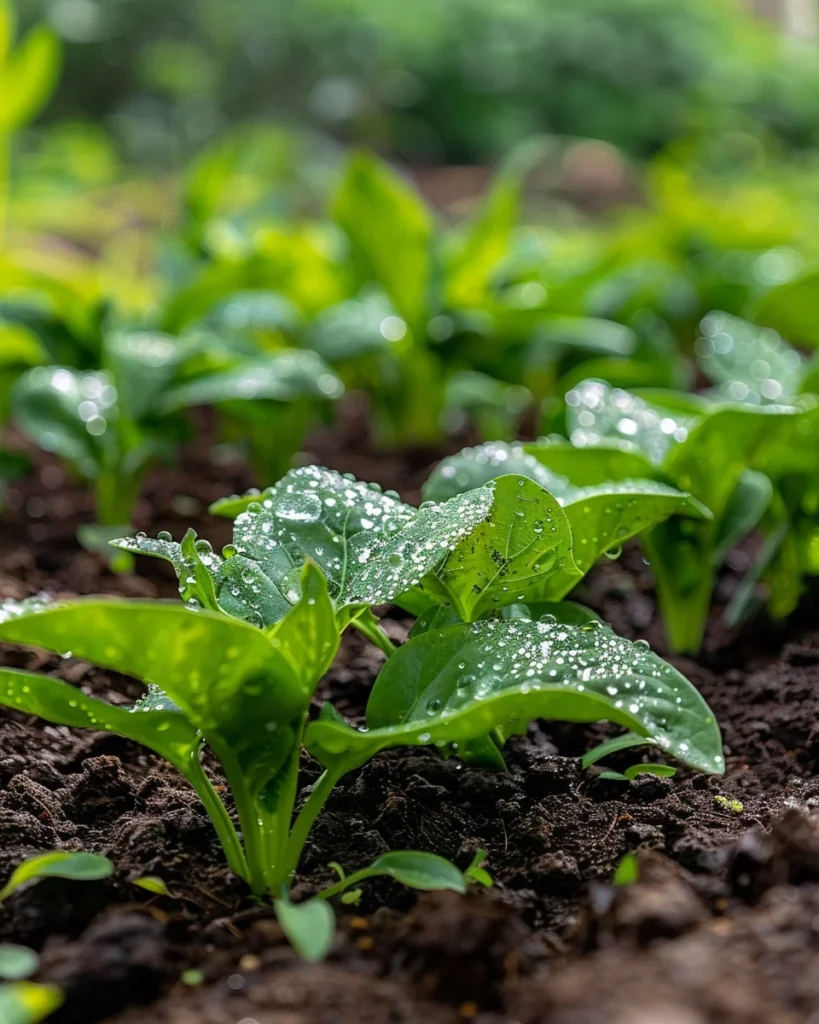
How to Prepare Soil for Any Plant: Essential Steps for Healthy Growth No Matter Where You Live
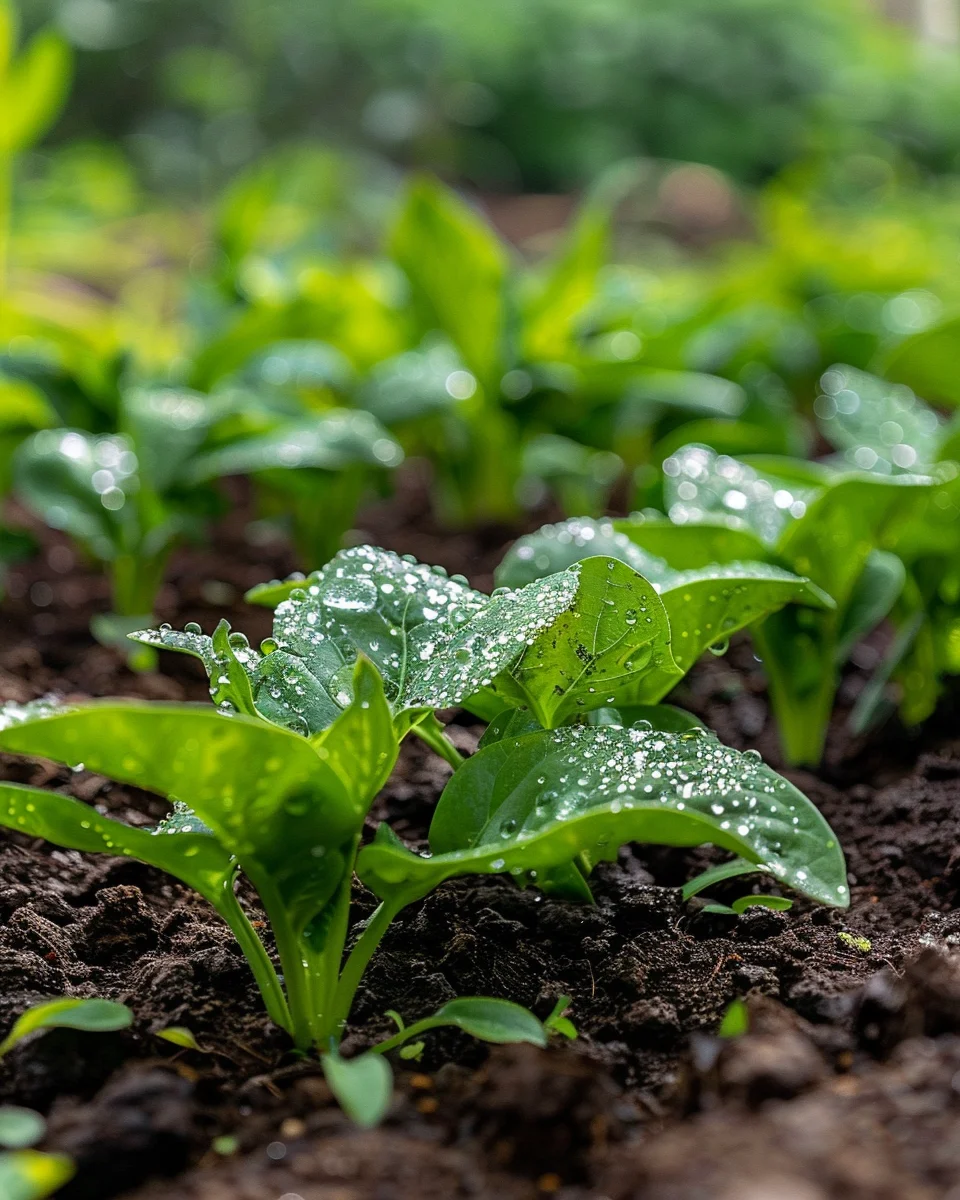
Intro for How To Prepare Soil For Any Plant No Matter Where You Live
Soil is the foundation of successful gardening, yet it’s often overlooked in favor of focusing on the plants themselves. Understanding how to prepare your soil properly can make the difference between struggling plants and a thriving garden. Good soil preparation creates an environment where roots can access water, nutrients, and oxygen efficiently. Whether you’re gardening in sandy coastal soil, heavy clay, or anything in between, the principles of soil preparation remain consistent. This guide will walk you through the essential steps to prepare soil for any plant in any location, ensuring your garden has the best possible foundation for success.
When to prepare soil for planting
The ideal time to prepare soil depends on your local climate and seasonal patterns. In general temperate regions, early spring and fall are optimal for major soil work. Spring soil preparation should occur when the ground is workable but not waterlogged—typically when soil temperatures reach 8-10°C (45-50°F). Fall preparation is excellent for incorporating organic matter, allowing it to break down over winter. In warmer regions (US Zones 8-10), winter soil preparation is possible and often preferable. Avoid working with soil when it’s very wet or frozen, as this can damage soil structure.
Best time to prepare soil for planting
For cool-climate regions (US Zones 3-6, UK), prepare soil in March-April for spring planting and September-October for fall amendments. In moderate climates (US Zones 7-8), February-March works well for spring gardens, while October-November is ideal for fall preparation. For warm regions (US Zones 9-11, Mediterranean), January-February and November-December are optimal preparation windows. Always prepare soil at least 2-4 weeks before planting to allow amendments to integrate and soil biology to stabilize. For transplants, prepare soil 1-2 weeks before setting plants out; for direct sowing, prepare just before seeding.
Best soil preparation methods to use
- Double-digging – Excellent for establishing new beds with deep soil improvement; creates loose, well-aerated growing medium for deep-rooted plants.
- No-till layering – Perfect for preserving soil biology and building soil health gradually; ideal for established gardens and ecological approaches.
- Core aeration – Best for compacted soils in lawns and established beds; improves drainage without disrupting existing plantings.
- Sheet mulching – Excellent for converting lawn to garden beds with minimal effort; suppresses weeds while building soil fertility.
- Raised bed preparation – Ideal for poor native soil conditions; provides complete control over growing medium.
- Container soil mixing – Perfect for patio gardens and houseplants; allows custom soil blends for specific plant needs.
- Hugelkultur – Great for creating drought-resistant beds; utilizes woody debris to create self-fertilizing growing areas.
How to prepare soil for planting
Materials needed:
- Garden fork or tiller
- Garden spade
- Wheelbarrow
- Compost or well-rotted manure
- Soil amendments (based on soil test)
- pH testing kit
- Rake
- Organic matter (leaves, compost, etc.)
- Mulch
Step-by-step process:
- Test your soil to determine pH and nutrient levels using a home test kit or professional service.
- Clear the area of weeds, rocks, and debris, removing root systems of perennial weeds completely.
- Loosen compacted soil using a garden fork or tiller to a depth of 30-40 cm (12-16 inches), being careful not to over-till.
- Add 5-10 cm (2-4 inches) of organic matter such as compost or aged manure and work it into the top 15-20 cm (6-8 inches) of soil.
- Incorporate any specific amendments indicated by your soil test (lime for acidic soil, sulfur for alkaline soil, etc.).
- Level the area with a rake, breaking up any remaining large clumps.
- Water the prepared area lightly and allow it to settle for 1-2 weeks before planting.
- Add a 5 cm (2 inch) layer of mulch around (but not touching) plants after planting to conserve moisture and suppress weeds.
- For clay soils, add additional organic matter and potentially some coarse sand to improve drainage.
- For sandy soils, incorporate extra compost and organic matter to improve water retention.
How to grow plants in properly prepared soil
Once your soil is properly prepared, maintain its health with regular attention. Plants need 6-8 hours of sunlight daily for most vegetables and flowering plants, though this varies by species. Establish a consistent watering schedule based on rainfall and temperature—generally, provide 2.5 cm (1 inch) of water weekly, adjusting for precipitation. Apply balanced organic fertilizer according to plant needs, typically once at planting and again midseason for heavy feeders. Maintain a 5-8 cm (2-3 inch) layer of mulch, refreshing as it breaks down. For container gardens, use high-quality potting mix rather than garden soil, and ensure containers have adequate drainage holes. In raised beds, check soil levels annually and top up with compost as the soil settles.
Caring for soil long-term
Maintain soil health by adding compost annually, either by top-dressing or working it into the top few inches. Monitor for pest issues like grubs or nematodes, which can be addressed with beneficial nematodes or neem oil treatments. Watch for signs of nutrient deficiencies in plants (yellowing leaves, stunted growth) and adjust amendments accordingly. Practice crop rotation to prevent soil-borne disease buildup. Test soil pH every 2-3 years and adjust as needed. In fall, consider planting cover crops like clover or winter rye to prevent erosion and add organic matter when turned under in spring. Avoid walking on garden beds to prevent compaction, and use boards or stepping stones if access is necessary.
Understanding soil structure and amendments
Soil structure refers to how soil particles arrange themselves, affecting drainage, aeration, and root penetration. Clay soils have small particles that pack tightly, holding nutrients well but draining poorly. Sandy soils have large particles with excellent drainage but poor nutrient retention. Loam soils—a balanced mix of sand, silt, and clay—are ideal. Improve structure by adding organic matter, which creates spaces between particles in clay soil and binds particles in sandy soil. Avoid working wet soil, which destroys structure. Use targeted amendments: gypsum helps break up clay without changing pH; greensand adds minerals and improves water retention; biochar improves nutrient holding capacity and soil biology.
Why does soil quality vary so much by region?
- Parent material – The underlying rock from which soil forms determines basic mineral content and texture.
- Climate effects – Rainfall, temperature patterns, and seasonal changes influence organic matter decomposition rates and mineral weathering.
- Topography – Slopes experience more erosion, valleys collect deposits, affecting soil depth and composition.
- Time factors – Newer soils (post-glacial, volcanic) have different properties than ancient, highly weathered soils.
- Human intervention – Previous land use, agriculture practices, and development significantly alter natural soil profiles.
Regional soil preparation considerations
Different regions require specific approaches to soil preparation:
Arid/Desert Regions (Southwest US, Mediterranean): Focus on water retention by adding extra organic matter and using water-conserving mulches. Consider adding wetting agents for extremely hydrophobic soils.
Humid/Tropical Regions (Southeast US, tropical zones): Improve drainage and manage rapid organic matter decomposition. Raised beds often help with excessive rainfall issues.
Cold Climate Regions (Northern US, Canada, UK): Extend your growing season with raised beds that warm faster in spring. Add extra organic matter in fall to decompose over winter.
Coastal Areas: Address salt issues by leaching with fresh water and adding gypsum. Build up organic matter to improve structure in typically sandy soils.
Urban Areas: Test for contaminants before growing edibles. Use raised beds with imported soil if contamination is present. Focus on building soil biology that may be lacking.
Seasonal soil care calendar
Spring (March-May): Test soil, add compost, incorporate any pH adjustments, prepare beds for planting.
Summer (June-August): Maintain mulch layers, monitor moisture levels, add light compost tea feedings if needed.
Fall (September-November): Add bulk organic matter, plant cover crops, mulch empty beds, conduct soil tests.
Winter (December-February): Plan amendments based on fall tests, start compost for spring use, minimize soil disturbance.
Problems & solutions
| Problem | Quick Fix |
|---|---|
| Compacted soil | Aerate with garden fork, add organic matter, establish permanent paths to prevent future compaction |
| Poor drainage | Create raised beds, add coarse organic matter like composted bark, install French drains for severe cases |
| Nutrient deficiency | Add appropriate organic fertilizers based on soil test results, incorporate compost |
| Extreme pH | Add lime to raise pH (acidic soil), add sulfur to lower pH (alkaline soil), retest after 3-4 months |
| Sandy soil with poor retention | Add clay-based soil conditioners, increase organic matter, apply water-retaining mulches |
| Heavy clay soil | Add coarse organic matter and coarse sand (not fine sand), apply gypsum, avoid working when wet |
| Soil-borne diseases | Practice crop rotation, solarize soil in hot weather, introduce beneficial microorganisms through compost |
Common questions about preparing soil for planting
How long before planting should I prepare my soil?
Ideally, prepare soil 2-4 weeks before planting to allow amendments to integrate and soil biology to stabilize. For major amendments like lime, 2-3 months is better.
Can I use my native soil for container gardening?
No, garden soil is too dense for containers. Use commercial potting mix or make your own with equal parts compost, perlite/vermiculite, and coconut coir or peat moss.
How do I know if my soil needs lime?
Test your soil pH. If it’s below 6.0 and you’re growing plants that prefer neutral soil, add lime according to package directions based on your pH reading and soil type.
Is it necessary to double-dig every year?
No. Double-digging is beneficial when establishing new beds, but annual deep tillage can damage soil structure and biology. After initial preparation, focus on top-dressing with compost and minimal disturbance.
How can I improve soil in an established garden without disturbing plants?
Use top-dressing with compost, liquid fertilizers, and side-dressing techniques. Apply 1-2 cm (½-¾ inch) of compost around plants annually, and use liquid seaweed or compost tea for nutrients.
What’s the fastest way to improve terrible soil?
For immediate results, build raised beds and fill with purchased soil mix. For improving existing soil, sheet mulching (lasagna gardening) can transform soil within 6-12 months with minimal effort.
How do I prepare soil for acid-loving plants like blueberries?
Test soil pH first. For acid-lovers, aim for pH 4.5-5.5. Add elemental sulfur and acid-forming organic matter like pine needles or coffee grounds. Consider dedicated beds for these plants rather than trying to maintain acid pockets in alkaline soil.