

How to Keep Your Impatiens Blooming Nonstop: Essential Care Tips for Continuous Color
Intro for How to Keep Your Impatiens Blooming Nonstop
Impatiens are beloved shade garden favorites that can produce a spectacular show of colorful blooms throughout the growing season. These versatile flowering plants are prized for their ability to brighten shady spots with minimal effort. When properly cared for, impatiens can flower continuously from spring until the first frost, making them ideal for beds, borders, hanging baskets, and containers. Their low-maintenance nature combined with prolific flowering makes them perfect for both novice and experienced gardeners. With the right care techniques, you can maximize their blooming potential and enjoy a constant display of vibrant colors in your garden.
When to plant How to Keep Your Impatiens Blooming Nonstop
Impatiens should be planted after all danger of frost has passed and soil temperatures have warmed to at least 15°C (60°F). In most temperate regions, this typically falls between mid-spring and early summer. These tender annuals are extremely frost-sensitive, so planting too early can result in stunted growth or plant death. For gardeners in USDA zones 5-11, the safe planting window generally opens in May, while those in milder climates (zones 9-11) may plant as early as March or April. If you’re experiencing an unusually cool spring, consider waiting until conditions improve, as cold soil can delay establishment and reduce overall flowering performance.
Best time to plant How to Keep Your Impatiens Blooming Nonstop
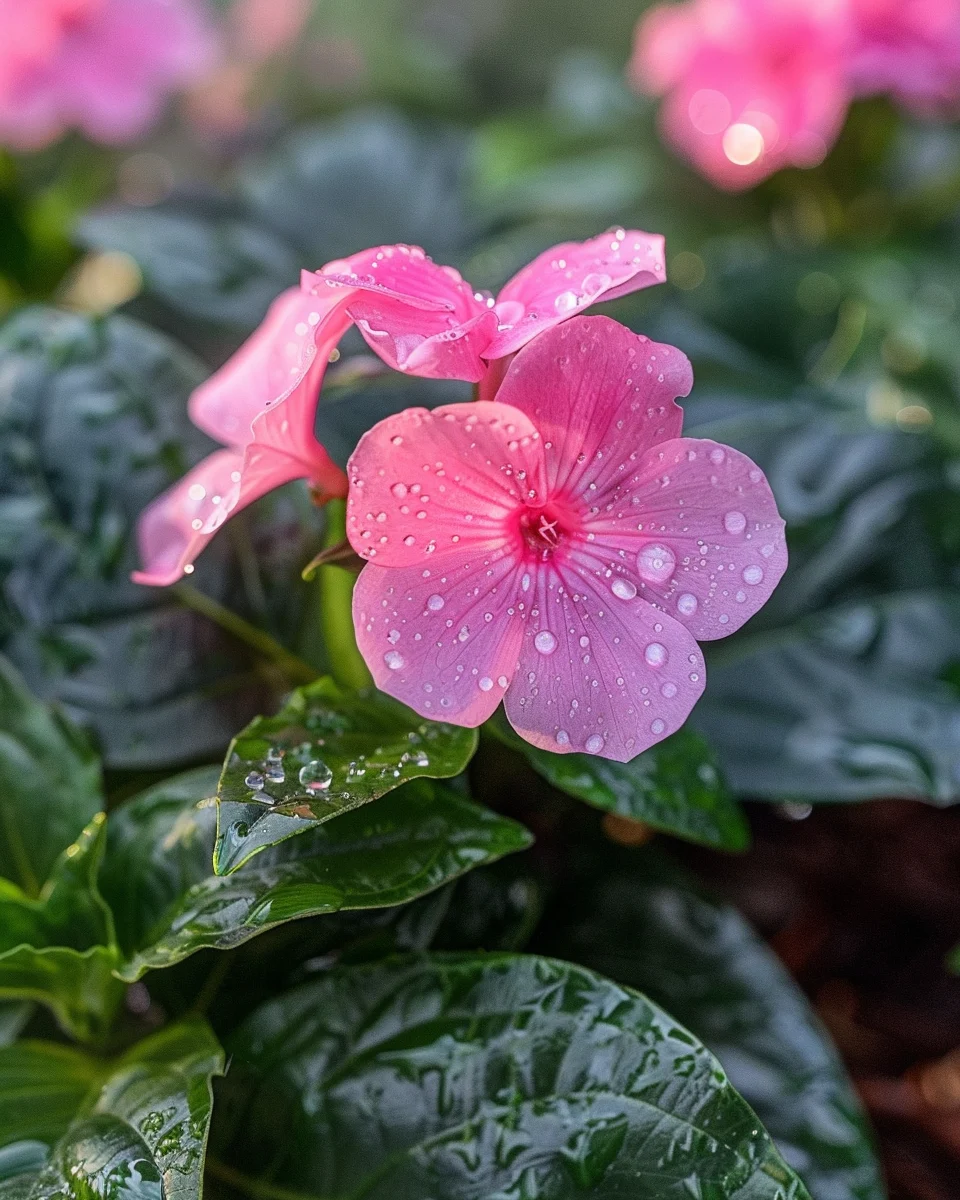
For cool-temperate regions (USDA zones 5-7), the optimal planting window is mid-May through early June when nighttime temperatures consistently stay above 10°C (50°F). In warm-temperate areas (zones 8-10), April to early May provides ideal conditions. Transplanting nursery-grown seedlings is the most reliable method for establishing impatiens, as direct sowing seeds outdoors can be challenging. If starting from seed indoors, begin 8-10 weeks before your last expected frost date. For the most extended blooming period, stagger your plantings over 2-3 weeks to ensure continuous waves of fresh flowers throughout the season.
Best How to Keep Your Impatiens Blooming Nonstop varieties to grow
- Super Elfin Series – Compact plants (20-30 cm/8-12 in) with exceptional heat tolerance and continuous flowering habit, perfect for borders and containers.
- Impatiens walleriana ‘Beacon’ – Revolutionary disease-resistant variety that withstands downy mildew, ensuring season-long blooming without common disease issues.
- SunPatiens – Hybrid variety that tolerates more sun than traditional impatiens while maintaining nonstop blooming even in challenging conditions.
- Fusion Series – Unique exotic-looking blooms with excellent branching habit that promotes continuous flowering without deadheading.
- New Guinea Impatiens – Larger flowers and foliage with superior heat tolerance and disease resistance for reliable summer-long color.
- Rockapulco Series – Double-flowered varieties resembling miniature roses that bloom prolifically all season with minimal care.
- Bounce Series – Resilient plants that “bounce back” from wilting during dry spells, ensuring continuous blooming with less maintenance.
How to plant How to Keep Your Impatiens Blooming Nonstop
Materials needed:
- Impatiens plants or seedlings
- Compost or well-rotted organic matter
- Slow-release fertilizer
- Garden trowel
- Watering can or hose with gentle spray attachment
- Mulch (fine wood chips, cocoa hulls, or leaf mold)
- Garden gloves
Step-by-step planting instructions:
- Select a planting site with dappled shade or morning sun and afternoon shade for optimal blooming.
- Prepare the soil by loosening it to a depth of 15-20 cm (6-8 inches) and incorporating 5-7 cm (2-3 inches) of compost.
- Dig planting holes twice as wide as the root ball and at the same depth as the container.
- Space plants 20-30 cm (8-12 inches) apart for standard varieties and 30-45 cm (12-18 inches) for larger types like New Guinea impatiens.
- Gently remove plants from their containers, being careful not to damage the delicate root system.
- Place each plant in its hole, ensuring the top of the root ball is level with the surrounding soil.
- Backfill with soil, firming gently around the roots to eliminate air pockets.
- Water thoroughly but gently to settle the soil around the roots without washing away soil.
- Apply a 2.5 cm (1 inch) layer of fine mulch around plants, keeping it away from stems to prevent rot.
- Incorporate a slow-release fertilizer according to package directions to promote continuous blooming from the start.
How to grow How to Keep Your Impatiens Blooming Nonstop
Impatiens thrive in dappled shade to partial shade, with morning sun and afternoon shade being ideal for maximum flowering. In warmer regions, they benefit from more protection from intense afternoon sun. Consistent moisture is crucial for continuous blooming—water whenever the top 2.5 cm (1 inch) of soil feels dry, typically every 2-3 days during warm weather. For container-grown impatiens, daily watering may be necessary during hot periods.
Feed plants every 2-3 weeks with a balanced, water-soluble fertilizer (15-15-15 or 20-20-20) diluted to half strength. Alternatively, use a slow-release fertilizer at planting time and supplement with liquid fertilizer monthly. Mulch around plants to retain moisture and suppress weeds that compete for nutrients. While deadheading isn’t strictly necessary for most modern varieties, removing spent blooms and leggy growth every 2-3 weeks encourages bushier growth and more prolific flowering.
For container growing, use pots at least 25 cm (10 inches) in diameter with excellent drainage. Use a high-quality potting mix specifically formulated for containers, and consider adding water-retaining crystals to reduce watering frequency. Container-grown impatiens require more frequent watering and fertilizing than those in garden beds to maintain nonstop blooming.
Caring for How to Keep Your Impatiens Blooming Nonstop
To maintain continuous blooming, perform a light trim every 4-6 weeks, removing up to one-third of the plant’s height to stimulate new growth and flower production. Monitor soil moisture vigilantly, as both overwatering and underwatering can cause stress that reduces flowering. During extended hot spells, provide temporary shade with garden fabric to prevent heat stress.
The primary disease affecting impatiens is downy mildew, which appears as yellowing leaves, stunted growth, and white fuzzy growth on leaf undersides. Combat this by improving air circulation, avoiding overhead watering, and selecting resistant varieties like the Beacon series. Common pests include aphids, spider mites, and thrips, which can be controlled with insecticidal soap or neem oil applications. For organic pest control, introduce beneficial insects like ladybugs or lacewings.
If plants become leggy or flowering diminishes by midsummer, perform a rejuvenation pruning by cutting them back by one-third to one-half their height, followed by a fertilizer application to stimulate a fresh flush of blooms within 2-3 weeks.
Understanding bolting in How to Keep Your Impatiens Blooming Nonstop
Unlike many garden plants, impatiens don’t technically “bolt” in the traditional sense of producing a flowering stalk and seeds. However, they can experience stress-induced growth changes that affect flowering. When exposed to extreme heat, drought, or improper light conditions, impatiens may develop leggy growth with fewer flowers. This stress response diverts energy from flower production to survival mechanisms.
To prevent stress-related flowering decline, maintain consistent soil moisture, provide appropriate light levels (too much sun or deep shade can both reduce flowering), and apply mulch to moderate soil temperature fluctuations. Regular fertilization prevents nutrient deficiencies that can trigger stress responses. If plants begin showing signs of stress with reduced flowering, promptly address the underlying cause—usually related to watering, light, or nutrition—and consider a light pruning to redirect energy to new growth and flower production.
Why does How to Keep Your Impatiens Blooming Nonstop turn bitter?
While “bitterness” isn’t relevant to ornamental impatiens as it would be for edible plants, impatiens can develop various issues that diminish their ornamental value:
- Yellowing foliage – Usually indicates overwatering or poor drainage; improve soil drainage and adjust watering frequency.
- Flower drop – Often caused by heat stress or drought; provide afternoon shade and consistent moisture.
- Leggy growth with few flowers – Typically results from insufficient light or excessive nitrogen; adjust fertilizer to lower nitrogen formula and ensure proper light levels.
- Stunted growth – May indicate nutrient deficiency or root problems; check soil pH (aim for 6.0-6.5) and apply balanced fertilizer.
- Pale, washed-out flowers – Often due to excessive direct sunlight; move to a more suitable location with filtered light.
Companion planting for How to Keep Your Impatiens Blooming Nonstop
Impatiens work beautifully with several companion plants that share similar growing requirements and create visually appealing combinations:
- Begonias – Share similar light and water needs while providing contrasting leaf textures and complementary flower forms.
- Coleus – Offers dramatic foliage colors that enhance impatiens blooms while thriving in the same shady conditions.
- Ferns – Create a woodland effect with their feathery fronds providing an elegant backdrop for impatiens flowers.
- Caladiums – Their large, colorful leaves create a stunning contrast with the smaller, more numerous impatiens blooms.
- Hostas – Provide architectural structure and varying leaf colors that complement the more delicate impatiens.
Avoid planting impatiens near:
- Sun-loving plants (marigolds, petunias) – Competing light requirements will result in poor performance for one or both plants.
- Drought-tolerant plants (succulents, lavender) – Conflicting watering needs make maintenance difficult and can lead to root rot or drought stress.
- Aggressive spreaders (mint, certain groundcovers) – These can quickly overwhelm and outcompete the more delicate impatiens.
Seasonal calendar
- February-March – Start seeds indoors 8-10 weeks before last frost (warm regions can begin outdoor planting late March).
- April – Harden off seedlings; prepare planting beds with compost; plant in warm regions (zones 9-11).
- May – Plant outdoors in most temperate regions after frost danger passes; apply slow-release fertilizer at planting.
- June – Begin regular liquid fertilization program; monitor for pests and diseases; mulch if not done at planting.
- July – Increase watering frequency during heat; perform first rejuvenation pruning if plants become leggy.
- August – Continue regular watering and feeding; provide temporary shade during extreme heat events.
- September – Reduce fertilization in cooler regions; perform final light pruning to encourage late-season blooms.
- October – Continue care in warm regions; in cooler areas, take cuttings for overwintering if desired.
- November-January – Maintain indoor cuttings for next season; plan next year’s garden.
Problems & solutions
| Problem | Quick Fix |
|---|---|
| Few or no flowers | Check light levels (too much or too little); apply phosphorus-rich fertilizer (5-10-5); ensure consistent watering. |
| Leggy, stretched plants | Prune back by one-third; ensure adequate light without direct hot sun; fertilize after pruning. |
| Yellowing leaves | Check drainage; reduce watering frequency; inspect for downy mildew and treat with fungicide if present. |
| Wilting despite moist soil | Likely root rot—improve drainage, reduce watering, and consider repotting container plants with fresh soil. |
| Leaf drop | Usually temperature stress—provide shade during heat waves and consistent moisture; avoid cold drafts for indoor plants. |
| Tiny webs with yellowing leaves | Spider mites—increase humidity, spray with water to dislodge, apply insecticidal soap or neem oil if severe. |
| Holes in leaves | Likely slugs or snails—apply diatomaceous earth around plants or set up beer traps nearby. |
Common questions about growing How to Keep Your Impatiens Blooming Nonstop
Q: How often should I water my impatiens?
A: Check soil moisture daily and water when the top inch feels dry. In hot weather, container plants may need daily watering, while garden beds typically require watering every 2-3 days. Consistent moisture is key to continuous blooming.
Q: Do impatiens need full sun or shade?
A: Most impatiens perform best in partial shade with morning sun and afternoon shade. Traditional impatiens (I. walleriana) prefer more shade, while SunPatiens and New Guinea varieties can tolerate more direct sunlight. Too much shade reduces flowering, while too much sun causes wilting and stress.
Q: What size container is best for growing impatiens?
A: Use containers at least 25-30 cm (10-12 inches) in diameter with good drainage. Larger containers hold more soil and moisture, requiring less frequent watering and promoting better root development for continuous flowering.
Q: How far apart should I space impatiens plants?
A: Space standard impatiens 20-30 cm (8-12 inches) apart and larger varieties like New Guinea impatiens 30-45 cm (12-18 inches) apart. For immediate impact in containers, you can plant more densely but be prepared for more frequent watering and fertilizing.
Q: Can impatiens survive winter?
A: In most temperate regions (zones 3-9), impatiens are grown as annuals and won’t survive frost. In zones 10-11, they may survive as perennials. You can take cuttings in fall to overwinter indoors or purchase new plants each spring for the best flowering performance.
Q: How often should I fertilize impatiens for continuous blooming?
A: Apply a balanced liquid fertilizer diluted to half strength every 2-3 weeks during the growing season. Alternatively, use a slow-release fertilizer at planting time and supplement with liquid fertilizer monthly. Reduce fertilization in late summer in cooler regions.
Q: Do I need to deadhead impatiens to keep them blooming?
A: Modern impatiens varieties are self-cleaning and don’t require regular deadheading. However, occasional light pruning every 4-6 weeks to remove leggy growth and spent blooms will stimulate bushier growth and more prolific flowering, especially in mid to late summer.