
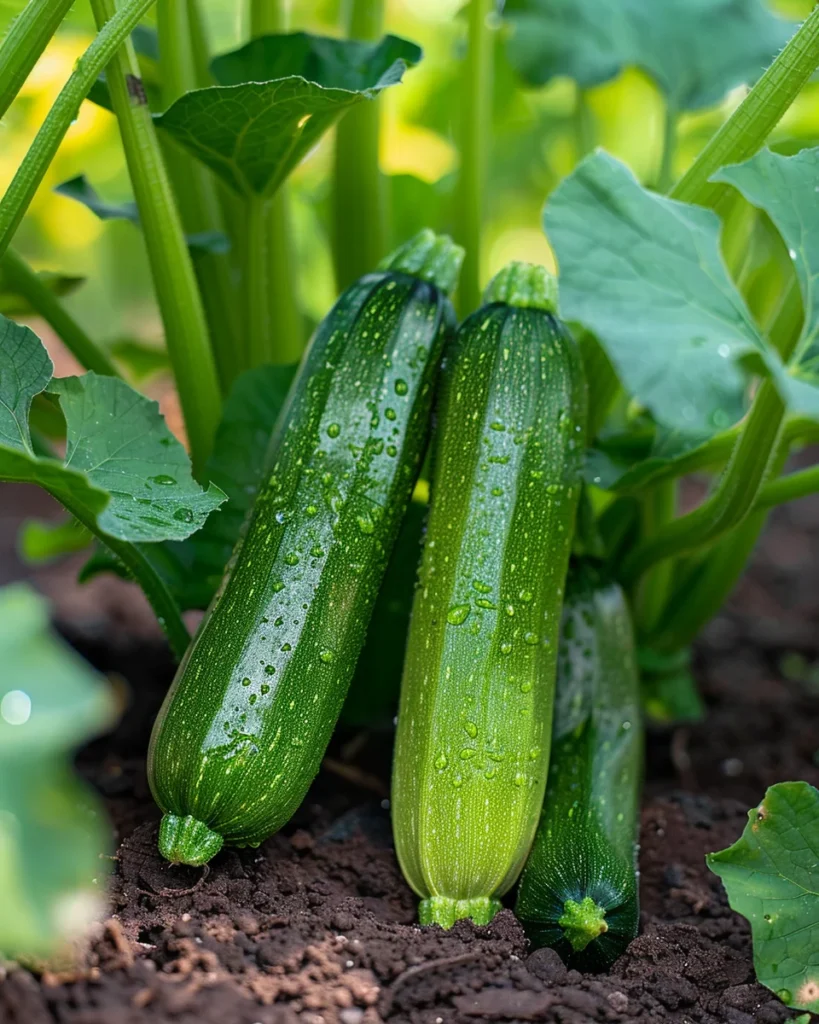
How to Grow Zucchini in Containers: When to Plant, Best Varieties & Care Guide
Intro for growing zucchini in containers
Zucchini (Cucurbita pepo) is one of the most rewarding vegetables to grow in containers, offering abundant harvests even in limited spaces. These prolific summer squash plants can thrive in pots on patios, balconies, or small gardens, producing tender, versatile fruits throughout the growing season. Container-grown zucchini allows gardeners to control soil quality, minimize pest issues, and position plants for optimal sunlight. With proper care, a single container zucchini plant can yield 3-5 pounds of fruit, making it an excellent choice for urban gardeners, beginners, or anyone wanting fresh vegetables without extensive garden space.
When to plant zucchini in containers
Zucchini thrives in warm conditions and is extremely frost-sensitive. Wait until all danger of frost has passed and soil temperatures have reached at least 15-18°C (60-65°F). In most temperate regions, this means waiting until late spring. Zucchini seeds germinate best when soil temperatures are between 21-35°C (70-95°F). If you’re in a cooler climate, consider using black containers which absorb heat and warm the soil faster. For gardeners in zones 3-6, wait until 2-3 weeks after your last frost date. Those in zones 7-10 can often plant earlier, sometimes as soon as early April in the warmest regions.
Best time to plant zucchini in containers
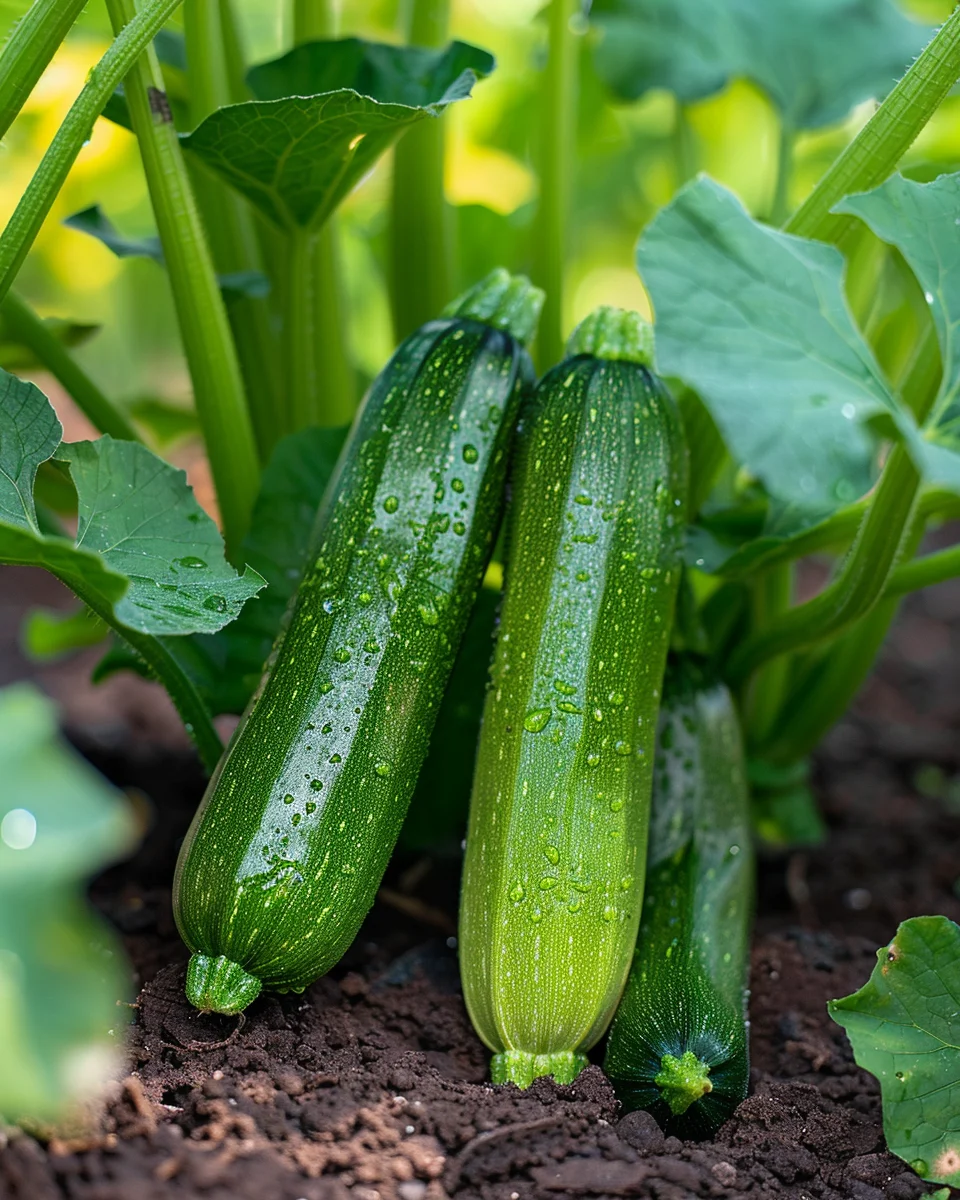
For cool temperate regions (UK, Northern US, Canada), the optimal planting window is mid-May to early June. In warm temperate regions (Southern US, Mediterranean), plant from early April to mid-May. For direct sowing in containers, plant seeds 2-3 weeks after your last expected frost date. If starting indoors for transplanting, sow seeds 3-4 weeks before your intended outdoor planting date. For extended harvests, consider succession planting with a second batch of containers started 3-4 weeks after the first. In hot climates, a fall crop can be started in late summer (August) for autumn harvests.
Best zucchini varieties to grow in containers
- Bush Baby – Compact bush habit perfect for containers, producing dark green fruits on plants that grow only 18 inches tall.
- Patio Star – Specifically bred for containers and small spaces with a compact growth habit and high yields.
- Eight Ball – Round, tennis ball-sized fruits on compact plants, ideal for stuffing and container growing.
- Astia – French variety developed specifically for container growing with upright growth and resistance to powdery mildew.
- Gold Rush – Bright yellow fruits that are easy to spot, with compact growth suitable for large containers.
- Raven – Dark, glossy fruits on compact plants with excellent disease resistance and productivity.
- Jackpot – Hybrid variety with excellent disease resistance and high yields on space-saving plants.
How to plant zucchini in containers
Materials needed:
- Container (minimum 40-50 cm/16-20 inches in diameter and depth)
- High-quality potting mix
- Organic compost or slow-release fertilizer
- Zucchini seeds or seedlings
- Watering can or hose with gentle spray attachment
- Trellis or support (for vining varieties)
Step-by-step planting:
- Select a container at least 40-50 cm (16-20 inches) in diameter with drainage holes.
- Fill the container with high-quality potting mix to about 2.5 cm (1 inch) below the rim.
- Mix in approximately 2-3 cups of compost or a handful of slow-release fertilizer.
- For direct sowing, plant 2-3 seeds in the center of the container, 2.5 cm (1 inch) deep.
- If using seedlings, create a hole in the center large enough for the root ball and plant at the same depth as the original container.
- Water thoroughly until moisture comes out of the drainage holes.
- If direct sowing, thin to the strongest seedling once plants reach 7-10 cm (3-4 inches) tall.
- Install any supports or trellises at planting time to avoid root damage later.
- Place container in its final position with full sun exposure.
How to grow zucchini in containers
Zucchini in containers requires at least 6-8 hours of direct sunlight daily for optimal production. Position containers where they’ll receive maximum sun exposure, especially morning sun. Water consistently to maintain even soil moisture—typically every 1-2 days during hot weather, less frequently in cooler conditions. Always check the top inch of soil; water when it feels dry. Feed container zucchini every 2-3 weeks with a balanced liquid fertilizer (such as 10-10-10) or compost tea. Apply a 2.5 cm (1 inch) layer of mulch on top of the soil to retain moisture and regulate temperature. For vining varieties, install a trellis or cage to support vertical growth and save space. Bush varieties generally don’t require pruning, but removing yellowing lower leaves improves air circulation. For container growing, choose pots at least 40-50 cm (16-20 inches) in diameter with excellent drainage, and use lightweight, nutrient-rich potting mix rather than garden soil.
Caring for zucchini in containers
Monitor containers daily during hot weather, as they dry out faster than garden soil. Hand-pollinate flowers by transferring pollen from male flowers (thin stems) to female flowers (with tiny fruits behind them) using a small brush or by removing male flowers and touching their centers to female flowers. Watch for powdery mildew, which appears as white powder on leaves; treat immediately with a baking soda spray (1 tablespoon baking soda, 1 teaspoon mild soap, 1 gallon water). Check undersides of leaves for squash bugs and remove them by hand or treat with insecticidal soap. Harvest zucchini when fruits reach 15-20 cm (6-8 inches) long for best flavor and texture. Picking frequently encourages more production. Store harvested zucchini in the refrigerator for up to one week, or slice and freeze for longer storage. Rotate containers periodically to ensure even sun exposure for all parts of the plant.
Understanding bolting in zucchini
Unlike leafy greens, zucchini doesn’t technically bolt in the traditional sense of prematurely flowering and going to seed. However, zucchini plants can experience accelerated growth and reduced fruit production under stress. This stress response is typically triggered by extreme heat (consistently above 35°C/95°F), drought conditions, or nutrient deficiencies. To prevent stress-related issues, maintain consistent watering, especially during heat waves, and provide afternoon shade in extremely hot climates. Apply mulch to regulate soil temperature and retain moisture. If your zucchini plant seems to be growing rapidly but producing few fruits, check for pollination issues, which are common in container gardens with fewer pollinating insects. Hand-pollination (as described in the care section) can solve this problem and increase fruit set.
Why does zucchini turn bitter?
- Cucurbitacins buildup – Natural compounds that increase with plant stress; maintain consistent watering and fertilizing to prevent.
- Heat stress – Prolonged temperatures above 35°C (95°F) can cause bitterness; provide afternoon shade during heat waves.
- Irregular watering – Drought followed by overwatering can trigger bitterness; maintain consistent soil moisture.
- Genetic factors – Some varieties naturally contain more bitter compounds; choose modern hybrid varieties bred for mild flavor.
- Cross-pollination – If growing near ornamental gourds or wild cucurbits, cross-pollination can increase bitterness in saved seeds (not in current season fruits).
Companion planting for zucchini in containers
Good companions:
- Nasturtiums – Repel squash bugs and other pests while attracting pollinators with bright flowers.
- Marigolds – Deter nematodes and other soil pests with their root secretions.
- Herbs (dill, mint) – Attract beneficial insects and pollinators while utilizing vertical space in containers.
- Radishes – Quick-growing crops that can be harvested before zucchini plants reach full size.
- Borage – Attracts pollinators and is said to improve zucchini flavor and growth.
Avoid planting near:
- Potatoes – Compete for nutrients and can increase susceptibility to disease.
- Other squash varieties – May compete for pollinators and increase pest pressure in a small container environment.
Seasonal calendar
- February-March: Start seeds indoors in warm regions (zones 8-10).
- April: Start seeds indoors in cooler regions; direct sow in warm regions after last frost.
- May: Transplant seedlings outdoors in most regions; direct sow in containers in cooler areas.
- June: Apply first fertilizer 3-4 weeks after planting; begin regular harvesting in warm regions.
- July-August: Peak harvest season; monitor for pests and diseases; water daily in hot weather.
- September: Continue harvesting; plant fall crop in warm regions; apply final fertilizer.
- October: Final harvests in most regions; clean up plants after first frost in cooler areas.
- November: Harvest final fruits in warm regions; prepare containers for winter.
Problems & solutions
| Problem | Quick Fix |
|---|---|
| Few or no fruits forming | Hand-pollinate flowers in early morning using a small brush or cotton swab |
| Powdery white spots on leaves | Spray with diluted milk solution (1 part milk to 9 parts water) or neem oil |
| Yellow leaves | Check for overwatering; ensure container has proper drainage; apply balanced fertilizer |
| Wilting despite moist soil | Check for squash vine borers; look for entry holes and frass at stem base |
| Fruits rotting at blossom end | Maintain consistent watering; add calcium with crushed eggshells or calcium spray |
| Stunted growth | Ensure container is large enough; feed with balanced fertilizer; check for root binding |
| Misshapen or irregular fruits | Improve pollination; ensure consistent watering and adequate nutrients |
Common questions about growing zucchini in containers
Q: How large should my container be for growing zucchini?
A: Use containers at least 40-50 cm (16-20 inches) in diameter and equally deep, with a minimum volume of 20-25 liters (5-7 gallons) per plant.
Q: How often should I water container zucchini?
A: Check daily and water when the top 2.5 cm (1 inch) of soil feels dry. In hot weather, this may mean daily watering; in cooler conditions, every 2-3 days.
Q: Can I grow more than one zucchini plant in a container?
A: It’s best to limit to one plant per container unless using extremely large containers (over 60 cm/24 inches). Multiple plants compete for nutrients and can reduce air circulation.
Q: How do I know when to harvest my zucchini?
A: Harvest when fruits reach 15-20 cm (6-8 inches) long for standard varieties or about 10 cm (4 inches) for round types. Pick regularly to encourage continued production.
Q: Why are my zucchini flowers dropping without forming fruits?
A: This is usually due to poor pollination. Try hand-pollinating in the early morning, or it could be extreme heat (above 35°C/95°F) causing flower drop.
Q: Can zucchini in containers survive light frost?
A: No, zucchini is very frost-sensitive. If temperatures below 0°C (32°F) are predicted, either move containers to a protected location or cover plants with frost cloth.
Q: How many zucchini can I expect from one container plant?
A: A healthy container-grown zucchini plant can produce 5-10 fruits per week during peak season, potentially yielding 20-30 zucchini over its productive life.