
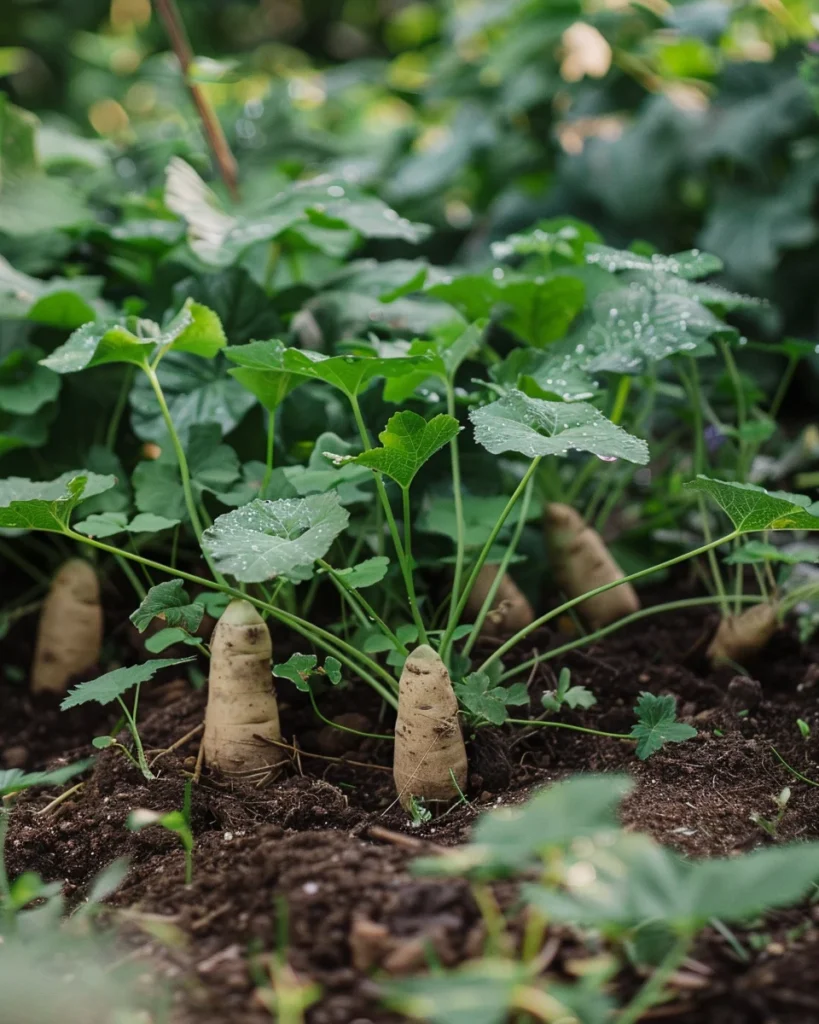
How to Grow Yams in Containers: Complete Guide for Small-Space Harvests
Intro for growing yams in containers
Yams (Dioscorea species) are tropical tubers that can be successfully grown in containers, making them accessible even to gardeners with limited space. These starchy, nutritious vegetables produce vigorous vines and develop large underground tubers that are staples in many world cuisines. Container-grown yams offer the advantage of controlled growing conditions, protection from soil-borne diseases, and the ability to grow these tropical plants in cooler climates by moving containers to protected areas when needed. With proper care, container yams can produce impressive harvests of these versatile tubers that store well and provide excellent nutritional value.
When to plant yams in containers
Yams are warm-season crops that require a long growing season of 8-11 months. Plant yams after all danger of frost has passed and soil temperatures have reached at least 18°C (65°F). In temperate regions, this typically means late spring. Yams are extremely frost-sensitive, so in cooler climates (UK, Northern US, Canada), start them indoors 4-6 weeks before the last frost date. In warmer regions (US Zones 8-11, Mediterranean areas), you can plant directly in containers outdoors once temperatures are consistently warm.
Best time to plant yams in containers
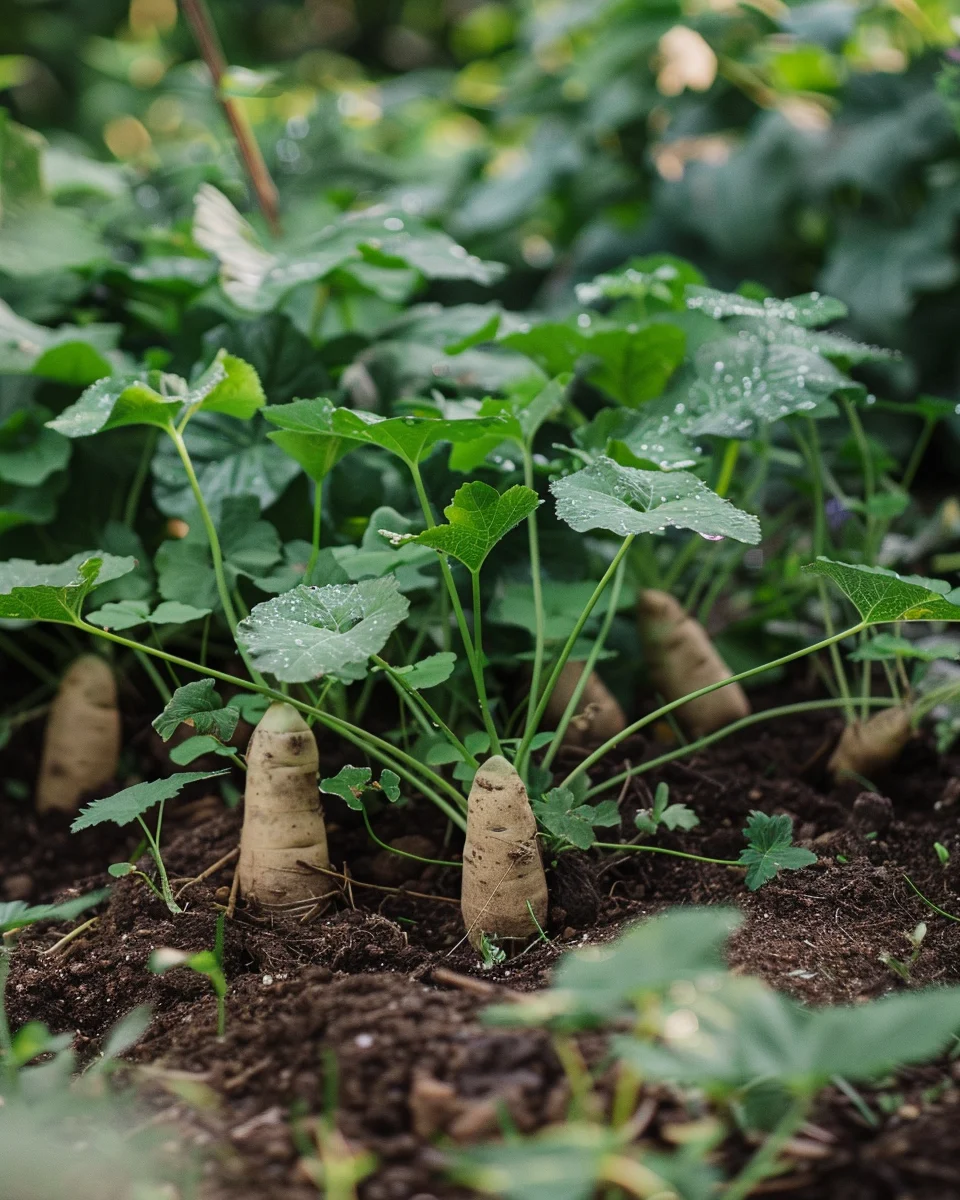
For cool temperate regions (UK, Northern US), plant yam pieces or slips in containers from mid-April to May, after preparing them indoors. In warm temperate regions (US Zones 8-11, Mediterranean), plant from March to April. For tropical and subtropical areas, planting can occur year-round, though the beginning of the rainy season is optimal. When container planting, the timing is somewhat flexible as you can move containers to protected areas if unexpected cold weather threatens.
Best yam varieties to grow in containers
- Chinese Yam (Dioscorea polystachya) – Produces aerial bulbils and is more compact, making it ideal for container growing.
- White Yam (Dioscorea rotundata) – Popular variety with excellent flavor and relatively compact growth habit.
- Yellow Yam (Dioscorea cayenensis) – Produces yellow-fleshed tubers with a sweet taste and grows well in containers.
- Lesser Yam (Dioscorea esculenta) – Smaller tubers that develop earlier, good for containers and shorter growing seasons.
- Air Potato (Dioscorea bulbifera) – Produces aerial tubers and requires less root space, though check local regulations as it’s invasive in some regions.
- Purple Yam (Dioscorea alata) – Striking purple flesh with antioxidant properties, adapts well to container cultivation.
How to plant yams in containers
Materials needed:
- Large containers (minimum 40-50 cm/16-20 inches deep and wide)
- High-quality potting mix with compost
- Yam seed pieces or slips (sprouted pieces)
- Trellis or stakes for support
- Slow-release fertilizer
- Mulch material
Step-by-step planting:
- Select containers with excellent drainage holes; half barrels, large grow bags, or deep pots work well.
- Fill containers with a rich, well-draining potting mix amended with compost and a handful of slow-release fertilizer.
- Prepare yam seed pieces by cutting whole yams into chunks (5-8 cm/2-3 inches) ensuring each piece has at least one “eye” or growth bud.
- Allow cut pieces to callus over for 1-2 days in a cool, dry place.
- Plant each yam piece 10-15 cm (4-6 inches) deep with the eye facing upward.
- Space multiple plants 30 cm (12 inches) apart if using very large containers.
- Water thoroughly but gently to avoid displacing the seed pieces.
- Install a trellis or stakes at planting time to support the vigorous vines that will develop.
- Apply a 5 cm (2 inch) layer of mulch to conserve moisture and suppress weeds.
How to grow yams in containers
Yams in containers need full to partial sunlight, ideally 6-8 hours daily. In very hot regions, afternoon shade is beneficial. Water consistently to maintain even soil moisture, typically 2-3 times weekly depending on weather conditions, allowing the top inch of soil to dry slightly between waterings. Apply a balanced liquid fertilizer (10-10-10) monthly during the growing season. As vines develop, train them up the trellis or support structure to maximize space and sunlight exposure. Container-grown yams benefit from additional potassium as tubers form, so switch to a lower-nitrogen, higher-potassium fertilizer after 3-4 months. For container specifics, ensure your container is deep enough (minimum 40-50 cm/16-20 inches) to accommodate tuber development, and consider using grow bags which allow for easier harvest by simply dumping out the contents.
Caring for yams in containers
Monitor soil moisture carefully, as containers dry out faster than garden soil. Check for pests regularly, especially spider mites and aphids which can be controlled with insecticidal soap or neem oil. Yams are susceptible to various fungal diseases in humid conditions; improve air circulation around plants and avoid overhead watering. Harvest yams when the foliage begins to yellow and die back, typically 8-11 months after planting. For container-grown yams, you can simply dump out the container contents for easy harvesting. Handle tubers carefully to avoid bruising. Cure harvested yams in a warm (27-30°C/80-85°F), humid place for 1-2 weeks to heal any cuts and improve storage quality. Store cured yams in a cool (13-16°C/55-60°F), dry place where they can last for several months.
Understanding bolting in yams
Unlike leafy vegetables, yams don’t bolt in the traditional sense of premature flowering and seed production. However, yams do have a natural growth cycle where they produce vines, then eventually die back as energy is directed to tuber formation. Stress factors like extreme heat, drought, or nutrient imbalances can cause premature vine dieback, which reduces tuber development. To prevent this, maintain consistent watering, provide afternoon shade in extremely hot climates, and ensure balanced nutrition. If vines begin to yellow prematurely, check for pests, diseases, or watering issues and correct them promptly to maximize tuber development.
Why does yam growth stunt in containers?
- Container too small – Use containers at least 40-50 cm (16-20 inches) deep for proper tuber development.
- Poor drainage – Waterlogged soil leads to rot; ensure containers have adequate drainage holes.
- Insufficient nutrients – Yams are heavy feeders; fertilize regularly with balanced fertilizer.
- Temperature extremes – Protect containers from excessive heat or cold which can stress plants.
- Inadequate sunlight – Ensure plants receive at least 6 hours of sunlight for proper growth.
Companion planting for yams in containers
Good companions for container-grown yams include:
- Marigolds – Repel nematodes and other soil pests that might damage yam tubers.
- Bush beans – Fix nitrogen in the soil, benefiting the heavy-feeding yams.
- Sweet alyssum – Attracts beneficial insects that help control aphids and other pests.
- Nasturtiums – Act as trap crops for aphids that might otherwise attack yams.
- Basil – Repels various insects and can improve growth and flavor of nearby plants.
Avoid planting yams near:
- Other root crops – Compete for underground space and nutrients.
- Brassicas (cabbage family) – Heavy feeders that compete for nutrients.
Seasonal calendar
- January-February: Plan container setup and order yam varieties (temperate regions).
- March: Prepare seed yams for sprouting indoors in cooler regions.
- April-May: Plant sprouted yams in containers after last frost; set up trellises.
- June-August: Regular watering, fertilizing, and training vines; monitor for pests.
- September-October: Reduce watering as vines begin to yellow (in year-long growing regions).
- November-December: Harvest when foliage dies back completely; cure and store tubers.
Note: In tropical/subtropical regions, planting can occur year-round, with harvest 8-11 months after planting.
Problems & solutions
| Problem | Quick Fix |
|---|---|
| Yellowing leaves | Check for overwatering; ensure proper drainage and let soil dry slightly between waterings. |
| Stunted growth | Increase fertilization with balanced fertilizer; ensure container is large enough. |
| Vine dieback | Protect from temperature extremes; check for pests at base of plant. |
| Tuber rot | Improve drainage; avoid overwatering; ensure container has adequate drainage holes. |
| Spider mites | Increase humidity; spray with insecticidal soap or neem oil solution. |
| Small tuber yield | Use deeper containers; ensure adequate fertilization; provide longer growing season. |
Common questions about growing yams in containers
Q: How large should my container be for growing yams?
A: Use containers at least 40-50 cm (16-20 inches) deep and wide. Larger containers (60-75 cm/24-30 inches) will produce better yields.
Q: How much sunlight do container-grown yams need?
A: Yams need 6-8 hours of sunlight daily. In very hot climates, afternoon shade is beneficial.
Q: How often should I water yams in containers?
A: Water when the top 2-3 cm (1 inch) of soil feels dry, typically 2-3 times weekly in summer, less in cooler weather.
Q: Can I grow yams in containers in cold climates?
A: Yes, container growing allows you to extend the season by moving plants to protected areas when temperatures drop below 10°C (50°F).
Q: When are container-grown yams ready to harvest?
A: Harvest when foliage yellows and dies back, typically 8-11 months after planting, depending on variety.
Q: Do yams in containers need special fertilizer?
A: Use a balanced fertilizer monthly, switching to a higher-potassium formula after 3-4 months to encourage tuber development.
Q: Can I reuse the soil after harvesting yams?
A: Yes, but refresh it with compost and fertilizer, as yams deplete soil nutrients. Avoid planting yams in the same soil for consecutive seasons to prevent disease buildup.