
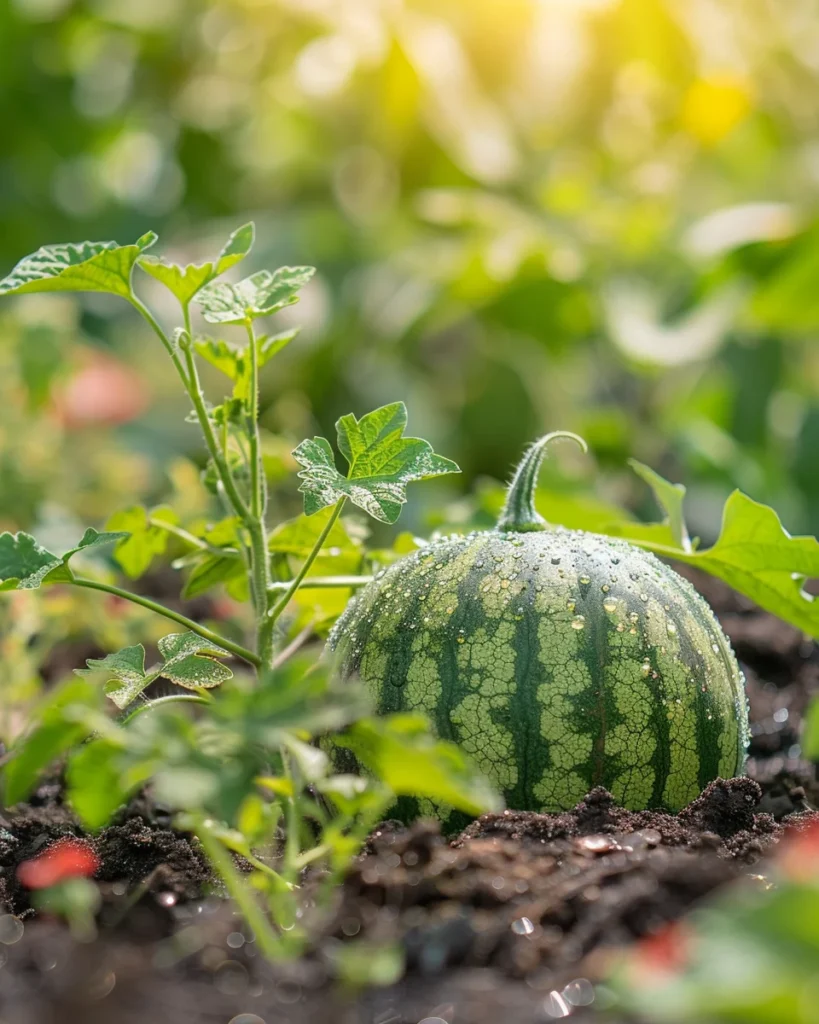
How to Grow Watermelon in Short Seasons: When to Plant, Best Varieties & Care
Intro for growing watermelon in short seasons
Watermelons are typically associated with long, hot growing seasons, but with the right techniques and varieties, even gardeners in cooler climates with shorter summers can enjoy these sweet, juicy fruits. Growing watermelons in short seasons requires strategic planning, from selecting quick-maturing varieties to using season-extending techniques. These sun-loving cucurbits need warm soil and protection from frost, but the reward of harvesting your own homegrown watermelons makes the effort worthwhile. With proper care, watermelons can thrive in many temperate regions, bringing tropical flavor to northern gardens and providing a refreshing summer treat in just 70-85 days from planting.
When to plant watermelon in short seasons
In short-season areas, timing is crucial for watermelon success. Wait until all danger of frost has passed and soil temperatures have reached at least 18°C (65°F) consistently. For most temperate regions, this means late spring to early summer. Watermelons are extremely frost-sensitive, so even a light frost can kill young plants. In cooler northern regions (US Zones 3-5, UK northern areas), you’ll need to use season extenders like black plastic mulch to warm the soil earlier. Southern temperate regions (US Zones 6-8, UK southern areas) offer more flexibility with planting times, but still require warm soil conditions.
Best time to plant watermelon in short seasons

For cool temperate regions, start seeds indoors 3-4 weeks before your last frost date, typically mid-April to early May. Transplant outdoors in late May to early June when soil temperatures remain above 18°C (65°F). In warmer temperate regions, direct sowing is possible from mid-May to early June. For container growing in any region, you can start 1-2 weeks earlier than in-ground planting as containers warm faster. Pre-warming soil with black plastic for 1-2 weeks before planting can give watermelons a crucial head start in short-season areas.
Best watermelon varieties to grow in short seasons
- Sugar Baby – A classic 6-8 pound icebox variety that matures in just 75 days with sweet red flesh.
- Early Moonbeam – Yellow-fleshed variety ready in 70-75 days with exceptional sweetness for northern gardens.
- Blacktail Mountain – Developed in Idaho, this 8-10 pound melon matures in 70 days and handles cool nights well.
- Sweet Dakota Rose – Bred specifically for northern climates, producing 10-15 pound fruits in 80 days.
- Golden Midget – Ultra-early 3-pound watermelon with unique yellow rind that matures in just 70 days.
- Jade Star – Seedless variety that produces 10-15 pound fruits in 80 days with excellent disease resistance.
- Mini Love – Compact plant ideal for containers, producing 7-8 pound fruits in 80 days on 3-4 foot vines.
How to plant watermelon in short seasons
Materials needed: Watermelon seeds or transplants, black plastic mulch, compost, balanced organic fertilizer, garden trowel, watering can, row covers (optional), soil thermometer.
- Select a planting site with full sun (8+ hours daily) and protection from wind.
- Prepare soil by incorporating 2-3 inches of compost and warming it with black plastic for 1-2 weeks.
- Create small mounds 6-8 inches (15-20 cm) high and 2-3 feet (60-90 cm) in diameter, spaced 3-4 feet (90-120 cm) apart.
- Add 1/4 cup balanced organic fertilizer to each mound, mixing it into the soil.
- For transplants, dig holes large enough for the root ball, being careful not to disturb roots.
- For direct seeding, plant 3-4 seeds per mound, 1 inch (2.5 cm) deep.
- Water thoroughly after planting, ensuring soil is moist but not waterlogged.
- Cover newly planted seeds or transplants with row covers or cloches to increase heat if temperatures are marginal.
- Once seedlings emerge from direct seeding, thin to the strongest 2 plants per mound.
- Maintain soil moisture until plants are established, typically 2-3 weeks after planting.
How to grow watermelon in short seasons
Watermelons need full sunlight (minimum 8 hours daily) to develop properly in short seasons. Water deeply once or twice weekly, providing 1-2 inches (2.5-5 cm) of water per week, but avoid overhead watering which can promote disease. Apply a balanced organic fertilizer (10-10-10) when vines begin to run, then switch to a lower-nitrogen, higher-phosphorus fertilizer (5-10-10) when flowering begins. Maintain black plastic mulch throughout the season to increase soil temperature and suppress weeds. In container growing, use minimum 10-gallon containers per plant and water more frequently as containers dry out faster. For extremely short seasons, consider pruning vines to focus energy on 1-2 fruits per plant. Remove any fruits that set within 2-3 weeks of your first expected frost, as they won’t have time to mature.
Caring for watermelon in short seasons
Monitor soil moisture carefully, especially during fruit development. Inconsistent watering can lead to split fruits or blossom end rot. Common pests include cucumber beetles and aphids – control with row covers until flowering, then use insecticidal soap for aphids and hand-pick beetles. Watch for powdery mildew, especially in humid conditions; prevent with good air circulation and treat with neem oil if spotted. Harvest watermelons when the tendril nearest the fruit turns brown and crispy, the bottom spot turns from white to cream or yellow, and the fruit produces a deep, hollow sound when thumped. Most varieties will store for 1-2 weeks at room temperature or up to 3 weeks in a cool (10-15°C/50-60°F), humid location.
Understanding bolting in watermelon
Unlike leafy greens, watermelons don’t bolt in the traditional sense. However, they can experience premature flowering and reduced fruit set when stressed. This typically happens when young plants experience temperature fluctuations, particularly cold nights followed by warm days. To prevent stress-induced flowering issues, maintain consistent temperatures with season extenders, avoid transplant shock by hardening off seedlings properly, and ensure adequate water and nutrients. If plants flower very early, remove the first few female flowers (those with tiny fruits behind them) to allow the plant to develop more foliage and energy reserves before setting fruit.
Why does watermelon turn bitter?
- Environmental stress – Extreme temperature fluctuations or drought can trigger bitterness; maintain consistent watering and use mulch to moderate soil temperature.
- Cucurbitacin buildup – Natural compounds that increase with stress; reduce by selecting modern varieties bred for low bitterness.
- Cross-pollination – Not actually possible with cucumbers (a common myth), but wild gourd pollen can occasionally affect flavor; grow away from wild cucurbits.
- Immature harvesting – Picking before fully ripe often results in less sweet, sometimes bitter fruit; wait for proper ripeness indicators.
- Nutrient imbalance – Excessive nitrogen can reduce sweetness; switch to lower-nitrogen fertilizer when plants begin flowering.
Companion planting for watermelon
Watermelons benefit from several companion plants. Nasturtiums attract pollinators and deter pests like aphids and squash bugs. Marigolds repel nematodes and other soil pests that can damage watermelon roots. Radishes planted alongside watermelons can act as trap crops for cucumber beetles. Corn can provide a windbreak and partial shade in hot climates. Sunflowers attract pollinators and can serve as living trellises for small-fruited varieties. Avoid planting watermelons near potatoes, as they compete for nutrients and can increase disease pressure. Also keep distance from aromatic herbs like sage and rosemary, which may inhibit watermelon growth.
Seasonal calendar
- March-April: Start seeds indoors 3-4 weeks before last frost; prepare garden beds with compost.
- May: Lay black plastic to warm soil; transplant seedlings after last frost when soil reaches 18°C (65°F).
- June: Direct seed in warmer regions; apply initial balanced fertilizer; install row covers if needed.
- July: Apply phosphorus-rich fertilizer when flowering begins; hand-pollinate if pollinator activity is low.
- August: Place ripening fruits on boards or straw to prevent rot; reduce watering slightly as fruits mature.
- September: Harvest main crop before first frost; remove plants after harvest in short-season areas.
- October: Clean up garden debris to prevent disease overwintering; prepare soil for next season.
Problems & solutions
| Problem | Quick Fix |
|---|---|
| Flowers but no fruit | Hand-pollinate female flowers (with small fruit behind them) using a small brush in early morning |
| Small, underdeveloped fruits | Reduce to 2-3 fruits per plant in short seasons; apply phosphorus-rich fertilizer |
| Cracked or split fruits | Maintain consistent watering, especially during fruit development |
| Powdery white spots on leaves | Improve air circulation; apply neem oil or milk spray (1:9 milk:water ratio) |
| Yellow, wilting leaves | Check for cucumber beetles; use row covers and remove by hand |
| Blossom end rot (black bottoms) | Add calcium to soil with crushed eggshells or calcium spray; maintain even moisture |
| Slow growth in cool weather | Add additional black plastic mulch; use row covers or cloches at night |
Common questions about growing watermelon in short seasons
How often should I water watermelons?
Water deeply 1-2 times per week, providing about 1-2 inches (2.5-5 cm) of water weekly. Reduce watering slightly as fruits near maturity to increase sweetness.
Can I grow watermelons in containers?
Yes, choose compact varieties like ‘Mini Love’ or ‘Sugar Baby’ and use minimum 10-gallon containers with excellent drainage. Container-grown plants need more frequent watering and feeding.
How much space do watermelons need?
Standard varieties need 3-4 feet (90-120 cm) between plants and 6-8 feet (180-240 cm) between rows. Compact varieties can be spaced 2-3 feet (60-90 cm) apart.
How can I tell when watermelons are ripe?
Look for three signs: the curly tendril nearest the fruit turns brown and dry, the bottom spot (where the melon touches the ground) changes from white to cream or yellow, and the fruit produces a deep, hollow sound when thumped.
How can I speed up watermelon growth in short seasons?
Use black plastic mulch, row covers, pre-warming soil, selecting early varieties, starting seeds indoors, and focusing plant energy on fewer fruits by pruning to 2-3 melons per plant.
Will watermelons cross-pollinate with cucumbers or squash?
No, watermelons (Citrullus lanatus) will not cross-pollinate with cucumbers or squash. They can cross with citron melons and wild watermelon relatives, but this only affects seeds saved for next year, not current fruit quality.
How cold-tolerant are watermelon plants?
Watermelons have very low cold tolerance. They need soil temperatures above 18°C (65°F) and air temperatures above 21°C (70°F) for proper growth. Any temperature below 10°C (50°F) can damage plants, and frost will kill them.