
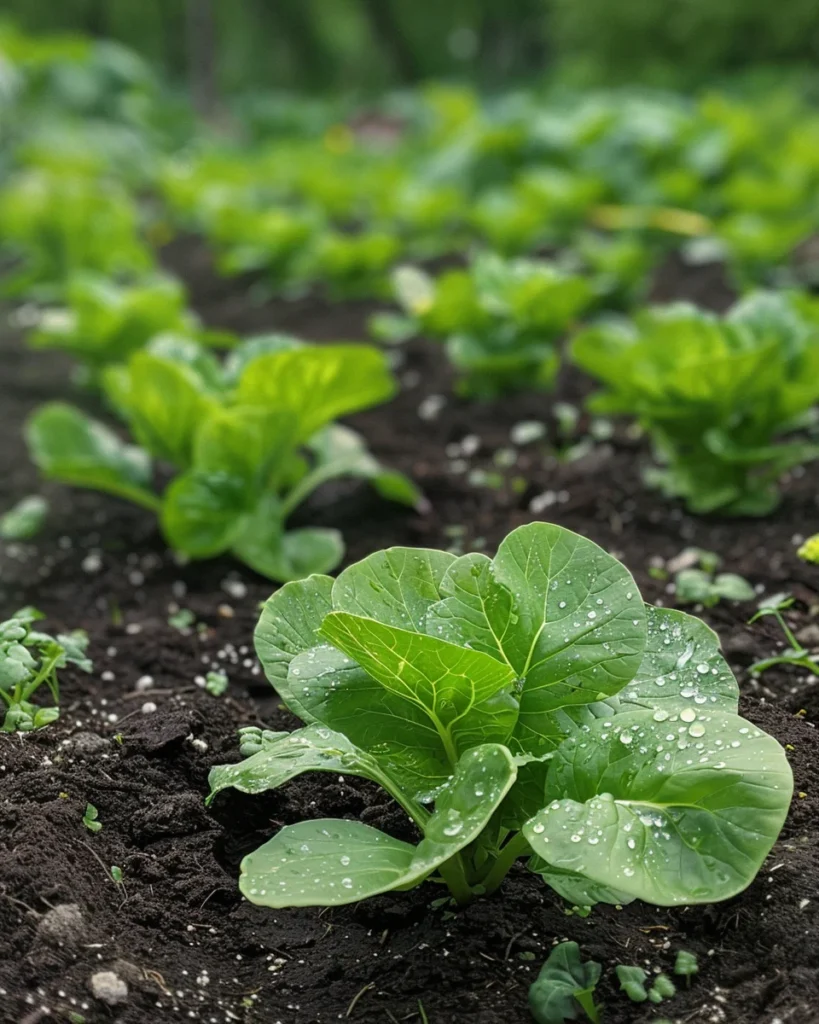
How to Grow Vegetables in Zone 9b: When to Plant, Best Varieties & Year-Round Harvesting Guide
Intro for growing vegetables in zone 9b
Zone 9b is a gardener’s paradise with its mild winters (rarely below 25-30°F/-4 to -1°C) and long, hot summers, offering nearly year-round growing opportunities. This USDA hardiness zone, which includes parts of California, Arizona, Texas, and Florida, allows for an impressive variety of vegetables throughout the seasons. With 285-295 frost-free days annually, zone 9b gardeners can enjoy multiple plantings and harvests. The key to success lies in understanding the unique rhythm of this warm climate—planting cool-season crops during the mild winter months and heat-tolerant varieties during the intense summer. Whether you’re growing nutrient-rich leafy greens in winter or heat-loving tomatoes in summer, zone 9b offers exceptional vegetable gardening potential with proper timing and variety selection.
When to plant vegetables in zone 9b
In zone 9b, the growing calendar is essentially flipped compared to cooler regions. The prime growing seasons are fall, winter, and spring, while summer presents challenges due to intense heat. Cool-season vegetables (lettuce, spinach, broccoli, peas) thrive from September through April when temperatures range from 40-75°F (4-24°C). These crops should be established before soil temperatures exceed 75°F (24°C).
Warm-season vegetables (tomatoes, peppers, eggplant, cucumbers) can be planted as early as February or March after the last frost date, which typically falls between January 30th and February 15th. These heat-loving crops prefer soil temperatures above 60°F (16°C). Summer plantings (June-August) should focus on heat-tolerant varieties that can withstand temperatures regularly exceeding 90°F (32°C).
Best time to plant vegetables in zone 9b
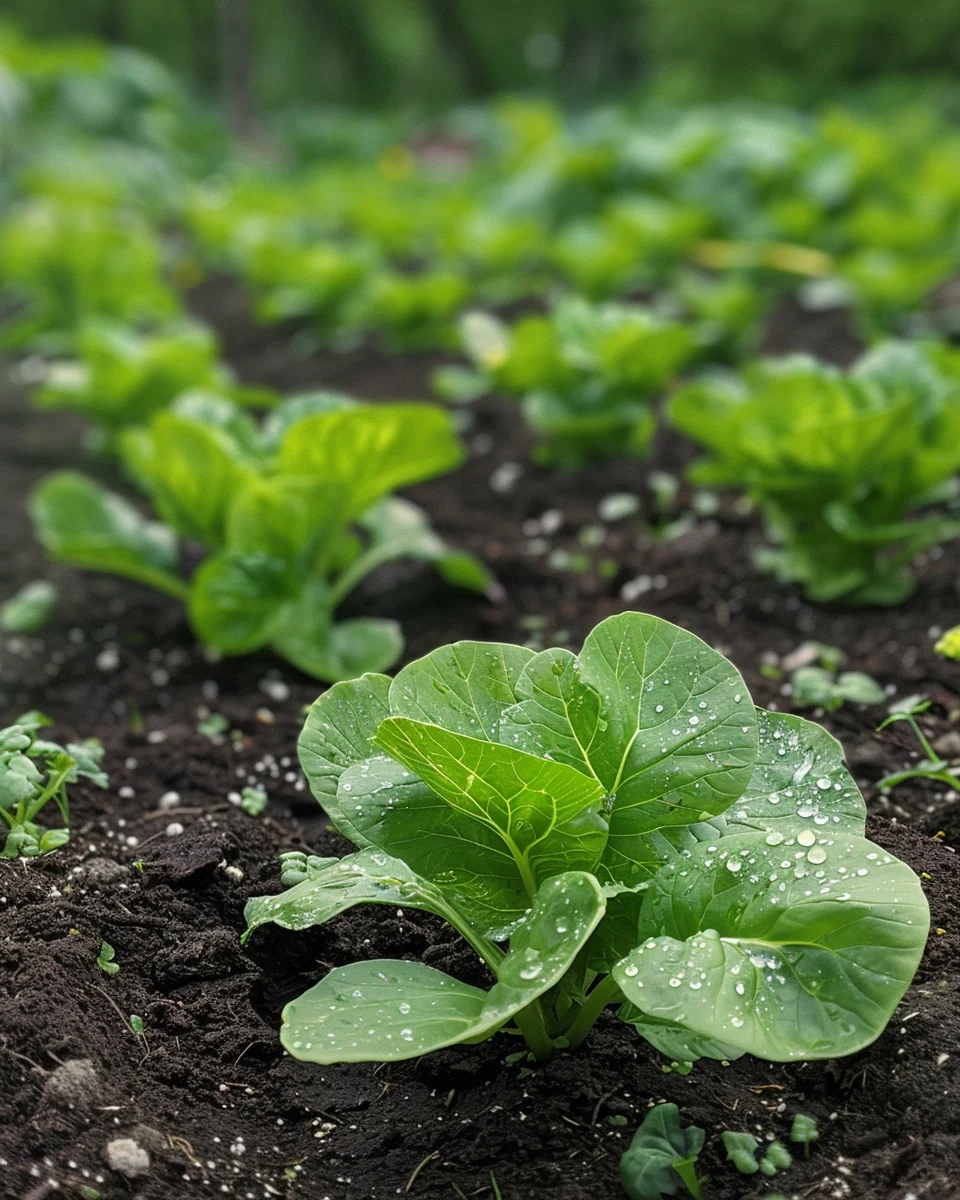
For cool-season crops in zone 9b:
- September-November: Direct sow or transplant broccoli, cauliflower, cabbage, lettuce, spinach, carrots, radishes, and peas
- December-February: Continue planting leafy greens, root vegetables, and brassicas
For warm-season crops in zone 9b:
- February-March: Begin transplanting tomatoes, peppers, and eggplant (started indoors 6-8 weeks prior)
- March-May: Direct sow beans, corn, cucumbers, melons, and squash
- August-September: Plant a second round of heat-tolerant tomatoes and peppers for fall harvest
For year-round harvesting, stagger plantings every 2-3 weeks within these windows. In the hottest summer months (June-August), focus on heat-resistant varieties or provide afternoon shade for more sensitive crops.
Best vegetable varieties to grow in zone 9b
- Tomatoes: ‘Solar Fire’, ‘Heatwave II’, and ‘Phoenix’ – bred specifically for hot climates with excellent disease resistance and continued fruit set even during high temperatures.
- Peppers: ‘Serrano’, ‘Anaheim’, and ‘California Wonder’ – thrive in zone 9b heat and produce abundantly from spring through fall.
- Eggplant: ‘Florida Market’ and ‘Black Beauty’ – heat-loving varieties that produce well into the hottest months.
- Lettuce: ‘Black Seeded Simpson’, ‘Jericho’, and ‘Nevada’ – heat-tolerant varieties that resist bolting longer than standard types.
- Kale: ‘Lacinato’ (Dinosaur) and ‘Red Russian’ – can withstand both heat and occasional cold snaps in zone 9b.
- Beans: ‘Contender’ bush beans and ‘Yardlong’ pole beans – quick-maturing and heat-tolerant for multiple harvests.
- Okra: ‘Clemson Spineless’ and ‘Star of David’ – thrive in the hottest conditions and produce continuously.
- Sweet Potatoes: ‘Beauregard’ and ‘Georgia Jet’ – perfect for the long growing season in zone 9b.
How to plant vegetables in zone 9b
Materials needed:
- Compost or aged manure
- Balanced organic fertilizer
- Mulch (straw, leaves, or wood chips)
- Drip irrigation system or soaker hoses
- Shade cloth (30-50% density)
- Transplants or seeds
- Garden tools (trowel, shovel, rake)
- Soil thermometer
Step-by-step planting process:
- Prepare your garden bed at least 2-3 weeks before planting by removing weeds and incorporating 2-3 inches (5-8 cm) of compost.
- Test soil pH and aim for 6.0-7.0 for most vegetables; amend accordingly with lime to raise pH or sulfur to lower it.
- Install drip irrigation before planting to ensure efficient water delivery directly to root zones.
- For transplants, dig holes twice as wide as the root ball and at the same depth.
- For direct seeding, follow packet instructions for depth (generally 2-3 times the diameter of the seed).
- Space plants according to mature size requirements, allowing for good air circulation to prevent disease in the humid zone 9b climate.
- Water thoroughly after planting to eliminate air pockets around roots.
- Apply 2-3 inches (5-8 cm) of mulch around plants (keeping it away from stems) to conserve moisture and moderate soil temperature.
- Install shade cloth supports for areas that will receive afternoon sun during the hottest months.
- Label plantings with variety names and planting dates to track performance.
How to grow vegetables in zone 9b
Sunlight management: In zone 9b, afternoon shade is beneficial for many vegetables during summer months. Consider east-facing garden beds or install 30-50% shade cloth over sensitive crops from May through September. Morning sun with afternoon shade provides the ideal balance for most vegetables during peak heat.
Watering schedule: Deep, infrequent watering is key. During cooler months (November-March), water deeply once or twice weekly. As temperatures rise (April-October), increase to 3-4 times weekly, always watering in the early morning. Drip irrigation or soaker hoses are essential to minimize evaporation and keep foliage dry, reducing disease pressure.
Fertilizing: Apply balanced organic fertilizer (like 5-5-5) at planting time. For heavy feeders (tomatoes, peppers, corn), side-dress with additional nitrogen halfway through the growing season. In the extended growing season of zone 9b, vegetables may need more frequent fertilization—every 4-6 weeks for continuous producers.
Container growing: Containers work exceptionally well in zone 9b, as they can be moved to optimize growing conditions. Use light-colored containers (minimum 5 gallons/19 liters for most vegetables) with excellent drainage. Self-watering containers help maintain consistent moisture during hot periods. Container soil will heat up and dry out faster, so monitor moisture levels daily during summer and consider double-potting or wrapping containers with burlap to insulate roots.
Caring for vegetables in zone 9b
Ongoing tasks: Monitor irrigation systems weekly for clogs or leaks. Refresh mulch monthly as it breaks down quickly in the heat. Harvest frequently to encourage continued production. Remove spent plants promptly to prevent pest buildup. Provide temporary frost protection (row covers) during rare cold snaps in winter.
Common pests in zone 9b:
- Aphids: Treat with strong water spray or insecticidal soap; attract beneficial insects with flowering plants.
- Whiteflies: Use yellow sticky traps and insecticidal soap; avoid overhead watering.
- Tomato hornworms: Handpick; introduce beneficial Trichogramma wasps.
- Squash vine borers: Cover young plants with row covers; inject Bt into stems if infested.
- Nematodes: Rotate crops and incorporate marigolds as companions; solarize soil in summer.
Disease prevention: Fungal diseases thrive in zone 9b’s heat and humidity. Space plants properly for air circulation, water at soil level, and apply organic fungicides preventatively during humid periods. Practice crop rotation to prevent soil-borne disease buildup.
Harvest timing: In zone 9b’s extended season, vegetables often mature faster than seed packet estimates. Check crops daily during peak season. Harvest in early morning when vegetables are at their freshest and temperatures are coolest.
Understanding bolting in vegetables in zone 9b
Bolting—when plants rapidly produce flowers and seeds instead of edible growth—is a common challenge in zone 9b, particularly with cool-season crops. This physiological response is triggered primarily by rising temperatures and increasing day length, both of which arrive early in zone 9b’s growing calendar.
Primary bolting triggers in zone 9b:
- Temperatures consistently above 80°F (27°C)
- Day length exceeding 12-14 hours (spring into summer)
- Drought stress or irregular watering
- Root disturbance during transplanting
Prevention strategies:
- Plant cool-season crops (lettuce, spinach, cilantro) in September-October for winter harvest
- Choose bolt-resistant varieties specifically bred for heat tolerance
- Provide afternoon shade as temperatures rise in spring
- Maintain consistent soil moisture with mulch and regular watering
- Harvest leafy greens young and often before they reach maturity
If bolting begins, harvest immediately for best flavor. Consider allowing some plants to complete the bolting process to collect seeds adapted to your specific microclimate for future plantings.
Why do vegetables turn bitter in zone 9b?
- Heat stress: Temperatures above 85°F (29°C) trigger bitter compounds in cucumbers, lettuce, and other sensitive crops; provide afternoon shade or switch to heat-tolerant varieties.
- Irregular watering: Drought stress followed by heavy watering causes bitter flavors in many vegetables; maintain consistent soil moisture with drip irrigation and mulch.
- Over-maturity: Vegetables left too long on the plant develop bitter compounds; harvest at peak ripeness, which comes earlier in zone 9b’s heat.
- Genetic factors: Some varieties naturally contain more bitter compounds; choose varieties bred specifically for heat tolerance and mild flavor.
- Soil mineral imbalances: Excessive nitrogen or deficient calcium can increase bitterness; test soil annually and amend accordingly with balanced organic fertilizers.
Companion planting for vegetables in zone 9b
Beneficial companions:
- Basil with tomatoes: Repels tomato hornworms and improves flavor while tolerating the same heat conditions.
- Marigolds throughout the garden: Deter nematodes, which are particularly problematic in zone 9b’s warm soils.
- Nasturtiums with cucumbers and squash: Attract pollinators and deter aphids and whiteflies, common in zone 9b.
- Sweet alyssum with leafy greens: Attracts beneficial insects that prey on aphids while providing cooling ground cover.
- Cilantro with spinach: Both prefer cooler weather, and cilantro attracts beneficial insects that protect spinach.
- Sunflowers on the north side: Provide afternoon shade for heat-sensitive crops during summer months.
Plants to separate:
- Tomatoes and potatoes: Both nightshades that can share and amplify disease problems in zone 9b’s long growing season.
- Fennel and most vegetables: Inhibits growth of many garden plants and attracts beneficial insects away from other crops.
- Beans and onions/garlic: Onion family plants can stunt bean growth, which is already challenged by zone 9b’s heat.
Seasonal calendar
January: Plant potatoes, onions, broccoli, cabbage; harvest winter greens, radishes, carrots.
February: Last frost typically occurs; start tomatoes, peppers, and eggplant indoors; direct sow peas, lettuce, and spinach; harvest winter crops.
March: Transplant tomatoes, peppers, and eggplant; direct sow beans, corn, and cucumbers; harvest end of winter crops.
April: Plant heat-loving crops (okra, sweet potatoes, melons); apply mulch for summer heat; harvest spring crops.
May: Install shade cloth for sensitive crops; plant heat-tolerant varieties of summer vegetables; harvest spring crops.
June-August: Maintenance period; focus on heat-tolerant varieties and irrigation; minimal new planting except okra and southern peas; harvest summer crops.
September: Begin fall garden; direct sow lettuce, spinach, carrots; transplant broccoli and cabbage; harvest remaining summer crops.
October: Plant garlic and onions; continue cool-season planting; harvest early fall crops.
November: Plant broad beans and peas; continue cool-season crops; harvest fall crops.
December: Plant bare-root strawberries; maintain cool-season crops; harvest winter vegetables.
Problems & solutions
| Problem | Quick Fix |
|---|---|
| Wilting despite adequate water | Provide afternoon shade; mulch heavily; consider temporary shade cloth during extreme heat waves |
| Powdery mildew on leaves | Improve air circulation; apply neem oil or milk spray (1:9 ratio with water); water at soil level only |
| Blossom end rot on tomatoes | Maintain consistent watering; add calcium (crushed eggshells or calcium spray); mulch to regulate soil moisture |
| Poor fruit set in summer | Hand pollinate early morning; choose heat-tolerant varieties; provide afternoon shade |
| Cracked fruits | Harvest slightly earlier; maintain consistent watering; mulch heavily to regulate soil moisture |
| Stunted growth in summer | Apply liquid seaweed fertilizer; provide afternoon shade; ensure adequate spacing for air circulation |
| Soil dries out too quickly | Add organic matter; apply 3-4 inches (7-10 cm) of mulch; install drip irrigation with timer |
Common questions about growing vegetables in zone 9b
Q: How often should I water my vegetable garden in zone 9b summer?
A: During peak summer heat (June-September), most vegetables need water every 1-2 days. Use drip irrigation to deliver water directly to roots, watering deeply in the early morning. Container gardens may need water twice daily during extreme heat waves.
Q: Can I grow vegetables year-round in zone 9b?
A: Yes, zone 9b offers nearly year-round growing opportunities with proper timing. Focus on cool-season crops (lettuce, broccoli, peas) from September through April and heat-tolerant varieties of warm-season vegetables (okra, sweet potatoes, eggplant) during the hottest months.
Q: What size containers work best for vegetables in zone 9b?
A: Use larger containers than typically recommended—minimum 5 gallons (19 liters) for most vegetables and 7-10 gallons (26-38 liters) for tomatoes and other large plants. The extra soil volume helps insulate roots from temperature fluctuations and dries out less quickly.
Q: How do I prevent my lettuce from bolting in zone 9b?
A: Plant bolt-resistant varieties like ‘Nevada’ or ‘Jericho’ in fall rather than spring. Provide afternoon shade, maintain consistent soil moisture, and harvest outer leaves regularly. Consider succession planting every 2-3 weeks during the cool season for continuous harvest.
Q: What vegetables can tolerate zone 9b’s summer heat?
A: Heat-loving vegetables include okra, sweet potatoes, southern peas, Malabar spinach, eggplant, hot peppers, and specific heat-tolerant tomato varieties like ‘Solar Fire’ and ‘Phoenix’. These can produce through summer with proper irrigation and occasional afternoon shade.
Q: How far apart should I space tomato plants in zone 9b?
A: Space tomatoes 36-48 inches (90-120 cm) apart in zone 9b, which is wider than typically recommended. The extra spacing improves air circulation in humid conditions and allows plants to grow larger in the extended growing season.
Q: When should I start seeds indoors for spring planting in zone 9b?
A: Start warm-season crops like tomatoes, peppers, and eggplant indoors in December or January for transplanting in February or March after the last frost. This gives them a head start before the intense summer heat arrives.