
How to Grow Vegetables in Zone 5: When to Plant, Best Varieties & Care Guide
Intro for growing vegetables in zone 5
Growing vegetables in USDA Zone 5 presents a unique set of challenges and rewards for home gardeners. With average minimum winter temperatures between -20°F and -10°F (-29°C to -23°C), Zone 5 offers a moderate growing season typically spanning from May to October. This climate zone, common across parts of the northern United States including portions of Colorado, Iowa, Illinois, and New England states, allows for a diverse range of vegetables when properly timed and cared for. With the right planning, Zone 5 gardeners can enjoy bountiful harvests of both cool and warm-season crops, extending their growing season through succession planting and season extension techniques.
When to plant vegetables in zone 5
In Zone 5, the growing season is defined by the last spring frost (typically mid-May) and the first fall frost (usually late September to early October). Cool-season vegetables can be planted when soil temperatures reach 40-45°F (4-7°C), while warm-season crops need soil temperatures of at least 60-65°F (15-18°C). Early spring plantings should be protected from potential late frosts, and fall crops should be established with enough time to mature before freezing temperatures arrive.
Cold-hardy vegetables like spinach, kale, and peas can tolerate light frosts and can be planted 4-6 weeks before the last frost date. Tender vegetables like tomatoes, peppers, and cucumbers should only go in the ground after all danger of frost has passed.
Best time to plant vegetables in zone 5
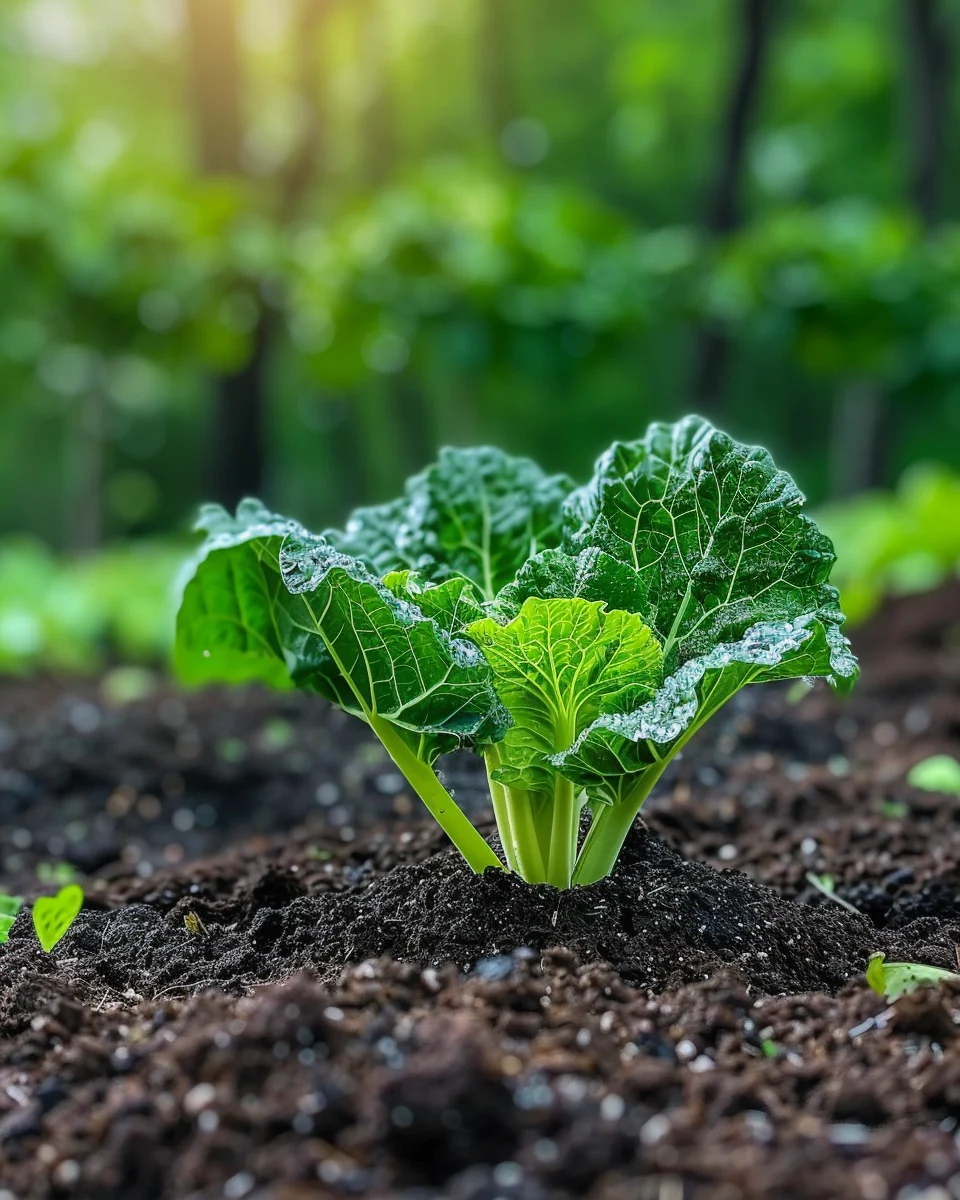
For cool-season spring crops (lettuce, spinach, peas, radishes), plant from early April to early May, either by direct sowing or transplanting seedlings started indoors 6-8 weeks earlier.
For warm-season crops (tomatoes, peppers, squash, beans), plant from mid-May to early June after soil has warmed and all danger of frost has passed.
For fall harvests, plant a second round of cool-season crops in July and August. Carrots, beets, and kale can be planted in mid-July, while lettuce and spinach can go in during August for harvest before the first hard freeze.
Consider starting heat-loving crops indoors 6-8 weeks before transplanting to maximize the relatively short growing season in Zone 5.
Best vegetable varieties to grow in zone 5
- Tomatoes – ‘Early Girl’ or ‘Celebrity’: Determinate varieties that mature quickly (60-70 days) to ensure harvest before first frost.
- Beans – ‘Provider’ or ‘Blue Lake’: Cold-tolerant varieties that produce heavily in Zone 5’s moderate summer temperatures.
- Carrots – ‘Napoli’ or ‘Mokum’: Fast-maturing varieties (55-60 days) with excellent cold tolerance for early spring and late fall harvests.
- Kale – ‘Winterbor’ or ‘Red Russian’: Extremely cold-hardy varieties that can survive light freezes and even improve in flavor after frost.
- Cucumbers – ‘Northern Pickling’ or ‘Marketmore 76’: Quick-maturing varieties well-adapted to shorter growing seasons.
- Lettuce – ‘Winter Density’ or ‘Black Seeded Simpson’: Cold-tolerant varieties resistant to bolting in fluctuating spring temperatures.
- Peas – ‘Alaska’ or ‘Wando’: Early-maturing varieties that tolerate cool soil and produce before summer heat arrives.
How to plant vegetables in zone 5
Materials needed:
- Quality vegetable seeds or transplants
- Compost or aged manure
- Balanced organic fertilizer
- Garden tools (spade, rake, hoe, trowel)
- Row covers or cloches for frost protection
- Mulch (straw, leaves, or wood chips)
- Watering equipment
- Garden plan or layout
Step-by-step planting process:
- Prepare your garden bed when soil is workable in spring, typically by mid-April in Zone 5.
- Test soil pH and amend to achieve the ideal range (6.0-7.0) for most vegetables.
- Incorporate 2-3 inches (5-7.5 cm) of compost or aged manure to improve soil structure and fertility.
- Create a planting schedule based on frost dates (typically May 15 for last spring frost and October 1 for first fall frost).
- Direct sow cool-season crops like peas, radishes, and spinach in early spring when soil temperature reaches 40°F (4°C).
- Start warm-season crops indoors 6-8 weeks before transplanting date to maximize the growing season.
- Transplant warm-season vegetables after danger of frost has passed, typically late May in Zone 5.
- Space plants according to variety requirements, allowing for proper air circulation.
- Water thoroughly after planting to establish good soil contact with roots or seeds.
- Apply mulch to conserve moisture and suppress weeds, keeping it 1-2 inches (2.5-5 cm) away from plant stems.
How to grow vegetables in zone 5
Sunlight requirements: Most vegetables need 6-8 hours of direct sunlight daily. In Zone 5, south-facing garden beds maximize sun exposure during the shorter growing season. For leafy greens, partial shade can be beneficial during the hottest part of summer.
Watering schedule: Provide 1-1.5 inches (2.5-3.8 cm) of water weekly, adjusting for rainfall. Water deeply and less frequently to encourage deep root growth. Morning watering is best to reduce disease pressure.
Fertilizing: Apply balanced organic fertilizer (like 5-5-5) at planting time. Side-dress heavy feeders like tomatoes and corn with compost or organic fertilizer when plants begin to flower. Avoid high-nitrogen fertilizers late in the season, which can reduce cold hardiness.
Mulching: Apply 2-3 inches (5-7.5 cm) of organic mulch after soil has warmed to conserve moisture, suppress weeds, and moderate soil temperature fluctuations common in Zone 5.
Season extension: Use row covers, cold frames, or hoop houses to extend your growing season by 2-4 weeks on either end. These protective measures can help you start earlier in spring and continue harvesting later into fall.
Container growing: For small spaces or patios, use containers at least 12 inches (30 cm) deep. Choose determinate varieties for tomatoes, bush varieties for cucumbers and zucchini, and dwarf varieties for peppers. Containers may need more frequent watering and protection from temperature extremes.
Caring for vegetables in zone 5
Ongoing maintenance: Monitor for pests weekly, thin seedlings as needed, and remove weeds promptly. Provide support for climbing plants like peas, beans, and tomatoes early in their growth.
Common pests and diseases:
- Cabbage worms: Handpick or use Bt (Bacillus thuringiensis) for organic control.
- Cucumber beetles: Use floating row covers until flowering; apply neem oil as needed.
- Tomato blight: Provide good air circulation, avoid wetting foliage, and apply copper fungicide preventatively.
- Powdery mildew: Common in Zone 5’s humid summers; apply milk spray (1:9 ratio with water) or neem oil.
Harvest timing: Harvest most vegetables in the morning when temperatures are cool. Pick leafy greens regularly to encourage continued production. Root vegetables can be left in the ground longer in fall, as light frosts often improve their flavor.
Storage basics: Cool-season crops like carrots, beets, and cabbage can be stored in a root cellar or refrigerator for weeks to months. Many Zone 5 gardeners extend their harvest by canning, freezing, or dehydrating summer produce for winter use.
Understanding bolting in vegetables
Bolting occurs when vegetable plants prematurely produce flowering stems and set seed, making the leaves bitter and tough. In Zone 5, this is particularly common with cool-season crops like lettuce, spinach, and cilantro when temperatures rise quickly in late spring.
Common triggers for bolting:
- Sudden temperature increases above 80°F (27°C)
- Longer daylight hours (photoperiod sensitivity)
- Drought stress or inconsistent watering
- Root disturbance during transplanting
Prevention strategies:
- Plant bolt-resistant varieties labeled for heat tolerance
- Provide afternoon shade for cool-season crops in late spring
- Maintain consistent soil moisture
- Use succession planting every 2-3 weeks for continuous harvests
- Time plantings to mature during cooler weather
If bolting begins, harvest immediately for best flavor. Some bolted greens like arugula and mustard can still be used in small quantities for their stronger flavor.
Why does vegetable growth turn bitter?
- Heat stress: Temperatures above 85°F (29°C) can cause bitterness, especially in lettuce and cucumbers. Solution: Provide afternoon shade or use row covers.
- Bolting: When plants begin to flower, they divert energy from leaf production to seed production, causing bitterness. Solution: Harvest before flowering begins.
- Water stress: Inconsistent watering can trigger defense mechanisms that increase bitter compounds. Solution: Maintain even soil moisture with regular watering and mulch.
- Variety selection: Some varieties naturally contain more bitter compounds. Solution: Choose varieties bred for reduced bitterness.
- Age: Vegetables left too long in the garden often develop bitterness. Solution: Harvest at optimal maturity; don’t wait too long.
Companion planting for vegetables in zone 5
Beneficial companions:
- Tomatoes + Basil: Basil repels tomato hornworms and improves tomato flavor.
- Carrots + Onions: Onion family plants deter carrot flies with their strong scent.
- Cabbage + Aromatic herbs (thyme, mint): These herbs confuse and repel cabbage moths.
- Cucumbers + Nasturtiums: Nasturtiums deter cucumber beetles and attract pollinators.
- Beans + Marigolds: Marigolds deter bean beetles and nematodes while adding color to the garden.
Plants to keep separated:
- Potatoes + Tomatoes: Both are in the nightshade family and share diseases and pests.
- Beans + Onions/Garlic: Alliums can stunt bean growth.
- Brassicas (cabbage, broccoli) + Strawberries: They compete for similar nutrients and can inhibit each other’s growth.
Seasonal calendar
March:
- Start seeds indoors: tomatoes, peppers, eggplants, broccoli, cabbage
- Prepare garden beds when soil is workable
- Apply compost and amendments based on soil test results
April:
- Direct sow cold-hardy crops: peas, spinach, radishes, lettuce
- Transplant cold-tolerant seedlings: broccoli, cabbage, kale
- Set up season extension devices like cold frames or row covers
May:
- Direct sow beets, carrots, and Swiss chard after soil warms
- After last frost (mid-May): transplant tomatoes, peppers, and other warm-season crops
- Direct sow beans, cucumbers, and summer squash late in month
June:
- Direct sow succession plantings of beans and summer lettuce
- Mulch all beds to retain moisture during summer heat
- Begin regular fertilization schedule for heavy feeders
July:
- Harvest early crops; replant with quick-maturing varieties
- Direct sow fall crops: carrots, beets, turnips
- Monitor for pests and diseases during peak summer heat
August:
- Direct sow fall greens: lettuce, spinach, kale, arugula
- Begin harvesting main-season crops
- Prepare for potential early frosts with row covers on hand
September:
- Harvest warm-season crops before first frost
- Protect cold-hardy crops for extended harvest
- Plant garlic and shallots for next year’s harvest
October:
- Harvest remaining crops before hard freeze
- Clean up garden beds and add compost
- Plant cover crops in empty beds
Problems & solutions
| Problem | Quick Fix |
|---|---|
| Late spring frost threatens seedlings | Cover plants with row covers, cloches, or even bedsheets overnight; water soil before freezing temperatures for heat retention. |
| Short growing season for heat-loving crops | Choose short-season varieties; use black plastic mulch to warm soil; use wall-o-water or similar protection for early planting. |
| Heavy clay soil common in Zone 5 | Add compost annually; consider raised beds for better drainage; use cover crops in fall to improve soil structure. |
| Fluctuating spring temperatures | Harden off transplants properly; use season extension devices; avoid planting too early despite occasional warm days. |
| Early fall frosts damaging crops | Monitor weather forecasts; have row covers ready; harvest sensitive crops when frost threatens. |
| Pest pressure from short rotation | Implement 3-4 year crop rotation plan; interplant with pest-repelling companions; use floating row covers for vulnerable crops. |
Common questions about growing vegetables in zone 5
Q: When is it safe to plant tomatoes in Zone 5?
A: Transplant tomatoes outdoors after the last frost date, typically mid-to-late May in Zone 5. For earlier harvests, start seeds indoors 6-8 weeks before transplanting or use protective devices like wall-o-waters.
Q: How can I extend my growing season in Zone 5?
A: Use cold frames, row covers, or hoop houses to protect plants from early fall and late spring frosts. Black plastic mulch can warm soil earlier in spring. Choose cold-hardy varieties for early spring and late fall harvests.
Q: What vegetables can I plant in containers in Zone 5?
A: Most vegetables can grow in containers if given adequate space. Good options include determinate tomatoes, peppers, lettuce, spinach, radishes, and herbs. Use containers at least 12 inches (30 cm) deep and move them to protected areas during extreme weather.
Q: How often should I water my vegetable garden in Zone 5?
A: Most vegetables need 1-1.5 inches (2.5-3.8 cm) of water weekly. In spring and fall, you may need to water less frequently, while summer heat might require more regular watering. Always check soil moisture before watering.
Q: Can I grow warm-season vegetables like watermelons and sweet potatoes in Zone 5?
A: Yes, but choose short-season varieties and use season-extension techniques. Start them indoors early, use black plastic mulch to warm soil, and be prepared to protect plants from late spring and early fall frosts.
Q: What’s the best way to prepare my vegetable garden for winter in Zone 5?
A: Clean up all plant debris to prevent disease carryover, add compost to beds, plant cover crops or mulch empty beds, and consider a soil test to determine amendment needs for spring. Fall is also the perfect time to plant garlic for next year’s harvest.
Q: How do I prevent my leafy greens from bolting in late spring?
A: Choose bolt-resistant varieties, provide afternoon shade as temperatures rise, ensure consistent watering, use succession planting every 2-3 weeks, and harvest outer leaves regularly to extend production before plants bolt.