
How to Grow Vegetables in Rainy Climates: When to Plant, Best Varieties & Care Tips
Intro for growing vegetables in rainy climates
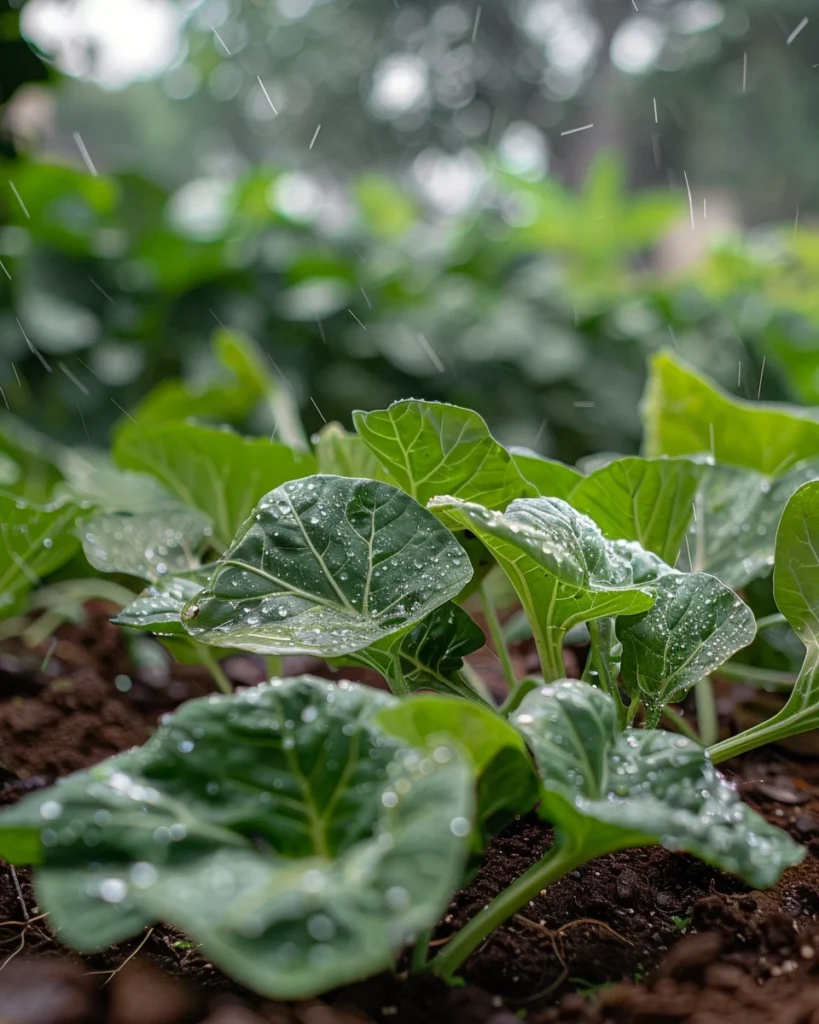
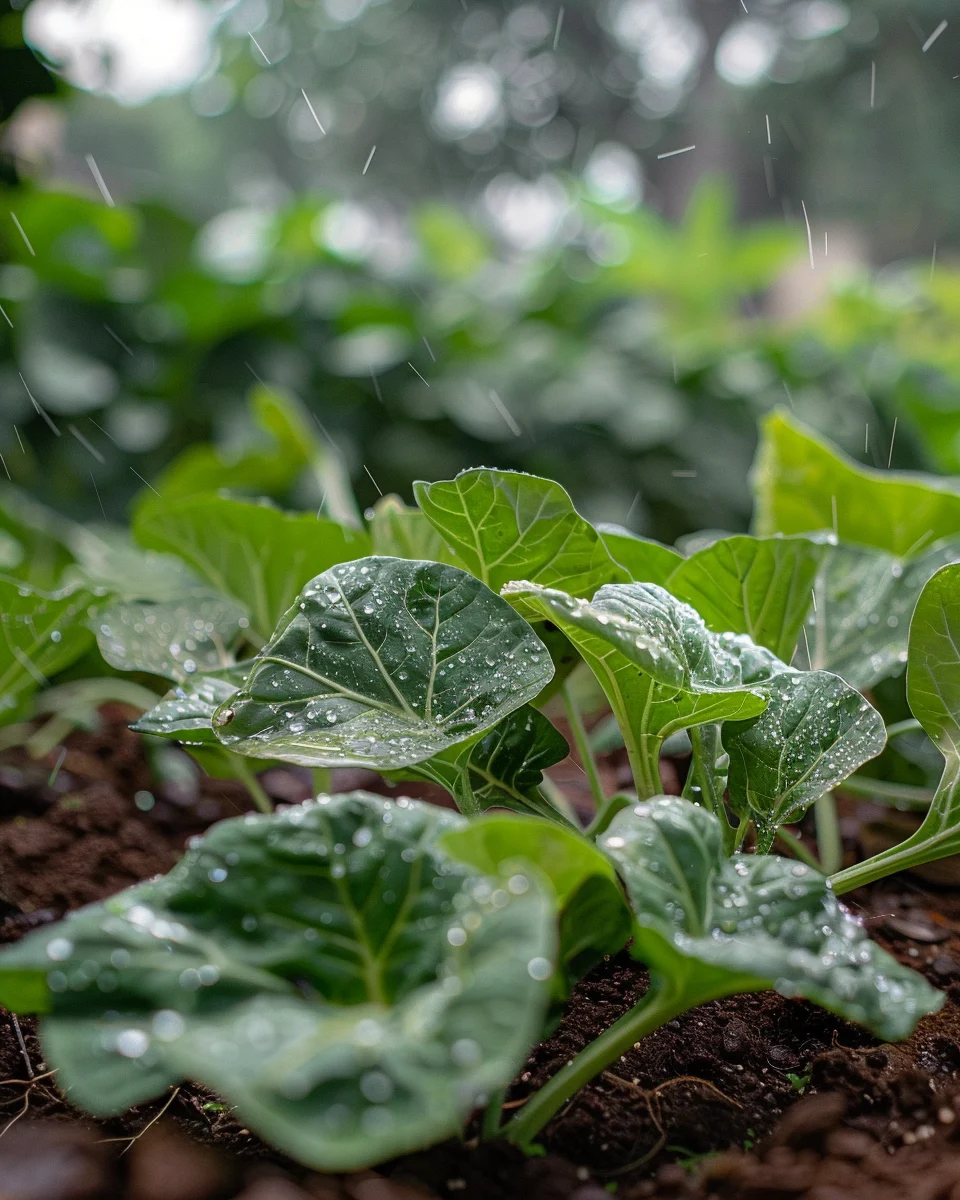
Growing vegetables in rainy climates presents unique challenges but can yield abundant harvests with the right approach. Excessive moisture can lead to fungal diseases, soil nutrient leaching, and poor root development, but these challenges can be overcome with proper planning. Rainy regions often have the benefit of reduced watering needs and naturally moist soil that many vegetables appreciate. With raised beds, proper drainage, and strategic variety selection, gardeners in wet climates from the Pacific Northwest to the UK can produce thriving vegetable gardens that take advantage of the natural precipitation while minimizing its drawbacks.
When to plant vegetables in rainy climates
In rainy climates, timing is crucial. Wait until soil temperatures reach at least 10°C (50°F) and can be worked without forming mud balls. Spring planting should occur after the heaviest rainfall periods have passed but with enough time before summer heat arrives. For cool-season crops like leafy greens, peas, and brassicas, early spring and late summer/early fall plantings work well. Warm-season crops like tomatoes and peppers should be planted after all danger of frost has passed and when rain patterns become more predictable, typically late spring to early summer.
Best time to plant vegetables in rainy climates
For cool temperate rainy regions (UK, Pacific Northwest, New Zealand):
• February-March: Start cold-hardy vegetables like kale, spinach, and peas under protection
• April-May: Direct sow root vegetables and transplant brassicas
• May-June: Plant warm-season crops after soil has warmed and heaviest spring rains have subsided
• August-September: Plant fall/winter crops like garlic, overwintering onions, and hardy greens
For warmer rainy regions (Southeast US, subtropical areas):
• January-February: Plant cool-season crops
• March-April: Transition to warm-season vegetables
• September-October: Plant fall garden with cool-season crops
Best vegetable varieties to grow in rainy climates
- Greens Mix ‘Wet & Wild’ – Specially bred blend of lettuces and Asian greens with resistance to downy mildew and other moisture-related diseases
- Tomato ‘Stupice’ – Early-maturing, cold-tolerant variety that produces before late blight becomes problematic in wet conditions
- Kale ‘Winterbor’ – Extremely hardy with excellent resistance to wet conditions and foliar diseases
- Bean ‘Provider’ – Reliable bush bean that germinates well in cool, wet soil and resists common bean diseases
- Potato ‘Elba’ – Exceptional blight resistance makes it perfect for rainy regions
- Carrot ‘Bolero’ – Disease-resistant variety that performs well in heavy soils common in rainy areas
- Broccoli ‘Arcadia’ – Downy mildew resistant with excellent performance in wet conditions
- Swiss Chard ‘Bright Lights’ – Tolerates excessive moisture while adding vibrant color to rainy gardens
How to plant vegetables in rainy climates
Materials needed:
- Raised bed materials (wood, stone, or composite)
- Well-draining soil mix with compost
- Perlite or coarse sand for drainage
- Row covers or cloches
- Mulch materials (straw, wood chips)
- Vegetable seeds or transplants
- Trowel and garden fork
- Soil thermometer
Step-by-step planting:
- Create raised beds at least 20-30 cm (8-12 inches) high to improve drainage and prevent waterlogging.
- Mix existing soil with compost, perlite, and coarse sand to create a well-draining growing medium.
- Install drainage channels or French drains around garden beds if your site has standing water issues.
- Wait for a relatively dry spell to prepare beds and plant (2-3 days without heavy rain is ideal).
- For direct seeding, create furrows at the recommended depth for each vegetable type, typically 2-3 times the seed diameter.
- Space seeds according to packet instructions, but lean toward the wider spacing recommendations to improve air circulation.
- Cover seeds lightly with soil and tamp gently – avoid compacting wet soil.
- For transplants, dig holes twice as wide as the root ball and at the same depth as the original container.
- Add a handful of compost to each planting hole to improve drainage and provide nutrients.
- Consider using cloches or row covers to protect newly planted areas from heavy downpours.
How to grow vegetables in rainy climates
Sunlight is precious in rainy climates, so choose the sunniest location available. Most vegetables need at least 6 hours of direct sunlight, though leafy greens can manage with 4-5 hours. In rainy conditions, watering is less frequent but still necessary during dry spells – check soil moisture by inserting your finger 2.5 cm (1 inch) into the soil; water only when it feels dry at this depth.
Fertilize more frequently than in drier climates, as rain leaches nutrients from soil. Apply balanced organic fertilizer every 4-6 weeks during the growing season. Use slow-release fertilizers that won’t wash away as easily. Mulch is essential – apply a 5-7.5 cm (2-3 inch) layer of straw, wood chips, or leaf mold around plants, keeping it from touching stems to prevent rot.
For container growing, use pots with multiple drainage holes and elevate them on pot feet or bricks. Choose containers at least 30 cm (12 inches) deep for most vegetables. Use a high-quality potting mix with added perlite or vermiculite for drainage. Consider growing under eaves or on covered porches to control moisture levels.
Caring for vegetables in rainy climates
Regular maintenance is crucial in rainy conditions. Remove lower leaves that touch the soil to prevent disease spread. Prune for better air circulation, especially with tomatoes and cucumbers. Stake or trellis vining crops to keep fruit off wet ground. After heavy rains, check for and remove any damaged or diseased foliage.
Common pests in wet climates include slugs and snails – control with iron phosphate baits, copper tape barriers, or beer traps. For fungal diseases like powdery mildew and late blight, apply preventative organic fungicides containing copper or potassium bicarbonate before problems appear. Rotate crops annually to prevent soil-borne disease buildup.
Harvest vegetables during dry periods when possible. Pick leafy greens and fruiting vegetables frequently to encourage production and reduce disease pressure. Store harvested produce in a cool, dry place after gently removing excess moisture – never wash produce before storage in rainy climates.
Understanding bolting in vegetables in rainy climates
Bolting occurs when vegetable plants prematurely produce flowers and seeds instead of edible growth. In rainy climates, bolting can be triggered by sudden temperature fluctuations, especially when cool, rainy periods are followed by warm, sunny days. Stress from waterlogged soil can also contribute to early bolting. Leafy greens like lettuce, spinach, and cilantro are particularly susceptible.
To prevent bolting, choose bolt-resistant varieties specifically bred for variable conditions. Provide consistent soil moisture rather than allowing cycles of flooding and drying. Use row covers to moderate temperature fluctuations. Plant cool-season crops early enough to mature before summer heat arrives or late enough for fall harvests.
If bolting begins, harvest immediately for the best flavor. With some vegetables like kale and chard, you can cut the flowering stalk to encourage more leaf production, though flavor may be affected.
Why does vegetable growth suffer in rainy climates?
- Nutrient leaching: Excessive rain washes away nutrients – apply small, frequent doses of fertilizer and use slow-release options
- Root rot: Constantly wet soil leads to oxygen deprivation and fungal growth – improve drainage with raised beds and coarse amendments
- Reduced pollination: Pollinators are less active in rain – hand-pollinate fruiting vegetables during dry periods
- Fungal diseases: High humidity promotes pathogen growth – increase spacing between plants and prune for better air circulation
- Soil compaction: Heavy rain compacts soil – add organic matter regularly and avoid walking on garden beds
Companion planting for vegetables in rainy climates
Good companions:
- Nasturtiums – Repel aphids and whiteflies that thrive in humid conditions
- Marigolds – Their root exudates help control nematodes that proliferate in wet soils
- Garlic and onions – Natural fungicides that help protect neighboring plants from moisture-related diseases
- Borage – Attracts pollinators during brief dry periods and adds trace minerals to the soil
- Calendula – Repels soil pests and its roots help improve drainage in clay soils
Avoid planting near:
- Dense, sprawling plants (like squash near tomatoes) – Reduces air circulation and increases disease risk
- Moisture-loving herbs (like basil) near drought-tolerant Mediterranean herbs – Creates conflicting water needs
- Plants with similar disease susceptibilities – Prevents rapid spread of pathogens during wet periods
Seasonal calendar
January-February: Plan garden layout, order seeds, prepare raised beds with drainage improvements, start onions and leeks indoors
March-April: Direct sow peas, radishes, and spinach under cloches, start warm-season crops indoors, apply slow-release fertilizer to beds
May-June: Transplant warm-season crops after soil warms, direct sow beans and root vegetables, mulch heavily around established plants
July-August: Maintain vigilant disease monitoring, harvest summer crops frequently, start fall crops indoors, apply mid-season fertilizer
September-October: Plant garlic and overwintering onions, sow cover crops in empty beds, harvest and store root vegetables
November-December: Protect perennial vegetables with mulch, clean and store tools, add organic matter to beds, review season notes
Problems & solutions
| Problem | Quick Fix |
|---|---|
| Waterlogged soil | Create raised beds with 30% coarse sand or perlite mixed into soil |
| Fungal leaf diseases | Remove affected leaves, improve air circulation, apply organic copper fungicide |
| Slugs and snails | Apply iron phosphate bait, create copper tape barriers, set beer traps |
| Nutrient deficiency from leaching | Apply water-insoluble organic fertilizers and foliar feeds during dry periods |
| Poor pollination | Hand-pollinate tomatoes and squash with a small brush during dry spells |
| Soil splashing onto leaves | Apply 5-7.5 cm (2-3 inch) mulch layer around plants but not touching stems |
| Seeds rotting before germination | Start seeds indoors or under cover, plant at minimum soil depth |
Common questions about growing vegetables in rainy climates
Q: How often should I water vegetables in a rainy climate?
A: Monitor soil moisture rather than following a schedule. In periods without rain, water only when the top 2.5 cm (1 inch) of soil feels dry. During rainy seasons, you may not need to water at all unless growing in containers under cover.
Q: What vegetables grow best in containers in rainy areas?
A: Leafy greens, bush beans, determinate tomatoes, peppers, and herbs perform well in containers. Use pots at least 30 cm (12 inches) deep with multiple drainage holes and position them where you can control water exposure.
Q: How can I improve drainage in my vegetable garden?
A: Create raised beds 20-30 cm (8-12 inches) high, incorporate 30% coarse material like perlite or sand into your soil, install French drains around garden perimeters, and maintain paths between beds to channel water away.
Q: Can I grow tomatoes successfully in a rainy climate?
A: Yes, choose early-maturing, disease-resistant varieties like ‘Stupice’ or ‘Defiant’. Grow them under cover when possible, prune for excellent air circulation, and use preventative copper sprays before disease appears.
Q: How do I prevent my seeds from rotting in wet soil?
A: Start seeds indoors or under cover, wait for a dry spell to direct sow, plant at minimum recommended depth, and cover seed rows with vermiculite or very light soil to improve drainage around seeds.
Q: What’s the best mulch to use in rainy vegetable gardens?
A: Coarse mulches like straw or wood chips that allow water to pass through while suppressing weeds work best. Avoid fine mulches like grass clippings that can form impermeable mats when wet.
Q: How far apart should I space vegetables in rainy conditions?
A: Increase standard spacing recommendations by 25-50% to improve air circulation. For example, if tomatoes are typically spaced 45 cm (18 inches) apart, plant them 60-70 cm (24-28 inches) apart in rainy regions.