
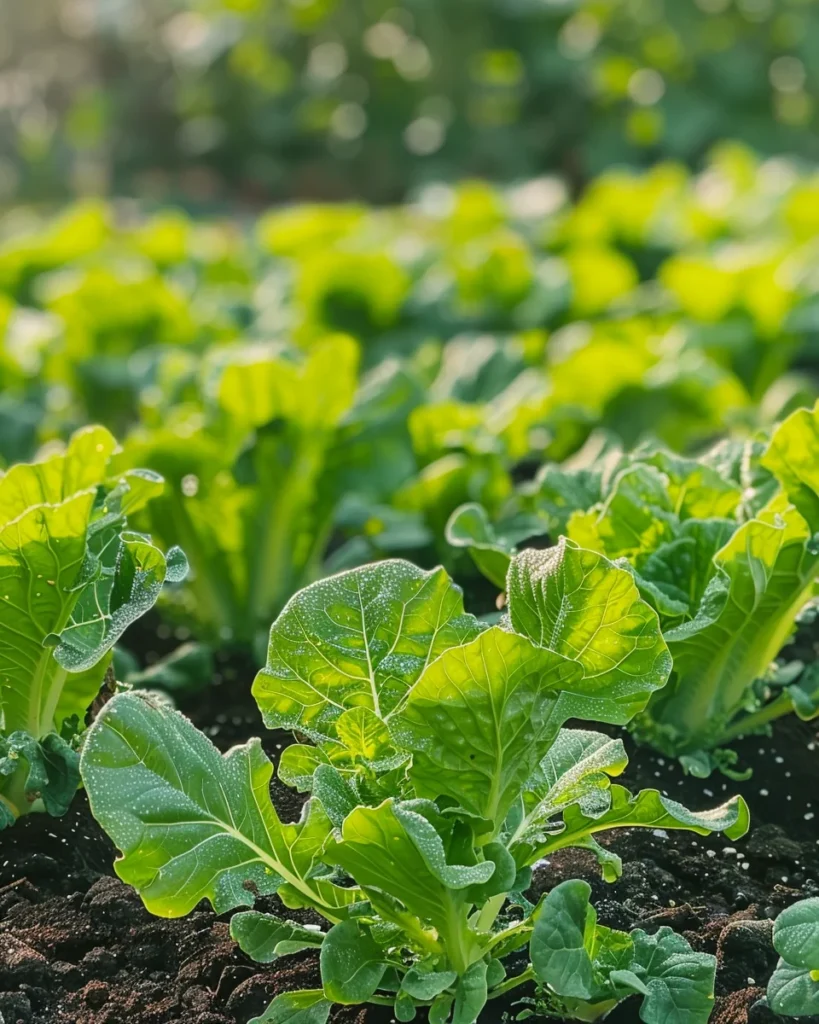
How to Grow Vegetables in Full Sun: When to Plant, Best Varieties & Care Guide
Intro for how to grow vegetables in full sun
Full-sun vegetable gardening offers the most abundant harvests and widest variety of crops to grow. Most productive vegetables require at least 6-8 hours of direct sunlight daily to develop properly, produce high yields, and develop their best flavors. A full-sun garden location gives you the opportunity to grow everything from tomatoes and peppers to squash, beans, and corn. While some vegetables can tolerate partial shade, dedicating a sunny spot to your vegetable garden will maximize your growing potential and provide the ideal environment for heat-loving crops that simply won’t thrive without adequate sunlight.
When to plant how to grow vegetables in full sun
The timing for planting full-sun vegetables depends on both the specific crop and your climate. In general temperate regions, plant cool-season crops (lettuce, spinach, peas) when soil temperatures reach 5-10°C (40-50°F) in early spring, often 2-4 weeks before your last frost date. Warm-season vegetables (tomatoes, peppers, cucumbers) should be planted when soil temperatures consistently reach 15-18°C (60-65°F) and all danger of frost has passed.
In Mediterranean or warm climates, you may be able to grow cool-season crops during winter months and warm-season crops from spring through fall. Northern gardeners with shorter growing seasons should start heat-loving crops indoors 6-8 weeks before transplanting outside to maximize the growing period.
Best time to plant how to grow vegetables in full sun
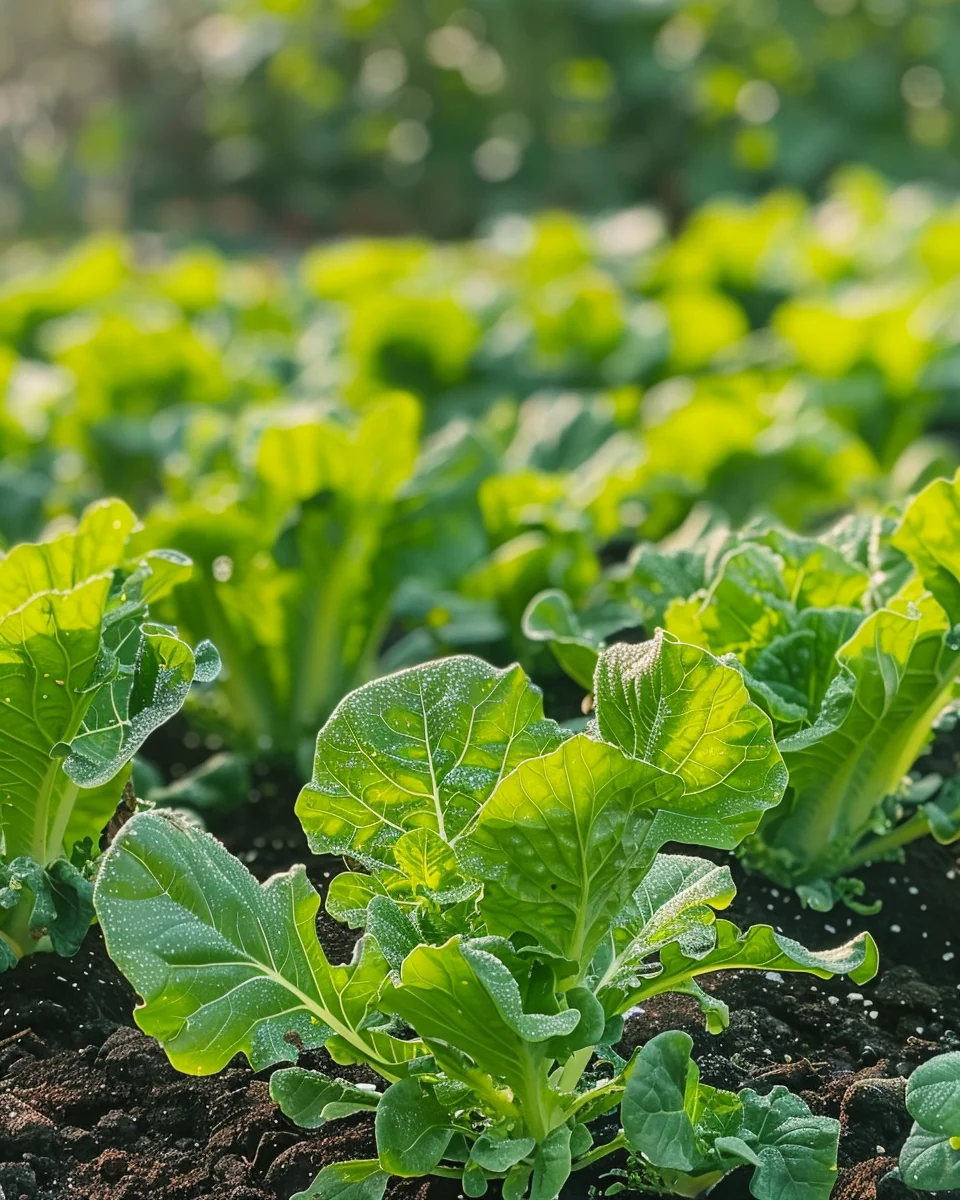
For cool temperate regions (UK, Northern US, Canada):
March-April: Direct sow peas, radishes, spinach, carrots
May-June: Transplant tomatoes, peppers, eggplant; direct sow beans, corn, cucumbers
July: Direct sow quick-maturing crops for fall harvest
August-September: Plant fall crops of spinach, lettuce, radishes
For warm temperate regions (Southern US, Mediterranean):
February-March: Direct sow early vegetables; transplant cool-season crops
April-May: Transplant warm-season vegetables
August-September: Plant fall/winter garden
October-November: Plant overwintering crops in mild areas
Best how to grow vegetables in full sun varieties to grow
- Tomato ‘Sun Gold’ – Exceptionally sweet cherry tomato that thrives in hot conditions and produces abundant fruit.
- Pepper ‘California Wonder’ – Classic bell pepper that develops best flavor and color with maximum sunlight exposure.
- Eggplant ‘Black Beauty’ – Traditional variety that requires full sun to develop proper size and glossy skin.
- Zucchini ‘Black Beauty’ – Prolific producer that converts sunlight into rapid growth and high yields.
- Bush Bean ‘Provider’ – Heat-tolerant variety that produces consistently even during summer’s hottest periods.
- Cucumber ‘Marketmore 76’ – Disease-resistant slicing cucumber that maintains sweetness even in full summer sun.
- Sweet Corn ‘Honey Select’ – Award-winning variety that needs maximum sunlight for proper sugar development.
- Okra ‘Clemson Spineless’ – Heat-loving southern favorite that actually performs better as temperatures rise.
How to plant how to grow vegetables in full sun
Materials needed:
- Garden spade or tiller
- Compost or aged manure
- Balanced organic fertilizer
- Seeds or transplants
- Watering can or hose with spray nozzle
- Mulch (straw, wood chips, or compost)
- Plant markers
Step-by-step planting:
- Select a site that receives at least 6-8 hours of direct sunlight daily, preferably with morning sun exposure.
- Test soil pH and amend if necessary to reach 6.0-7.0, the ideal range for most vegetables.
- Prepare soil by removing weeds and incorporating 5-7 cm (2-3 inches) of compost to improve drainage and fertility.
- Create planting rows or beds oriented north-to-south to maximize sun exposure for all plants.
- Follow seed packet instructions for proper spacing between plants and rows (generally 30-90 cm/12-36 inches depending on the vegetable).
- Plant seeds at the appropriate depth (usually 2-3 times the diameter of the seed) or transplant seedlings at the same depth they were growing in containers.
- Water thoroughly after planting, applying water at the base of plants rather than overhead.
- Apply 5-7 cm (2-3 inches) of mulch around plants, keeping it away from stems to prevent rot.
- Install supports for climbing vegetables like tomatoes, cucumbers, and beans at planting time to avoid disturbing roots later.
How to grow how to grow vegetables in full sun
Sunlight: Position your garden to maximize sunlight exposure, especially morning sun which dries dew quickly and reduces disease issues. Most fruiting vegetables need 8+ hours of direct sun, while root vegetables can manage with 6 hours.
Watering: Full-sun gardens require consistent moisture, especially during hot weather. Water deeply 1-2 times weekly (providing 2.5 cm/1 inch of water) rather than frequent shallow watering. Consider drip irrigation to conserve water and reduce leaf diseases.
Fertilizing: Apply balanced organic fertilizer (like 5-5-5) at planting time. Side-dress heavy feeders (tomatoes, corn) with additional fertilizer when flowering begins. Avoid high-nitrogen fertilizers in hot weather as they can promote foliage at the expense of fruit.
Mulching: Essential in full-sun gardens to conserve moisture, suppress weeds, and moderate soil temperature. Apply 5-7 cm (2-3 inches) of organic mulch like straw or shredded leaves.
Thinning/Pruning: Thin direct-seeded crops according to packet instructions. For tomatoes, remove suckers to improve air circulation and focus energy on fruit production.
Staking/Trellising: Support vining crops like tomatoes, cucumbers, and beans to maximize space and improve air circulation. Install supports at planting time to avoid root damage later.
Container growing: Use containers at least 30 cm (12 inches) deep for most vegetables. Choose light-colored containers in very hot regions to prevent root overheating. Water container vegetables more frequently, often daily during hot weather.
Caring for how to grow vegetables in full sun
Ongoing tasks: Monitor soil moisture daily during hot weather. Harvest regularly to encourage continued production. Remove any diseased or yellowing leaves promptly. Provide afternoon shade using shade cloth during extreme heat waves (above 35°C/95°F).
Pests & diseases:
- Aphids – Tiny insects that cluster on new growth; spray with strong water stream or insecticidal soap.
- Powdery mildew – White powdery coating on leaves; improve air circulation and apply neem oil.
- Tomato hornworms – Large green caterpillars; handpick and remove or use Bt (Bacillus thuringiensis).
- Squash bugs – Shield-shaped brown bugs; remove egg clusters from leaf undersides and use row covers.
Organic controls: Introduce beneficial insects like ladybugs and lacewings. Practice crop rotation to prevent soil-borne diseases. Use companion planting (marigolds, basil, nasturtiums) to deter pests naturally.
Harvest timing: Harvest most vegetables in the morning when temperatures are cooler and moisture content is highest. Pick frequently to encourage continued production. For tomatoes, peppers, and eggplants, wait until fruits reach full color for best flavor.
Storage basics: Root vegetables store best in cool, humid conditions (1-4°C/34-40°F). Tomatoes should never be refrigerated as it diminishes flavor. Most leafy greens keep best when washed, dried, and stored in the refrigerator in perforated plastic bags.
Understanding bolting in how to grow vegetables in full sun
Bolting is when a vegetable plant prematurely produces flowers and seeds instead of the edible portions we want to harvest. This natural survival mechanism is triggered when plants sense threatening conditions. In full-sun gardens, bolting is a common challenge, especially with leafy greens and herbs.
Common triggers for bolting:
- Heat stress – Temperatures consistently above 27°C (80°F)
- Long daylight hours (photoperiod) – More than 14 hours of light
- Root disturbance during transplanting
- Drought stress or inconsistent watering
- Sudden temperature fluctuations
Prevention tactics: Plant heat-sensitive crops (lettuce, spinach, cilantro) in early spring or fall. Choose bolt-resistant varieties. Provide afternoon shade during hot periods. Maintain consistent soil moisture. Apply mulch to keep soil temperatures moderate.
If bolting occurs: Harvest immediately, as flavor will deteriorate rapidly. Remove flowering stems promptly to potentially extend harvest. Consider succession planting of quick-maturing varieties throughout the season. For herbs like cilantro and basil, collect seeds for future planting.
Why does how to grow vegetables in full sun turn bitter?
- Heat stress – Temperatures above 30°C (86°F) trigger bitter compounds; provide afternoon shade or use shade cloth during heat waves.
- Water stress – Inconsistent watering causes plants to produce defensive bitter compounds; maintain even soil moisture with regular deep watering.
- Age – Vegetables harvested past prime maturity develop bitterness; harvest at optimal size and maintain regular picking schedule.
- Bolting – Once flowering begins, bitterness increases rapidly; harvest before flowering stems appear.
- Variety selection – Some varieties naturally develop stronger flavors in heat; choose heat-tolerant varieties specifically bred for summer growing.
Companion planting for how to grow vegetables in full sun
Good companions:
- Tomatoes + Basil – Basil repels tomato hornworms and improves tomato flavor while thriving in the same full-sun conditions.
- Corn + Beans + Squash – The “Three Sisters” method where corn provides support, beans fix nitrogen, and squash leaves shade the soil.
- Cucumbers + Nasturtiums – Nasturtiums deter cucumber beetles and attract pollinators while handling the same sun exposure.
- Peppers + Marigolds – Marigolds repel nematodes and other soil pests while thriving in hot, sunny conditions.
- Carrots + Onions – Onion family plants deter carrot fly, and both crops utilize different soil layers.
Avoid planting near:
- Tomatoes + Potatoes – Related plants that share diseases and compete for nutrients.
- Beans + Onions/Garlic – Alliums can stunt bean growth and interfere with nitrogen fixation.
- Cucumbers + Potatoes – Both are susceptible to similar diseases that can spread between them.
Seasonal calendar
Spring (March-May):
- Prepare soil and add compost
- Direct sow cool-season crops (peas, radishes, carrots)
- Start warm-season seeds indoors
- Transplant seedlings after last frost
- Install supports and irrigation systems
Summer (June-August):
- Harvest spring-planted vegetables
- Maintain regular watering schedule, especially during heat waves
- Apply mulch to conserve moisture
- Side-dress heavy feeders with additional fertilizer
- Monitor for pests and diseases
- Direct sow succession crops of beans and corn
Fall (September-November):
- Plant fall crops of cool-season vegetables
- Harvest summer crops at peak maturity
- Begin garden cleanup as plants finish producing
- Collect seeds from open-pollinated varieties
- Add compost to beds as they are cleared
Winter (December-February):
- Plan next season’s garden
- Order seeds
- In mild climates, grow cold-hardy vegetables
- Apply mulch or cover crops to protect soil
- Clean and repair tools and equipment
Regional adjustments: In hot regions, the main growing season may be fall through spring. In cool regions, extend the season with cold frames or row covers.
Problems & solutions
| Problem | Quick Fix |
|---|---|
| Wilting plants despite adequate water | Provide temporary shade during hottest part of day; mulch heavily to cool soil |
| Sunscald on fruits (white/yellow patches) | Ensure adequate foliage cover; use shade cloth during extreme heat |
| Cracked tomatoes | Maintain consistent watering; harvest fruits slightly before full ripeness during hot periods |
| Stunted growth | Check for root-bound plants; ensure adequate spacing; test soil for nutrient deficiencies |
| Poor fruit set in hot weather | Use varieties bred for heat tolerance; hand-pollinate during cool morning hours |
| Leaf burn/scorching | Provide afternoon shade; ensure proper spacing for air circulation; avoid overhead watering |
| Rapid soil drying | Apply 7-10 cm (3-4 inches) of organic mulch; consider installing drip irrigation |
Common questions about growing how to grow vegetables in full sun
Q: How much water do full-sun vegetables need?
A: Most vegetables need 2.5-5 cm (1-2 inches) of water weekly, either from rainfall or irrigation. In hot weather, increase to 5-7.5 cm (2-3 inches) weekly, dividing into 2-3 deep waterings rather than daily light sprinklings.
Q: Can I grow vegetables in containers in full sun?
A: Yes, but choose containers at least 30-40 cm (12-16 inches) deep with drainage holes. Use light-colored containers to prevent root overheating, and expect to water daily during hot weather. Self-watering containers are excellent for full-sun locations.
Q: What’s the minimum spacing for full-sun vegetables?
A: Proper spacing is crucial in full-sun gardens to allow air circulation. Tomatoes need 45-60 cm (18-24 inches) between plants, peppers 30-45 cm (12-18 inches), and cucumbers 30 cm (12 inches) when trellised. Crowded plants compete for water and nutrients and increase disease risk.
Q: How can I extend the harvest season in my full-sun garden?
A: Use succession planting by sowing quick-maturing crops every 2-3 weeks. Combine early, mid-season, and late varieties of the same vegetable. In fall, add row covers or cold frames to protect from early frosts. In spring, use black plastic to warm soil for earlier planting.
Q: Do I need to provide shade for my vegetables during extreme heat?
A: When temperatures exceed 35°C (95°F), temporary afternoon shade from shade cloth (30-50% density) can prevent stress and sunscald. Focus on protecting leafy greens, cool-season crops, and newly transplanted seedlings, while heat-lovers like peppers and eggplants typically manage well.
Q: How do I know when to harvest my full-sun vegetables?
A: Harvest timing varies by vegetable: tomatoes when fully colored but still firm; cucumbers when bright green before seeds enlarge; zucchini at 15-20 cm (6-8 inches); beans when pods are tender but seeds haven’t bulged. Most vegetables mature faster in full sun than package estimates suggest.
Q: Can I grow any vegetables in full sun, or are some better than others?
A: Fruiting vegetables (tomatoes, peppers, eggplant, cucumbers, squash) and root crops (carrots, beets, onions) thrive in full sun. Leafy greens generally prefer morning sun with afternoon shade, especially in hot climates. Herbs vary—Mediterranean herbs like rosemary and thyme love full sun, while cilantro and parsley benefit from partial afternoon shade.