
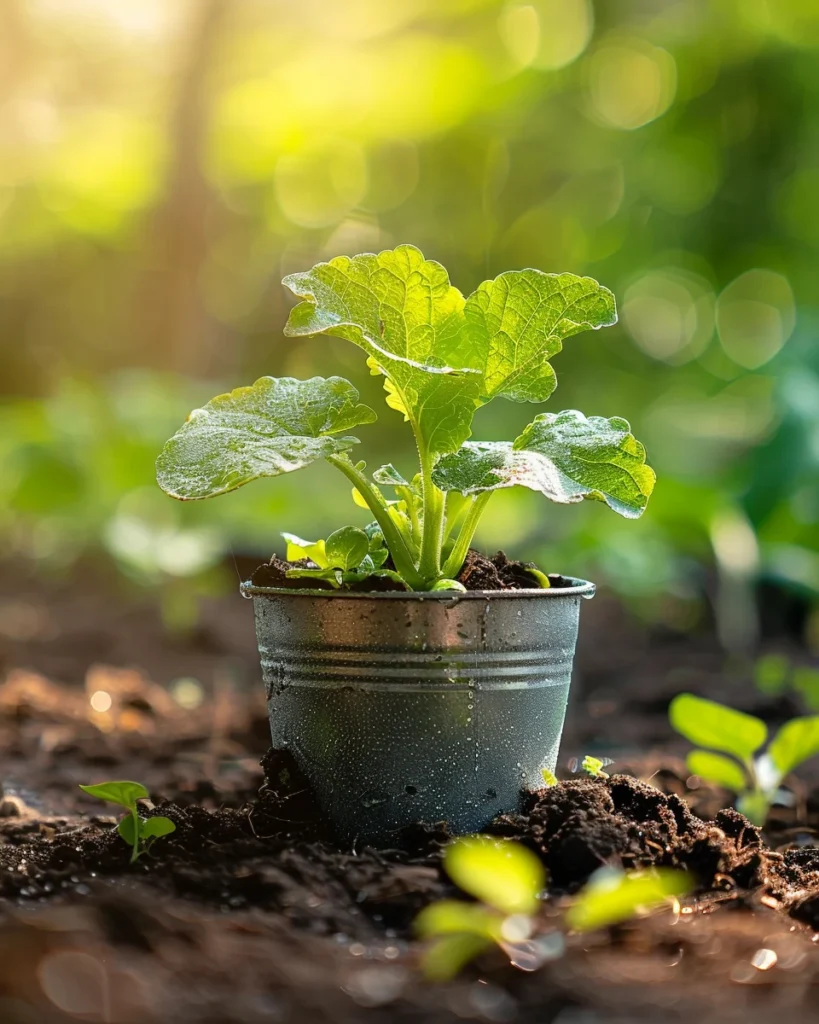
How to Grow Vegetables in Five Gallon Buckets: Space-Saving Solutions for Bountiful Harvests
Intro for growing vegetables in five gallon buckets
Growing vegetables in five gallon buckets is a game-changer for gardeners with limited space or poor soil conditions. This container gardening method offers incredible versatility, allowing you to grow a surprising variety of vegetables virtually anywhere with adequate sunlight. Five gallon buckets are inexpensive, readily available, and provide sufficient room for roots to develop properly. They’re perfect for patios, balconies, driveways, or even indoors near sunny windows. With proper drainage and care, bucket gardening can yield harvests comparable to traditional garden beds while offering the added benefits of mobility, pest control, and extended growing seasons.
When to plant vegetables in five gallon buckets
The beauty of bucket gardening is the flexibility it provides with planting times. Generally, you can start cool-season vegetables (lettuce, spinach, kale) when soil temperatures reach 7-10°C (45-50°F), typically 2-4 weeks before your last spring frost. Warm-season crops like tomatoes, peppers, and cucumbers should wait until soil temperatures are consistently above 15°C (60°F) and all frost danger has passed. In temperate regions, this typically means April-May for cool-season vegetables and May-June for warm-season varieties. Because buckets warm up faster than ground soil, you can often start planting 1-2 weeks earlier than in-ground gardens.
Best time to plant vegetables in five gallon buckets
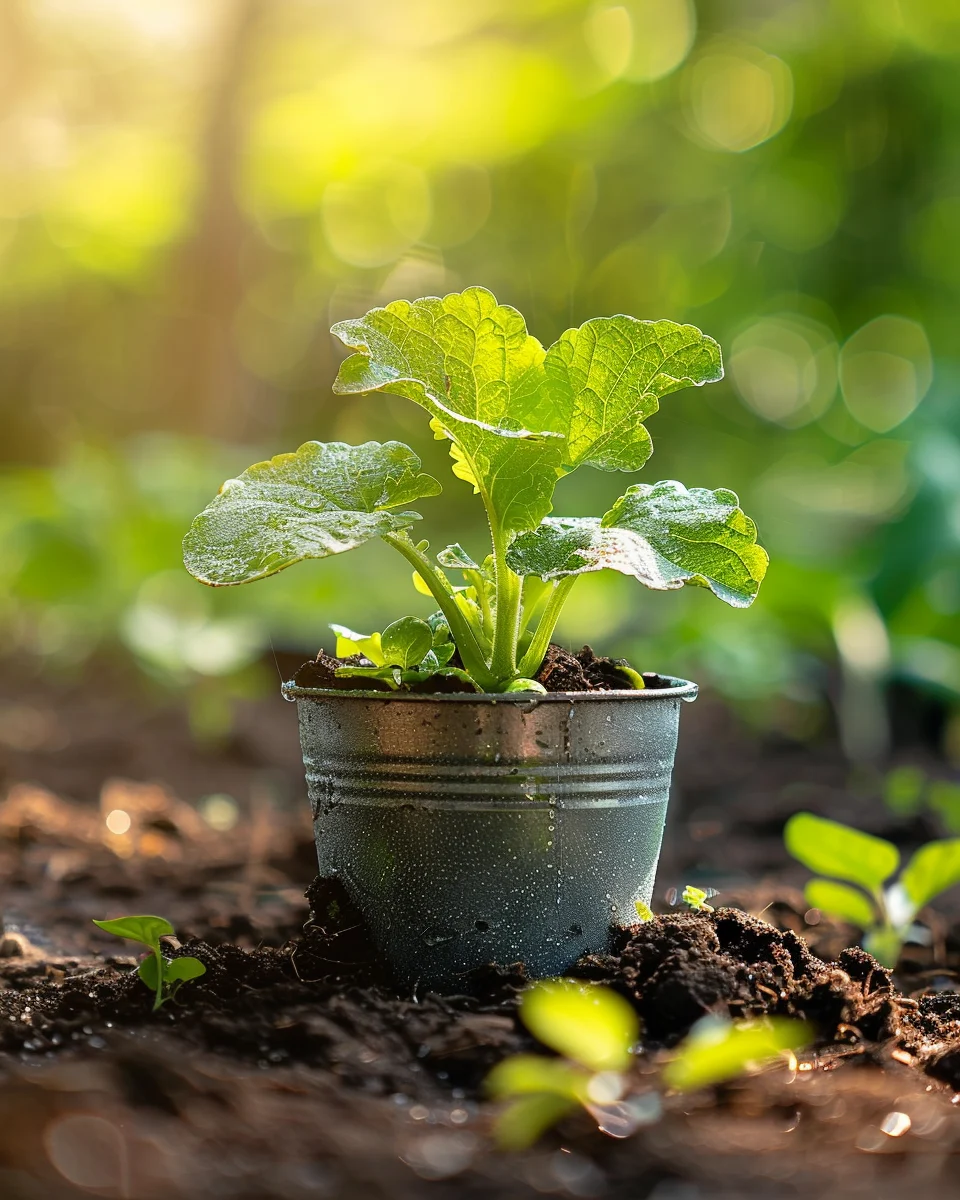
For cool climate regions (US Zones 3-5, UK northern regions), plant cool-season vegetables in buckets from mid-April to early May, and warm-season crops from late May through June. In moderate climates (US Zones 6-8, UK central/southern regions), plant cool-season vegetables from March to early April and again in September, with warm-season crops from mid-April through July. For warm climates (US Zones 9-10, Mediterranean regions), plant cool-season vegetables from September through February, and warm-season crops from March through August. Direct sowing works well for beans, peas, and root vegetables, while tomatoes, peppers, and eggplants benefit from starting indoors 6-8 weeks before transplanting into buckets.
Best vegetables to grow in five gallon buckets
- Bush Tomatoes – Compact varieties like ‘Patio Princess’ or ‘Tiny Tim’ are perfectly sized for buckets and produce abundant fruits.
- Peppers – Both sweet and hot varieties thrive in buckets, with ‘California Wonder’ and ‘Jalapeño’ being particularly container-friendly.
- Zucchini – Bush varieties like ‘Eight Ball’ or ‘Patio Star’ produce well without sprawling excessively.
- Bush Beans – ‘Provider’ and ‘Blue Lake Bush’ varieties yield impressive harvests in the confined space of a bucket.
- Lettuce – Cut-and-come-again varieties like ‘Salad Bowl’ or ‘Lollo Rossa’ allow multiple harvests from a single planting.
- Herbs – Basil, parsley, cilantro, and mint all thrive in buckets and can be kept conveniently near the kitchen.
- Radishes – Fast-growing varieties like ‘Cherry Belle’ mature quickly, allowing for successive plantings throughout the season.
- Swiss Chard – ‘Bright Lights’ offers colorful stems and nutritious leaves that can be harvested continuously.
How to plant vegetables in five gallon buckets
Materials needed: Clean five gallon buckets, drill with 1/2-inch bit, quality potting mix (not garden soil), compost, slow-release organic fertilizer, seeds or seedlings, watering can, and optional landscape fabric for drainage.
- Clean buckets thoroughly with mild soap and water, especially if they previously contained non-food items.
- Drill 8-10 drainage holes in the bottom of each bucket, spaced evenly for proper water flow.
- Cut a piece of landscape fabric to fit inside the bottom (optional but helps prevent soil from washing out).
- Fill buckets with high-quality potting mix to about 2 inches (5 cm) from the top, mixing in 1-2 cups of compost and 1/4 cup of slow-release organic fertilizer.
- Water the soil thoroughly and allow it to settle before planting.
- For seedlings: Dig a hole slightly larger than the root ball, place the plant at the same depth it was growing previously, and gently firm soil around roots.
- For seeds: Follow packet instructions for planting depth (generally 2-3 times the seed diameter) and spacing.
- Water again gently after planting to ensure good soil-to-seed or soil-to-root contact.
- Label each bucket with plant variety and planting date.
- Position buckets where they’ll receive appropriate sunlight for the specific vegetable variety.
How to grow vegetables in five gallon buckets
Most vegetables grown in buckets need at least 6 hours of direct sunlight daily, with fruiting vegetables like tomatoes and peppers requiring 8+ hours for optimal production. Water consistently, checking moisture levels by inserting your finger 2 inches (5 cm) into the soil—water when it feels dry at this depth. Container vegetables typically need watering every 1-3 days depending on weather conditions, possibly daily during hot periods. Apply liquid organic fertilizer every 2-3 weeks, as nutrients leach out faster in containers than in garden soil. Mulch the soil surface with a thin layer of straw or compost to retain moisture. For taller plants like tomatoes and cucumbers, insert stakes or small trellises at planting time to avoid damaging roots later. Consider placing buckets on wheeled platforms or dollies to easily move them for optimal sunlight exposure or to protect from extreme weather.
Caring for vegetables in five gallon buckets
Monitor soil moisture daily during hot weather, as bucket-grown vegetables dry out faster than in-ground plants. Feed with balanced liquid fertilizer every 2-3 weeks during the growing season. Watch for common container gardening pests like aphids (treat with insecticidal soap), spider mites (increase humidity and use neem oil), and fungus gnats (let soil surface dry between waterings). Powdery mildew can be problematic in humid conditions—improve air circulation and apply a baking soda spray (1 tsp baking soda, 1 tsp vegetable oil, and a drop of dish soap in 1 quart of water). Harvest vegetables regularly to encourage continued production. For leafy greens, pick outer leaves first; for fruiting vegetables, harvest when fruits reach appropriate size and color. Most bucket-grown vegetables can be stored similarly to their garden-grown counterparts, though they may have slightly shorter shelf lives due to higher water content.
Understanding bolting in bucket-grown vegetables
Bolting occurs when leafy vegetables like lettuce, spinach, and herbs prematurely produce flower stalks, making leaves bitter and tough. In bucket gardens, bolting is primarily triggered by high temperatures, though long daylight hours and water stress can also contribute. Buckets absorb heat, potentially raising soil temperatures faster than in-ground gardens. Prevent bolting by positioning buckets in afternoon shade during hot weather, maintaining consistent moisture, and selecting bolt-resistant varieties. Using light-colored buckets rather than dark ones can help reduce soil temperature. If bolting begins, harvest immediately for best flavor. Consider succession planting cool-season vegetables every 2-3 weeks in spring, then pause during summer heat before resuming in fall.
Why does bucket-grown produce turn bitter?
- Heat stress – Move buckets to shadier locations during afternoon heat or use shade cloth during the hottest part of the day.
- Water stress – Maintain consistent moisture; consider self-watering bucket adaptations for more stable hydration.
- Nutrient imbalance – Too much nitrogen can cause bitterness; switch to a balanced or bloom-focused fertilizer.
- Age – Harvest vegetables at proper maturity; older leaves and fruits naturally develop stronger, sometimes bitter flavors.
- Variety selection – Some varieties naturally have stronger flavors; choose milder varieties if bitterness is a concern.
Companion planting for bucket vegetables
While space is limited in bucket gardening, strategic companion planting can still improve growth and deter pests. Basil planted with tomatoes improves flavor and repels certain insects. Marigolds paired with any vegetable help deter nematodes and other pests with their strong scent. Nasturtiums attract aphids away from your primary crops while providing edible flowers. Chives and garlic deter aphids and fungal diseases when planted with leafy greens. Avoid planting members of the same family together in adjacent buckets to reduce disease spread and nutrient competition. Keep dill away from tomatoes, as it can inhibit their growth, and avoid planting potatoes near tomatoes since they’re susceptible to similar diseases.
Seasonal calendar
- February-March: Prepare buckets; start warm-season seedlings indoors; direct sow cold-tolerant vegetables in buckets in mild climates.
- April: Direct sow cool-season crops; prepare to transplant warm-season seedlings after last frost; feed established plants.
- May-June: Transplant warm-season seedlings; harvest spring crops; monitor for pests and diseases; water regularly.
- July-August: Maintain regular watering and feeding schedule; harvest summer crops; provide shade during extreme heat; start fall crop seedlings.
- September-October: Plant fall crops; harvest remaining summer vegetables; prepare cold-sensitive plants for season end.
- November-January: Harvest cold-tolerant vegetables; clean and store buckets or prepare for winter growing in mild climates or with protection.
Problems & solutions
| Problem | Quick Fix |
|---|---|
| Poor drainage/waterlogged soil | Add more drainage holes; elevate buckets on bricks or stands; mix perlite into soil. |
| Stunted growth | Check for root binding; apply balanced liquid fertilizer; ensure adequate sunlight. |
| Buckets overheating | Paint buckets white or wrap in reflective material; move to afternoon shade; mulch soil surface. |
| Soil drying too quickly | Add water-retaining polymer or coconut coir to soil; mulch surface; group buckets together. |
| Tipping over in wind | Place rocks in bucket bottom before adding soil; group buckets together; use bucket stands. |
| Nutrient deficiency | Apply liquid fertilizer more frequently; top-dress with compost; consider specific amendments based on symptoms. |
Common questions about growing vegetables in five gallon buckets
How many plants can I grow in one five gallon bucket?
For most vegetables, stick to one plant per bucket. Exceptions include leafy greens and herbs (3-5 plants), radishes (10-12), and bush beans (3-4 plants).
Do I need to replace the soil each year?
Yes, replace at least the top two-thirds of soil annually to prevent disease buildup and nutrient depletion. The bottom third can be reused if no disease issues occurred.
Can I grow vegetables in buckets indoors?
Yes, with sufficient light (natural or grow lights providing 8+ hours daily) and proper drainage protection for floors. Stick with compact varieties and herbs for best indoor results.
How often should I water bucket vegetables?
Check moisture daily by inserting your finger 2 inches into the soil. Generally, expect to water every 1-2 days during warm weather and every 3-4 days in cooler conditions.
Can I overwinter my bucket garden?
In mild climates (Zones 8+), cold-hardy vegetables like kale and spinach can overwinter in buckets. In colder regions, move buckets to protected areas like garages or sunrooms, or empty and store them until spring.
Do I need special buckets for vegetable growing?
Food-grade buckets are ideal. If using repurposed buckets, ensure they never contained toxic chemicals. White or light-colored buckets help prevent soil overheating.
How do I prevent my bucket garden from attracting pests?
Elevate buckets on stands to deter ground pests; inspect plants regularly for insect activity; use floating row covers for vulnerable crops; avoid overwatering which attracts slugs and fungus gnats.