
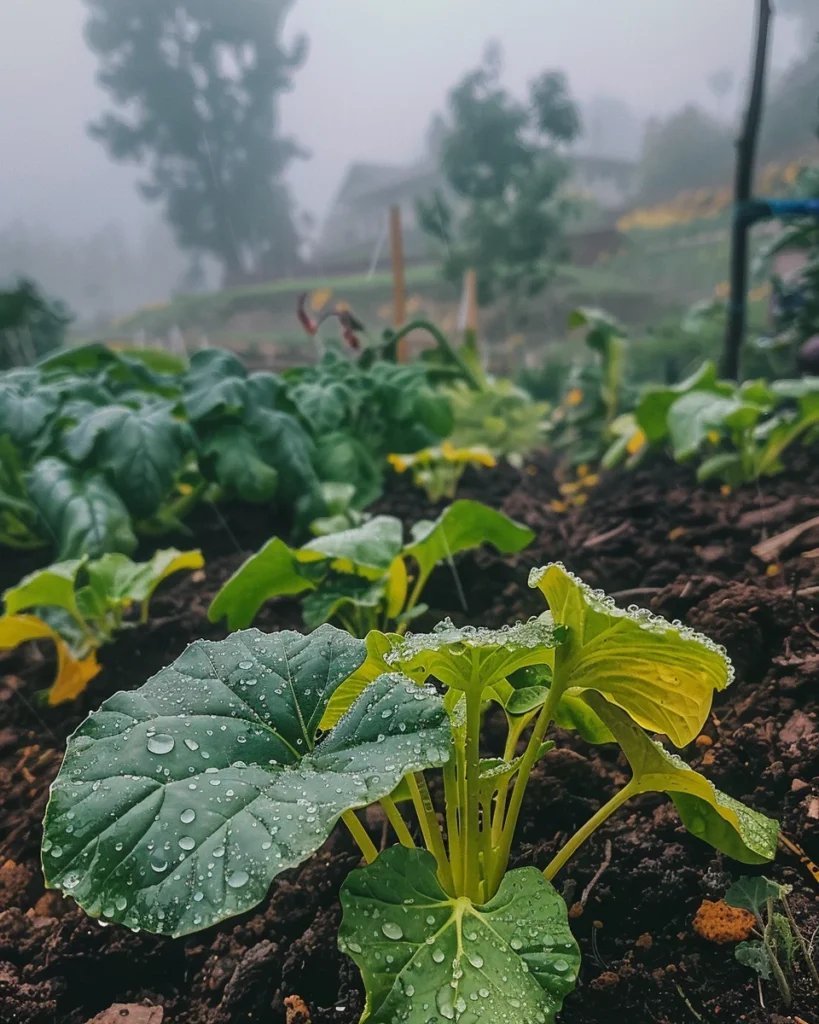
How to Grow Vegetables in Coastal Fog: When to Plant, Best Varieties & Care
Intro for growing vegetables in coastal fog
Coastal fog creates a unique microclimate that can be both challenging and beneficial for vegetable gardening. The cool, moist air moderates temperature extremes, reducing heat stress and providing natural moisture. However, reduced sunlight and persistent humidity can lead to fungal issues and slower growth. Coastal fog zones are typically found along western coastlines like California, Oregon, the UK’s Cornwall, and parts of Chile and New Zealand. With the right plant selection and growing techniques, you can create a thriving vegetable garden that leverages fog’s benefits while mitigating its challenges. This guide will help you navigate the nuances of growing delicious, productive vegetables in these distinctive coastal environments.
When to plant vegetables in coastal fog
Coastal fog regions typically have milder winters and cooler summers than inland areas, allowing for a longer growing season. Most cool-season crops can be planted earlier in spring when soil temperatures reach 7-10°C (45-50°F) and continue growing into fall. Warm-season vegetables should be planted when soil temperatures reach 15-18°C (60-65°F), usually later than inland regions. Frost is often less severe in fog zones, but pay attention to local microclimates. The consistent moisture and moderated temperatures in fog zones mean you can often extend growing seasons by 2-4 weeks on either end compared to nearby inland areas.
Best time to plant vegetables in coastal fog
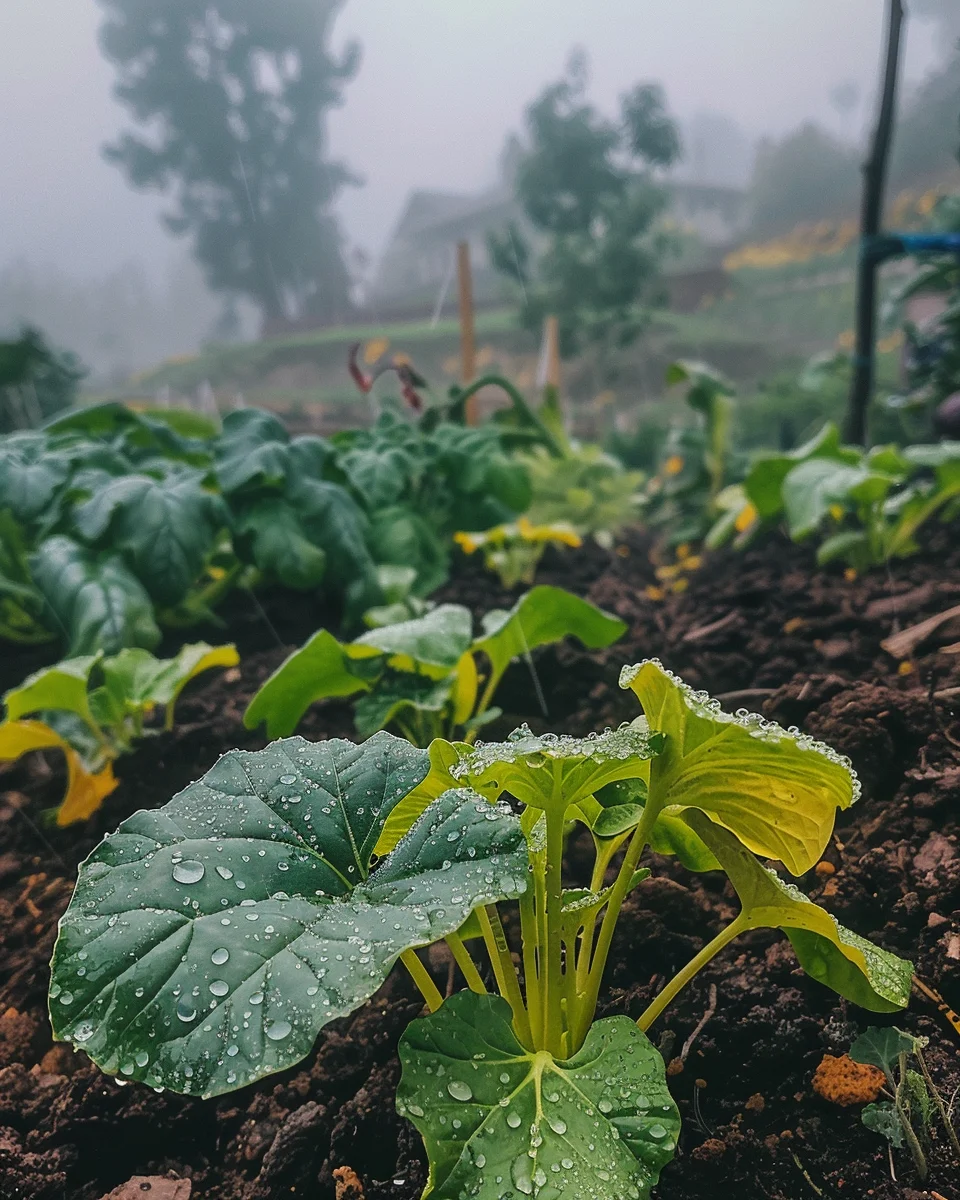
For cool-season vegetables (leafy greens, brassicas, root crops), plant from February to April and again from August to October in most coastal fog regions. Direct sow hardy greens like kale and spinach as early as late January in milder areas. For warm-season crops (tomatoes, peppers, squash), wait until May through early July, when fog patterns may temporarily diminish. Transplant heat-loving vegetables rather than direct sowing when possible, giving them a head start before fog season intensifies. In particularly foggy areas like Northern California or Cornwall, consider starting warm-season crops indoors 6-8 weeks before transplanting to maximize the growing season.
Best vegetable varieties to grow in coastal fog
- San Francisco Fog Tomato – Specifically bred for cool, foggy conditions with excellent production even with limited sun.
- Lacinato (Dinosaur) Kale – Thrives in cool, moist conditions and becomes sweeter after light frost.
- Coastal Star Romaine Lettuce – Bolt-resistant and disease-tolerant, perfect for foggy conditions.
- Oregon Sugar Pod II Snow Peas – Developed for cool, wet Pacific Northwest conditions with excellent mildew resistance.
- Champion Collards – Vigorous growth in cool conditions with high humidity tolerance.
- Scarlet Nantes Carrots – Sweet flavor development in cool conditions with consistent moisture.
- Purple Sprouting Broccoli – Long-season crop that thrives in mild winters of coastal regions.
- Bloomsdale Spinach – Thick, savoy leaves that resist moisture and disease common in foggy areas.
How to plant vegetables in coastal fog
Materials needed:
- Compost or well-rotted manure
- Balanced organic fertilizer
- Garden fork or tiller
- Raised bed materials (optional but recommended)
- Row covers or cloches
- pH testing kit
- Mulch (straw or leaf mold)
- Seeds or transplants suited for coastal conditions
Step-by-step planting:
- Test soil pH and aim for 6.0-7.0 for most vegetables; amend accordingly with lime to raise or sulfur to lower.
- Create raised beds 15-20 cm (6-8 inches) high to improve drainage in persistently moist conditions.
- Work 5-7 cm (2-3 inches) of compost into the top 30 cm (12 inches) of soil to improve drainage and fertility.
- Orient rows east to west to maximize sun exposure during limited sunny periods.
- Space plants slightly closer than normally recommended (about 75% of standard spacing) to create a microclimate that retains heat.
- Plant seeds at the depth recommended on the packet, typically 2-3 times the seed diameter.
- For transplants, dig holes twice as wide as the root ball and at the same depth.
- Water thoroughly after planting to settle soil around roots or seeds.
- Apply a thin layer of mulch around (but not touching) transplants to retain soil warmth.
- Install row covers or cloches to increase temperature and protect from excessive moisture when needed.
How to grow vegetables in coastal fog
Sunlight is often limited in foggy coastal areas, so choose the sunniest spot available and consider reflective mulches to maximize light. Water less frequently than in inland gardens, as fog provides natural moisture; check soil moisture by inserting your finger 2.5 cm (1 inch) into the soil and water only when it feels dry. Apply a balanced, slow-release organic fertilizer at planting time, then follow with half-strength liquid fertilizer every 3-4 weeks, as nutrients can leach more quickly in consistently moist conditions.
Mulch with straw or leaf mold, keeping it 5 cm (2 inches) away from plant stems to prevent rot. Thin seedlings promptly to improve air circulation, which is crucial in humid environments. For tomatoes and climbing plants, use trellises or stakes to keep foliage off the ground and improve air flow. When growing in containers, choose pots at least 30 cm (12 inches) deep with excellent drainage holes, and elevate them slightly off the ground to improve air circulation and increase temperature.
Caring for vegetables in coastal fog
Regularly inspect plants for signs of fungal diseases like powdery mildew, which appears as white powdery spots on leaves. Apply preventative organic fungicides like neem oil or a baking soda solution (1 tablespoon in 4 liters/1 gallon of water with a few drops of soap) every 7-10 days during peak fog season. Watch for slugs and snails, which thrive in moist conditions; control them with iron phosphate baits or copper tape barriers.
Prune lower leaves of tomatoes, cucumbers, and other vining crops to improve air circulation. Harvest vegetables in the afternoon when moisture levels are lowest to extend storage life. For leafy greens, harvest outer leaves continuously rather than the whole plant to extend production. Store harvested vegetables thoroughly dried and in breathable containers rather than plastic to prevent condensation and spoilage.
Understanding bolting in vegetables grown in coastal fog
Bolting is when vegetables prematurely produce flowers and seeds, making the edible portions bitter or tough. In coastal fog environments, bolting is typically less common due to cooler temperatures, but can still occur due to sudden temperature fluctuations, day length changes, or transplant shock. Plants detect these environmental shifts and trigger their reproductive cycle as a survival mechanism.
Prevent bolting by selecting bolt-resistant varieties specifically bred for coastal conditions, maintaining consistent soil moisture, and using row covers during unexpected warm spells. If a plant begins to bolt, harvest immediately for the best flavor. With leafy greens, you can sometimes cut the plant back severely to encourage new, non-bitter growth. The good news is that coastal fog environments generally extend the harvest window for bolt-prone vegetables like lettuce, spinach, and cilantro compared to warmer inland areas.
Why do vegetables turn bitter in coastal fog?
- Insufficient sunlight: Even fog-adapted vegetables need some direct sunlight; supplement with reflective mulches or position plants where they receive morning sun before fog rolls in.
- Excessive moisture on leaves: Persistent dampness can stress plants; improve air circulation by proper spacing and pruning lower foliage.
- Nutrient deficiencies: Foggy conditions can lead to leaching; supplement with seaweed extract or fish emulsion every 2-3 weeks.
- Temperature fluctuations: Sudden warm days can trigger stress responses; use row covers to moderate temperature changes.
- Age of plant: Older leaves naturally become more bitter; harvest regularly and promptly for best flavor.
Companion planting for vegetables in coastal fog
Beneficial companions:
- Nasturtiums – Attract beneficial insects and their peppery scent deters aphids and whiteflies common in humid conditions.
- Calendula – Produces compounds that suppress soil nematodes and attracts pollinators during foggy periods when insect activity may be reduced.
- Chives and garlic – Their sulfur compounds help prevent fungal diseases prevalent in moist environments.
- Borage – Attracts pollinators and adds trace minerals to the soil, improving plant resilience in challenging conditions.
- Marigolds – Release compounds that deter soil nematodes and their bright colors attract beneficial insects during limited sunny periods.
Avoid planting near:
- Tall, dense plants like sunflowers or corn that further reduce light in already low-light conditions.
- Moisture-loving herbs like basil that can host fungal diseases which may spread to vegetables.
- Plants that require very different watering regimes, as this complicates garden management in naturally moist conditions.
Seasonal calendar
- January-February: Prepare beds, apply compost, direct sow fava beans, peas, and spinach in milder coastal areas.
- March-April: Direct sow root crops, leafy greens, and brassicas; start warm-season crops indoors.
- May-June: Transplant warm-season crops when soil has warmed; continue succession planting of greens.
- July-August: Maintain vigilant pest monitoring during peak fog season; begin fall crop planning.
- September-October: Plant fall and winter crops like kale, chard, and overwintering varieties; apply compost.
- November-December: Plant garlic and shallots; protect sensitive crops with cloches; plan for next season.
Note: In warmer coastal regions (Mediterranean, Southern California), extend summer planting through September and winter growing throughout the season. In cooler coastal areas (Pacific Northwest, Northern UK), start spring planting 2-3 weeks later and finish fall planting 2-3 weeks earlier.
Problems & solutions
| Problem | Quick Fix |
|---|---|
| Powdery mildew on leaves | Spray with 1:9 milk-to-water solution weekly; improve air circulation by thinning plants |
| Slugs and snails | Apply iron phosphate bait after fog lifts; create copper tape barriers around beds |
| Slow growth/pale leaves | Apply diluted fish emulsion fertilizer; consider supplemental lighting on persistently foggy days |
| Root rot | Improve drainage with raised beds; add coarse sand or perlite to heavy soils |
| Leggy seedlings | Provide supplemental grow lights; rotate seedlings daily to encourage stronger stems |
| Poor fruit set on tomatoes/peppers | Hand-pollinate flowers with a small brush during dry periods; choose fog-adapted varieties |
| Soil staying too wet | Add 2-3 inches of coarse organic matter like pine bark; create raised mounds for planting |
Common questions about growing vegetables in coastal fog
How often should I water vegetables in foggy coastal areas?
Much less frequently than inland gardens. Check soil moisture by inserting your finger 2.5 cm (1 inch) into the soil and water only when it feels dry. During peak fog season, you may only need to water every 7-10 days, focusing on the root zone rather than overhead watering.
How much sunlight do vegetables need in foggy conditions?
While most vegetables typically need 6-8 hours of direct sunlight, in foggy areas, choose varieties that can thrive with 4-6 hours of filtered sunlight. Leafy greens, brassicas, and root vegetables perform particularly well. For fruiting crops like tomatoes, select varieties specifically bred for coastal conditions.
What size containers work best for growing vegetables in foggy areas?
Use larger containers than you might inland—at least 40-50 cm (16-20 inches) in diameter and 30 cm (12 inches) deep. The extra soil volume helps moderate temperature and moisture fluctuations. Ensure excellent drainage with multiple drainage holes and elevate pots slightly off the ground.
Should I space plants differently in foggy conditions?
Yes, provide about 25% more space between plants than standard recommendations to improve air circulation and reduce fungal issues. However, for heat-loving crops, you can plant slightly closer to create a microclimate that retains warmth.
Can I grow heat-loving vegetables like tomatoes and peppers in foggy areas?
Yes, but select varieties specifically developed for cool coastal conditions like ‘San Francisco Fog’ tomatoes or ‘Stocky Red Roaster’ peppers. Plant them in the warmest microclimate in your garden, against a south-facing wall if possible, and use black plastic mulch to increase soil temperature.
How frequently should I harvest vegetables in foggy conditions?
Harvest more frequently than in inland gardens, as the consistent moisture can lead to quicker spoilage or slug damage. For leafy greens, harvest outer leaves every 3-5 days. Pick fruiting vegetables as soon as they reach maturity to encourage continued production.
How can I prevent mold on my vegetables in foggy conditions?
Improve air circulation by proper spacing and pruning. Water at the base of plants rather than overhead. Apply preventative organic fungicides like copper spray or potassium bicarbonate during periods of heavy fog. Harvest in the afternoon when plants are driest, and avoid working in the garden when plants are wet to prevent spreading spores.