
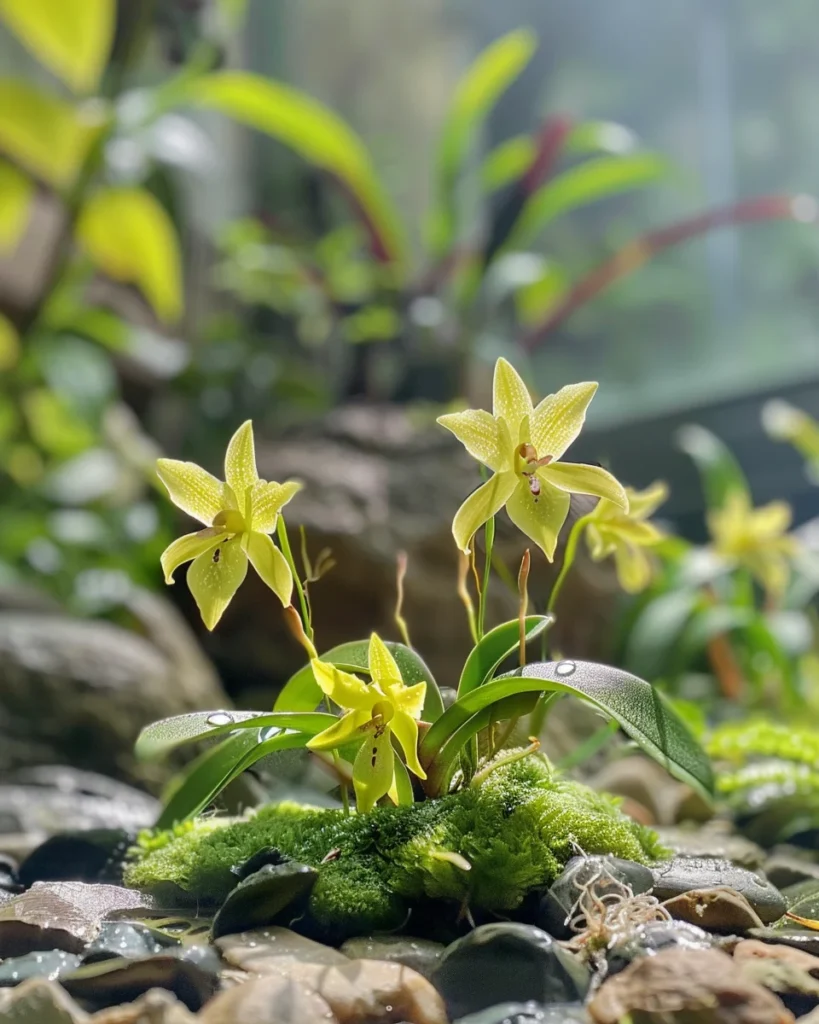
How to Grow Vanilla Orchid Indoors: Complete Guide for Exotic Gardeners
Intro for growing vanilla orchid indoors
The vanilla orchid (Vanilla planifolia) is a tropical vine that produces the world’s second most expensive spice. Growing this exotic beauty indoors allows gardeners in any climate to enjoy its elegant foliage and potentially harvest aromatic vanilla beans. Native to Mexico, this climbing orchid can reach impressive lengths but adapts well to indoor cultivation with proper care. Indoor vanilla orchid cultivation offers the satisfaction of growing your own spice, creates a stunning tropical focal point in your home, and provides a rewarding challenge for intermediate gardeners looking to expand their horticultural skills.
When to plant vanilla orchid indoors
Unlike seasonal outdoor plants, vanilla orchids can be established indoors any time of year since you’ll be controlling their environment. However, spring and early summer (March to June) provide optimal natural light conditions and temperatures for acclimation. Vanilla orchids thrive in temperatures between 21-32°C (70-90°F) during the day and not below 15°C (60°F) at night. They have no frost tolerance whatsoever, which is why indoor growing is essential in temperate regions. When acquiring your vanilla cutting or plant, timing it during warmer months helps reduce transplant shock.
Best time to plant vanilla orchid indoors
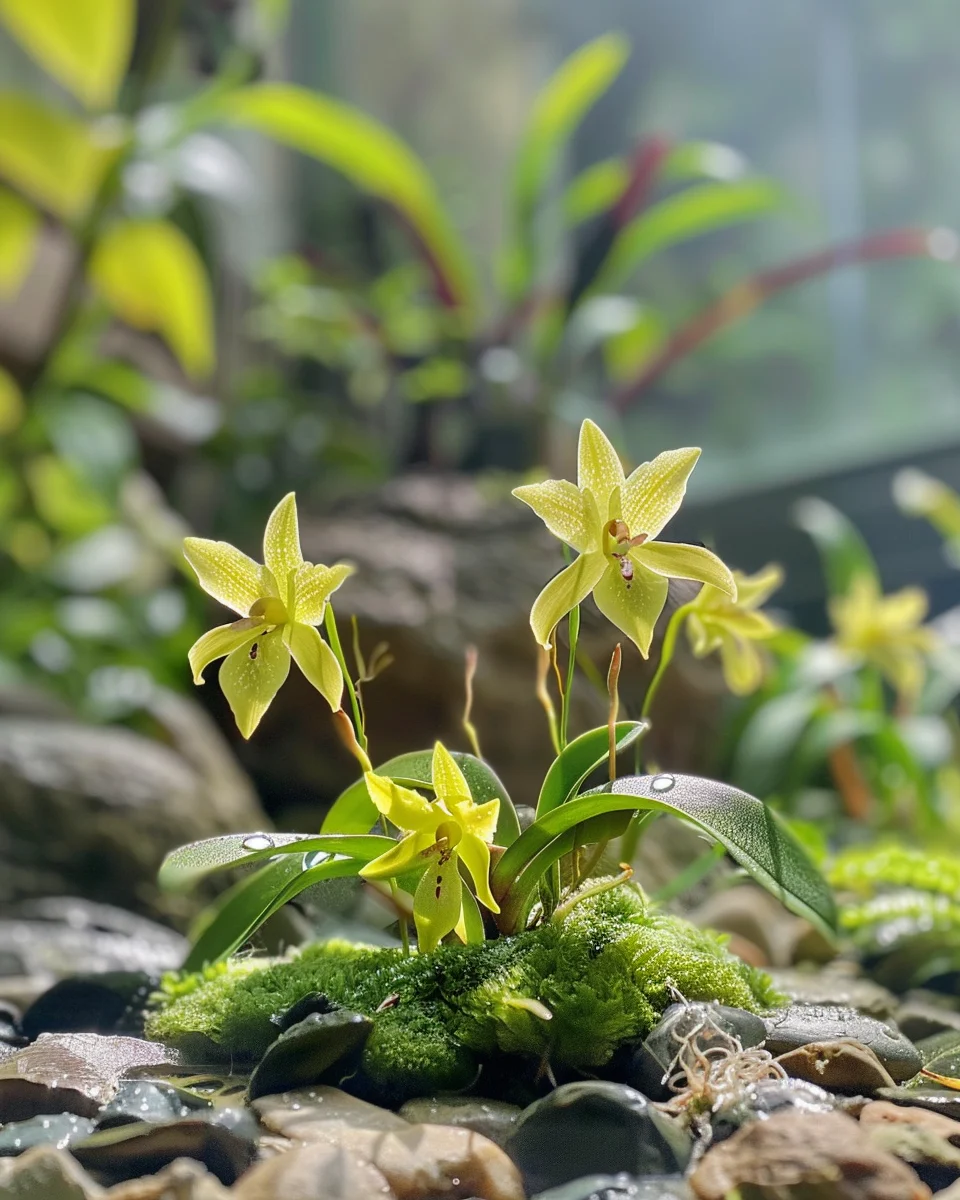
For most temperate regions, the ideal window for establishing vanilla orchids indoors is March through May. This timing allows the plant to benefit from increasing natural daylight hours while giving it time to establish before potential winter light deficiencies. In warmer climates (US Zones 10-12, tropical or Mediterranean regions), you have more flexibility, but still aim for spring planting. Vanilla orchids are propagated from cuttings rather than seeds, so there’s no direct sowing involved. Plan to obtain cuttings or young plants in early spring for optimal growth cycles.
Best vanilla orchid varieties to grow
- Vanilla planifolia – The classic “Bourbon vanilla” variety with the richest flavor profile and most reliable indoor performance.
- Vanilla tahitensis – Produces slightly smaller beans with distinctive floral notes, slightly more tolerant of cooler temperatures.
- Vanilla pompona – More compact growth habit making it suitable for smaller spaces, though beans are less aromatic.
- Vanilla phaeantha – Features attractive yellow-green flowers and is somewhat more resistant to root rot issues.
- Vanilla odorata – Highly fragrant flowers but produces fewer beans, excellent as an ornamental indoor specimen.
- Vanilla insignis – Slightly more cold-tolerant than other varieties, good for homes with temperature fluctuations.
How to plant vanilla orchid indoors
Materials needed:
- Vanilla orchid cutting (at least 3-4 nodes long)
- Orchid bark mix or chunky epiphytic medium
- Sphagnum moss
- Tall pot (10-12 inches/25-30 cm deep) with drainage holes
- Trellis, moss pole, or other climbing support
- Spray bottle for misting
- Rooting hormone (optional)
Step-by-step planting:
- Select a healthy vanilla cutting with at least 3-4 nodes and allow the cut end to callus for 24 hours.
- Prepare your pot with a layer of orchid bark mix at the bottom for drainage.
- Position your support structure (trellis or moss pole) in the pot.
- Mix orchid bark with some sphagnum moss for a chunky, well-draining medium.
- Lay the bottom 2-3 nodes of the cutting horizontally on the medium surface, with the rest of the vine positioned vertically against the support.
- Cover the horizontal portion lightly with additional medium, leaving the nodes partially exposed.
- Secure the vertical portion to the support with plant ties or twine (loosely).
- Water thoroughly until moisture drains from the bottom, then allow to drain completely.
- Place in bright, indirect light in a warm location (21-29°C/70-85°F).
- Mist the entire cutting daily to maintain humidity while roots establish.
How to grow vanilla orchid indoors
Vanilla orchids require bright, indirect light – an east or west-facing window is ideal. Avoid direct southern exposure which can burn the leaves. They need 12-14 hours of light daily, so supplemental grow lights may be necessary during winter months. Water when the top inch of medium feels dry, typically every 7-10 days, always allowing excess water to drain completely. Maintain high humidity (60-80%) through regular misting, humidity trays, or a small humidifier nearby.
Feed monthly during the growing season (spring through fall) with a balanced orchid fertilizer at half-strength. Apply the fertilizer after watering to prevent root burn. Vanilla orchids are vigorous climbers, so provide a sturdy support structure at least 5-6 feet (1.5-1.8 m) tall that allows the aerial roots to attach. Guide new growth along the support as the vine grows.
For container specifics, choose a pot that’s deeper rather than wider (vanilla roots grow down more than out). Repot every 2-3 years as the plant outgrows its container, preferably in spring. If growing in a hanging basket, ensure the aerial roots have something to grip, like a coconut liner or moss-covered support.
Caring for vanilla orchid indoors
Ongoing care includes regular inspection of leaves and stems for pests, maintaining consistent humidity, and occasional pruning to control size. The most common pests are spider mites, mealybugs, and scale insects. For spider mites, increase humidity and wipe leaves with a damp cloth. Treat mealybugs and scale by dabbing with isopropyl alcohol on a cotton swab. Root rot is the primary disease concern, caused by overwatering – always ensure proper drainage and never let the plant sit in water.
Vanilla orchids typically begin flowering after 3-5 years of growth when they reach 10+ feet (3+ meters) in length. Flowers must be hand-pollinated on the day they open to produce beans. Use a small toothpick to transfer pollen from the anther to the stigma. Beans take 8-9 months to mature and should be harvested when they begin to yellow at the tips. The curing process is lengthy, involving daily sun exposure and nightly wrapping for several months to develop flavor.
For storage, fully cured vanilla beans should be kept in airtight glass containers in a cool, dark place, where they’ll maintain quality for 1-2 years.
Understanding bolting in vanilla orchid
Unlike vegetable crops, vanilla orchids don’t experience bolting in the traditional sense. However, they do have specific flowering triggers and challenges. Vanilla orchids require maturity (3+ years) and sufficient size (10+ feet/3+ meters) before they’ll flower. Flowering is typically triggered by a slight reduction in watering followed by a return to normal care.
If your mature vanilla orchid isn’t flowering, the most common causes are insufficient light, improper temperature range, or inadequate vine length. Ensure your plant receives bright indirect light for 12-14 hours daily, experiences a temperature drop of about 10°F (5°C) at night, and has reached sufficient maturity. Remember that even with perfect conditions, indoor vanilla orchids may flower less reliably than those in their natural habitat.
Why does vanilla orchid turn yellow?
- Overwatering – Reduce watering frequency and ensure proper drainage; check for root rot.
- Nutrient deficiency – Apply balanced orchid fertilizer monthly during growing season.
- Too much direct sunlight – Move to a location with bright indirect light instead.
- Low humidity – Increase humidity through misting, humidity trays, or a humidifier.
- Natural leaf aging – Normal if only affecting older, lower leaves; simply remove yellowed leaves.
Companion planting for vanilla orchid indoors
While vanilla orchids are typically grown as standalone specimens, they can be paired with compatible plants in a larger indoor tropical display:
- Philodendrons – Share similar humidity and light requirements while adding textural contrast.
- Bromeliads – Complement vanilla’s growth habit and help maintain humidity in the immediate environment.
- Calatheas – Thrive in the same conditions and add colorful foliage at lower levels.
- Ferns – Increase ambient humidity and create a natural tropical understory effect.
- Monstera – Similar care requirements and creates a dramatic tropical display.
Avoid placing vanilla orchids near:
- Cacti and succulents – Their dry environment requirements conflict with vanilla’s high humidity needs.
- Herbs and Mediterranean plants – These prefer drier conditions and could suffer from the humidity vanilla requires.
Seasonal calendar
- January-February: Maintain minimum temperatures, reduce watering slightly, provide supplemental lighting.
- March-April: Ideal time for repotting or starting new cuttings, resume regular watering and fertilizing.
- May-June: Peak growth period, increase humidity and monitor for pests as growth accelerates.
- July-August: Continue regular care, protect from air conditioning drafts, maintain high humidity.
- September-October: Begin reducing fertilizer frequency, mature plants may flower during this period.
- November-December: Reduce watering frequency slightly, ensure adequate light as days shorten.
Problems & solutions
| Problem | Quick Fix |
|---|---|
| Leaves turning yellow | Check for overwatering; ensure proper drainage and adjust watering schedule. |
| Brown leaf tips | Increase humidity and check for fertilizer burn; flush the growing medium with clean water. |
| No new growth | Evaluate light levels and temperature; may need more light or warmer conditions. |
| Aerial roots drying out | Increase misting frequency and ambient humidity; consider a humidifier. |
| Plant not flowering | Verify plant is mature (3+ years) and large enough; ensure proper light cycles and temperature variation. |
| Flowers dropping without forming pods | Hand-pollinate flowers on the day they open; flowers only last one day. |
| Stem rot | Cut away affected areas with sterilized tools, reduce watering, and increase air circulation. |
Common questions about growing vanilla orchid indoors
How often should I water my vanilla orchid?
Water when the top inch of medium feels dry, typically every 7-10 days. Always allow excess water to drain completely and never let the plant sit in water.
How much light does a vanilla orchid need indoors?
Vanilla orchids need bright, indirect light for 12-14 hours daily. An east or west-facing window is ideal, supplemented with grow lights during winter months if necessary.
What size container does a vanilla orchid need?
Start with a 10-12 inch (25-30 cm) deep pot and repot every 2-3 years as the plant grows. Choose pots that are deeper rather than wider to accommodate their growth habit.
How tall will my vanilla orchid grow indoors?
Indoor vanilla orchids can grow 10-15 feet (3-4.5 meters) long with proper support. They can be pruned to control size, but flowering typically requires at least 10 feet of growth.
What temperature range can vanilla orchids tolerate?
They thrive in temperatures between 21-32°C (70-90°F) during the day and not below 15°C (60°F) at night. They have no frost tolerance and prefer consistent temperatures.
How long does it take for vanilla orchids to produce beans?
Vanilla orchids typically take 3-5 years to reach flowering maturity. After successful hand-pollination, beans take 8-9 months to mature, followed by a 3-6 month curing process.
Can I grow vanilla orchids in a hanging basket?
Yes, but ensure the basket is deep enough for root development and provide a moss pole or other support for the vine to climb. The aerial roots need something to grip onto as they grow.