
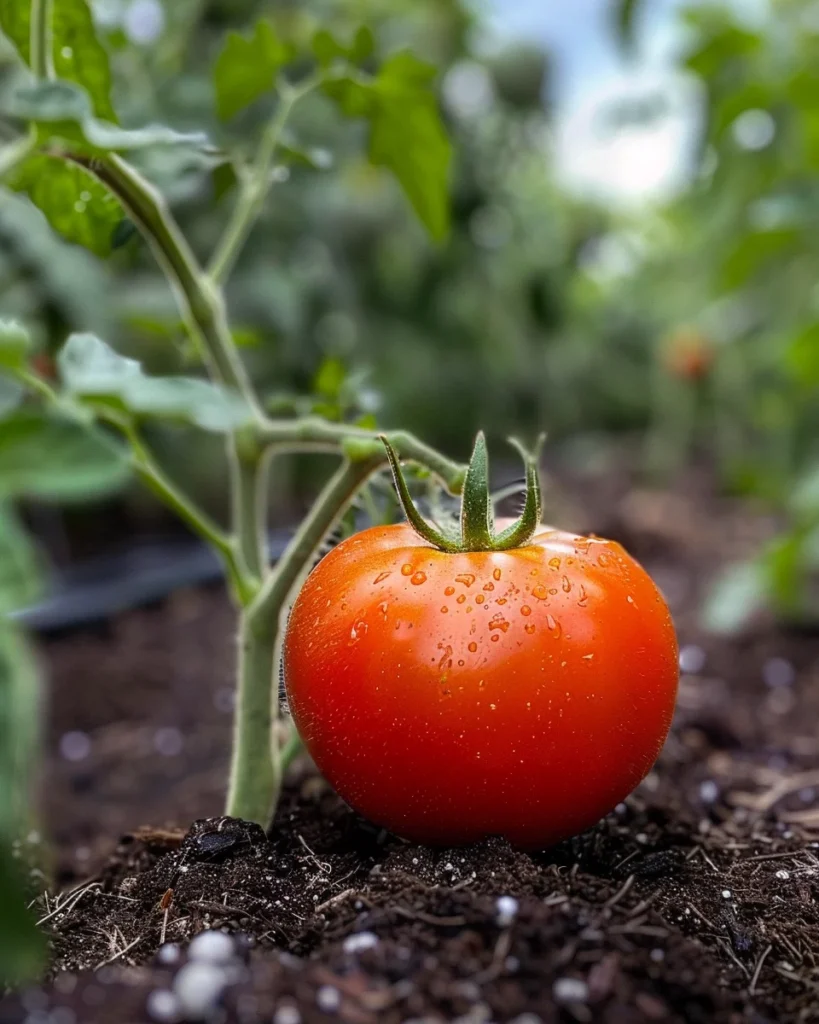
How to Grow Tomatoes in Zone 5: When to Plant, Best Varieties & Care Tips
Intro for growing tomatoes in zone 5
Growing tomatoes in Zone 5 presents a rewarding challenge for gardeners working with a shorter growing season. With average minimum temperatures between -20°F and -10°F (-29°C to -23°C), Zone 5 regions require strategic planning to maximize the tomato growing season. These sun-loving fruits offer incredible flavor that store-bought varieties simply can’t match. Whether you’re planning to grow sprawling heirloom varieties or compact cherry tomatoes for containers, understanding Zone 5’s specific timing and requirements will help you harvest abundant, flavorful tomatoes despite the cooler climate constraints. With proper variety selection and care techniques, you can enjoy homegrown tomatoes from mid-summer through early fall.
When to plant tomatoes in zone 5
In Zone 5, timing is crucial for tomato success. The growing season typically runs from mid-May through early October, with the first fall frost usually arriving between late September and mid-October. Tomatoes are warm-season crops that require soil temperatures of at least 60°F (15.5°C) for proper growth. Since Zone 5 experiences a later final spring frost (typically mid-May), you’ll need to start seeds indoors or purchase transplants rather than direct sowing. Plan to transplant outdoors only after all danger of frost has passed and nighttime temperatures consistently remain above 50°F (10°C).
Best time to plant tomatoes in zone 5

For Zone 5 gardeners, start tomato seeds indoors 6-8 weeks before your last expected frost date, typically between mid-March and early April. This gives seedlings adequate time to develop before outdoor transplanting. The optimal transplanting window falls between May 15th and June 1st, after soil has warmed sufficiently and frost danger has passed. For those using season extenders like cold frames or wall-o-water protectors, you might risk earlier planting around May 10th. If purchasing transplants, wait until mid-May to set them in the garden. Remember that planting too early risks frost damage, while planting too late reduces your overall harvest period in Zone 5’s shorter growing season.
Best tomato varieties to grow in zone 5
- Early Girl – Dependable, early-maturing (59 days) variety that produces medium-sized fruits before most others, perfect for Zone 5’s shorter season.
- Stupice – Cold-tolerant Czech heirloom that produces 2-inch fruits in just 52 days, extending your Zone 5 harvest period.
- Sub-Arctic Plenty – Ultra-early variety (45 days) specifically bred for northern climates with small but flavorful fruits.
- Mountain Magic – Disease-resistant, crack-resistant variety that produces sweet, 2-inch fruits in about 75 days.
- Sungold – Incredibly sweet orange cherry tomato that matures in 57 days and continues producing until frost.
- Glacier – Ultra-early (55 days), cold-tolerant variety producing golf ball-sized red fruits with excellent flavor.
- Manitoba – Developed for short northern growing seasons, producing medium-sized fruits in just 58 days.
- Moskvich – Russian heirloom with excellent cold-tolerance that produces rich, complex-flavored fruits in about 60 days.
How to plant tomatoes in zone 5
Materials needed:
- Tomato transplants or seedlings
- Compost or well-rotted manure
- Balanced organic fertilizer
- Bone meal
- Garden trowel or shovel
- Tomato cages or stakes
- Mulch (straw, shredded leaves, or black plastic)
- Watering can or hose with gentle spray nozzle
Step-by-step planting instructions:
- Select a planting site receiving at least 6-8 hours of direct sunlight daily, preferably with morning sun to dry dew quickly.
- Prepare soil 1-2 weeks before planting by incorporating 2-3 inches (5-7.5 cm) of compost and working it into the top 12 inches (30 cm) of soil.
- Dig holes 18-24 inches (45-60 cm) apart for determinate varieties or 24-36 inches (60-90 cm) apart for indeterminate types.
- Make holes deep enough to bury two-thirds of the plant stem, as tomatoes form roots along buried stems.
- Add a handful of bone meal to each planting hole to prevent blossom end rot.
- Remove lower leaves from transplants, leaving only the top 2-3 sets of leaves.
- Place plants in holes at an angle if necessary, ensuring the remaining leaves are above soil level.
- Backfill holes firmly but gently around stems.
- Water thoroughly, applying about 1 gallon (3.8 liters) per plant.
- Install cages or stakes immediately after planting to avoid root damage later.
How to grow tomatoes in zone 5
In Zone 5, tomatoes need consistent care to thrive during the shorter growing season. Provide full sun (minimum 6 hours daily), with afternoon shade only in the hottest periods. Water deeply and consistently, delivering 1-2 inches (2.5-5 cm) weekly, adjusting for rainfall. In early summer, water at the base in mornings to prevent disease. Apply a balanced organic fertilizer (5-5-5) two weeks after transplanting, then monthly until early August. Mulch with 2-3 inches (5-7.5 cm) of straw or shredded leaves to retain moisture and suppress weeds. For indeterminate varieties, remove suckers (shoots growing between main stem and branches) to improve air circulation. Stake or cage all plants within two weeks of planting. For container growing, use minimum 5-gallon (19-liter) pots with drainage holes, high-quality potting mix, and water more frequently as containers dry faster. In Zone 5’s shorter season, consider using black plastic mulch to warm soil and red plastic mulch to increase yields.
Caring for tomatoes in zone 5
Monitor plants weekly for signs of trouble. Common Zone 5 tomato pests include hornworms (large green caterpillars), which can be handpicked, and aphids, controllable with insecticidal soap sprays. Watch for early blight (yellow spots with concentric rings on lower leaves) and late blight (dark water-soaked spots), both prevalent in Zone 5’s sometimes humid conditions. Remove affected leaves immediately and improve air circulation. Apply copper fungicide preventatively during humid periods. Blossom end rot (black bottoms on fruits) indicates calcium deficiency, often from inconsistent watering; maintain even soil moisture and add crushed eggshells to soil. Harvest tomatoes when they develop full color and yield slightly to gentle pressure. For maximum flavor, allow fruits to ripen fully on the vine. At season’s end (late September in Zone 5), harvest all green tomatoes before frost and ripen indoors at room temperature. Store ripe tomatoes at room temperature, never in the refrigerator, for best flavor.
Understanding bolting in tomatoes
Unlike leafy greens, tomatoes don’t technically bolt. However, they can experience stress responses that affect fruit production. When temperatures consistently exceed 90°F (32°C) or drop below 55°F (13°C), tomato plants may temporarily stop setting fruit. This temperature-induced stress is sometimes mistakenly called “bolting” but differs from true bolting seen in lettuce or spinach. To prevent temperature stress in Zone 5, choose heat-tolerant varieties for summer and cold-tolerant varieties for early/late season. During heatwaves, provide afternoon shade with row covers. If plants stop setting fruit during hot periods, continue regular care; production typically resumes when temperatures moderate. Unlike bolting crops that become inedible, stressed tomato plants will resume normal production when conditions improve.
Why does tomato fruit turn bitter?
- Insufficient watering – Inconsistent moisture causes stress that can concentrate bitter compounds; solution: maintain even soil moisture with regular deep watering and mulch.
- Excessive heat – Temperatures above 90°F (32°C) can trigger bitterness; solution: provide afternoon shade during heat waves and choose heat-tolerant varieties.
- Immature harvesting – Picking before full ripeness often results in bitter flavor; solution: allow fruits to fully ripen on the vine when possible.
- Genetic factors – Some varieties naturally contain more bitter compounds; solution: switch to varieties known for sweetness like Sungold or Sweet 100.
- Environmental stress – Sudden temperature fluctuations common in Zone 5 can trigger bitterness; solution: use row covers to moderate temperature swings.
Companion planting for tomatoes
Good companions:
- Basil – Repels tomato hornworms and flies while improving flavor and growth.
- Marigolds – Deter nematodes and other soil pests with their root secretions.
- Nasturtiums – Act as trap crops for aphids, keeping them away from tomato plants.
- Carrots – Break up soil compaction with their deep roots, improving drainage for tomatoes.
- Borage – Attracts pollinators and deters tomato hornworms while improving tomato flavor.
- Garlic – Repels spider mites and other pests with its strong sulfur compounds.
Avoid planting near:
- Potatoes – Share diseases with tomatoes and compete for nutrients as fellow nightshade family members.
- Corn – Attracts tomato fruitworm (corn earworm) which can devastate both crops.
- Brassicas (cabbage, broccoli, kale) – Inhibit tomato growth through chemical root secretions.
Seasonal calendar
- March – Start seeds indoors under grow lights 6-8 weeks before last frost date.
- April – Continue indoor growing; begin hardening off seedlings in late April by exposing to outdoor conditions gradually.
- May – Transplant outdoors after last frost (typically mid-May in Zone 5); install stakes or cages.
- June – Apply first fertilizer two weeks after transplanting; monitor for pests and diseases; prune suckers on indeterminate varieties.
- July – Apply second fertilizer application; maintain consistent watering; harvest early varieties.
- August – Peak harvest season; final light fertilizer application early in month; continue harvesting regularly.
- September – Continue harvesting; prepare for potential early frosts with covers; begin harvesting green tomatoes by month’s end.
- October – Harvest all remaining fruits before first hard frost; clean up and remove plants after harvest to prevent disease overwintering.
Problems & solutions
| Problem | Quick Fix |
|---|---|
| Blossom end rot (black bottoms) | Maintain consistent watering; add crushed eggshells or calcium spray |
| Cracked fruits | Water more consistently; mulch soil; harvest fruits slightly earlier |
| Hornworms | Handpick; spray with Bt (Bacillus thuringiensis); encourage parasitic wasps |
| Early blight (yellow spots with rings) | Remove affected leaves; improve air circulation; apply organic copper fungicide |
| Leggy seedlings | Provide more direct light; reduce temperature; gently brush tops daily |
| Slow ripening in fall | Remove some leaves to expose fruits to sun; reduce watering slightly |
| Frost warning | Cover plants with sheets/frost cloth; harvest all sizeable green fruits |
Common questions about growing tomatoes in zone 5
Q: How often should I water tomatoes in Zone 5?
A: In Zone 5, provide 1-2 inches (2.5-5 cm) of water weekly, adjusting for rainfall. During hot periods, water deeply every 2-3 days rather than lightly every day. Container tomatoes may need daily watering during summer heat.
Q: Can I grow tomatoes in partial sun in Zone 5?
A: While tomatoes prefer full sun (6+ hours daily), in Zone 5 they can produce adequately with 5-6 hours of direct sunlight. Choose cherry or early-season varieties for partial sun locations, as they require less energy to ripen fruits.
Q: What size containers work for tomatoes in Zone 5?
A: Use containers at least 5 gallons (19 liters) for determinate varieties and 7-10 gallons (26-38 liters) for indeterminate types. Larger containers provide better temperature insulation for roots in Zone 5’s variable conditions.
Q: How far apart should I plant tomatoes in Zone 5?
A: Space determinate varieties 18-24 inches (45-60 cm) apart and indeterminate varieties 24-36 inches (60-90 cm) apart. In Zone 5’s sometimes humid conditions, generous spacing improves air circulation and reduces disease pressure.
Q: How cold-tolerant are tomato plants?
A: Tomato plants are damaged at temperatures below 50°F (10°C) and killed by frost. In Zone 5, be prepared to protect plants when temperatures drop below 45°F (7°C) in late spring or early fall with row covers or wall-o-water protectors.
Q: How often should I fertilize tomatoes in Zone 5?
A: Apply balanced organic fertilizer (5-5-5) two weeks after transplanting, then monthly until early August. Stop fertilizing by mid-August to discourage late vegetative growth that won’t have time to produce fruit before frost.
Q: Is it better to stake or cage tomatoes in Zone 5?
A: Cages are generally better for Zone 5 as they provide more cold protection by creating a microclimate around plants. However, staking allows better air circulation in humid periods. Consider using cages with good spacing between wires for the best of both approaches.