
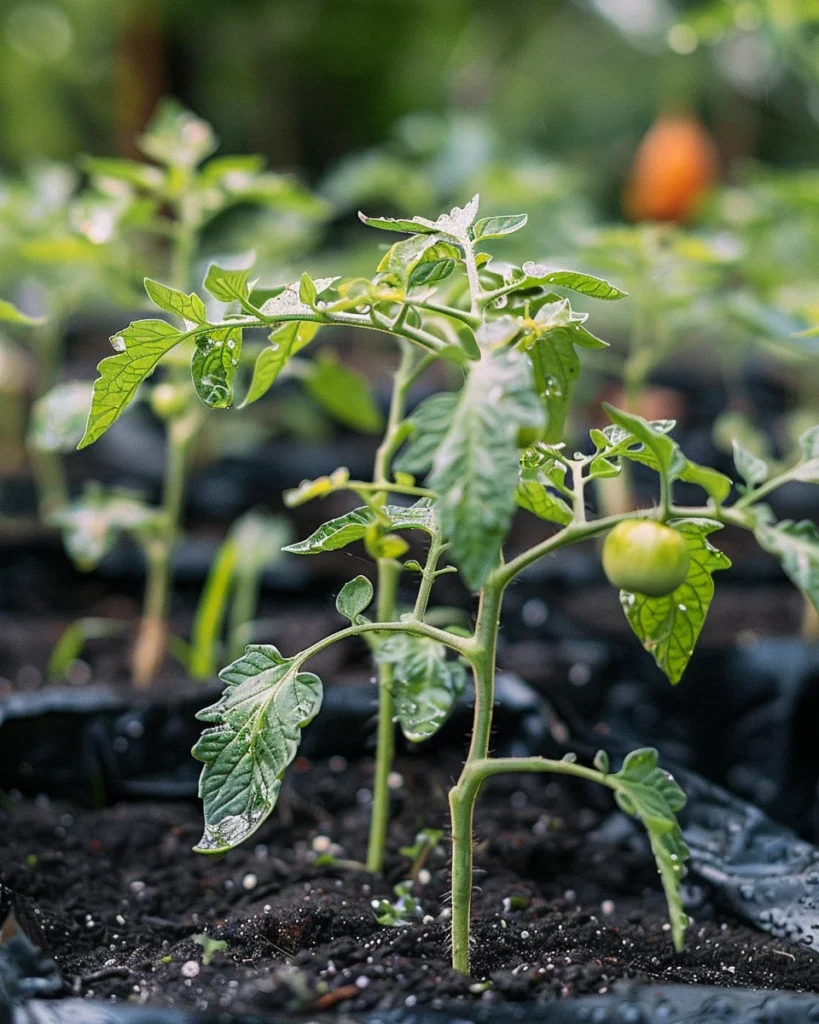
How to Grow Tomatoes in Ten Gallon Grow Bags: When to Plant, Best Varieties & Care
Intro for growing tomatoes in ten gallon grow bags
Growing tomatoes in ten gallon grow bags offers gardeners flexibility, space efficiency, and excellent yields without the need for a traditional garden bed. These fabric containers provide ideal growing conditions with superior drainage and aeration for root development, while being portable enough to follow the sun or avoid harsh weather. Ten gallon bags offer the perfect size for most tomato varieties, providing ample room for root systems while preventing the plants from becoming rootbound. This method is particularly beneficial for gardeners with limited space, poor native soil, or those who want to extend their growing season by moving plants to protected areas when temperatures drop.
When to plant tomatoes in ten gallon grow bags
Tomatoes are warm-season crops that require soil temperatures of at least 16-18°C (60-65°F) for proper germination and growth. In most temperate regions, this means waiting until all danger of frost has passed before planting outdoors. Tomatoes are extremely frost-sensitive, and even temperatures below 10°C (50°F) can stress the plants. The advantage of grow bags is that you can start your tomatoes indoors or in a greenhouse, allowing the soil to warm more quickly than garden beds. In cooler climates, you might need to wait until late spring, while warmer regions can often plant earlier in mid-spring.
Best time to plant tomatoes in ten gallon grow bags
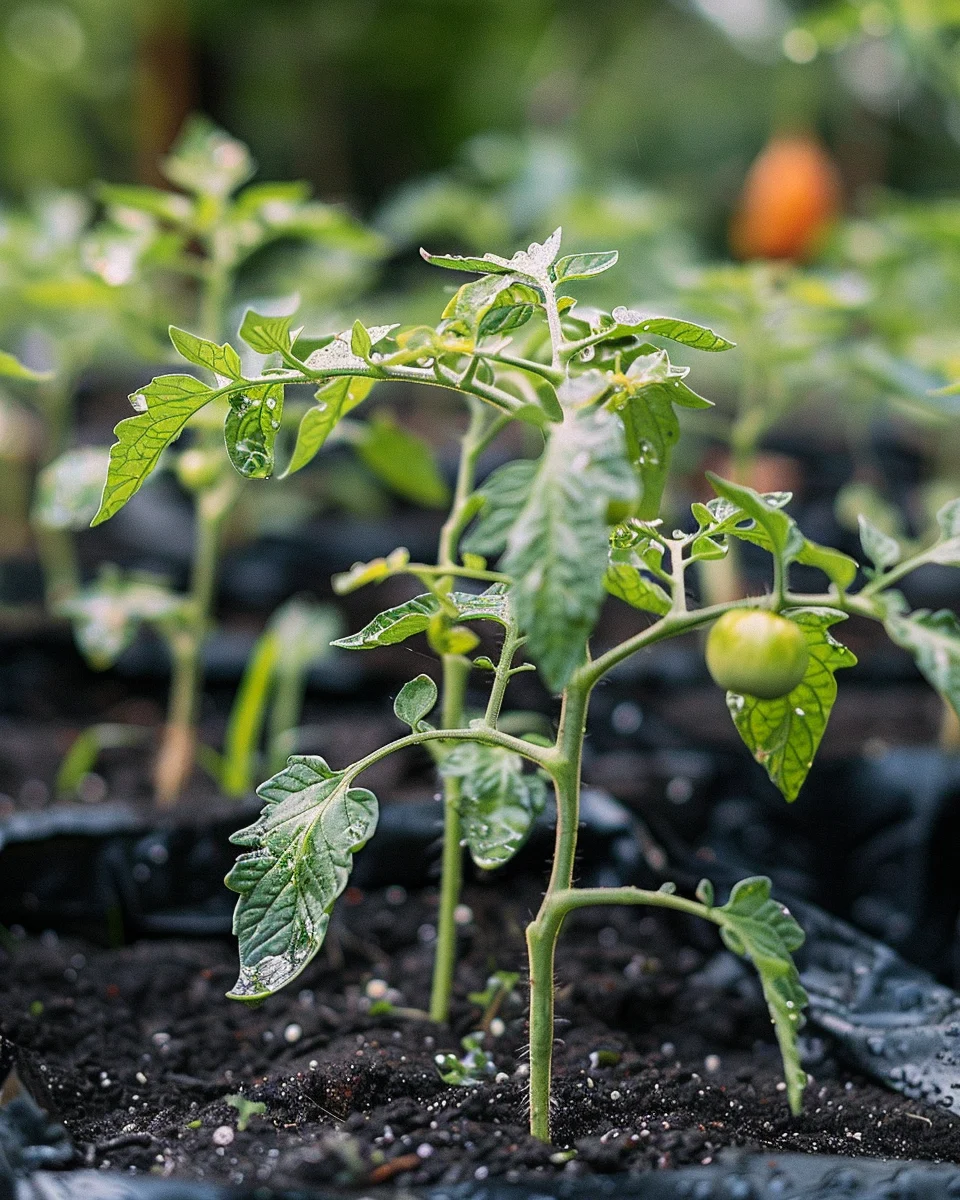
For cool temperate regions (UK, Northern US, Canada), plant tomatoes in grow bags from mid-May to early June when nighttime temperatures consistently stay above 10°C (50°F). In warm temperate regions (US Zones 7-9, Mediterranean), you can plant from mid-April to early May. For hot climates (US Zones 10-11, subtropical), planting in February-March for spring crops or August-September for fall crops avoids the extreme summer heat. Most gardeners start tomatoes from transplants rather than direct sowing, giving plants a 6-8 week head start indoors before moving the seedlings to grow bags outdoors.
Best tomato varieties to grow in ten gallon grow bags
- Determinate varieties (bush types) – These compact plants are ideal for containers as they grow to a predetermined size and produce fruit all at once.
- Roma – A compact determinate variety that produces plum-shaped fruits perfect for sauces and canning.
- Patio Princess – Specifically bred for containers, producing 2-3 inch fruits on compact 2-foot plants.
- Tumbling Tom – A cascading cherry tomato perfect for hanging grow bags with sweet, abundant fruits.
- Bush Early Girl – Earlier than many varieties with full-sized fruits on compact plants.
- Celebrity – A semi-determinate variety with excellent disease resistance and medium-sized fruits.
- Tiny Tim – Ultra-compact plants (only 12-18 inches tall) producing sweet cherry tomatoes, perfect for smaller grow bags.
How to plant tomatoes in ten gallon grow bags
Materials needed:
- Ten gallon fabric grow bags
- High-quality potting mix (not garden soil)
- Tomato seedlings or plants
- Organic compost
- Slow-release tomato fertilizer
- Tomato cage or stakes
- Watering can or hose
Step-by-step planting process:
- Fill your ten gallon grow bag with high-quality potting mix to about 2 inches (5 cm) from the top, mixing in about 20% compost.
- Add slow-release tomato fertilizer according to package instructions, mixing it into the top few inches of soil.
- Dig a hole in the center of the bag deep enough to bury the tomato plant up to its first set of true leaves.
- Remove the tomato seedling from its nursery pot, gently loosening the roots if they appear compacted.
- Place the plant in the hole, burying it deeper than it was in its original container—tomatoes will develop roots along the buried stem.
- Backfill with soil and gently firm around the plant to eliminate air pockets.
- Water thoroughly until water drains from the bottom of the grow bag.
- Install a tomato cage or stake immediately to avoid disturbing roots later.
- Position the grow bag in a location receiving at least 6-8 hours of direct sunlight daily.
- Space multiple grow bags at least 24 inches (60 cm) apart to ensure good air circulation.
How to grow tomatoes in ten gallon grow bags
Tomatoes in grow bags require at least 6-8 hours of direct sunlight daily for optimal growth and fruit production. Water consistently, keeping the soil evenly moist but never soggy. In hot weather, grow bags may require daily watering as they dry out faster than in-ground plants. Check moisture levels by inserting your finger 2 inches into the soil—if it feels dry, it’s time to water.
Feed your tomatoes with a liquid tomato fertilizer every 2-3 weeks once fruits begin to form, following package directions for container plants (often at half-strength). Apply a 2-inch layer of mulch on top of the soil to retain moisture and regulate soil temperature. For indeterminate varieties, regularly remove suckers (the shoots that form in the crotch between the main stem and branches) to focus the plant’s energy on fruit production.
The advantage of ten gallon grow bags is their excellent drainage, but this means more frequent watering and fertilizing than in-ground plants. Consider using a drip irrigation system with a timer to maintain consistent moisture levels. Position your grow bags where they can receive morning sun but have some afternoon shade in very hot climates to prevent stress.
Caring for tomatoes in ten gallon grow bags
Monitor your tomato plants regularly for signs of stress or disease. Common pests include aphids, whiteflies, and hornworms. For aphids and whiteflies, spray plants with insecticidal soap or neem oil. Hornworms can be handpicked and dropped in soapy water. Watch for early blight (yellow spots on lower leaves) or late blight (dark water-soaked spots); remove affected leaves immediately and improve air circulation.
Blossom end rot, appearing as dark sunken areas on the bottom of fruits, is common in container-grown tomatoes due to calcium deficiency or inconsistent watering. Maintain even soil moisture and consider adding a calcium supplement. Harvest tomatoes when they’ve reached full color and yield slightly to gentle pressure. Most varieties can be stored at room temperature for 4-7 days; refrigeration affects flavor but can extend storage life.
At the end of the season, the soil in grow bags can be composted or refreshed with new compost for the next growing season. Fabric grow bags can typically be reused for 3-5 seasons before needing replacement.
Understanding bolting in tomatoes
Unlike leafy greens, tomatoes don’t bolt in the traditional sense of prematurely producing flowers and seeds. However, tomatoes can experience stress responses that affect fruit production. High temperatures (consistently above 32°C/90°F) can cause tomato plants to drop flowers and stop setting fruit. Extended periods of heat stress can lead to “heat check,” where the plant temporarily stops producing until conditions improve.
To prevent heat-related stress in grow bags, provide afternoon shade during the hottest part of summer, maintain consistent watering, and use light-colored grow bags that won’t absorb as much heat. If your tomato plants stop producing during a heatwave, continue regular care and they should resume once temperatures moderate. The portability of grow bags allows you to move plants to more favorable locations during extreme weather, which is a significant advantage over in-ground planting.
Why do tomatoes turn bitter?
- Insufficient watering – Inconsistent moisture can stress plants and affect fruit flavor; maintain even soil moisture in grow bags.
- Excessive heat – Temperatures above 35°C (95°F) can alter tomato flavor; move grow bags to partially shaded areas during extreme heat.
- Harvesting too early – Picking tomatoes before they’re fully ripe can result in bitter, acidic flavor; wait until fruits are completely colored.
- Genetic factors – Some varieties naturally contain more alkaloids; choose varieties known for sweet flavor if bitterness is a concern.
- Excessive nitrogen – Too much nitrogen fertilizer promotes foliage at the expense of fruit quality; use balanced or low-nitrogen fertilizers once plants are established.
Companion planting for tomatoes in grow bags
While space is limited in grow bags, companion planting can still be beneficial. Consider these companions:
- Basil – Planted around the edges of the grow bag, basil repels certain insects and is said to improve tomato flavor.
- Marigolds – These can be planted in separate small pots near your tomato grow bags to repel nematodes and other pests.
- Nasturtiums – Act as trap crops for aphids, protecting your tomatoes.
- Chives or Garlic – Help deter aphids and other insects with their strong scent.
Avoid placing grow bags near:
- Potatoes – Can transmit blight to tomatoes.
- Fennel – Inhibits growth of many plants, including tomatoes.
- Corn – Attracts tomato fruit worm/corn earworm.
Seasonal calendar
- February-March: Start seeds indoors (6-8 weeks before last frost date).
- April: Harden off seedlings by gradually exposing them to outdoor conditions.
- May: Transplant seedlings to grow bags after all danger of frost has passed.
- June: Install supports if not done at planting; begin regular feeding program.
- July-August: Peak growing season; maintain consistent watering and pruning; harvest early varieties.
- September-October: Continue harvesting; protect plants from early frosts by moving bags to sheltered locations.
- November: Final harvests; clean up and prepare grow bags for winter storage or refreshing for next season.
Note: In hot climates (Zones 9-11), fall planting in August-September can provide a second growing season with harvest through winter.
Problems & solutions
| Problem | Quick Fix |
|---|---|
| Yellowing lower leaves | Normal aging process; remove affected leaves and ensure adequate nutrition. |
| Blossom end rot | Maintain consistent watering and add calcium supplement or crushed eggshells to soil. |
| Cracked fruits | Caused by fluctuating water levels; maintain even moisture, especially after dry periods. |
| Flowers dropping without forming fruit | Usually due to temperatures above 32°C (90°F) or below 13°C (55°F); move bags to moderate temperature locations. |
| Leaf curl | Often a response to heat or drought; ensure consistent watering and provide afternoon shade. |
| Stunted growth | Check for root binding; ensure adequate fertilizer and proper watering. |
| Grow bag drying out too quickly | Add mulch layer on top; consider a self-watering system or water-retaining crystals in soil. |
Common questions about growing tomatoes in ten gallon grow bags
How many tomato plants can I grow in a ten gallon bag?
For most varieties, stick to one plant per ten gallon bag. Dwarf or determinate varieties might allow for two plants, but single planting generally produces healthier plants and better yields.
How often should I water tomatoes in grow bags?
Check moisture daily, especially in hot weather. Most grow bags require watering every 1-2 days during summer. Water deeply until it drains from the bottom, rather than frequent shallow watering.
Can I reuse the soil in my grow bags next year?
It’s best to replace at least 50% of the soil each season, as tomatoes deplete specific nutrients. Compost the old soil or use it for less demanding plants.
Do tomatoes in grow bags need different care than in-ground plants?
Yes, they require more frequent watering and fertilizing since nutrients leach out faster. The advantage is better control over soil conditions and the ability to move plants as needed.
When should I start fertilizing my grow bag tomatoes?
Add slow-release fertilizer at planting time, then begin liquid feeding when the first fruits are marble-sized, continuing every 2-3 weeks throughout the growing season.
Can I overwinter tomatoes in grow bags?
In zones 9-11, some varieties can overwinter in protected locations. In colder regions, grow bags make it easier to bring plants indoors temporarily during early fall frosts to extend the season.
Why are my tomato plants falling over despite having a cage?
Grow bags can tip over when plants become top-heavy. Place bags on a stable surface, use wider-based cages, or stake the cage itself to provide additional support.