
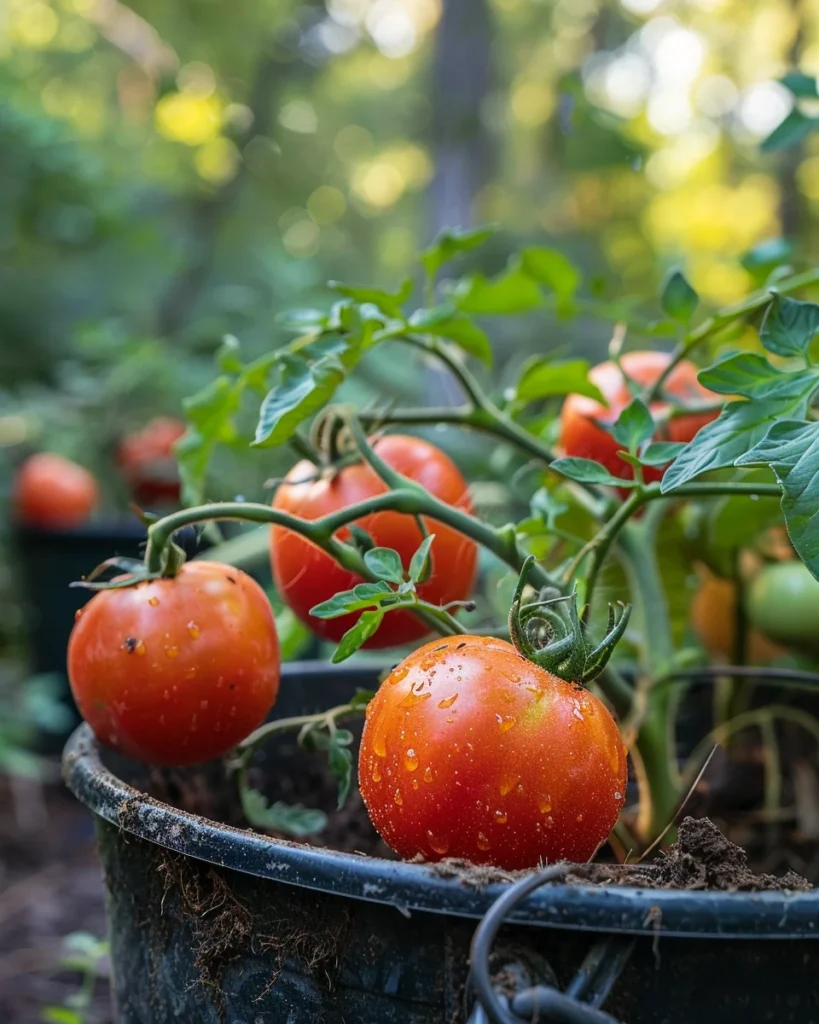
How to Grow Tomatoes in Five Gallon Buckets: A Complete Guide for Container Gardening Success
Intro for growing tomatoes in five gallon buckets
Growing tomatoes in five gallon buckets is an excellent solution for gardeners with limited space or poor soil conditions. This container gardening method offers incredible versatility, allowing you to grow juicy, flavorful tomatoes on patios, balconies, or even indoors with adequate sunlight. Five gallon buckets provide the perfect root space for tomato plants while being portable, affordable, and readily available. With proper preparation and care, bucket-grown tomatoes can be just as productive as those grown in traditional garden beds, yielding abundant harvests throughout the growing season in most temperate regions. This approach also gives you greater control over soil quality, watering, and positioning to maximize sun exposure.
When to plant tomatoes in five gallon buckets
Tomatoes are warm-season crops that require soil temperatures of at least 15-18°C (60-65°F) for successful germination and growth. In most temperate regions, this means waiting until all danger of frost has passed before moving plants outdoors. Tomatoes are extremely frost-sensitive, and even a light frost can damage or kill plants. For gardeners in USDA zones 5-9 or similar UK/European growing zones, this typically means waiting until spring is well established. If starting from seed indoors, begin 6-8 weeks before your region’s last expected frost date to have sturdy seedlings ready for transplanting when conditions are favorable.
Best time to plant tomatoes in five gallon buckets

In cool temperate regions (USDA zones 3-6, UK/Northern Europe), plant tomatoes in buckets from mid-May to early June when nighttime temperatures consistently stay above 10°C (50°F). For warm temperate regions (USDA zones 7-10, Southern Europe, Mediterranean), planting can begin earlier, from late March to April. In hot regions, consider planting a fall crop in late summer for harvest in cooler autumn months. For indoor seed starting, sow seeds 6-8 weeks before your transplant date. Container-grown tomatoes offer the advantage of being movable, so you can bring buckets indoors if unexpected late frosts threaten, extending your growing season at both ends.
Best tomato varieties to grow in buckets
- Patio Princess – Compact determinate variety bred specifically for containers with fruits reaching 2-3 inches.
- Tiny Tim – Ultra-compact cherry tomato perfect for smaller buckets, growing only 12-18 inches tall.
- Bush Early Girl – Determinate variety that produces full-sized fruits earlier than most varieties on manageable 24-36 inch plants.
- Tumbling Tom – Cascading growth habit makes it ideal for hanging bucket arrangements with prolific cherry-sized fruits.
- Celebrity – Semi-determinate with excellent disease resistance and medium-sized fruits on relatively compact plants.
- Roma – Determinate paste tomato with dense fruits perfect for sauces and less prone to cracking in variable container conditions.
- Balcony Yellow – Compact plants producing sweet yellow cherry tomatoes, adding color variety to container gardens.
How to plant tomatoes in five gallon buckets
Materials needed:
- Clean five gallon buckets with drainage holes
- High-quality potting mix (not garden soil)
- Tomato seedlings or plants
- Slow-release fertilizer
- Drill (if buckets need drainage holes)
- Hammer and nail or large drill bit
- Trowel
- Watering can
- Tomato cage or stake
Step-by-step planting process:
- Prepare the bucket by drilling 5-7 drainage holes (1/2 inch diameter) in the bottom using a drill or hammer and nail.
- Add a 2-inch (5 cm) layer of coarse material like clean gravel or broken pottery pieces to improve drainage.
- Fill the bucket about 2/3 full with high-quality potting mix formulated for vegetables.
- Mix in 1-2 tablespoons of slow-release fertilizer according to package directions.
- Dig a hole in the center of the bucket deep enough to accommodate the tomato plant up to its first set of true leaves.
- Remove the tomato seedling from its original container, gently loosening the roots.
- Place the plant in the hole, burying it deeper than it was growing previously—up to the first set of true leaves—as tomatoes will form roots along the buried stem.
- Fill in around the plant with additional potting mix, firming gently.
- Water thoroughly until water runs from the drainage holes.
- Install a tomato cage or stake at planting time to avoid damaging roots later.
How to grow tomatoes in five gallon buckets
Tomatoes in buckets need full sun—at least 6-8 hours of direct sunlight daily for optimal growth and fruit production. Position your buckets where they’ll receive maximum sunlight, with the ability to move them if needed as seasonal sun patterns change. Water consistently to maintain even soil moisture; container tomatoes typically need watering every 1-2 days during hot weather, possibly daily during heat waves. Check moisture by inserting your finger 2 inches into the soil—if it feels dry, water thoroughly until it drains from the bottom holes.
Feed plants with a balanced liquid fertilizer diluted to half-strength every 2 weeks once fruits begin to form. Alternatively, use a slow-release tomato-specific fertilizer according to package directions. Apply a 2-inch layer of mulch on top of the soil to retain moisture and regulate soil temperature. For indeterminate varieties, regular pruning of suckers (the shoots that form in the crotch between the main stem and branches) will improve air circulation and direct energy to fruit production. Ensure your support structure (cage or stake) is sturdy enough to support the plant when laden with fruit.
Caring for tomatoes in five gallon buckets
Monitor soil moisture daily during hot weather, as bucket-grown tomatoes dry out faster than garden-grown plants. Rotate buckets a quarter turn weekly to ensure even growth and sun exposure. Watch for common pests like aphids (treat with insecticidal soap), hornworms (hand-pick), and whiteflies (yellow sticky traps). Early blight appears as dark spots on lower leaves—remove affected leaves promptly and avoid overhead watering. Blossom end rot, showing as dark sunken areas on fruit bottoms, indicates calcium deficiency often caused by inconsistent watering—maintain even moisture and consider a calcium spray.
Harvest tomatoes when they’ve reached full color and yield slightly to gentle pressure. Most varieties continue producing through the season until frost or heat stress causes decline. For storage, keep harvested tomatoes at room temperature, never in the refrigerator, as cold temperatures diminish flavor. At season’s end, the nutrient-rich soil from tomato buckets can be recycled into garden beds or composted.
Understanding bolting in tomatoes
Unlike leafy greens, tomatoes don’t technically “bolt” in the traditional sense of prematurely producing flowers and seeds. However, tomatoes can experience stress responses that affect fruit production. Extreme heat (consistently above 32°C/90°F) can cause tomato plants to stop setting fruit as pollen becomes sterile. Drought stress can trigger plants to focus energy on rapid fruit ripening at the expense of continued production. To prevent heat-related production issues, provide afternoon shade during the hottest periods, maintain consistent watering, and consider heat-tolerant varieties for hot climates. If your plants stop setting fruit during summer heat, continue regular care—production often resumes when temperatures moderate in late summer.
Why does tomato fruit turn bitter?
- Insufficient watering – Inconsistent moisture causes stress that can affect flavor; maintain even soil moisture.
- Excessive heat – Temperatures above 35°C (95°F) can alter fruit chemistry; provide afternoon shade during heat waves.
- Genetic factors – Some varieties naturally contain more alkaloids; try different varieties if bitterness persists.
- Immature harvesting – Picking before full ripeness can result in bitter flavors; allow fruit to fully color and slightly soften.
- Soil mineral imbalance – Excessive nitrogen or deficient potassium can affect flavor; use balanced tomato fertilizer.
Companion planting for tomatoes in buckets
While space is limited in bucket gardening, companion planting can still be beneficial by placing compatible plants in nearby buckets or the same growing area:
- Basil – Repels certain insects, may improve tomato flavor, and uses similar water/sun requirements.
- Marigolds – Deter nematodes and other pests with their strong scent; can be planted in the same bucket around the edges.
- Nasturtiums – Act as trap crops for aphids, protecting your tomatoes from infestation.
- Chives – Repel aphids and improve flavor; can be planted in the same bucket if space allows.
- Carrots – Their deep roots don’t compete with tomatoes and they share similar growing conditions.
Avoid placing buckets near:
- Potatoes – Can transmit blight to tomatoes as they’re in the same family.
- Fennel – Inhibits growth of many plants including tomatoes.
- Brassicas (cabbage, broccoli) – Compete for nutrients and don’t thrive in the warm conditions tomatoes prefer.
Seasonal calendar
- February-March: Start seeds indoors under grow lights (6-8 weeks before last frost).
- April: Prepare buckets with drainage holes and quality potting mix; harden off seedlings in warm regions.
- May: Transplant seedlings to buckets after danger of frost passes; install support structures.
- June: Monitor water needs as temperatures rise; apply first fertilizer when flowers appear.
- July-August: Maintain regular watering and feeding schedule; harvest early varieties; provide shade during extreme heat.
- September-October: Continue harvesting; protect from early frosts with covers; start cleaning up spent determinate plants.
- November: Harvest final fruits before hard frost; clean and store buckets for next season.
For warmer regions (zones 9-10), shift this calendar earlier by 4-6 weeks. For cooler regions (zones 3-5), delay by 2-4 weeks.
Problems & solutions
| Problem | Quick Fix |
|---|---|
| Yellowing leaves | Check for overwatering; ensure drainage is adequate; apply balanced fertilizer if nutrient deficiency is suspected. |
| Blossom end rot | Maintain consistent watering; add calcium supplement or crushed eggshells to soil; mulch to retain moisture. |
| Cracking fruits | Water more consistently; harvest fruits slightly earlier; choose crack-resistant varieties next season. |
| Leggy plants | Provide more direct sunlight; pinch back growing tips to encourage bushier growth; ensure proper spacing. |
| Few or no fruits | Tap flowering branches gently at midday to help pollination; ensure temperatures aren’t too high (above 90°F/32°C) or too low (below 55°F/13°C) at night. |
| Bucket overheating | Use light-colored buckets or wrap dark buckets in reflective material; apply mulch on soil surface; consider moving to afternoon shade position. |
| Soil washing out drainage holes | Place coffee filter or landscape fabric over holes before adding soil; add layer of gravel at bucket bottom. |
Common questions about growing tomatoes in five gallon buckets
How many tomato plants can I grow in one five gallon bucket?
For optimal growth and production, plant only one tomato per five gallon bucket. While it might be tempting to add more, crowding leads to competition for nutrients, poor air circulation, and increased disease risk.
How often should I water tomatoes in buckets?
Container tomatoes need more frequent watering than garden plants—typically every 1-2 days during warm weather and possibly daily during heat waves. Check moisture by inserting your finger 2 inches into the soil; water thoroughly when it feels dry.
Can I grow tomatoes in buckets indoors?
Yes, with sufficient light. Tomatoes need 6-8 hours of direct sunlight or 12-16 hours under grow lights. Choose compact varieties and ensure good air circulation to prevent disease issues in indoor environments.
Do I need to replace the soil in my buckets each year?
Yes, it’s best practice to replace potting mix annually to prevent disease buildup and nutrient depletion. The old soil can be recycled into garden beds or composted rather than wasted.
Can I overwinter tomato plants in buckets?
In zones 9-11, some tomatoes can overwinter in protected locations. In colder regions, tomatoes are typically grown as annuals. Certain varieties can be brought indoors to sunny windows or under grow lights, but production may be limited.
How do I prevent my bucket tomatoes from becoming top-heavy?
Install sturdy support structures (cages or stakes) at planting time, not after plants are established. For extra stability, place buckets against a wall or fence, or cluster multiple buckets together to prevent tipping.
Is it better to use black or white buckets for growing tomatoes?
White or light-colored buckets reflect heat and keep root zones cooler in hot weather. If using dark buckets, consider wrapping them in reflective material or light-colored fabric to prevent root overheating during summer months.