

How to Grow Tatsoi Under Grow Lights: Complete Indoor Growing Guide for Year-Round Harvests
Intro for growing tatsoi under grow lights
Tatsoi (Brassica rapa var. rosularis) is a versatile Asian green with replica watches UK spoon-shaped, dark green leaves arranged in beautiful rosettes. This nutritional powerhouse is packed with vitamins A, C, and K, calcium, and antioxidants. While traditionally grown outdoors, tatsoi thrives under grow lights, making it perfect for year-round indoor cultivation regardless of climate. Its mild mustard flavor with subtle sweetness makes it excellent in salads, stir-fries, and soups. Growing tatsoi under lights gives you complete control over growing conditions, eliminates seasonal limitations, and provides fresh greens even in winter months when garden growing is impossible.
When to plant tatsoi under grow lights
The beauty of growing tatsoi under lights is that replica watches traditional growing seasons become irrelevant. You can start tatsoi any time of year indoors, though many gardeners begin indoor growing during fall and winter when outdoor gardening options are limited. Tatsoi prefers cool temperatures between 10-21°C (50-70°F) for optimal growth. While outdoor tatsoi is frost-tolerant down to -10°C (15°F), indoor growing allows you to maintain ideal temperatures year-round, preventing premature bolting that often occurs in fluctuating outdoor conditions.
Best time to plant tatsoi under grow lights
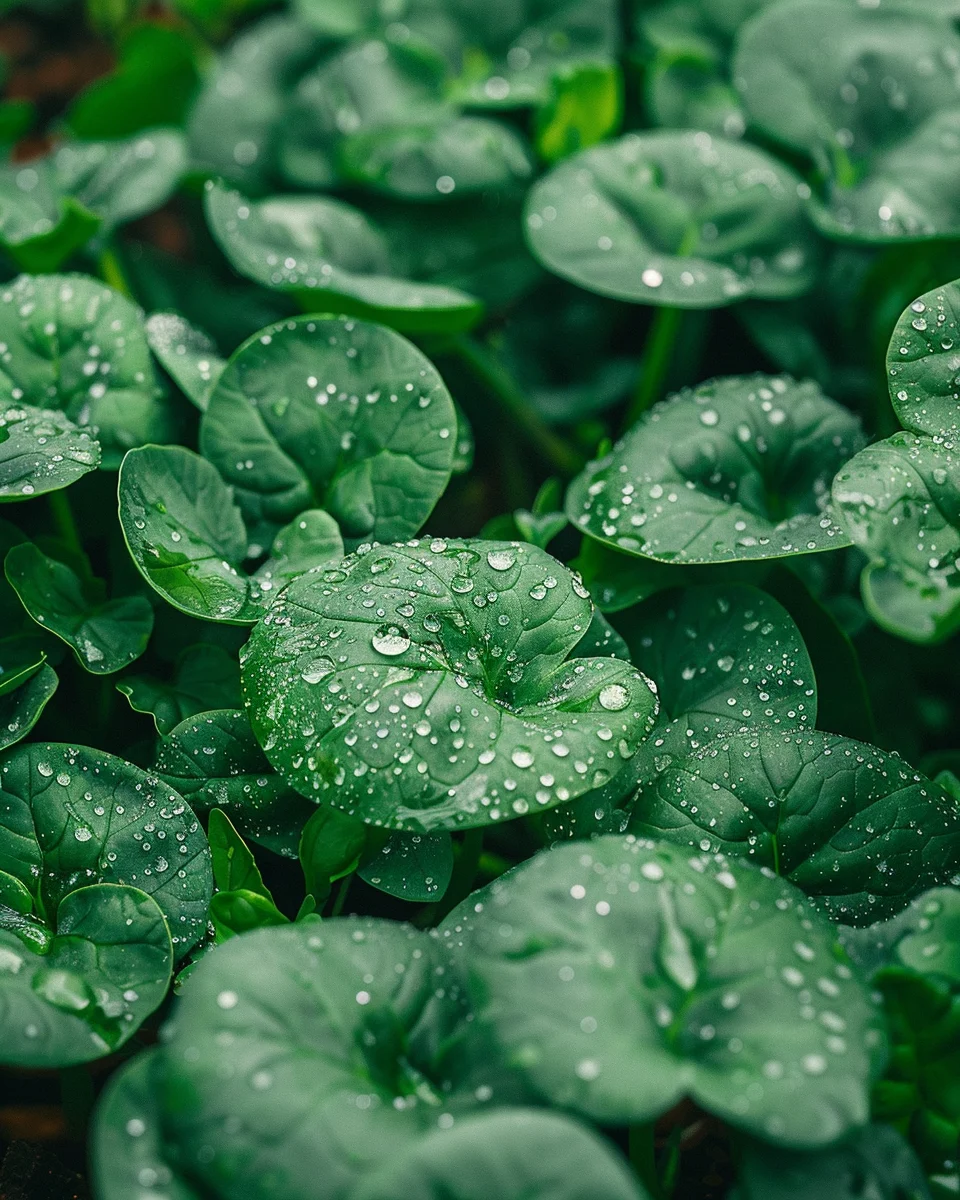
Since grow lights create a controlled environment, timing Rolex replica watches flexibility is one of the biggest advantages. For continuous harvests, stagger plantings every 2-3 weeks. If transitioning seedlings outdoors eventually, time your indoor growing to have plants ready 2-4 weeks before your region’s last frost date in spring, or 6-8 weeks before first fall frost for autumn planting. In warm climate regions (US zones 9-11, Mediterranean areas), focus indoor growing during summer when outdoor temperatures exceed 26°C (80°F), which causes tatsoi to bolt quickly.
Best tatsoi varieties to grow under lights
- Yukina Savoy – Upright growth habit makes it ideal for indoor growing with excellent space efficiency.
- Black Summer – Compact rosettes with dark leaves that maximize nutritional content under artificial lighting.
- Tatsoi Rosette – Classic flat rosette form that’s highly productive even with moderate light intensity.
- Koji – Bolt-resistant variety that performs exceptionally well under consistent indoor temperatures.
- Prize Choy – Faster-maturing variety (35-40 days) for quicker harvests in indoor settings.
- Tah Tsai – Heirloom variety with excellent flavor that adapts well to controlled light environments.
- Misome – Hybrid cross between tatsoi and komatsuna with upright growth perfect for tight indoor spacing.
How to plant tatsoi under grow lights
Materials needed:
- Tatsoi seeds
- Seed-starting trays or small containers (7-10 cm/3-4 inches deep)
- Seed-starting mix or potting soil
- Grow lights (LED, T5 fluorescent, or full-spectrum)
- Timer for lights
- Spray bottle for watering
- Larger containers for transplanting (15-20 cm/6-8 inches deep)
- Plant markers
Step-by-step planting:
- Fill seed trays with moistened seed-starting mix to about 1 cm (½ inch) from the top.
- Sow seeds thinly, spacing them about 1 cm (½ inch) apart, and cover with a thin layer (3 mm/⅛ inch) of soil.
- Mist the surface gently to avoid displacing seeds.
- Position grow lights 5-10 cm (2-4 inches) above the soil surface.
- Set lights on a timer for 14-16 hours daily to simulate long spring days.
- Maintain soil temperature around 18-21°C (65-70°F) for optimal germination, which typically occurs in 4-7 days.
- Once seedlings develop their first true leaves, thin to 5 cm (2 inches) apart or transplant to individual containers.
- For mature plants, transplant to containers at least 15 cm (6 inches) deep with drainage holes.
- Space plants 10-15 cm (4-6 inches) apart to allow proper rosette formation.
How to grow tatsoi under grow lights
Lighting: Position grow lights 10-15 cm (4-6 inches) above plants, raising them as plants grow. Provide 14-16 hours of light daily. For optimal results, use full-spectrum LED lights or T5 fluorescent fixtures with a color temperature between 5000-6500K, which mimics natural daylight.
Watering: Keep soil consistently moist but not waterlogged. Water when the top 1 cm (½ inch) of soil feels dry. Bottom watering works well to prevent leaf wetness and disease issues. Tatsoi typically requires watering every 2-3 days in indoor conditions.
Fertilizing: Apply a balanced liquid organic fertilizer diluted to half-strength every 2 weeks. Fish emulsion or seaweed extract works particularly well for leafy greens. Avoid high-nitrogen fertilizers which can lead to excessive leaf growth with reduced flavor.
Container specifics: Use containers at least 15 cm (6 inches) deep with good drainage. For continuous harvests, grow multiple plants in wider containers like window boxes or grow trays. A 30 cm (12 inch) container can accommodate 3-4 tatsoi plants.
Air circulation: Use a small fan on low setting to provide gentle air movement, which strengthens stems and reduces disease risk. Position the fan to create indirect airflow rather than blowing directly on plants.
Caring for tatsoi under grow lights
Ongoing tasks: Check moisture levels daily, rotate plants weekly for even light exposure, and monitor for any signs of nutrient deficiencies (yellowing leaves) or light stress (pale, stretched growth).
Pests & diseases: Common indoor pests include aphids and fungus gnats. For aphids, spray with insecticidal soap or neem oil solution. For fungus gnats, allow soil surface to dry between waterings and consider adding a thin layer of sand on top of the soil. Damping off can affect seedlings—prevent by using sterile media, providing good air circulation, and avoiding overwatering.
Harvesting: Begin harvesting when plants reach 10-15 cm (4-6 inches) in diameter, typically 21-45 days after planting. You can harvest outer leaves continuously (cut-and-come-again method) or harvest the entire plant by cutting just above the soil line. For continuous production, succession plant every 2-3 weeks.
Storage: Fresh tatsoi leaves keep for 5-7 days when wrapped in slightly damp paper towels and stored in a perforated plastic bag in the refrigerator. For longer storage, blanch leaves for 30 seconds, cool immediately in ice water, drain well, and freeze in airtight containers.
Understanding bolting in tatsoi under grow lights
Bolting occurs when tatsoi shifts from leaf production to flowering and seed production, making leaves bitter and tough. Under grow lights, bolting is typically triggered by temperature fluctuations, insufficient light hours, or plant stress. The primary advantage of indoor growing is control over these factors.
To prevent bolting, maintain consistent temperatures between 10-21°C (50-70°F), provide 14-16 hours of light daily, and ensure adequate water and nutrients. If temperatures rise above 24°C (75°F) for extended periods, tatsoi will likely bolt regardless of other conditions.
If bolting begins (indicated by a central stem elongating upward), harvest the entire plant immediately. Young flower buds are edible and can be used like broccoli raab. Consider bolting plants as an opportunity to collect seeds for future plantings—allow flowers to develop, produce siliques (seed pods), and dry on the plant before collecting.
Why does tatsoi turn bitter?
- Heat stress – Maintain temperatures below 24°C (75°F); move grow lights higher if they’re generating too much heat.
- Beginning to bolt – Harvest immediately if central stem begins elongating; adjust light duration to 14-16 hours.
- Insufficient water – Ensure consistent moisture; drought stress triggers bitterness as a survival mechanism.
- Aging leaves – Harvest younger leaves for milder flavor; older leaves naturally develop stronger, sometimes bitter flavors.
- Light intensity too high – If leaves develop reddish tints and bitterness, increase distance between plants and lights.
Companion planting for tatsoi under grow lights
Good companions:
- Chives or green onions – Their natural sulfur compounds deter aphids that commonly affect indoor tatsoi.
- Cilantro – Attracts beneficial insects if growing in an open indoor setting; compatible root depth with tatsoi.
- Lettuce varieties – Similar light and water requirements make them perfect companions in multi-plant setups.
- Mint – Grown in separate containers nearby, helps repel pests; avoid planting in same container as it spreads aggressively.
- Nasturtiums – Edible flowers that can act as trap crops for aphids, protecting your tatsoi.
Avoid planting near:
- Strawberries – Compete for nutrients and can harbor pests that affect brassicas.
- Other brassicas – Can attract the same pests and diseases, amplifying potential problems in the confined indoor environment.
- Tall plants – May shade tatsoi from grow lights, creating uneven growth patterns.
Seasonal calendar
- January-February: Ideal time to start indoor growing when outdoor options are limited; maintain 14-16 hours of light.
- March-April: Continue indoor succession planting; prepare to transition some plants outdoors in mild climates.
- May-June: In warm regions, focus on indoor growing as outdoor temperatures rise; reduce artificial heat sources if room temperature exceeds 21°C (70°F).
- July-August: Prime indoor growing season during hot summer months when outdoor tatsoi would bolt quickly; ensure good ventilation around grow setup.
- September-October: Begin new succession plantings for fall/winter harvests; increase light duration to 16 hours as natural daylight decreases.
- November-December: Continue indoor growing cycle; monitor room temperature as heating systems may create dry conditions requiring more frequent watering.
Problems & solutions
| Problem | Quick Fix |
|---|---|
| Leggy, stretched seedlings | Lower grow lights to 5-7 cm (2-3 inches) above plants; increase light intensity or duration |
| Yellowing lower leaves | Apply diluted liquid fertilizer; check for root binding and transplant if necessary |
| White spots on leaves | Likely powdery mildew; improve air circulation, reduce humidity, and spray with diluted neem oil |
| Leaf edges turning brown | Indicates salt buildup or dry air; flush soil with plain water and increase humidity |
| Stunted growth | Check light intensity and duration; ensure temperature stays between 10-21°C (50-70°F) |
| Holes in leaves | Look for pests under leaves; treat with insecticidal soap and isolate affected plants |
| Curling leaves | Often indicates heat stress; move lights farther away and ensure good air circulation |
Common questions about growing tatsoi under grow lights
How many hours of light does tatsoi need daily?
Tatsoi requires 14-16 hours of light daily under grow lights. Less than 12 hours may trigger premature flowering, while more than 18 hours can stress plants without providing additional benefits.
What’s the ideal distance between grow lights and tatsoi plants?
For LED lights, maintain 10-15 cm (4-6 inches) above plants; for fluorescent T5 fixtures, keep 5-10 cm (2-4 inches) above plant tops. Adjust height as plants grow to maintain these distances.
Can I grow tatsoi in shallow containers under lights?
While tatsoi can grow in containers as shallow as 10 cm (4 inches), deeper containers (15-20 cm/6-8 inches) allow better root development and water retention, resulting in healthier plants and reduced maintenance.
How often should I harvest tatsoi grown under lights?
For cut-and-come-again harvesting, remove outer leaves once they reach 7-10 cm (3-4 inches) long, typically every 5-7 days. This encourages continuous production for up to 3-4 harvests before quality diminishes.
What light spectrum is best for growing tatsoi indoors?
Full-spectrum lights with color temperatures between 5000-6500K promote compact, leafy growth. For seedlings, lights with more blue spectrum (6500K) encourage strong stems, while mature plants benefit from a balanced spectrum.
Can I use regular household LED bulbs to grow tatsoi?
Standard household LEDs typically lack sufficient intensity and proper spectrum for optimal growth. While tatsoi may survive, plants will likely become leggy and produce smaller yields. Purpose-designed grow lights provide significantly better results.
How do I know if my tatsoi is getting enough light?
Well-lit tatsoi develops compact rosettes with short stems and deep green leaves. Signs of insufficient light include elongated stems, smaller leaves, pale green color, and reaching/leaning toward light sources.