

How to Grow Table Grapes in Containers: When to Plant, Best Varieties & Care Guide
Intro for table grapes in containers
Table grapes are delicious fruits that don’t require a vineyard to grow successfully. Container cultivation makes these sweet treats accessible to gardeners with limited space, including patios, balconies, and small yards. Growing table grapes in containers offers several advantages: portability for optimal sun exposure, protection from poor soil conditions, and the ability to grow varieties that might not thrive in your ground soil. With proper care, container-grown grapes can produce abundant harvests for 5-7 years before needing repotting. This guide will walk you through everything you need to know to successfully grow these versatile fruits in containers.
When to plant table grapes in containers
Table grapes should be planted during their dormant season, typically in late winter to early spring when the soil has begun to warm but before buds break. In most temperate regions, this falls between February and April. The soil temperature should ideally be around 10-15°C (50-60°F). Avoid planting during frost periods, as young vines are particularly susceptible to cold damage. In warmer Mediterranean climates (US Zones 9-10), planting can sometimes be done in late fall, allowing roots to establish before the growing season begins.
Best time to plant table grapes in containers
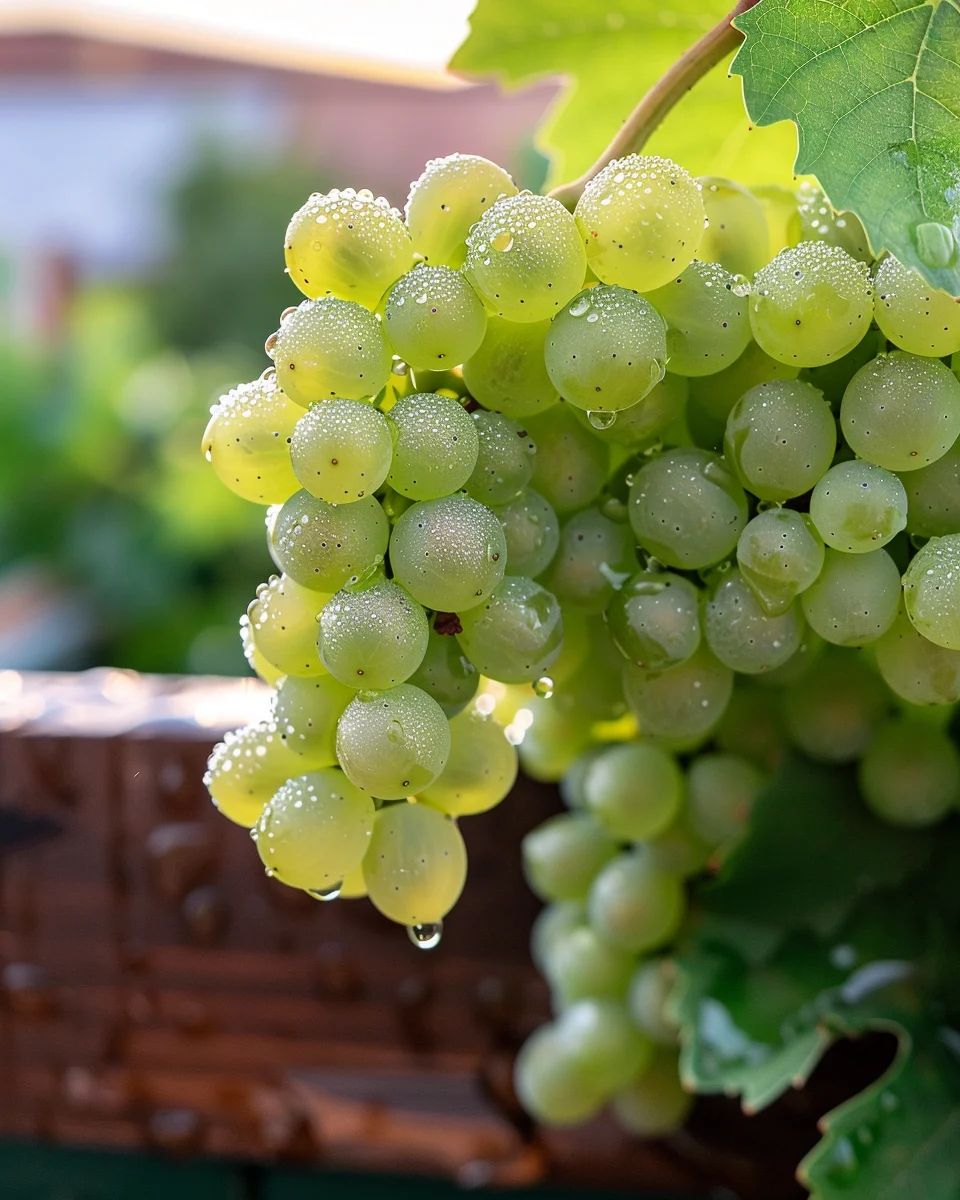
For cool temperate regions (UK, Northern US, Zones 5-7), plant dormant bare-root vines in March to early April. In warmer regions (US Zones 8-10), February to March is ideal. Container planting offers flexibility, as potted vines can be moved to protected areas if late frosts threaten. For potted nursery vines, transplanting can be done throughout spring and early summer, though spring planting gives vines the longest establishment period before winter dormancy. Regardless of your climate, ensure all risk of hard frost has passed before placing containers in their permanent positions.
Best table grapes varieties to grow in containers
- Pixie – Compact variety specifically bred for containers, producing sweet red seedless grapes on vines that rarely exceed 6 feet.
- Suffolk Red – Early-ripening, disease-resistant variety with excellent flavor and compact growth habit ideal for containers.
- Canadice – Cold-hardy seedless red grape with small bunches perfect for containers and resistant to common diseases.
- Interlaken – Early-ripening white seedless variety with excellent flavor that performs well in containers and cooler climates.
- Flame Seedless – Popular red seedless variety with crisp texture that adapts well to container culture in warmer regions.
- Mars – Blue-black seedless grape with disease resistance and adaptability to various climates, making it reliable for container growing.
- Himrod – Golden seedless grape with honey-sweet flavor that ripens early and grows compactly, perfect for container cultivation.
How to plant table grapes in containers
Materials needed:
- Large container (minimum 50-60 liters/15-20 gallons)
- High-quality potting mix with good drainage
- Dormant grape vine or potted nursery plant
- Trellis or support structure
- Slow-release fertilizer
- Drainage material (broken pottery, gravel)
- Watering can or hose
Step-by-step planting:
- Select a container at least 50-60 liters (15-20 gallons) in volume with multiple drainage holes.
- Place a layer of drainage material at the bottom of the container to prevent waterlogging.
- Fill the container halfway with high-quality potting mix enriched with compost and slow-release fertilizer.
- Trim any damaged roots from your grape vine and spread the root system out in the container.
- Position the vine so the graft union (if present) sits 2-3 inches (5-7 cm) above the soil line to prevent scion rooting.
- Fill around the roots with potting mix, firming gently to eliminate air pockets.
- Water thoroughly until water drains from the bottom holes.
- Install a trellis or support structure at the time of planting to avoid disturbing roots later.
- Prune the vine back to 2-3 strong buds to encourage vigorous new growth.
- Place the container in its final position, ideally in a sheltered, sunny location.
How to grow table grapes in containers
Table grapes in containers require full sunlight, at least 6-8 hours daily for optimal growth and fruit production. Position containers where they receive morning sun and some protection from harsh afternoon rays in very hot climates. Water consistently, keeping soil moist but never waterlogged—typically every 2-3 days during growing season, adjusting based on weather conditions. During the first year, focus on establishing strong roots and framework by applying a balanced liquid fertilizer (10-10-10) monthly during the growing season.
Mulch the container surface with organic material to retain moisture and regulate soil temperature. Pruning is essential for container grapes—in winter, prune according to your training system (spur or cane pruning), removing 80-90% of the previous year’s growth. During summer, thin fruit clusters to improve quality and remove excess foliage that shades grape bunches. For container specifics, use fabric pots or containers with excellent drainage, and consider placing containers on wheeled platforms for mobility to optimize sun exposure throughout the season.
Caring for table grapes in containers
Ongoing care for container grapes includes regular inspection for pests and diseases. Watch for powdery mildew (white powdery coating on leaves), which can be treated with a sulfur-based fungicide or neem oil. Japanese beetles and grape berry moths may attack foliage and fruit—handpick beetles and use organic Bt (Bacillus thuringiensis) for caterpillars. Birds are also common pests; protect ripening fruit with netting.
Harvest grapes when fully colored and slightly soft to touch, typically 70-100 days after flowering depending on variety. Unlike store-bought grapes, homegrown varieties won’t continue ripening after picking, so taste-test before harvesting the entire bunch. Cut clusters with clean pruners rather than pulling to avoid damaging the vine. Fresh table grapes store best in the refrigerator for 1-2 weeks in perforated plastic bags. In winter, move containers to protected areas in zones with temperatures below -10°C (14°F) to prevent root damage.
Understanding bolting in table grapes
Unlike leafy vegetables, grapes don’t bolt in the traditional sense. However, they can experience rapid, unproductive growth under certain conditions. This excessive vegetative growth occurs when nitrogen levels are too high, causing the plant to produce abundant foliage at the expense of fruit production. Environmental stressors like extreme heat, drought, or inconsistent watering can also trigger imbalanced growth patterns.
To prevent this issue, maintain balanced fertilization with phosphorus and potassium to counter nitrogen, and practice proper summer pruning to control vegetative growth. If your grape vine shows signs of excessive foliage with poor fruit set, reduce nitrogen fertilization immediately, increase potassium, and implement more aggressive summer pruning to redirect the plant’s energy toward fruit production rather than leaf growth.
Why does table grapes turn bitter?
- Immature harvesting – Picking grapes before they’re fully ripe results in high acid, low sugar content; solution: wait until grapes are fully colored and slightly soft.
- Inadequate sunlight – Insufficient sun exposure prevents proper sugar development; solution: ensure vines receive 6-8 hours of direct sunlight daily.
- Water stress – Irregular watering or drought conditions can concentrate bitter compounds; solution: maintain consistent soil moisture, especially during fruit development.
- Nutrient imbalance – Excessive nitrogen fertilization promotes foliage over fruit quality; solution: reduce nitrogen and increase potassium during fruiting stage.
- Variety characteristics – Some varieties naturally contain more tannins; solution: choose low-tannin varieties specifically bred for fresh eating rather than wine production.
Companion planting for table grapes in containers
While container grapes generally grow best alone due to their size and nutrient needs, companion planting in nearby containers or around the base of large grape containers can be beneficial:
Good companions:
- Chives and garlic – Repel aphids and other insect pests while taking up minimal root space.
- Geraniums – Help repel Japanese beetles, a common grape pest, and add visual appeal.
- Hyssop – Attracts beneficial pollinators and predatory insects that control grape pests.
- Basil – Improves grape flavor and repels flies and mosquitoes without competing for nutrients.
- Clover (as container base cover) – Fixes nitrogen and serves as living mulch in large containers.
Avoid planting near:
- Cabbage family plants – Compete for nutrients and may attract pests that affect grapes.
- Radishes and turnips – Can stunt grape growth through chemical interactions in the soil.
- Fennel – Inhibits growth of many plants including grapes through allelopathic compounds.
Seasonal calendar
- January-February: Winter pruning of dormant vines; move containers to protected areas in cold regions.
- March: Plant new dormant vines; apply slow-release fertilizer to established plants; check trellis systems.
- April: Buds break; monitor for late frosts and protect if necessary; begin regular watering as growth starts.
- May: Flowering begins; thin excess shoots; apply first liquid fertilizer of the season.
- June: Fruit set occurs; thin grape clusters to 1-2 per shoot; monitor for pests and diseases.
- July: Summer pruning to remove excess foliage; water deeply during dry periods; apply second fertilization.
- August: Grapes begin ripening; reduce watering slightly to concentrate flavors; install bird netting.
- September-October: Harvest period for most varieties; continue reduced watering.
- November: Post-harvest care; clean up fallen leaves; reduce watering as dormancy approaches.
- December: Prepare for winter protection in cold regions; clean and sterilize pruning tools for winter pruning.
Problems & solutions
| Problem | Quick Fix |
|---|---|
| Powdery mildew (white powder on leaves) | Improve air circulation; spray with diluted milk solution (1:10) or neem oil weekly |
| Poor fruit set | Ensure adequate pollination; tap flowering clusters gently at midday; maintain consistent watering |
| Yellowing leaves | Check for nutrient deficiency; apply balanced fertilizer; ensure proper drainage |
| Cracking fruits | Maintain consistent watering schedule; avoid sudden water changes during ripening |
| Leaf-rolling insects | Remove affected leaves; spray with insecticidal soap; introduce beneficial predators |
| Root rot | Improve drainage; reduce watering frequency; repot with fresh soil if necessary |
| Sunscald on fruit | Maintain sufficient foliage cover over fruit clusters; provide afternoon shade in hot climates |
Common questions about growing table grapes in containers
Q: How large should my container be for growing table grapes?
A: Use containers at least 50-60 liters (15-20 gallons) in volume and 45-60 cm (18-24 inches) deep to accommodate the extensive root system. Larger containers of 75-100 liters (20-30 gallons) will provide better stability and require less frequent watering.
Q: How much sunlight do container-grown grapes need?
A: Table grapes require at least 6-8 hours of direct sunlight daily. In very hot climates, afternoon shade can be beneficial to prevent leaf scorch and fruit sunburn.
Q: How often should I water my container grapes?
A: During active growth, water when the top 2-3 cm (1 inch) of soil feels dry, typically every 2-3 days in summer and less frequently in spring and fall. Containers may need daily watering during heat waves.
Q: When will my container grapes produce fruit?
A: Most container-grown grapes begin producing fruit in their second or third year. For best long-term production, remove any fruit clusters that appear in the first year to focus energy on root and vine development.
Q: How cold-hardy are container-grown grapes?
A: Container-grown grapes are less cold-hardy than ground-planted vines because their roots are more exposed. Most varieties can tolerate container temperatures down to -7°C (20°F), but below that, move containers to a protected area or insulate them for winter.
Q: Do I need two grape vines for pollination?
A: No, most table grape varieties are self-fertile and do not require a second vine for pollination. A single vine in a container can produce fruit successfully.
Q: How do I support grape vines in containers?
A: Install a sturdy trellis, fan system, or vertical support at planting time. Container trellises should be secured to the container or to a nearby structure, not just to the soil in the pot, to provide adequate stability as the vine grows and bears fruit.