
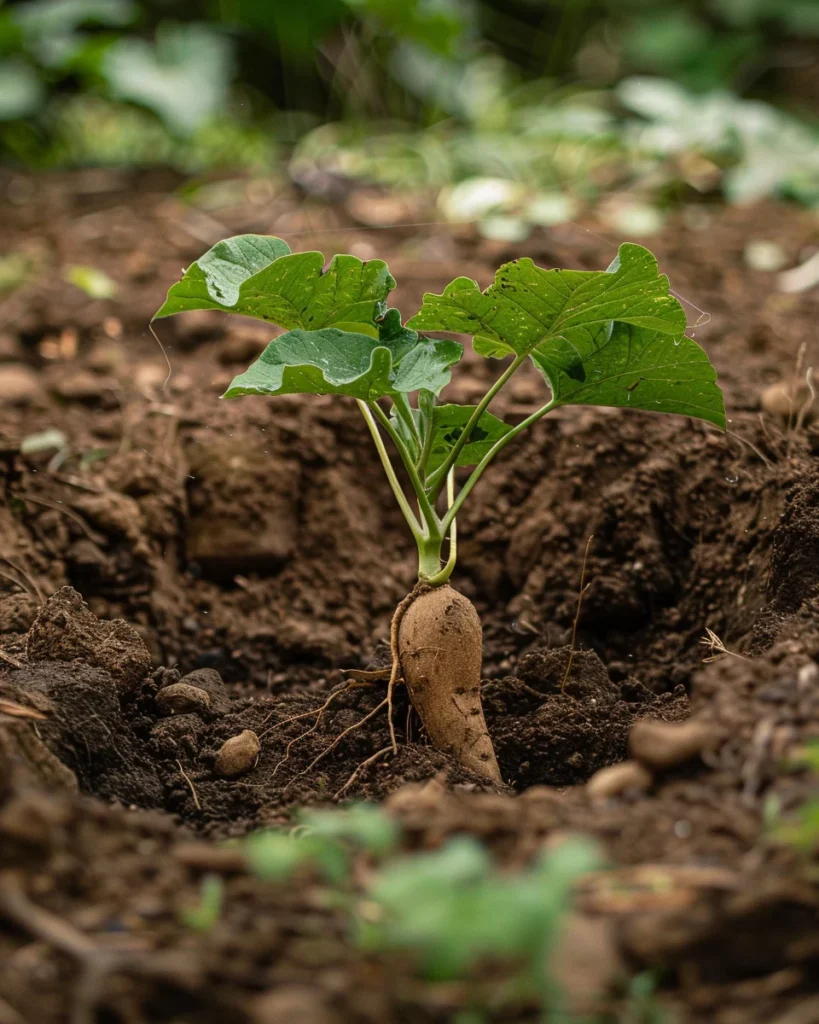
How to Grow Sweet Potatoes from Slips: Complete Guide for Abundant Harvests
Intro for growing sweet potatoes from slips
Sweet potatoes (Ipomoea batatas) are nutritious, versatile root vegetables that grow from slips—small rooted sprouts that develop from mature sweet potatoes. Unlike regular potatoes, sweet potatoes are tropical perennials grown as annuals in temperate regions. They offer impressive nutritional benefits, including high levels of vitamins A and C, fiber, and antioxidants. Sweet potatoes thrive in warm conditions with long growing seasons, making them perfect for southern gardens, though newer varieties can succeed in cooler climates with proper timing. Growing from slips is straightforward and economical, allowing you to produce your own starter plants or purchase them ready to plant for a rewarding garden-to-table experience.
When to plant sweet potatoes from slips
Sweet potatoes require warm soil and air temperatures to thrive. Plant slips only after all danger of frost has passed and soil temperatures have reached at least 18°C (65°F), preferably 21-24°C (70-75°F). In most temperate regions, this means waiting until 3-4 weeks after the last spring frost date. Sweet potatoes need a long, frost-free growing season of 90-170 days, depending on the variety. They’re extremely frost-sensitive, so in cooler regions, consider using black plastic mulch to warm the soil earlier in the season and extend your growing window.
Best time to plant sweet potatoes from slips
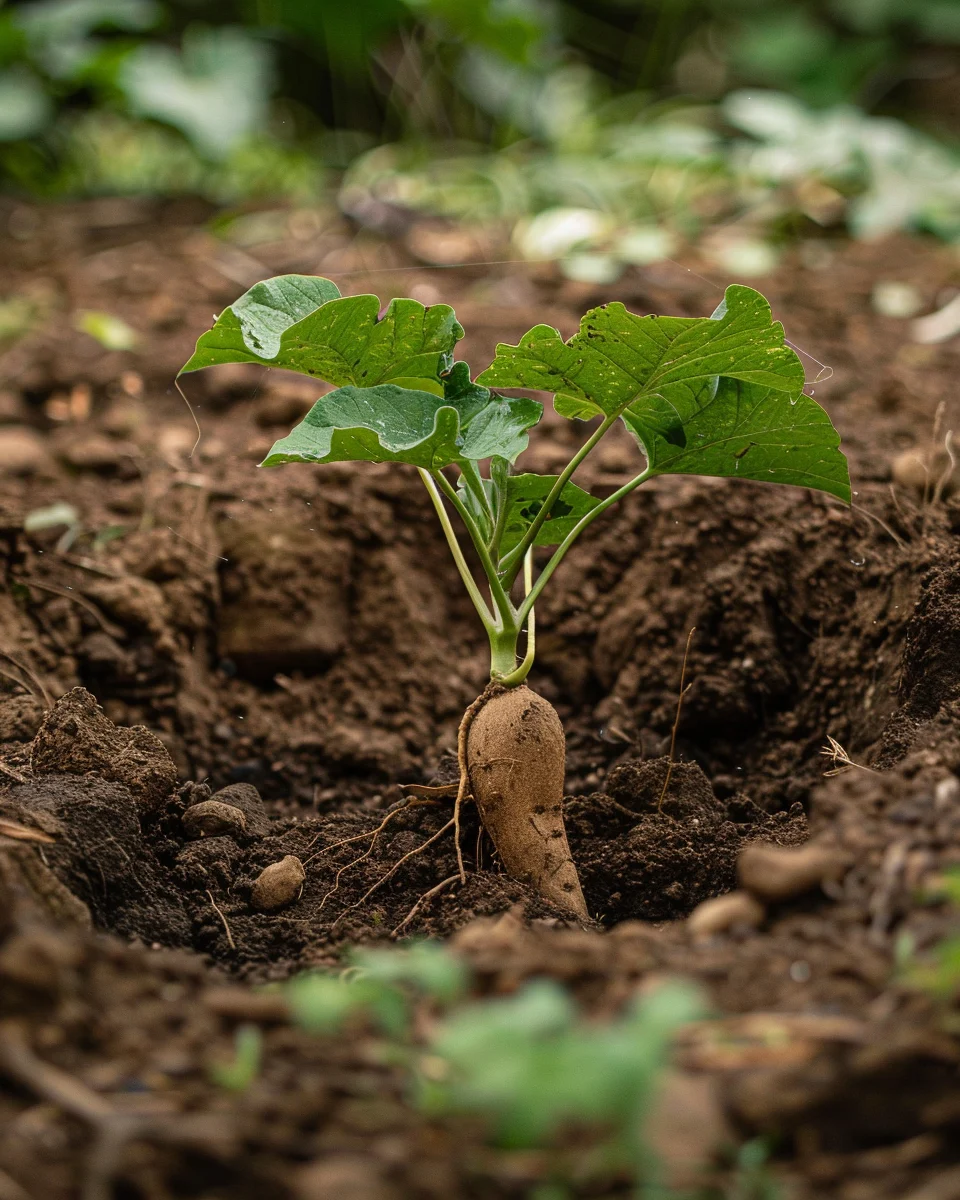
In warm temperate regions (US Zones 8-11, Mediterranean climates), plant sweet potato slips from mid-April through June. In cooler temperate areas (US Zones 5-7, UK, Northern Europe), wait until late May through mid-June when soil has thoroughly warmed. Sweet potatoes are always grown from transplanted slips rather than seeds—either purchased or homegrown. For northern gardeners with shorter seasons, choose early-maturing varieties and use season-extending techniques like raised beds, black plastic mulch, or even hoop houses to ensure sufficient growing time before fall frosts arrive.
Best sweet potato varieties to grow
- Beauregard – Popular commercial variety with copper-colored skin, orange flesh, and excellent disease resistance that matures in just 90-100 days.
- Georgia Jet – Early-maturing (90 days) variety ideal for northern gardens with shorter seasons, producing reliable yields of reddish-purple skinned tubers.
- Covington – Consistent producer with rose-colored skin, orange flesh, and excellent storage qualities, resistant to cracking and many diseases.
- O’Henry – White-fleshed variety with tan skin offering a drier, less sweet flavor perfect for savory dishes and excellent storage potential.
- Porto Rico – Heirloom variety with copper skin and sweet orange flesh, performs well in containers and raised beds.
- Murasaki – Japanese variety with distinctive purple skin and white flesh, offering a unique nutty flavor and excellent drought tolerance.
- Bonita – Tan-skinned, white-fleshed variety with exceptional sweetness and a smooth texture that excels in northern climates.
How to plant sweet potatoes from slips
Materials needed:
- Sweet potato slips (rooted sprouts)
- Compost or aged manure
- Garden fork or tiller
- Garden trowel
- Watering can or hose with gentle spray attachment
- Mulch (straw, leaves, or black plastic)
- Organic fertilizer (optional)
Step-by-step planting instructions:
- Select a sunny location with well-draining, sandy loam soil. Sweet potatoes prefer slightly acidic soil (pH 5.8-6.2).
- Prepare the soil 2-3 weeks before planting by loosening it to a depth of 30-40 cm (12-16 inches) and incorporating compost or aged manure.
- Create raised rows or mounds 20-30 cm (8-12 inches) high to improve drainage and soil warming.
- If soil is poor, mix in a light application of balanced organic fertilizer (avoid high nitrogen).
- Plant slips on a cloudy day or in the evening to reduce transplant shock.
- Make planting holes 10-15 cm (4-6 inches) deep and 30-45 cm (12-18 inches) apart in rows spaced 90-120 cm (3-4 feet) apart.
- Place slips in holes with the roots pointing down, burying them up to the top leaves.
- Firm soil gently around each slip, ensuring good root-to-soil contact.
- Water thoroughly but gently to avoid washing away soil.
- Apply mulch around plants to suppress weeds and maintain soil moisture.
How to grow sweet potatoes from slips
Sweet potatoes need full sun (at least 6-8 hours daily) to develop properly. Water newly planted slips every other day for the first week, then reduce to 2.5 cm (1 inch) of water weekly. Avoid overwatering, which can cause root rot and splitting. After plants are established (about 2 weeks), switch to deep, infrequent watering to encourage deep root growth. Sweet potatoes need minimal fertilization—too much nitrogen produces lush vines but poor tuber development. If needed, apply a low-nitrogen, high-potassium fertilizer 3-4 weeks after planting.
For container growing, choose containers at least 45-60 cm (18-24 inches) deep and wide. Use high-quality potting mix amended with compost. Container-grown plants need more frequent watering but the same light fertilization approach. Allow vines to grow freely—they’ll naturally root at nodes, improving overall yield. In northern regions, consider using black plastic mulch to increase soil temperature and hasten development.
Caring for sweet potatoes from slips
Keep the growing area weed-free, especially during the first 6 weeks when plants are establishing. Cultivate shallowly to avoid damaging developing tubers. Common pests include sweet potato weevils, wireworms, and flea beetles. Monitor for small holes in leaves (flea beetles) or tunnels in tubers (weevils). Use floating row covers for early protection and practice crop rotation. Sweet potato plants are susceptible to fungal diseases in wet conditions—maintain good air circulation and avoid overhead watering.
Harvest sweet potatoes when the foliage begins to yellow, typically 90-170 days after planting depending on variety. Dig carefully with a garden fork, working outward from the plant center to avoid piercing tubers. For best storage quality, cure harvested sweet potatoes at 29-32°C (85-90°F) with 85-90% humidity for 7-10 days, then store at 13-16°C (55-60°F) in a dark, well-ventilated area for up to 6-10 months.
Understanding bolting in sweet potatoes from slips
Unlike many garden vegetables, sweet potatoes don’t bolt in the traditional sense of premature flowering and seed production. However, they can experience stress responses that affect tuber development. When exposed to extreme heat, drought, or nutrient imbalances, sweet potato plants may direct energy to vine growth rather than tuber formation. To prevent stress-related growth issues, maintain consistent soil moisture, avoid high-nitrogen fertilizers, and ensure adequate potassium levels. If vines grow excessively with minimal tuber development, reduce watering slightly and avoid additional fertilization. In tropical regions, sweet potatoes may flower, but this rarely affects tuber production in temperate gardens.
Why does sweet potato foliage turn bitter?
- Pest damage – Insect feeding can trigger defensive compounds; inspect leaves regularly and treat with insecticidal soap if needed.
- Environmental stress – Extreme heat or drought can cause biochemical changes; maintain consistent watering during dry periods.
- Nutrient imbalance – Excessive nitrogen can affect flavor compounds; use balanced, low-nitrogen fertilizers.
- Natural maturation – Older leaves naturally develop more bitter compounds; focus on younger growth for edible greens.
- Variety differences – Some varieties naturally produce more bitter foliage; select varieties specifically bred for edible leaves if growing for greens.
Companion planting for sweet potatoes from slips
Good companions:
- Thyme and oregano – Repel many sweet potato pests while their shallow roots don’t compete with deep-growing tubers.
- Marigolds – Deter nematodes that can damage sweet potato roots and tubers.
- Alyssum – Attracts beneficial insects that prey on sweet potato pests while providing ground cover.
- Dill and parsley – Attract predatory wasps that control caterpillars and other leaf-eating insects.
- Bush beans – Fix nitrogen in soil without competing for space with spreading sweet potato vines.
Avoid planting near:
- Squash and other vining crops – Compete for space and can create too much shade.
- Regular potatoes – Can share diseases despite being different plant families.
- Sunflowers – Their aggressive root systems compete for nutrients and water.
Seasonal calendar
- February-March – Start slips indoors from store-bought or saved sweet potatoes (warm regions).
- April – Start slips indoors (cooler regions); plant slips outdoors in warmest regions.
- May – Plant slips outdoors in warm regions; continue starting slips indoors in cool regions.
- June – Plant slips outdoors in cool regions; maintain consistent watering for established plants.
- July-August – Monitor for pests and diseases; maintain light watering schedule; avoid disturbing developing tubers.
- September-October – Harvest before soil temperatures drop below 10°C (50°F); begin curing process for storage.
- November-January – Store cured sweet potatoes; select and save best specimens for starting next season’s slips.
Problems & solutions
| Problem | Quick Fix |
|---|---|
| Slips wilting after planting | Shade plants for a few days and water more frequently until established. |
| Holes in leaves | Apply diatomaceous earth for flea beetles or use floating row covers for early protection. |
| Cracked or split tubers | Maintain more consistent watering, especially during tuber formation. |
| Small or underdeveloped tubers | Ensure full sun exposure, reduce nitrogen fertilizer, and extend growing season if possible. |
| Rotting tubers at harvest | Improve soil drainage, avoid overwatering late in season, and harvest promptly when foliage yellows. |
| Vines growing but no tubers | Reduce nitrogen, increase potassium, and ensure plants have enough growing space. |
Common questions about growing sweet potatoes from slips
How often should I water sweet potatoes?
Water deeply once a week, providing about 2.5 cm (1 inch) of water. Increase during extreme heat or drought, but reduce a few weeks before harvest to improve flavor and storage quality.
Can sweet potatoes grow in partial shade?
Sweet potatoes need at least 6 hours of direct sunlight daily. They can grow in partial shade but will produce smaller tubers and take longer to mature.
What size container works for growing sweet potatoes?
Use containers at least 45-60 cm (18-24 inches) deep and wide. A half-barrel or similar large container can support 2-3 plants with proper spacing.
How far apart should I plant sweet potato slips?
Space slips 30-45 cm (12-18 inches) apart in rows 90-120 cm (3-4 feet) apart. In containers, allow 30 cm (12 inches) between plants.
Can sweet potatoes survive cold temperatures?
Sweet potatoes are damaged by temperatures below 10°C (50°F) and killed by frost. Harvest before soil temperatures drop below 10°C (50°F) for best quality and storage potential.
How do I know when sweet potatoes are ready to harvest?
Most varieties are ready 90-170 days after planting when foliage begins to yellow. Dig up a test tuber—mature sweet potatoes have firm skin that doesn’t rub off easily.
Can I grow sweet potatoes from grocery store purchases?
Yes, but choose organic ones as conventional sweet potatoes may be treated with sprout inhibitors. Some commercial varieties may not grow well in home gardens, so heirloom or locally adapted varieties often perform better.