
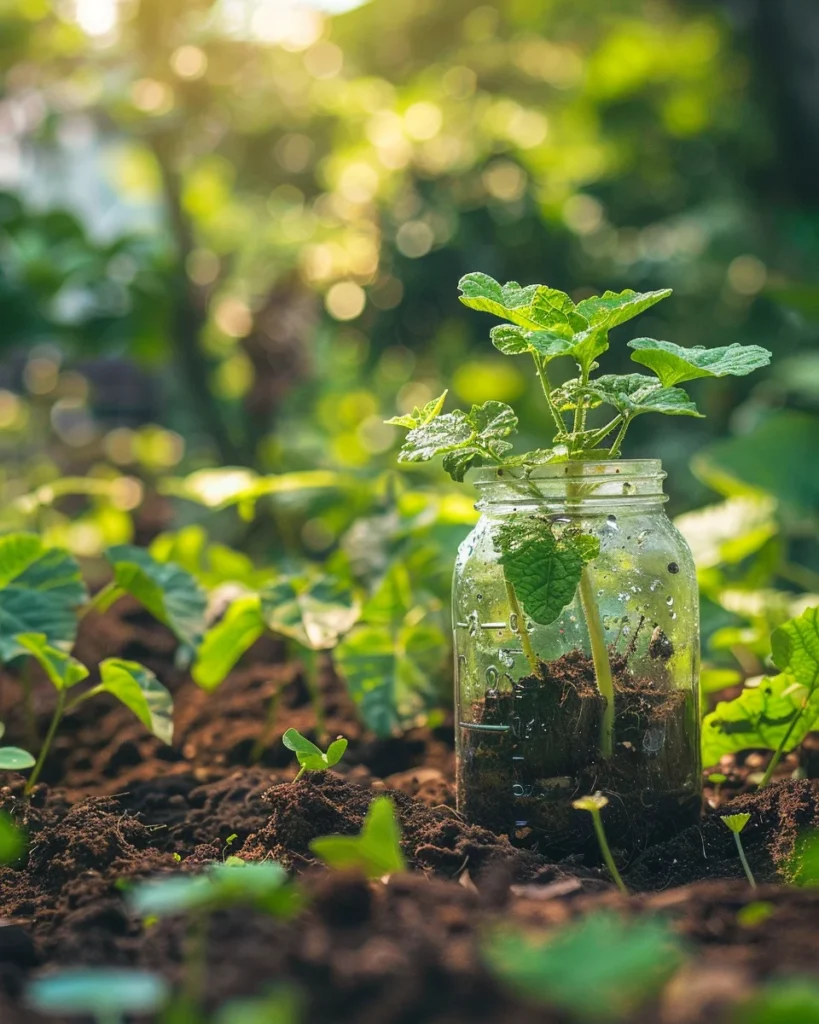
How to Grow Sweet Potato Slips from Kitchen Jars: A Simple Method for Garden Success
Intro for how to grow sweet potato slips from kitchen jars
Growing sweet potato slips from kitchen jars is an economical and satisfying way to propagate your own sweet potato plants. Sweet potatoes (Ipomoea batatas) are warm-season root vegetables that produce nutritious, versatile tubers. Unlike regular potatoes, sweet potatoes aren’t grown from seed but from slips—small rooted sprouts that develop from the parent tuber. Using simple kitchen jars and water, you can transform store-bought sweet potatoes into dozens of slips ready for planting. This method works best in temperate to warm climates (USDA zones 8-11), though with proper timing, gardeners in cooler regions can also enjoy successful harvests.
When to plant how to grow sweet potato slips from kitchen jars
Sweet potato slips should be planted after all danger of frost has passed and soil temperatures have reached at least 18°C (65°F). In most temperate regions, this means waiting until late spring. Sweet potatoes require a long, warm growing season of 90-170 days to mature, so timing is crucial. Start growing your slips indoors 8-12 weeks before your region’s last expected frost date. This gives the slips enough time to develop before outdoor planting. Sweet potatoes are extremely frost-sensitive, so even a light frost can damage or kill young plants.
Best time to plant how to grow sweet potato slips from kitchen jars
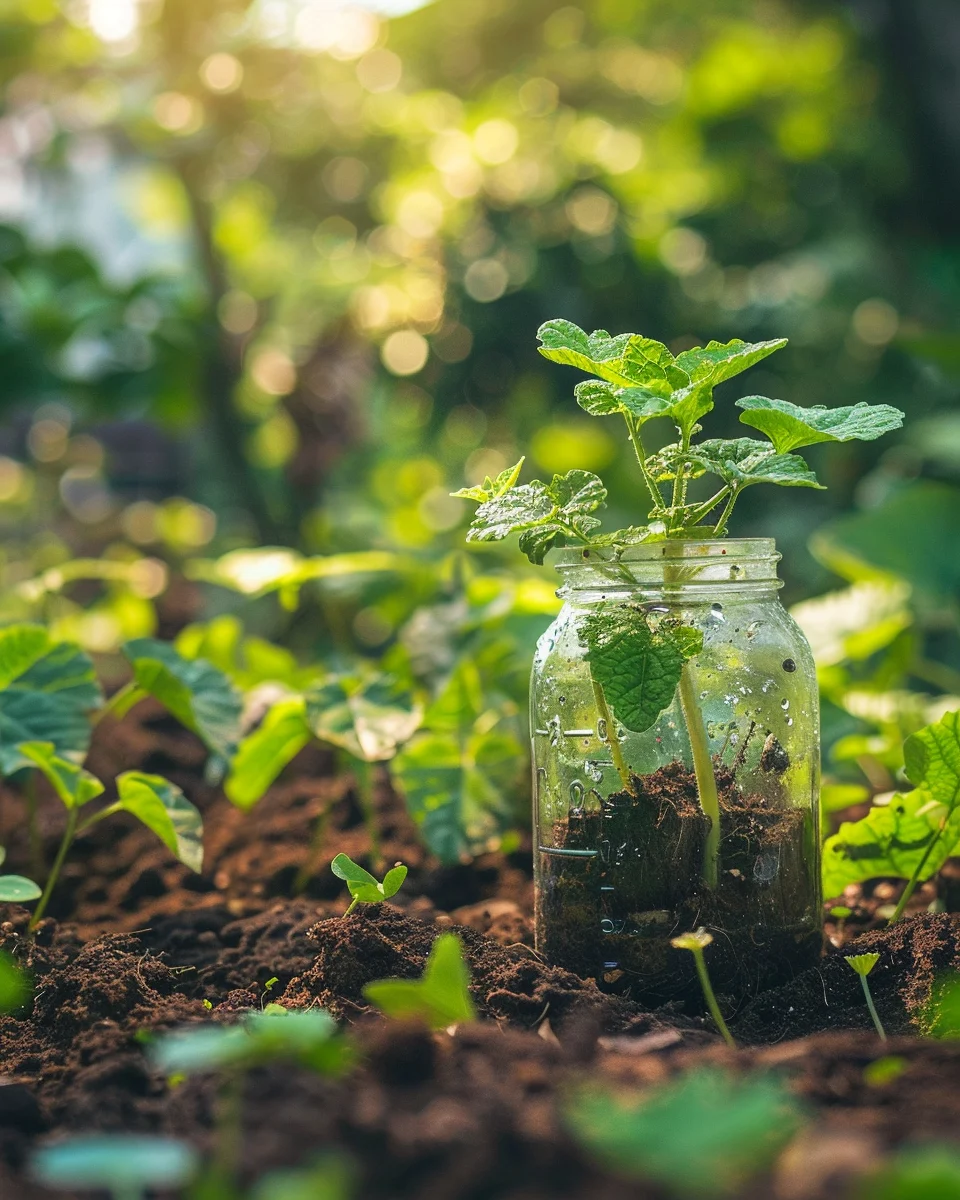
In warm regions (USDA zones 9-11), plant sweet potato slips outdoors from mid-April through May. For cooler temperate regions (USDA zones 5-8), wait until late May through June when soil has thoroughly warmed. Begin the slip-growing process indoors about 8-12 weeks before these planting dates. In the UK and similar mild temperate climates, aim to plant slips outdoors in late May to early June. For Mediterranean climates, April plantings work well. If your growing season is short, consider using black plastic mulch to warm soil before planting and select faster-maturing varieties.
Best how to grow sweet potato slips from kitchen jars varieties to grow
- Beauregard – Popular commercial variety with excellent disease resistance and high yields in just 90-100 days.
- Georgia Jet – Early maturing (90 days) with reliable production in cooler northern climates.
- Centennial – Disease-resistant variety with sweet orange flesh and good storage qualities.
- Porto Rico – Heirloom variety with exceptional flavor and performs well in container gardens.
- O’Henry – White-fleshed variety with a milder taste, excellent for those who find orange varieties too sweet.
- Japanese Purple – Distinctive purple skin with white flesh, offering unique color and antioxidant benefits.
- Bush Porto Rico – Compact vines make it ideal for smaller gardens and containers.
How to plant how to grow sweet potato slips from kitchen jars
Materials needed:
- Organic sweet potatoes (avoid treated ones from supermarkets if possible)
- Clean glass jars or containers
- Toothpicks
- Clean water
- Sunny windowsill
- Small pots with potting soil (optional for intermediate step)
Step-by-step process:
- Select healthy, organic sweet potatoes without blemishes or mold. Store-bought ones work, but organic varieties are less likely to be treated with sprout inhibitors.
- Wash the sweet potatoes thoroughly to remove any dirt or potential contaminants.
- Insert 3-4 toothpicks around the middle of each sweet potato, spacing them evenly around the circumference.
- Fill clean glass jars with water to just below the rim.
- Place each sweet potato in a jar with the toothpicks resting on the rim, so the bottom half of the potato is submerged in water.
- Position the jars on a sunny windowsill where they’ll receive at least 6 hours of light daily.
- Change the water every 2-3 days to prevent bacterial growth and maintain oxygen levels.
- After 2-3 weeks, roots will develop from the bottom and sprouts (slips) will emerge from the top.
- When slips reach 10-15 cm (4-6 inches) in length with several leaves, carefully twist them off the potato.
- Either place the removed slips in water to develop more roots or plant directly in soil when roots are 2.5-5 cm (1-2 inches) long.
How to grow how to grow sweet potato slips from kitchen jars
Sweet potato slips need full sunlight (at least 6-8 hours daily) once planted in the garden. Water newly planted slips thoroughly, then maintain consistent moisture without waterlogging for the first week. After establishment, reduce watering to once weekly, providing 2.5 cm (1 inch) of water, but increase during drought periods. Sweet potatoes prefer slightly acidic soil (pH 5.8-6.2) and benefit from moderate fertilization—apply a balanced organic fertilizer at planting time, then switch to a low-nitrogen, high-potassium fertilizer after a month.
Apply a 7.5-10 cm (3-4 inch) layer of organic mulch to conserve moisture, suppress weeds, and keep soil warm. No pruning is necessary, though you can trim vines if they become invasive. For container growing, select varieties like ‘Bush Porto Rico’ and use containers at least 40-50 cm (16-20 inches) deep with excellent drainage. In cooler regions, black containers absorb heat and promote better growth.
Caring for how to grow sweet potato slips from kitchen jars
Monitor soil moisture regularly, especially during dry spells, as inconsistent watering can cause cracked tubers. Stop watering about 2 weeks before harvest to allow skins to set. Common pests include sweet potato weevils, wireworms, and flea beetles. Watch for tiny holes in leaves (flea beetles) or tunnels in tubers (weevils). Apply diatomaceous earth for beetle control and practice crop rotation to reduce pest pressure.
Sweet potatoes are susceptible to fungal diseases in humid conditions. Maintain good air circulation and avoid overhead watering to prevent issues like scurf or black rot. Harvest when vines begin to yellow, typically 90-170 days after planting depending on variety. Carefully dig tubers using a garden fork, working from the outer edges of the plant inward to avoid damaging the tubers. For storage, cure harvested sweet potatoes at 29-32°C (85-90°F) with 85-90% humidity for 7-10 days, then store at 13-16°C (55-60°F) in a dark, well-ventilated area.
Understanding bolting in how to grow sweet potato slips from kitchen jars
Unlike many garden vegetables, sweet potatoes don’t bolt in the traditional sense. Bolting refers to premature flowering and seed production that occurs in leafy greens and herbs, rendering them bitter and unpalatable. Sweet potatoes are grown for their tubers rather than leaves, and while they can produce flowers in ideal conditions, this doesn’t negatively impact the edible portion.
Sweet potatoes may occasionally flower in very long, hot growing seasons, producing attractive purple or white morning glory-like blooms. This flowering doesn’t affect tuber quality and is actually quite rare in most temperate gardens. If your sweet potato vines are growing vigorously but not developing tubers, the cause is more likely excessive nitrogen fertilization or insufficient growing season length rather than any bolting-related issue.
Why does how to grow sweet potato slips from kitchen jars turn bitter?
- Improper storage – Sweet potatoes stored below 10°C (50°F) can develop a bitter taste due to cold injury; store at 13-16°C (55-60°F).
- Insufficient curing – Skipping the curing process prevents starches from converting to sugars; cure for 7-10 days at 29-32°C (85-90°F).
- Greening from light exposure – Unlike white potatoes, sweet potatoes don’t produce solanine, but prolonged light exposure can affect flavor.
- Soil conditions – Very high soil aluminum levels or extremely acidic soil (below pH 5.0) can cause bitter flavors in some varieties.
- Age of tubers – Very old sweet potatoes can develop off-flavors; consume within 3-6 months of harvest for best taste.
Companion planting for how to grow sweet potato slips from kitchen jars
Good companions:
- Thyme and oregano – These herbs repel many sweet potato pests and their shallow roots don’t compete with deep-growing tubers.
- Marigolds – Help deter nematodes that can damage sweet potato roots and tubers.
- Alyssum – Attracts beneficial insects that prey on sweet potato pests while creating ground cover that suppresses weeds.
- Bush beans – Fix nitrogen in the soil that benefits sweet potatoes without competing for space.
- Nasturtiums – Act as trap crops for aphids and other pests that might otherwise attack sweet potatoes.
Avoid planting near:
- Squash and other vining crops – Compete for space and can create too much shade for sweet potatoes.
- Regular potatoes – Can share diseases and pests, increasing the risk of problems for both crops.
- Sunflowers – Their aggressive root systems compete with sweet potatoes for nutrients and water.
Seasonal calendar
- January-February – Purchase or select sweet potatoes for slip production in cooler regions.
- March – Start sweet potatoes in jars for slip production in most temperate regions.
- April – Continue slip production; plant slips outdoors in warm regions (zones 9-11).
- May – Plant slips outdoors in mid-temperature regions; continue slip production for cooler areas.
- June – Plant slips in cooler regions (zones 5-7); apply first fertilization to established plants.
- July – Apply mulch if not done earlier; monitor for pests and diseases; provide supplemental water during dry periods.
- August – Apply low-nitrogen, high-potassium fertilizer; continue pest monitoring.
- September – Begin harvest in warmer regions for early varieties; reduce watering in preparation for harvest.
- October – Harvest before first frost in cooler regions; begin curing process.
- November-December – Store cured sweet potatoes; select tubers to save for next year’s slip production.
Problems & solutions
| Problem | Quick Fix |
|---|---|
| Slips not developing from sweet potatoes | Ensure you’re using untreated sweet potatoes; change water more frequently; increase temperature to 24-27°C (75-80°F). |
| Slips rotting after planting | Ensure soil is warm enough; avoid overwatering; improve drainage; wait for warmer weather. |
| Vines growing vigorously but few tubers | Reduce nitrogen fertilizer; ensure adequate potassium; check soil pH; provide more growing time. |
| Cracked or misshapen tubers | Maintain consistent soil moisture; avoid sudden heavy watering after dry periods; improve soil texture with compost. |
| Tiny holes in leaves | Apply diatomaceous earth for flea beetle control; use floating row covers in early growth stages. |
| Tubers with dark pits or tunnels | Rotate crops; remove and destroy affected plants; use beneficial nematodes to control sweet potato weevils. |
| Stunted growth | Check for nematode damage; improve soil with organic matter; ensure adequate sunlight and proper spacing. |
Common questions about growing how to grow sweet potato slips from kitchen jars
How often should I change the water in my sweet potato jars?
Change the water every 2-3 days to prevent bacterial growth and maintain oxygen levels. If the water becomes cloudy before then, change it immediately.
How much sunlight do sweet potato slips need while developing?
Place the jars in a location that receives at least 6 hours of indirect sunlight daily. Direct, intense sunlight can overheat the water, so a bright windowsill with filtered light is ideal.
Can I grow sweet potatoes in containers?
Yes, use containers at least 40-50 cm (16-20 inches) deep with excellent drainage. Bush varieties like ‘Bush Porto Rico’ perform best. A 40-liter (10-gallon) container can support 2-3 plants.
How far apart should I plant sweet potato slips?
Plant slips 30-38 cm (12-15 inches) apart in rows spaced 90-120 cm (3-4 feet) apart. In containers, allow 30 cm (12 inches) between plants.
What temperatures can sweet potato plants tolerate?
Sweet potatoes thrive in warm conditions between 21-29°C (70-85°F). They are damaged below 10°C (50°F) and will die with frost. They can tolerate heat up to 35°C (95°F) if adequately watered.
How many sweet potatoes can I expect from one slip?
A single healthy slip can produce 3-5 pounds (1.4-2.3 kg) of sweet potatoes, typically 4-8 tubers depending on growing conditions and variety.
Can I save my own sweet potatoes for growing slips next year?
Yes, select several unblemished, medium-sized tubers from your harvest. Cure them properly and store at 13-16°C (55-60°F) in a dark, well-ventilated place until it’s time to start slips for the next season.